
Cold ground steals heat faster than the air above it, so your sleeping pad matters as much as your bag once temperatures drop. A sub-zero bivy, a winter car-camp, or a shoulder-season hut trip all punish thin pads that compress under your hips and shoulders. The seven options below cover the main ways people stay warm outside: closed-cell foam, self-inflating foam, hybrid foam-and-air, and plush roll-up mattresses. Think of the R-value, the thickness, and the packed size as the three numbers that decide whether you sleep or shiver.
A Closer Look At The Lineup

Sea to Summit Camp Plus SI Sleeping Mat
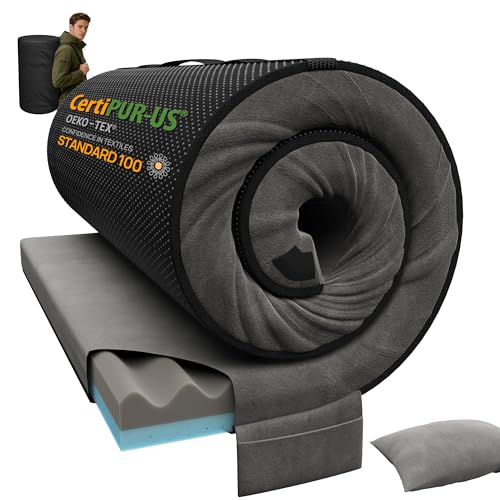
Releep 3 Inch Dual-Sided Memory Foam Camping Mattress
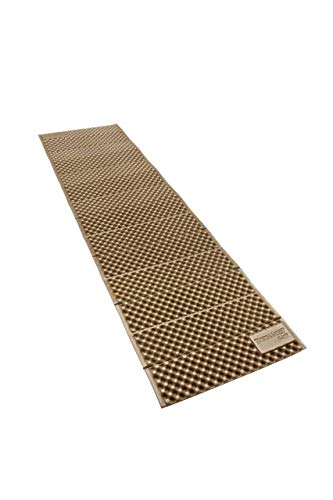
Therm-a-Rest Z Lite Original Sleeping Pad

Elegear Self Inflating Sleeping Pad with Pillow 3.15″
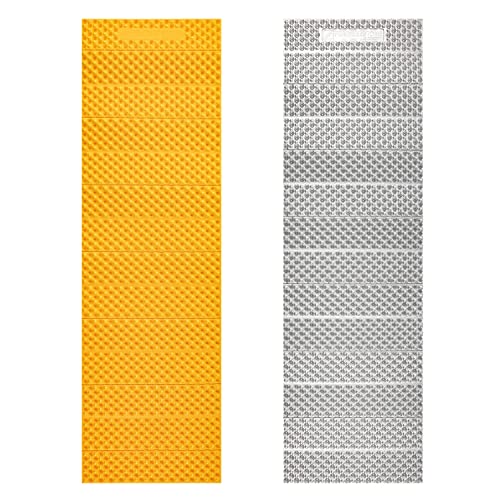
Featherstone El Cordion Insulated Sleeping Pad

Elegear Air & Foam Self Inflating Sleeping Pad 4″
Elegear Air & Foam Camping Mattress 4″ Single
Meet The Standout Selections
The Camp Plus SI is the kind of self-inflating pad built for shoulder-season nights when the ground stays colder than the air above it. Its 2.6-inch foam core holds insulation that keeps your hips off frozen soil during a multi-day winter trip, and the reversible valve lets you top off a few breaths of air without fighting a stubborn flap.
Where the Sea to Summit stands out from typical car-camp pads is its balance of thickness and packability. The tapered shape trims bulk at the foot where you don’t need as much loft, so the rolled size slips behind a pack without dominating it. You get real cold-weather performance without paying for it in ounces or strap space.
Where It Delivers
- Four-season foam insulation rated for genuinely cold ground
- 2.6-inch thickness cushions shoulders and hips on rocky tent platforms
- Reversible valve speeds up fine-tuning when the air cools overnight
- Tapered profile trims pack weight where you don’t sleep
- Self-inflating setup saves lung power at altitude
Things To Consider
- Bulkier than an air-only pad when strapped to a small pack
- Foam can take longer to dry fully if soaked through
Key Specs
Right Fit For
Winter backpackers and alpine campers who need reliable warmth without hauling an inflatable system into sub-freezing nights.
Look Elsewhere When
Car campers craving plush memory-foam comfort will find the Releep 3-Inch Dual-Sided Memory Foam Camping Mattress a better fit.
The Releep trades pack-size bragging rights for the kind of cushioning that turns a tent into a guest bed. A 3-inch foam build wraps gel-infused memory foam over a denser support base, which spreads weight evenly across the surface instead of letting pressure points dig in. You sleep on it more than you sleep on the ground beneath it.
Versatility is where this pad earns its keep. Roll it out for a car-camp setup, a backyard sleepover, or as a spare bed for overnight visitors. The waterproof shell shrugs off tent condensation, and the included carry bag plus pillow round out a turnkey kit that skips the usual pump-and-pray routine.
Practical Pluses
- 3-inch thickness reads more like a home mattress than a camp pad
- Gel-infused top layer stays cooler on warm shoulder-season nights
- Waterproof cover handles damp tent floors and wet grass
- Doubles as guest bedding at home without re-purposing gear
- Carry bag and pillow bundled in, no extra shopping required
Honest Caveats
- Rolled size takes up significant trunk or backseat space
- Foam holds moisture longer than closed-cell mats and needs full drying before storage
Whose Shelf It Belongs On
Car campers, SUV sleepers, and households that want one pad to split between outdoor trips and overnight guests.
Skip It When
Long-distance backpackers counting ounces should reach for the Therm-a-Rest Z Lite Original Sleeping Pad instead.
The Z Lite is the closed-cell foam pad that has outlasted decades of lighter, fancier competitors for one reason: it simply works. Accordion folds tuck it against any pack, the textured surface grips slippery tent floors, and there is nothing inside to pop, leak, or freeze up on a cold morning. You blow it up by unrolling it.
For thru-hikers and section hikers, the value goes beyond price. You can sit on it at breaks, fold it under your knees for a stove-light dinner, or pull a second one out as an emergency shelter pad. Compared to the hybrid Elegear Air & Foam Camping Mattress reviewed later, the Z Lite gives up cushioning but never quits on you.
Everyday Wins
- Closed-cell foam resists moisture and rough terrain
- Accordion fold compresses small and never needs a valve
- Lightweight enough for multi-week trail sections
- Acts as a sit pad, knee pad, or wind block in a pinch
- Affordable enough to keep as a backup for guests or rentals
Worth Noting
- Less cushioning than foam or hybrid pads of similar length
- Bulky volume relative to weight when strapped to small packs
Feature Snapshot
Best Suited To
Trail hikers, scouts, and minimalist campers who value reliability and low cost over plush cushioning.
Consider Something Else When
Cold-weather campers chasing higher R-values should consider the Featherstone El Cordion Insulated Sleeping Pad.
Elegear’s 3.15-inch pad leans into dense memory foam for campers who treat cold nights like a backyard sleepover. The included pillow builds out a complete sleep system, so you’re not stuffing a fleece jacket into a stuff sack at 11 p.m. Open the valve, watch the foam take shape, and you’re horizontal in minutes.
What separates this pad from lighter self-inflating options is the foam density. The higher-density build distributes weight more evenly, which matters for side sleepers whose hips dig into thinner pads. Compared to the Sea to Summit Camp Plus SI reviewed above, this one trades compact packability for a thicker, cushier surface.
A Favorable Mix
- High-density foam cradles side-sleeping hips and shoulders
- 3.15-inch loft feels closer to a guest bed than a camp pad
- Built-in pillow removes one piece of packing and setup
- Self-inflating design rolls out quickly at camp
Small Caveats
- Heavier and bulkier than ultralight self-inflating pads
- Memory foam needs thorough drying if it absorbs moisture
Made For
Weekend campers, side sleepers, and car-campers who want extra thickness and a built-in pillow without inflating anything by mouth.
Reach For A Different Pick When
Long-mile backpackers who prioritize weight should pick the Therm-a-Rest Z Lite Original Sleeping Pad instead.
The El Cordion is a closed-cell foam pad engineered for hikers who push into shoulder-season and winter terrain without dragging an inflatable system behind them. Cross-linked polyethylene foam paired with a reflective film traps body warmth back toward you, and the hexagonal node pattern raises the surface off the ground further than typical egg-crate foam.
You don’t blow it up. You don’t fix leaks. You unfurl it on rocky ground and trust the foam to do the rest. That simplicity makes it a strong counterpart to the heavier self-inflating Sea to Summit pad covered earlier; you trade thickness for a pack-friendly footprint and a level of cold tolerance that suits shoulder-season overnighters.
Useful Strengths
- Insulated closed-cell foam holds warmth in shoulder-season cold
- Hexagonal nodes lift you further from cold ground than basic foam
- Indestructible build survives abrasive granite and crampon mishaps
- Lightweight and packable for thru-hikers and fastpackers
Room For Improvement
- Less cushioning than self-inflating or hybrid pads
- Foam can’t be compacted smaller than its rolled size
Quick Facts
Who It Suits Best
Thru-hikers, fastpackers, and winter shoulder-season trekkers who want a lighter, leak-proof pad with real cold-weather rating.
A Better Fit Elsewhere
Car campers craving home-style cushioning will find the Releep 3 Inch Dual-Sided Memory Foam Camping Mattress a stronger match.
This Elegear model leans into a single promise: push a button, walk away, come back to a fully inflated pad. The built-in electric pump handles inflation and deflation, so you skip the lung-bursting mouth routine that turns setup into a chore. At 4 inches of loft, the surface reads more like a guest mattress than a typical camp pad.
The 4-inch profile and foam-and-air hybrid build give side sleepers something to lean into. Compared to the Releep mattress reviewed earlier, this pad offers similar cushioning with the added bonus of automated inflation, though the pump adds weight and bulk you wouldn’t deal with on a simple roll-out foam pad.
Key Advantages
- Built-in electric pump inflates and deflates at the press of a button
- 4-inch loft supports side sleepers and pressure-sensitive joints
- Self-inflating foam core supplements the pump for full firmness
- Vacuum compression storage fits inside small car trunks
Points To Note
- Heavier than manual self-inflating pads because of the pump
- Electric pump requires power source and runtime limits per cycle
Who Should Grab It
Car campers, family campers, and anyone who values push-button setup over ultralight pack weight.
Where Another Pick Suits Better
Backpackers focused on cold-weather insulation should consider the Featherstone El Cordion Insulated Sleeping Pad for trail use.
The hybrid construction here splits the difference between a pure foam pad and a pure air mattress. A memory foam top conforms to shoulders and hips while the air chamber base spreads weight evenly underneath. The result feels more like a low-profile bed than a backcountry pad, and the included pump shortens setup to a couple of minutes.
Single-person campers who tend to sleep on their side will appreciate how the foam layer absorbs the pressure points that pure air pads leave behind. Compared to the all-foam Releep model above, this hybrid packs smaller and inflates firmer, trading the home-mattress thickness for a lighter, more compressible build.
Real Benefits
- Hybrid foam-over-air design balances softness and support
- 26D memory foam top cradles side-sleeping pressure points
- Included air pump simplifies inflation at camp
- Compresses smaller than full-foam pads of similar thickness
Potential Drawbacks
- Air chamber can lose firmness overnight in cold temperatures
- Two-layer construction needs careful drying before long-term storage
Perfect Match For
Side sleepers and base campers who want foam comfort without giving up the compact storage of an inflatable pad.
Not Your Match When
Thru-hikers chasing minimum ounces and maximum reliability should consider the Therm-a-Rest Z Lite Original Sleeping Pad.
Matching Pads To Real Winter Conditions
R-value drives cold-weather performance more than any other number. R-value measures a pad’s resistance to heat flow, with higher numbers insulating better against frozen ground. Three-season summer pads usually hover around R 1 to 2, while true winter sleeping pads start around R 3 and climb higher for deep-winter mountaineering. Pair the pad’s R-value with your expected overnight low: an R 4 pad handles freezing ground comfortably, while R 5 and up buys you margin on snow camps.
Thickness shapes comfort more than warmth. A 2.5-inch pad insulates similarly to a 4-inch pad of the same foam density, but the thicker pad keeps hips from bottoming out when you roll onto your side. Side sleepers and restless sleepers generally want at least 3 inches, while back sleepers can manage with 2.5 if the foam is dense.
Construction type changes how you use the pad. Closed-cell foam pads are indestructible and light, but bulky and less cushioned. Self-inflating pads balance comfort and pack size. Hybrid foam-and-air pads feel plush but need pump power. Roll-up foam mattresses feel like home but dominate trunk space.
Packed size and weight should match your trip style. Thru-hikers count ounces and value compact rolls. Car campers prioritize cushioning and can absorb extra bulk. Family campers often split the difference with self-inflating pads that roll small enough for a duffel.
Key Considerations Across These Picks
Pitfalls Shoppers Hit
Choosing a pad by thickness alone is a common trap. A plush 4-inch pad with a low R-value still leaves you cold on frozen soil, while a thin but well-insulated closed-cell pad can outperform a thicker summer-rated foam pad in shoulder-season conditions. Check the R-value before you commit to comfort claims.
Another common slip is ignoring packed size. Many shoppers buy a car-camp mattress and then expect it to work for a backpacking trip, only to discover it dominates the pack. Match the construction to the trip, not the other way around.
When Paying More Pays Off
Higher-tier pads usually buy more insulation per ounce and better valve systems that resist freezing. An upgraded self-inflating pad with a multi-function valve lets you fine-tune firmness in cold air without wrestling a stiff flap, which sounds small until you’re deflating a pad at 14°F in the dark. Premium construction also tends to hold up across more seasons of wet tent floors and rough storage.
Frequently Asked Questions
What R-value do I need for cold weather camping?
For freezing or near-freezing overnight lows, aim for R 3 or higher to keep ground chill from sapping body heat through the night.
Are self-inflating pads warm enough for winter?
A self-inflating pad with R 3.5 or higher and at least 2.5 inches of foam handles most winter car-camp conditions comfortably.
Can closed-cell foam pads keep you warm?
Yes, especially insulated closed-cell models with reflective films and node patterns that trap body heat without any inflation.
How do I dry a wet sleeping pad before storage?
Wipe down the surface, open every valve, and air-dry the pad flat or loosely rolled in a shaded, ventilated space away from direct sun.
Should I pair a foam pad with an inflatable pad?
Stacking a closed-cell foam pad under a self-inflating or inflatable pad adds R-value, insulation redundancy, and puncture insurance for cold or rough conditions.
Bottom Line
Cold nights reward the right combination of insulation, thickness, and construction. Backpackers chasing minimum weight will lean toward the Featherstone El Cordion or Therm-a-Rest Z Lite, while car campers will find more comfort in the Releep or Elegear 4-inch hybrids. Match the pad to your trip, not just your wishlist, and you’ll sleep warmer no matter how low the thermometer drops.