
A closed cell foam pad shrugs off rocks, roots, and weather in a way inflatable mattresses simply can’t. Ultralight backpackers, thru-hikers, and weekend car campers all reach for one because it requires zero setup, can’t spring a leak, and lives happily strapped to the outside of a pack. The catch is that foam pads feel firmer, run thinner, and pack larger than their inflatable cousins, so matching the pad to your trip style matters. This roundup walks through seven solid options across backcountry foam mats, self-inflating comfort pads, and home-ready air beds.
A Fast Comparison Of The Options

Therm-a-Rest Z Lite Sol Camping and Backpacking Sleeping Pad

Therm-a-Rest Z Lite Original Camping and Backpacking Sleeping Pad

KASIMO Memory Sleeping Pad for Camping, 3-inch Foam Sleeping Mat with Pillow
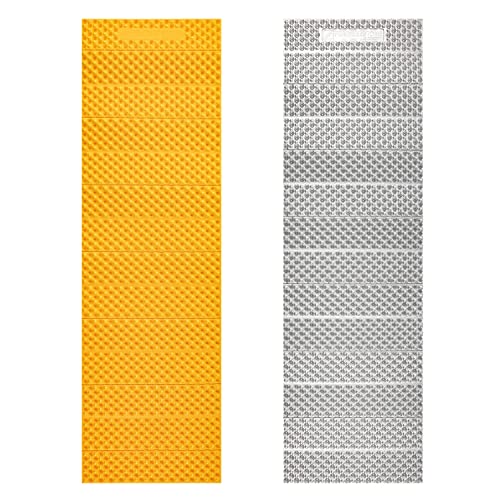
Featherstone El Cordion Insulated R-Value 2.1 Closed Cell Foam Mat
KASIMO Air Mattress Twin with Cordless Battery Pump, TPU
KASIMO Air Mattress Queen with Wireless Battery Pump, TPU

Lost Horizon Option3 Self-Inflating Foam Mattress, Full, 4.5″
A Breakdown Of The Leading Choices
Few foam pads show up on as many thru-hiker packlists as the Z Lite Sol. The accordion-fold design unfolds into a sleep surface that lives under your tent without any inflation steps, and the dual-density foam puts a softer layer up top for comfort while keeping a tougher base against the ground. The standout trick is the reflective heat layer, which bounces body warmth back upward and bumps warmth enough to stretch shoulder-season use.
For backcountry travelers counting every gram and every minute at camp, that blend of low weight, fast setup, and added warmth is hard to argue with. Compared to the standard Z Lite below, you trade a small weight penalty for noticeably better cold-weather performance.
Advantages To Know
- Heat-reflective layer noticeably improves warmth on cool nights.
- Accordion fold lays flat fast, no inflation needed at camp.
- Closed cell foam shrugs off rough ground and wet grass.
- Lightweight enough for multi-day backpacking trips.
Things To Consider
- Firm foam feel can pressure hips and shoulders during side sleeping.
- Larger folded footprint than inflatable pads strapped outside a pack.
Key Specs
Best Suited To
Three-season backpackers and section hikers who want warm, no-fuss sleep without inflating anything at the end of a long day.
Consider Something Else When
Side sleepers craving plush cushioning may prefer the KASIMO Memory Sleeping Pad, which uses thicker foam for pressure relief.
The original Z Lite is the pad that trained a generation of backpackers to expect foam mats to be reliable, light, and reasonably comfortable. Same accordion construction as the SOL above, but without the reflective heat layer, which trims a small amount of weight and cost. Closed cell foam pads of this design tend to absorb very little water, so a wet morning rarely ruins the mat.
You give up the warmth bump the SOL brings, but for shoulder-season camping in mild weather that trade barely registers. Beginners benefit most: the pad is forgiving, near-indestructible, and easy to live with on sloppy first trips.
A Few Strong Suits
- Trusted, time-tested foam construction for dependable nights.
- Lighter and more affordable than the SOL version.
- Closed cell design resists moisture absorption in damp camps.
Worth Noting
- No reflective layer, so cold-ground performance lags behind the SOL.
- Thin profile can feel bony on rocky tent platforms after a few hours.
- Folded size takes up exterior pack space versus rolled inflatables.
Right Fit For
New backpackers, scout troops, and anyone needing a tough, no-fuss pad for mild three-season trips.
Look Elsewhere When
Cold-weather campers should reach for the Therm-a-Rest Z Lite Sol instead, since its reflective layer retains noticeably more heat.
The KASIMO Memory Sleeping Pad steps away from the classic accordion foam look and pushes toward plush, car-camp comfort. Its 3-inch profile is built around a higher-density foam that contours to the body, paired with a built-in pillow section so your camp pillow does not wander off overnight. An R-value of 9.5 means serious insulation for cold nights.
Compared to the thin Z Lite pads above, this one trades ultralight portability for noticeably better pressure relief and warmth. The trade-off shows up in pack size and weight, so it shines for car camping, winter basecamps, and tent setups where comfort beats ounces.
Everyday Perks
- Higher foam density cushions hips and shoulders during side sleeping.
- R-value of 9.5 handles genuinely cold ground conditions.
- Integrated pillow section removes one item from the packing list.
- Foam construction stays functional even if the outer fabric takes a scrape.
Trade Offs
- Bulkier and heavier than the closed-cell foam pads above, so long-distance hikers may find it overkill.
- Thicker foam takes longer to air out after damp nights.
Feature Snapshot
Made For
Side sleepers, cold-weather campers, and car campers who want foam durability without giving up plush cushioning.
Skip It When
Long-distance backpackers should grab the Featherstone El Cordion Closed Cell Foam Mat, which is far lighter on the trail.
The Featherstone El Cordion is a serious contender in the ultralight category, and it does a few things differently from the Z Lite pads above. Hexagonal nodes replace the classic egg-crate texture, giving roughly forty percent more ground coverage and slightly more lift under your hips. A heat-reflective film layered into the foam pushes its R-value to a tested 2.1, which is a meaningful bump for shoulder-season trips.
Thru-hikers looking for a foam pad that trims grams without sacrificing warmth should pay close attention. The honest read is that the cushioning still feels firm, but the warmth and footprint gains matter on long-distance routes.
Notable Upsides
- Hex node pattern increases ground coverage and lift over egg-crate foam.
- Reflective film boosts insulation for cooler shoulder-season nights.
- Irradiated cross-linked foam resists wear from rough campsite use.
- Compact folded form suits long mileage days.
Points To Note
- Firmness profile stays close to a classic closed cell foam pad, so side sleepers often stack a thin inflatable on top.
- Reflective layer adds slight weight over a basic foam mat.
Quick Facts
Built With In Mind
Thru-hikers and ultralight backpackers who want extra warmth and ground coverage from a closed cell foam pad.
Swap It Out When
Campers prioritizing cushioning over weight should consider the KASIMO Memory Sleeping Pad for its thicker, pressure-relieving foam.
Stepping away from foam, the KASIMO Twin Air Mattress serves a different use case: car camping, van builds, and guest duty at home. TPU construction (thermoplastic polyurethane, a stretchy, tough alternative to PVC) keeps the surface odorless and durable, and a cordless battery pump handles inflation without needing an outlet or a separate pump.
For travelers who want a familiar bed-like feel on the road, this is a clean solution. Keep in mind air mattresses and closed cell foam pads live in different categories; this one leans toward comfort and quick setup rather than ultralight performance.
Positive Takeaways
- Cordless battery pump inflates the mattress without hunting for power.
- TPU material avoids the plastic smell common with PVC air beds.
- Twin footprint fits standard tent pads and small guest rooms.
- Rapid deflation makes pack-down quick between trips.
Honest Caveats
- Air construction can lose firmness overnight in cold temperatures, so a top-up may be needed.
- Pump battery must be charged in advance for off-grid use.
At A Glance
Perfect Match For
Travelers, van dwellers, and households needing a portable guest bed that inflates anywhere.
Reach For A Different Pick When
Backpackers wanting a true closed cell foam pad should look at the Therm-a-Rest Z Lite Sol, which is far lighter on the trail.
The queen version follows the same blueprint as the twin above but opens up to a generous 75 x 59-inch sleep surface. TPU keeps the build odorless and resilient, and the wireless pump means no fumbling with valves at midnight. Couples and families on a glamping trip, or anyone hosting extra guests at home, get the same quick-inflate convenience on a larger scale.
Storage and transport get easier because the mattress deflates flat, but a queen still demands more space than a foam pad. For setup at home, that is rarely an issue. For remote camping, plan on a vehicle to carry it.
Everyday Advantages
- Queen footprint fits two sleepers comfortably for trips or guests.
- Wireless battery pump handles inflation without an external power source.
- TPU material avoids odor and resists wear from folding and refolding.
- Flat-deflate design slides into narrow storage spaces between uses.
Room For Improvement
- Queen size requires more storage space than foam pads when not in use.
- Air beds need occasional re-inflation as temperature shifts overnight.
Whose Shelf It Belongs On
Couples, glampers, and households that want a portable queen-size bed for camping trips or surprise guests.
Another Choice May Suit
Solo travelers who prefer a smaller, lighter footprint should consider the KASIMO Twin Air Mattress, which packs down more easily.
The Lost Horizon Option3 brings serious thickness to the foam category with a 4.5-inch profile and a 12-pound foam fill. Self-inflating means you crack the valve, watch the foam expand, and top off with a few breaths to dial in firmness. The full-size footprint and high weight capacity make it a basecamp-friendly choice for couples, families, or anyone who refuses to compromise on cushioning.
This is not a backpacking pad. It is the kind of mat you haul to a car camp, a cabin, or a kid’s room for sleepovers. Compare it to the KASIMO air mattresses above and you get a different comfort tradeoff: firmer foam support versus the bouncy, sink-in feel of inflated air.
Positive Points
- 4.5-inch thickness genuinely mimics a home-mattress feel at camp.
- Self-inflating foam core cuts setup time at the campsite.
- Full-size surface accommodates two sleepers or one sprawled-out camper.
- Durable foam fill handles repeated inflation and storage cycles.
Things To Weigh
- Bulky packed size requires a vehicle for transport.
- Foam fill needs airing out after damp storage to prevent mildew odor.
Feature Rundown
Who Should Grab It
Car campers, basecamp setters, and families who want a plush foam mattress without hauling an air bed and pump.
A Better Fit Elsewhere
Thru-hikers should pick the Featherstone El Cordion Closed Cell Foam Mat, which cuts weight and pack size significantly.
What Matters Most Before Choosing Closed Cell Sleeping Pads
Warmth And R-Value Basics
The R-value is a standardized measure of how well a sleeping pad resists heat flow to the ground, and higher numbers mean more insulation. For summer trips at low elevation, a basic R-value around 2 handles most nights, but shoulder-season and winter campers benefit from pads rated 3 and up. The Therm-a-Rest Z Lite Sol and Featherstone El Cordion both push warmth above a basic foam mat without adding much weight.
Thickness And Sleep Position
Thin foam pads (around the 0.75 to 1-inch range of most closed cell mats) feel firm under the hips, especially for side sleepers. Thicker options like the KASIMO Memory Pad or Lost Horizon Option3 add cushioning layers that spread pressure more evenly. If you sleep on your side or shift a lot at night, leaning toward a thicker profile pays off.
Weight Versus Pack Size
Backpackers care about ounces, and rolled or folded foam pads often get strapped to the outside of a pack. Ultralight picks like the Featherstone El Cordion trim bulk; thicker comfort pads like the Lost Horizon Option3 win on cushioning but demand a car to haul them. Match the pad’s footprint to how far you carry it.
Setup Style And Durability
Closed cell foam pads need no inflation, which means no pump, no valve, and no midnight top-offs. Self-inflating foam adds a breath or two for firmness, while air beds inflate fully with a pump. Foam construction is also the most puncture-resistant option, which matters on rocky sites where an inflatable would be risky.
Key Considerations Across These Picks
Mistakes Worth Dodging
Choosing the thinnest pad to save weight often backfires on the first cold night, when ground warmth becomes impossible to ignore. Side sleepers who grab a basic 0.75-inch closed cell mat usually discover hip pressure within an hour. Match the pad’s thickness and R-value to your sleep position and the season, not just your pack volume.
When Paying More Pays Off
Spending more typically buys warmer construction, denser foam, and longer-lasting materials. The reflective layers on pads like the Therm-a-Rest Z Lite Sol and Featherstone El Cordion add measurable warmth without much weight penalty. For cold trips, basecamp comfort, or year-round use, that upgrade earns its keep.
Frequently Asked Questions
What Is A Closed Cell Sleeping Pad?
A closed cell sleeping pad is made from foam whose cells are sealed off from each other, so the pad does not absorb water, inflate, or deflate. These pads are the most puncture-resistant sleeping option and require zero setup at camp.
Are Closed Cell Sleeping Pads Warm Enough For Winter?
Basic closed cell pads with low R-values struggle below freezing, but insulated models with reflective films or higher-density foam handle winter conditions well. The KASIMO Memory Pad, for instance, carries an R-value of 9.5, suitable for genuinely cold ground.
Can You Sleep Comfortably On A Closed Cell Foam Pad?
Comfort depends on thickness, foam density, and sleep position. Thicker pads with higher-density foam cushion hips and shoulders much better than ultralight 0.75-inch mats. Side sleepers often benefit from pairing a closed cell pad with a thin inflatable topper.
How Do You Clean And Store Closed Cell Pads?
Wipe down the surface with mild soap and water, then air dry fully before storage to prevent mildew. Storing the pad unfolded or loosely folded in a dry space helps the foam recover its loft over time.
Are Closed Cell Pads Better Than Inflatable Pads?
Neither is universally better. Closed cell pads are lighter to set up, more puncture-resistant, and cheaper, but they pack larger and feel firmer. Inflatable pads offer better cushioning and smaller packed sizes but require pumps and can spring leaks.
Final Verdict
For ultralight backpacking, the Therm-a-Rest Z Lite Sol and Featherstone El Cordion stand out as the most capable closed cell foam pads on this list, with the original Z Lite as the dependable budget pick. Cold-weather and comfort-focused sleepers should look toward the KASIMO Memory Pad or the Lost Horizon Option3. For home and travel versatility, the KASIMO twin and queen air mattresses fill a different niche entirely. Match the pad to your trip style, and the rest of camp falls into place.