
A foam pad is the kind of gear you forget about until you actually need it. Then it becomes everything: the difference between a cold, sore night on bare rock and waking up warm enough to keep moving. Closed cell foam sleeping pads earn their place in packs because they shrug off moisture, never pop, and keep working trip after trip without any maintenance beyond a quick shake-out.
You’ll find six solid options below, ranging from the backpacking classic that started it all to budget rolls better suited for sleepovers and car camping. Each one was picked for a clear reason, and each has trade-offs worth knowing.
The Picks In Brief
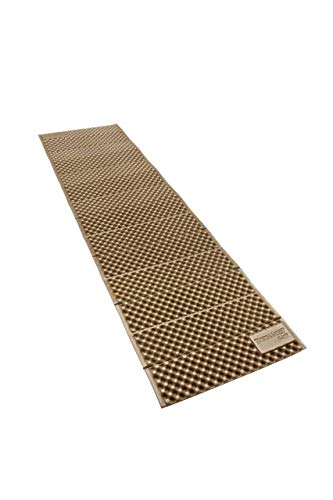
Therm-a-Rest Z Lite Original Sleeping Pad
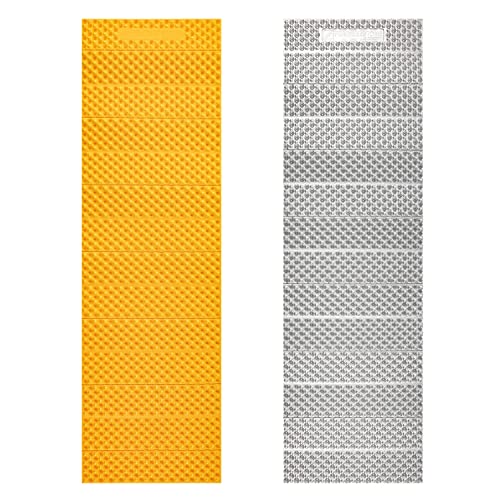
Featherstone Outdoor El Cordion Insulated R-Value 2.1 Sleeping Pad

Wakeman Foam Sleeping Pad with Handle

Night Cat Foam Sleeping Pad

REDCAMP Foldable Foam Camping Pad R-2.1 Insulated
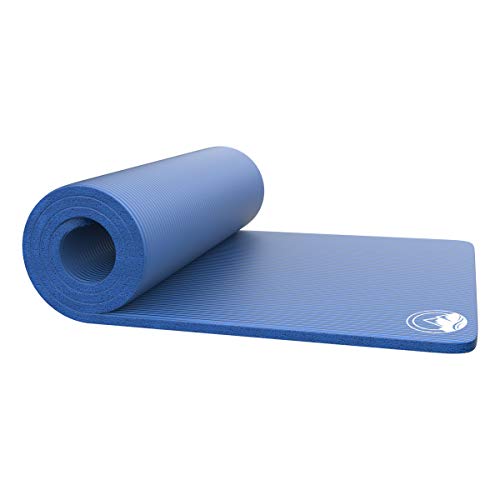
Wakeman Outdoors Foam Sleeping Pad 0.75-Inch
The Details Behind The Selections
The Therm-a-Rest Z Lite is the benchmark every other closed cell pad gets measured against. Its accordion-fold body and dimpled surface have been refined over decades, and the result is a pad that slips behind a backpack, unfolds flat in seconds, and quietly does its job whether you’re cowboy camping under the stars or sleeping in a floorless shelter.
For thru-hikers counting every gram, the Z Lite offers something almost no inflatable can: zero risk of puncture failure mid-trip. You could set up on a lava field and still sleep soundly. Beginners also benefit from the simplicity. No valves, no inflation breath, no learning curve. Just unfold and lie down.
Good Reasons To Consider
- Time-tested accordion design that packs down to roughly the size of a water bottle
- Dimpled pattern traps warm air and adds noticeable insulation on cold ground
- Nearly indestructible closed cell foam body handles rough terrain and sharp debris
- No inflation required, so it works perfectly in any position at any altitude
- Trusted reputation among long-distance hikers and mountaineers worldwide
Worth Noting
- Bulkier than ultralight alternatives like the Featherstone El Cordion when strapped outside a pack
- Thickness feels modest for side sleepers who press hips and shoulders into the surface
Quick Facts
Who It Suits Best
Thru-hikers, section hikers, and backpackers who want a zero-maintenance pad that simply cannot fail mid-trip.
Look Elsewhere When
Side sleepers craving more cushion should reach for the REDCAMP Foldable Foam Camping Pad, which offers a wider sleeping surface.
Where the Z Lite relies on simple dimples, the Featherstone Outdoor El Cordion brings engineering to the foam category. Its irradiation cross-linked polyethylene foam (a denser, more durable variant of standard closed cell foam) pairs with a dual-density heat-reflective film to bounce body warmth back toward you. The R-Value 2.1 rating, measured under ASTM F3340 standards (a standardized test for sleeping pad insulation), tells you this pad is built for cold nights, not just summer car camping.
The hexagonal node pattern replaces the classic egg-crate texture and lifts you noticeably higher off the ground. That extra height makes a real difference on rocky terrain where you want a buffer between your hips and the earth. It’s the pad to grab when shoulder-season forecasts drop close to freezing.
Everyday Wins
- Heat-reflective film adds measurable warmth for shoulder-season and alpine trips
- Hexagonal nodes lift the sleeper higher than traditional egg-shell foam patterns
- Cross-linked foam construction resists compression set over years of heavy use
Trade Offs
- Heavier and bulkier than the Z Lite, so ultralight purists may look elsewhere
- Less common in local shops, meaning replacement or repair is mostly online-only
Feature Snapshot
Made For
Backpackers heading into shoulder-season or alpine terrain where the Z Lite’s warmth ceiling might leave you cold.
Consider Something Else When
Weight-conscious thru-hikers on warm-weather routes will prefer the lighter Therm-a-Rest Z Lite.
The Wakeman Foam Sleeping Pad steps outside the typical trail-only lane. At roughly 0.6 pounds and rolling down to about seven inches tall, it’s light enough for short hikes but shaped for broader life: laid out under a yoga routine, tossed on top of a wide cot, or rolled under a sleeping bag for guests who end up on the floor.
The non-slip surface is the detail that makes it versatile. A standard foam pad slides around on a tent floor or hardwood, but this one grips well enough to stay put during rolling sleepers and downward dogs. The attached handle makes it easy to grab and carry from car to campsite without fumbling.
Benefits That Matter
- Multi-purpose design covers camping, cots, yoga, and emergency guest bedding
- Non-slip grippy surface stays in place on smooth tent floors and indoor floors
- Lightweight at roughly 0.6 pounds with a handle for grab-and-go transport
Points To Note
- 1-inch thickness feels thin under sharp ground for backcountry use
- No dedicated warm-weather insulation rating makes it less suited to alpine trips
Best Suited To
Campers, yoga practitioners, and households wanting a flexible mat that travels between trail, studio, and guest room.
Skip It When
Backpackers chasing serious cold-weather insulation should pick the Featherstone El Cordion instead.
The Night Cat Foam Sleeping Pad takes aim at backpackers who want featherweight performance without the premium price tag. Tipping the scales at roughly 1.08 pounds and folding to about 22.8 by 5.9 by 5.1 inches, it slips into a pack without complaint and comes with elastic straps to keep the bundle tidy on the move.
Inside, IXPE foam (a cross-linked polyethylene foam known for flexibility and chemical resistance) pairs with a silver aluminum foil layer to add a bit of reflective warmth. The surface wipes clean easily, and the closed cell structure means a wet tent floor won’t soak through and ruin your night.
Practical Pluses
- Lightweight build at roughly 1.08 pounds suits beginning backpackers
- Aluminum foil layer adds modest reflective warmth for cooler nights
- IXPE foam surface cleans quickly and resists wear from regular folding
Things To Consider
- Brand recognition trails behind Therm-a-Rest, so resale value stays modest
- Thickness may feel limited for restless sleepers who shift onto hips frequently
Who Should Grab It
First-time backpackers and budget-focused campers building a starter kit without sacrificing too much weight.
A Better Fit Elsewhere
Hikers wanting proven long-term durability will be happier with the Therm-a-Rest Z Lite.
The REDCAMP Foldable Foam Camping Pad was designed with restless sleepers in mind. Its 22-inch width gives shoulders and hips room to roll without sliding off the edge, and the dual-layer foam construction separates a softer pressure-relieving top from a reinforced base that shrugs off rough ground.
The R-Value 2.1 rating matches the Featherstone El Cordion and keeps this pad usable on snow or damp ground when nights turn chilly. Color options (royal blue, grey, green, brown, khaki) also make it easier to keep track of gear at a busy campsite.
Features That Help
- 22-inch width comfortably accommodates side sleepers and restless rollers
- R-Value 2.1 insulation handles cold ground and shoulder-season trips
- Multiple color choices help identify the pad at shared campsites
Honest Caveats
- 0.75-inch thickness feels lower than the 1-inch Wakeman for casual lounging
- Slightly bulkier fold than slimmer pads, so pack space matters on long hauls
Built With In Mind
Side sleepers and active rollers who fight with narrower pads and need real insulation on cold nights.
Reach For A Different Pick When
Households wanting a softer mat for sleepovers and guests should consider the longer Wakeman Outdoors Foam Sleeping Pad.
The Wakeman Outdoors Foam Sleeping Pad runs longer than most rolls at 76 inches, making it a strong match for tall sleepers and extra-wide cots. The non-slip surface stays put on slick tent floors and hardwood alike, which matters more than people expect when you’re shifting around at 3 a.m.
At 0.75 inches thick, it’s a comfortable middle ground: thicker than a basic yoga mat, lighter than a full foam mattress. The included carry straps cinch the roll tight for trunk storage between trips.
Strong Points
- 76-inch length comfortably fits tall adults and wide cots
- Non-slip texture keeps the pad anchored during restless sleep
- Lightweight roll with carry straps simplifies transport and storage
Potential Drawbacks
- Not designed for backcountry insulation, so cold-weather backpackers should look elsewhere
- 0.75-inch cushioning feels firmer than dedicated sleep mats under prolonged use
Whose Shelf It Belongs On
Car campers, hosts stocking for sleepover guests, and tall sleepers needing extra length on a budget.
Swap It Out When
Backpackers chasing ultralight warmth should pick the Featherstone El Cordion for cold-ground performance.
What To Weigh Before Choosing Your Pad
Closed cell foam sleeping pads come down to four honest trade-offs. The first is warmth, measured by R-Value (a standardized score where higher numbers mean more insulation from the cold ground). A summer camper on warm soil can run a basic dimpled pad. Shoulder-season and alpine travelers want R-2.0 or higher to actually sleep through the night.
The second is bulk. Closed cell foam doesn’t compress like inflatables, so the folded size lives on the outside of your pack or rides strapped to the top. Thinner pads fold smaller but feel firmer under the hips.
The third is comfort. Side sleepers and restless rollers need width and a touch of thickness. Back sleepers on flat ground can get away with much less. The fourth is versatility. A pad that doubles as a yoga mat or guest bedding gets used year-round instead of gathering dust in a garage.
For most backpackers, a classic accordion-style pad like the Z Lite covers every reasonable trip below tree line. Step up to an insulated or wider pad only when your routes or sleep style demand it.
Spotting The Real Differences Between Models
Pitfalls Shoppers Hit
Closed cell pads look interchangeable at a glance, but the small details matter. A pad that’s too narrow for your shoulders will have you fighting it all night, and a thin summer-only foam leaves cold creeping up from the ground long before frost shows on the tent. Skipping R-Value ratings in favor of price alone is the most common regret.
Where The Extra Money Goes
Higher-tier foam pads tend to invest in denser, cross-linked foam (chemically treated for longer-lasting structure), reflective insulation layers, and wider sleeping surfaces. You’re paying for better cold-weather performance and longer material lifespan. Whether that upgrade makes sense depends on how often you camp below freezing and how many nights a year the pad sees real use.
Frequently Asked Questions
How long do closed cell foam sleeping pads typically last? With reasonable care, foam pads can hold up for many years of regular trips. Dense cross-linked foam resists compression better than basic foam, so upgraded pads generally outlast budget rolls.
Can closed cell foam pads be used in winter? Yes, but only those with higher R-Values. Anything below R-2.0 will leave most sleepers cold once ground temperatures drop close to freezing. Insulated options like the Featherstone or REDCAMP perform better in shoulder-season conditions.
Are foam pads comfortable enough for side sleepers? Side sleepers need extra width and at least moderate thickness to cushion hips and shoulders. Narrow, thin pads feel punishing. Wider options like the REDCAMP are a much better match for side sleeping posture.
How do you clean a closed cell foam sleeping pad? Most pads wipe down with a damp cloth and mild soap. The closed cell structure doesn’t absorb water, so they dry quickly and don’t need elaborate care between trips.
Should you choose foam over an inflatable sleeping pad? Foam wins on durability and simplicity since it cannot pop and needs no inflation. Inflatables win on packed size and plush comfort. Many backpackers carry both: a foam pad as an insurance layer under an inflatable.
Closing Thoughts
A closed cell foam sleeping pad is one of the few pieces of gear that quietly outlasts trends and technology. Pick the one that matches your routes and your sleep style, treat it kindly between trips, and it’ll keep you off the cold ground for a long time to come.