
Climbing trousers get judged on the rock, not the rack. The wrong pair grabs at the knee when you high-step, blows out on granite edges, or turns into a sauna by the second pitch. The right pair stays out of your way, sheds weather, and moves with you on long multi-pitch days. After sorting through the category’s most useful options, these five pairs cover the main ways climbers actually dress: convertibles for variable climates, rugged mountain shells, casual organic knickers, lightweight travel pants, and tough ripstop cargos.
An Overview Of The Picks

NATUVENIX Mens Convertible Quick Dry Hiking Pants

SITKA Gear Mountain Pant
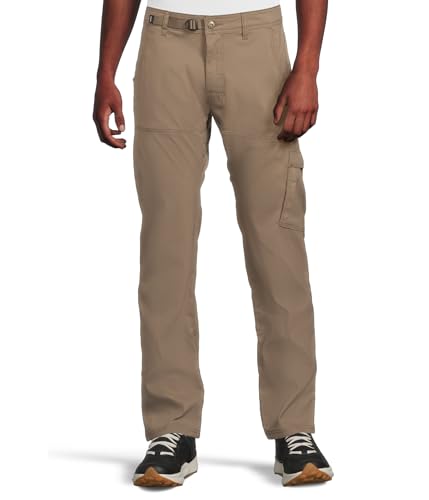
prAna Men’s Zander Knicker Pants

TBMPOY Men’s Lightweight Waterproof Quick Dry Pants

Rapoo Cargo Pants Ripstop Tactical 7 Pockets
Meet The Standout Selections
Climbers chasing shoulder-season routes know the wardrobe headache: cool morning approach under alpine sun, warm afternoon on the wall. The NATUVENIX convertible pants solve it by zipping from full-length trousers to shorts at the knee, so you pack one garment instead of two. The quick-dry shell keeps drizzle from soaking through on damp limestone approaches.
For multi-sport travelers who fly into a destination and climb straight from the airport, these eliminate the need to pack a separate pair of shorts. The fabric feels light enough to wear all day without that heavy, waterlogged sensation after a sweaty approach.
Where It Excels
- Zip-off legs convert from pants to shorts in under a minute, useful when the weather swings mid-route.
- Quick-dry construction means a damp brush-bash dries out before the next pitch.
- Lightweight fabric packs small in a haul bag or carry-on.
- Versatile enough for travel days, rest days, and gym sessions alike.
Things To Consider
- Convertible zippers add a small pressure point against bare skin when worn as shorts with a pack on the hips.
- The lightweight build trades some abrasion resistance for packability.
Who It Suits Best
Climbers tackling variable-elevation objectives where temperature swings dictate what you wear on the approach versus the wall.
Consider Something Else When
You want burly alpine-grade durability for granite or multi-day routes, in which case the SITKA Gear Mountain Pant is the stronger match.
Built for hunters who spend weeks in tough terrain, the SITKA Gear Mountain Pant translates well to climbers who need the same kind of burliness on granite and alpine rock. The shell handles scree fields and brushy approaches without tearing, and the patterning leaves room for a harness and knee pads underneath.
For trad climbers hauling pads through manzanita or alpine climbers schlepping to a remote wall, the reinforced construction earns its keep. This sits at a different tier than the lightweight NATUVENIX convertible: where that one is about versatility, this is about surviving the worst the approach dished out.
Practical Pluses
- Tough outer fabric resists abrasion from rock, brush, and crampon points on the approach.
- Cut accommodates a climbing harness and belay parka without binding at the hips.
- Engineered for long days in harsh mountain weather.
- Durable build suited to multi-day objectives and bushwhacking descents.
Points To Note
- Availability fluctuates, so planning ahead helps.
- Heavier than travel-oriented pants, which matters on long walk-ins or weight-sensitive trips.
Built With In Mind
Serious alpine and big-wall climbers who treat approach gear as mission-critical and need reinforced construction for hostile terrain.
Where Another Pick Suits Better
For pure gym sessions and short sport crags where burliness is overkill, the prAna Zander Knicker Pants keep things lighter and more breathable.
Knicker-length climbing pants fill a niche the rest of this list ignores: warm-weather bouldering and casual crag days where full-length coverage feels like too much. The prAna Zander Knicker uses an organic cotton and spandex blend, which trades technical synthetic performance for everyday comfort and a softer feel against the skin.
The cropped cut sits above the calf, leaving room for high socks on cooler evenings and avoiding the bunching that happens when full-length pants meet climbing shoes. For climbers who treat the crag like a community gathering spot as much as a workout, this looks and feels at home in the parking lot and at the brewpub afterward.
Real-World Strengths
- Organic cotton and spandex blend offers a softer, broken-in feel from day one.
- Knicker length stays clear of shoe tongues during technical footwork.
- Medium-regular fit works for most body types without tailoring.
- Breathable cotton handles summer crag sessions without that clammy synthetic feel.
Honest Caveats
- Cotton absorbs water and dries slowly, so wet grass or rain leaves you damp for hours.
- Knicker cut offers no lower-leg protection for thorny bushwhacks.
- Lacks the technical features of dedicated alpine shells.
Whose Shelf It Belongs On
Gym climbers and warm-weather boulderers who prioritize comfort and casual style over rugged technical performance.
A Better Fit Elsewhere
For cold alpine starts or damp approaches, the SITKA Gear Mountain Pant offers weather protection the cotton Zander simply cannot match.
Humid crags and tropical destinations punish climbers with damp, clammy pants that never dry out. The TBMPOY lightweight pants target that exact problem with waterproof and quick-dry construction aimed at anglers and travelers, which translates neatly to wet rock approaches and riverside bouldering. The marketing leans into fishing, but the feature set suits climbers just as well.
For El Potrero Chico trips, Vancouver Island rainforest routes, or any destination where rain is the default forecast, these keep you moving when cotton or standard synthetics would leave you soaked. They feel more like activewear than traditional climbing pants, which is a feature for some and a downside for purists.
The Good Stuff
- Waterproof shell sheds rain and puddle splashes on damp approaches.
- Quick-dry fabric recovers fast after stream crossings or sweaty hikes.
- Lightweight build compresses small for travel and backpacking trips.
- Functional for climbing, fishing, and casual wear without a wardrobe change.
Worth Noting
- Waterproof membranes trade breathability for weather protection, so humid days can feel clammy.
- Less abrasion resistance than the burlier SITKA Mountain Pant.
Right Fit For
Climbers who chase wet weather and humid crags where staying dry matters more than maximum abrasion resistance.
Reach For A Different Pick When
You need rough-terrain durability for alpine granite or bushwhack descents, in which case the Rapoo Cargo Pants deliver stronger ripstop construction.
Trad climbers schlepping racks through poison oak and boulderers hauling four crash pads down a steep trail share a problem: most climbing pants are not built for the approach, only the wall. The Rapoo tactical cargo pants flip that priority with ripstop fabric and seven pockets, designed for people who carry a lot of gear across rough ground.
The look leans tactical rather than technical-climbing, which means it works fine at the crag but stands out at a sport-climbing gym. The trade-off pays off for anyone who treats pants as an organizational tool as much as apparel.
Standout Benefits
- Ripstop weave resists small tears from granite edges and thorny brush.
- Seven pockets carry brushes, tape, topo cards, snacks, and a phone without a chalk bag overflow.
- Breathable build handles long, sweaty approaches in warm weather.
- Reinforced construction stands up to repeated kneeling and scrambling.
Trade Offs
- The tactical aesthetic reads less “climber” and more “outdoor worker,” which matters at polished gyms.
- Extra pockets add weight and bulk compared with minimalist climbing pants.
Best Suited To
Trad climbers, mountaineers, and bushwhackers who need storage and durability over a sleek technical look.
Swap It Out When
You climb mostly at indoor gyms or short sport crags, where the prAna Zander Knicker Pants offer a more streamlined fit.
What to Weigh Before Choosing Climbing Trousers
Climbing trousers break down into three categories: approach-built, route-ready, and everything-else hybrids. Approach-built pants like the SITKA Mountain Pant and Rapoo tactical prioritize abrasion resistance and storage for schlepping gear. Route-ready options like the prAna Zander Knicker focus on mobility and comfort at the wall. Hybrids like the NATUVENIX convertible and TBMPOY waterproof sit between the two, trading some specialty for versatility.
Fabric weight matters more than most shoppers expect. Lightweight synthetics dry fast and pack small, but they tear on sharp granite. Heavyweight ripstop and treated cotton survive abuse but add bulk to your pack and heat to your legs in summer. For most climbers, a midweight synthetic with stretch panels handles the widest range of conditions without committing to one extreme.
Fit around the knee and thigh determines how the pant actually performs on rock. Tight knees fight high steps and heel hooks; loose knees flap on slabs and catch wind. Look for articulated patterning or gusseted crotches if you climb routes with dynamic movement. The waist should sit comfortably under a harness without bunching, since a tight waistband digs in after three pitches of belaying.
Finally, think about your typical climate and approach. Wet climates reward waterproof shells like the TBMPOY. Dry, brushy environments demand ripstop. Hot summer crags breathe better in knickers or zip-offs. Matching the pant to your most common scenario saves money and frustration over time.
Smart Shopping Pointers
Where Shoppers Go Wrong
The most common trap is buying pants built for the wall and expecting them to survive the approach. Technical climbing fabrics often use thin weaves that feel great under a harness but shred on manzanita or granite slabs. Match the construction to your longest, roughest approach, not your easiest gym session. Climbers who ignore pocket layout also regret it fast: traditional placements, tape, and a phone all need somewhere to live, and pockets in the wrong spot just get in the way.
When Paying More Pays Off
Higher-tier pants like the SITKA Mountain Pant justify their cost through fabric engineering, reinforced seams, and patterning designed around a harness and pack. You pay for abrasion resistance that survives a season of granite and weatherproofing that holds up under real rain. The upgrade is worth it for climbers who log dozens of days per year in rough terrain, but casual gym climbers rarely need that level of durability. Spending up makes sense when your pants get used hard, and savings make sense when they mostly hang in a locker.
Frequently Asked Questions
What is the best fabric for climbing trousers?
Synthetic blends with stretch panels, such as nylon-spandex or polyester-elastane mixes, balance durability, breathability, and mobility better than pure cotton or basic nylon. Cotton feels comfortable but absorbs water and dries slowly, while pure synthetics lack the give needed for high steps.
How should climbing trousers fit?
They should sit close to the skin without restricting knee bend or thigh movement, with enough room at the waist to wear a harness comfortably. Tight pants fight heel hooks and high steps; loose pants catch on holds and flap awkwardly on slabs.
Are convertible pants good for climbing?
Convertible pants work well for climbers tackling variable climates or multi-sport trips where weather changes mid-day. The zip-off feature adds weight and a potential pressure point, so they are less ideal for pure alpine routes where streamlined layering matters more.
Do I need reinforced knees for climbing?
Reinforced knees help for trad climbing, alpine scrambles, and approaches that involve kneeling or crawling through talus. Sport climbers on clean rock rarely need them, since most wear doesn’t happen at the knee.
How do I care for technical climbing pants?
Wash them in cold water on a gentle cycle and avoid fabric softener, which clogs moisture-wicking coatings. Line drying preserves water-resistant treatments longer than machine drying, which slowly breaks down technical fabrics over time.
Bottom Line
The right climbing trousers depend on where you climb, how you get there, and how much gear you carry. Match the build to your terrain, prioritize fit around the knee and harness, and treat fabric weight as a real trade-off rather than a spec to chase. A pant that disappears on the rock is the only one worth buying.