
Sport climbing punishes your feet more than almost any discipline. Steep overhangs, tiny chip holds, and long sessions on plastic demand a shoe that smears well, edges precisely, and stays comfortable enough to keep climbing through a third burn. The right fit can change how routes feel, especially when you progress from gym bouldering onto real outdoor sport lines.
Below is a curated mix of seven options that touch different points on the climbing-shoe spectrum. You’ll find dedicated climbing shoes built for performance, plus a few adjacent choices worth knowing about. Use it to narrow your shortlist before you commit.
The Lineup, Simplified

UBFEN Womens Barefoot Shoes Wide Toe Box Zero Drop
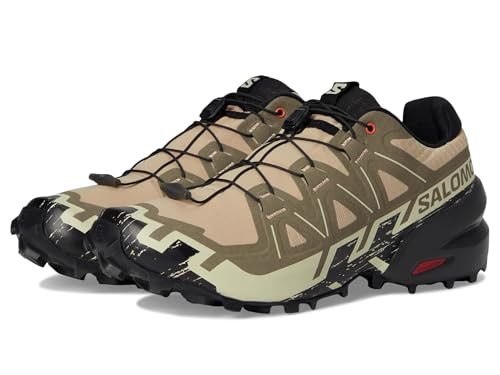
Salomon Mens Speedcross 6

La Sportiva Unisex-Adult Low Rise Hiking
UBFEN Womens Barefoot Shoes Minimalist Zero Drop

UBFEN Womens Barefoot Shoes Minimalist Wide Toe Box

UBFEN Womens Retro Sneakers Microfiber Suede Mesh

Tenaya Iati Rock Climbing Shoe
What Each Pick Brings To The Table
The UBFEN Barefoot sits in an interesting gray zone for sport climbers. It’s not a technical climbing shoe, but the wide toe box and zero-drop geometry (a flat profile with no elevation between heel and forefoot) make it appealing for foot-strengthening work between sessions. Beginners recovering from foot pain on aggressive downturned shoes may appreciate the natural foot splay it encourages.
Think of this as a training companion rather than a wall-day shoe. It earns its place on warm-up hikes to the gym, mobility drills at home, and casual days when you want your toes to spread out.
Points In Its Favor
- Roomy toe box lets toes splay naturally, which many climbers use for foot-strength training
- Zero-drop platform encourages better ankle and calf alignment off the wall
- Lightweight enough for travel days and gym-bag carry
- Versatile enough for errands before or after a session
Things To Consider
- Lacks the sticky rubber rand and downturn shape needed for edging or heel hooking on sport routes
- The flexible sole will not support your foot on small footholds the way a proper climbing shoe does
Who Will Love This
New climbers wanting an everyday shoe that doubles as mobility training gear between gym visits.
Look Elsewhere When
You want real performance on vertical or overhanging sport routes, where the Tenaya Iati Rock Climbing Shoe is the stronger choice.
Real sport climbing happens at outdoor crags, and getting there usually means a half-mile scramble up a loose trail. The Salomon Speedcross 6 is built for exactly that approach work. Aggressive lugs bite into mud and scree, so your feet stay planted when you’re hauling a rope and rack toward the base.
This is not a wall shoe, so don’t expect it to smear on granite. It earns its keep on the walk-in, the walk-out, and any scrambling between pitches your route demands. Compared with the La Sportiva entry below, the Speedcross runs lighter on the foot.
Well-Handled Touches
- Deep, widely-spaced lugs shed mud effectively on wet approach trails
- Lightweight construction reduces fatigue over long hike-ins to remote crags
- Reinforced toe cap protects against rock kicks and root stubs
- Quick-lace system lets you tighten or loosen without removing gloves
Trade-Offs To Consider
- The aggressive tread makes it clumsy on slabby indoor floors and gym carpet
- Not designed with sticky rubber for actual climbing moves, only the walk to the wall
- Run warm in summer canyon approaches, depending on your sock choice
Key Product Details
Built With In Mind
Outdoor climbers tackling long approaches in mixed terrain who want a shoe that handles mud and scree confidently.
Another Choice May Suit
For climbers who want sticky rubber for both approach and easy wall moves, the La Sportiva Unisex-Adult Low Rise Hiking model bridges the gap better.
La Sportiva has been outfitting climbers for decades, and the TX-series approach shoes reflect that lineage. The Unisex-Adult Low Rise Hiking option carries the brand’s climbing DNA into a sturdier hiking package, with a toe rand that resists abrasion when you kick steps into talus. The Vibram-style outsole grips rock with the kind of stickiness that translates to safer scrambling.
Where the Salomon Speedcross 6 prioritizes fast trail running, this one leans into durability and rock contact. That makes it a stronger pick when your crag approach involves scrambling sections where you’d rather not switch shoes.
What Earns Its Place
- Climbing-inspired toe rand protects against abrasion on sharp rock
- Sticky rubber outsole grips wet and dry rock with confidence
- Durable upper construction handles year-round crag abuse
- Low-profile design keeps your foot close to the rock for technical terrain
Worth Noting
- Heavier than a dedicated trail-running approach shoe, so long flat approaches feel slower
- Stiffer sole reduces walking comfort on flat pavement between trailheads
- Not a substitute for a real climbing shoe on the wall itself
Right Fit For
Climbers whose routes require technical approach scrambling before they ever clip a first bolt.
Consider Something Else When
Your local crag sits at the end of a smooth fire road, where the lighter Salomon Speedcross 6 makes more sense.
The second UBFEN entry on this list shifts the focus to slab climbing and foot placement. With a true 0mm heel-to-toe offset and an ultra-flexible rubber outsole, it sends ground feedback straight to your foot. Beginner climbers often find this helps them feel small edges and smears more accurately than a stiff approach shoe ever could.
It also serves as solid everyday footwear for climbers who care about foot health. Unlike the UBFEN Barefoot from earlier in this list, this one leans more minimalist, with thinner soles that prioritize feel over cushion.
Positive Takeaways
- Ultra-flexible outsole bends naturally with your foot, supporting toe articulation on technical moves
- Anatomical toe box gives your forefoot room to splay during long sessions
- Zero-drop geometry encourages natural posture on and off the wall
- Lightweight enough to toss in a gym bag without bulk
Some Limits To Know
- Minimal cushioning may feel harsh during all-day standing on hard gym floors
- Not suited for edging performance needed on hard sport climbs
- Lacks a heel cup for precision heel hooks
Quick Facts
Whose Shelf It Belongs On
Climbers working on slab technique and foot placement who want maximum sensitivity from their shoe.
Not Your Match When
You need real edging performance on vertical sport routes, where the Tenaya Iati Rock Climbing Shoe delivers far more precision.
If wide forefoot comfort tops your priority list, this third UBFEN entry earns attention. The wide toe box here feels noticeably roomier than standard sneakers, giving toes room to spread during long gym days. The zero-drop profile keeps your posture aligned while you rest between burns.
Beginners often appreciate this style because aggressive climbing shoes can cramp their feet and end sessions early. You won’t smear like a Tenaya, but you’ll be comfortable waiting your turn at the wall.
A Few Strong Suits
- Wide forefoot reduces pressure during multi-hour gym visits
- Minimalist design supports natural foot mechanics
- Comfortable enough for all-day wear between climbing days
- Light and packable for travel to indoor gyms
Room For Improvement
- Doesn’t offer the structural support needed for edging performance
- Lacks the sticky rubber rand that defines true climbing shoes
- Limited protection against rock abrasion at the toe
Perfect Match For
Climbers with wider feet who want a comfortable everyday shoe for gym days and casual approach walks.
Reach For A Different Pick When
You actually want to climb hard sport routes, where the Tenaya Iati Rock Climbing Shoe is purpose-built for the job.
The UBFEN Retro steps away from barefoot geometry and leans into something softer. A microfiber suede and mesh upper gives it a broken-in feel straight out of the box, which is rare in this price range. Climbers who log long days at the gym often appreciate letting their feet breathe after aggressive rubber sessions.
This is recovery-wear territory. It belongs in your post-climb routine, the coffee stop afterward, and the easy walk home.
Positive Points
- Soft microfiber suede molds to your foot with minimal break-in
- Mesh paneling promotes airflow after sweaty sessions
- Lace-up closure lets you dial in a relaxed fit
- Retro styling works well for casual everyday wear
Points To Note
- Suede uppers require care around wet rock and muddy approach trails
- Not designed with the structural support that climbing shoes need
Best Suited To
Climbers looking for a comfortable, breathable shoe to wear after sessions or on rest days.
A Better Fit Elsewhere
When you need a shoe for actual sport climbing performance, the Tenaya Iati Rock Climbing Shoe is the obvious upgrade.
Finally, a true climbing shoe on a list full of lookalikes. The Tenaya Iati is purpose-built for sport climbing performance, with a moderate downturn that helps you pull on steep terrain without the toe pain that pure competition shoes bring. It smears well on volumes, edges precisely on small chips, and handles heel hooks with enough structure to feel secure.
Tenaya built its reputation in European climbing gyms, and the Iati reflects that pedigree. Climbers stepping up from rental shoes often land here as their first real upgrade. The fit runs snug, so try it on before committing if you can.
Practical Pluses
- Moderate downturn balances performance with all-day comfort
- Sticky rubber rand grips smears and small edges confidently
- Secure heel cup supports heel hooks on steep sport routes
- Single-strap closure allows quick fit adjustments between burns
Points To Keep In Mind
- Snug sizing requires careful selection, especially if you’re between sizes
- Higher-tier sticky rubber needs occasional cleaning to maintain grip
- Not a multi-use shoe; treat it as wall-only gear for longest life
Feature Snapshot
Who Should Grab It
Intermediate climbers ready to invest in a dedicated shoe for gym and outdoor sport climbing performance.
Skip It When
You’re still in the rental-shoe phase and want something more forgiving, where the La Sportiva Unisex-Adult Low Rise Hiking option offers a gentler entry.
Matching Climbing Shoes To Your Climbing Style
Choosing a climbing shoe isn’t just about color or brand prestige. Three attributes tend to drive most of the difference in feel and performance on the wall.
Last shape and downturn. The last is the foot-shaped mold around which a shoe is built. Aggressive downturns pull your toes into a hooked position for steep sport climbing and bouldering, while flat lasts keep your foot neutral for crack climbing and long routes. Beginners often find moderate downturns easier to tolerate for multi-hour gym days.
Closure system. Velcro straps come off fast between burns, laces dial in a precise fit, and slipper-style shoes skip hardware entirely for barefoot-like comfort. Sport climbers prioritizing quick transitions tend to prefer Velcro.
Sole stiffness. Soft soles smear well on indoor volumes and outdoor slabs, while stiffer soles edge better on small chips. Stiff soles also wear longer between resoles, which matters if you climb frequently.
Smart Choices Across The Climbing Shoe Aisle
Common Mistakes Worth Avoiding
New climbers often grab the most aggressive shoe they can find, assuming downturned equals better. In practice, an overly downturned shoe on a beginner foot ends sessions early and may discourage training altogether. Most climbers climb better in a moderately downturned shoe that fits their actual foot shape.
Another common trap is treating approach shoes like climbing shoes. The Salomon Speedcross 6 and La Sportiva entry on this list excel on the trail but won’t smear on plastic. Mixing roles wears sticky rubber out fast and leaves you without the precision you need on the wall.
Why Higher-End Shoes Cost More
Premium climbing shoes like the Tenaya Iati use Vibram-grade sticky rubber, structured rands, and lasted construction that holds shape over years of use. That durability and sensitivity come at a price, but for climbers logging three or more sessions per week, the difference in grip and longevity pays for itself. Entry-level options work fine for occasional gym visits, though frequent climbers benefit from stepping up once their foot strength and technique mature.
Frequently Asked Questions
Do I need different shoes for indoor and outdoor sport climbing? Not necessarily. A versatile shoe like the Tenaya Iati handles both well. The bigger difference comes between climbing shoes and approach shoes, since outdoor crags usually require hiking footwear too.
How tight should climbing shoes fit? Your toes should reach the front without painful cramping, and there should be no dead space at the heel. New climbers often go too tight; you want snug, not numb.
How long do climbing shoes last? With regular gym use, expect roughly six months to a year before resoling. Outdoor climbers on rough rock may see faster wear.
Can I use running shoes for climbing? Running shoes lack the sticky rubber rand that defines climbing footwear. Approach shoes work for the walk-in only, not the wall.
Should I size down from my street shoe? Most climbers go at least a half-size down from their everyday fit. The exact amount depends on the shoe’s last shape and your comfort tolerance.
Closing Remarks
The right climbing shoe depends on where you climb, how often, and what kind of foot you have. Beginners benefit from forgiving fits and supportive approach footwear, while intermediate and advanced climbers usually want the precision of a dedicated shoe. Mix and match from this list to cover both your wall time and your walk to the crag.