
Whether you’re stepping into your first bouldering gym or chasing harder outdoor lines, the right pair of climbing shoes changes everything. Fit, downturn shape, rubber compound, and closure type all shift the experience on the wall, and a poor match can leave your feet aching long before your forearms give out. This roundup cuts through the noise with seven focused options for men who want traction, comfort, and a shoe that actually matches their climbing style.
The Picks In Brief

Merrell Moab 3 Hiking Shoe

Merrell Moab 3 Mid Hiking Boot
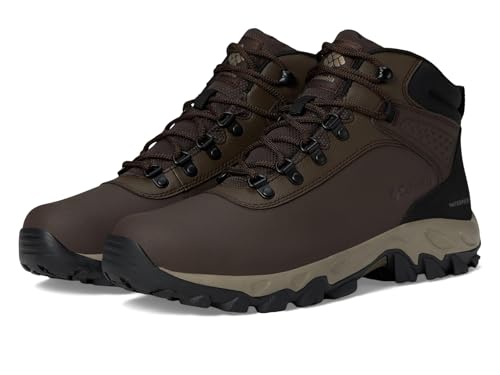
Columbia Newton Explorer

Merrell Moab 3 Mid Waterproof Hiking Boot

KEEN Targhee 4 Low Waterproof Hiking Shoe

KEEN KS86 Retro Style Sneaker
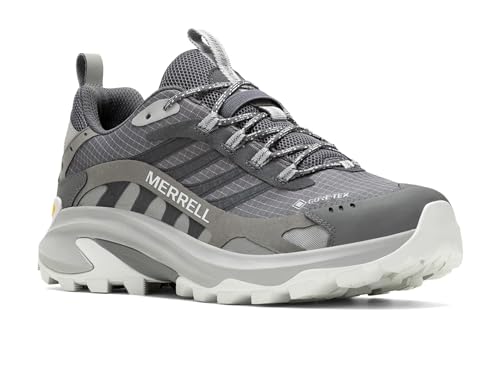
Merrell Moab Speed 2 GTX
The Strengths Of Each Pick
The Merrell Moab 3 sits in that sweet spot where a low-cut approach shoe still feels substantial underfoot. Compared with the burlier Moab 3 Mid reviewed next, this version trades ankle coverage for agility on scree fields and slabby trail sections. Climbers who hike twenty minutes to a wall and want a single shoe that handles the walk and the scramble will appreciate the low profile.
It’s the kind of shoe that disappears on your foot once you’re moving. The Vibram outsole (a high-traction rubber compound trusted across hiking and approach categories) grips loose rock without feeling clumpy, and the breathable upper keeps feet happier on warm spring days. If you’re walking flat pavement to a gym or actual trail miles to a cliff, it handles both without fuss.
The Upside
- Low-cut design keeps ankles free for technical footwork on rocky descents.
- Vibram outsole offers reliable grip on loose gravel and damp rock.
- Breathable upper helps on warm-weather approaches to sunny crags.
- Easy to slip on and off at the trailhead when switching to climbing shoes.
Trade-Offs To Consider
- No waterproof membrane, so wet grass and puddles soak through quickly.
- Limited ankle support means rough terrain with a heavy pack may tire your feet sooner.
- Stock can be patchy, so you may need to size up or down carefully when reordering.
Best Suited To
Gym climbers and day-trip craggers who want one shoe that walks well and handles light trail use without bulk.
Look Elsewhere When
You haul a heavy trad rack over rough terrain for miles; the Merrell Moab 3 Mid Hiking Boot gives you the ankle support and structure that long-haul hikers need.
The Moab 3 Mid takes everything the low-cut Moab 3 does well and adds a mid-height collar that wraps the ankle. For climbers hiking into remote walls with full racks, this extra support matters more than most buyers expect. Roll an ankle three miles from the car and your day is over, so the mid-cut design earns its place.
Unlike the low Moab 3, this version leans toward serious trail duty. The same Vibram outsole carries over, and the cushioned midsole softens long-haul days. You give up some ankle flexibility for stability, which is a fair trade on rough descents with a loaded pack.
Everyday Perks
- Mid-cut collar stabilizes ankles on uneven ground with heavy loads.
- Vibram outsole delivers the same trusted grip found on the low-cut sibling.
- Cushioned midsole reduces foot fatigue on multi-hour approach hikes.
Points To Keep In Mind
- Heavier and warmer than the low Moab 3, so it’s overkill for short, flat approaches.
- Not waterproof, so stream crossings and wet snow mean soggy feet.
- Stiffer build takes a few wears to break in fully around the ankle.
Quick Facts
Right Fit For
Trad and alpine climbers tackling steep, rocky approaches with heavy packs who value ankle security over lightweight feel.
Swap It Out When
You mostly walk flat pavement or short gravel paths to your local gym; the Merrell Moab 3 Hiking Shoe is lighter and more breathable for that workload.
The Columbia Newton Explorer brings something different to the table: a waterproof leather build aimed at climbers who don’t shy away from wet approaches. Where the Moab 3 leans on breathability, this shoe leans on weather protection. Spring cragging in the Pacific Northwest or shoulder-season limestone sessions both benefit from dry feet on the walk in.
The Techlite midsole (Columbia’s lightweight EVA-based foam) softens the ride without weighing the shoe down, and the Omni-Tech waterproof breathable membrane works to keep water out while letting heat escape. Compared with the KEEN Targhee 4 reviewed later, the Newton Explorer runs a touch more athletic in shape, so it transitions well from trail to scramble.
Positive Takeaways
- Waterproof leather upper keeps feet dry through wet grass and shallow puddles.
- Techlite midsole balances cushioning with low weight for long walks.
- Omni-Tech membrane helps manage interior moisture during active approaches.
- Sleeker profile than chunky boots, easier to edge on rocky sections.
Small Caveats
- Leather upper runs warmer than mesh, so summer cragging may feel stuffy.
- Break-in is longer than synthetic options, especially across the toe box.
- Waterproof membranes eventually wear, so expect reduced performance after heavy use.
Made For
Climbers in damp climates or shoulder seasons who log wet, muddy approaches and want dry feet waiting at the crag.
Consider Something Else When
You climb mostly in dry, hot conditions; the Merrell Moab 3 Hiking Shoe breathes noticeably better in summer heat.
When the trail turns into a creek crossing and the forecast looks grim, the waterproof version of the Moab 3 Mid earns its keep. This boot wraps the ankle, sheds weather, and keeps moving when lesser shoes would have soaked through. Climbers tackling alpine starts at dawn or rainy desert splitters in spring will recognize the value immediately.
Compared with the non-waterproof Moab 3 Mid reviewed earlier, this version adds a membrane that breathes modestly while blocking water. The trade-off is warmth: your feet stay drier but run hotter. That’s a worthwhile exchange when the alternative is trench foot after three creek hops.
Positive Points
- Waterproof membrane handles stream crossings and wet brush with confidence.
- Mid-cut collar supports ankles on uneven, rocky terrain.
- Vibram outsole grips slippery rock and wet roots effectively.
- Durable construction holds up across multi-season use.
Things To Consider
- Warmer than the non-waterproof Moab 3 Mid, so summer use can feel toasty.
- Heavier build may tire out fast-and-light hikers on long days.
- Membrane breathability has limits, so socks can get damp from sweat on hard efforts.
Feature Snapshot
Whose Shelf It Belongs On
Alpine climbers and year-round adventurers who face wet, cold approaches and need one boot that handles all of it.
Where A Sibling Pick Shines
You mostly hike dry trails in mild weather; the Merrell Moab 3 Hiking Shoe stays cooler and lighter for that everyday use.
KEEN built the Targhee 4 around a wider, foot-shaped last that gives toes room to splay naturally. Climbers with broad feet who feel pinched in standard lasts often describe slipping into the Targhee as relief. The roomy toe box also accommodates thick socks on cold days or foot swelling during long descents.
The KEEN.DRY waterproof lining keeps water from sneaking in through seams, and the direct-attach construction (where the upper is bonded to the sole for a tighter seal) reduces weak points over time. Against the Merrell Moab 3 Hiking Shoe, the Targhee trades a slimmer profile for that signature generous fit.
Practical Advantages
- Roomy toe box suits wide-footed climbers and accommodates foot swelling.
- KEEN.DRY waterproof lining protects against wet approaches.
- Direct-attach construction creates a durable, long-lasting bond.
- All-terrain traction handles loose rock, dirt, and roots confidently.
Worth Noting
- Bulkier silhouette than slimmer approach shoes, less nimble on technical scrambles.
- Wider fit may feel loose for climbers with narrow heels.
- Waterproof lining adds warmth, which can feel uncomfortable in hot weather.
Perfect Match For
Wide-footed climbers seeking all-day comfort on long, variable approaches where foot splay and weather protection matter.
Not Your Match When
You want a slim, agile shoe for short technical approaches; the Merrell Moab Speed 2 GTX offers a sportier, faster feel.
The KS86 steps outside the trail-shoe category entirely. KEEN designed it as a retro-styled sneaker that still carries the brand’s wider last and aggressive tread. Climbers heading from the gym to coffee, or traveling to a climbing destination and wanting one pair that works for everything, will find this format surprisingly useful.
Where the Targhee 4 above leans trail-tough, the KS86 leans street-smart. The recycled mesh or eco-friendly leather upper sets the tone, and the tread pattern borrows enough from hiking shoes to handle light gravel and urban terrain. It’s not a technical approach shoe, but that’s not its job.
Useful Highlights
- Retro styling works for everyday wear beyond climbing contexts.
- Wider last carries KEEN’s signature comfortable fit for broad feet.
- Recycled mesh or sustainable leather upper options for eco-conscious shoppers.
- Aggressive tread handles light trail and urban terrain with ease.
Room For Improvement
- Not designed for serious trail duty or technical approaches.
- Lacks waterproofing, so wet weather means wet feet.
- Sneaker cushioning is softer than hiking shoes, so long carries feel less supportive.
Who Should Grab It
Climbers who want one shoe for gym sessions, casual wear, and travel days without packing a separate pair.
Reach For A Different Pick When
You’re hiking real trails to a crag; the Merrell Moab 3 Hiking Shoe is built for that workload and grips trail surfaces far better.
The Moab Speed 2 GTX is Merrell’s answer to climbers who want trail-running DNA in a hiking shoe. Where the classic Moab 3 favors comfort and stability, this version slims down, speeds up, and adds a GORE-TEX membrane (a premium waterproof lining known for reliable weather sealing). Long-distance approaches and fast pack-ins both feel more responsive.
The Vibram TC5+ outsole is formulated specifically for Merrell and uses new traction lugs for grip on technical terrain. Against the roomy KEEN Targhee 4 reviewed above, the Moab Speed 2 GTX feels narrower and more athletic, which is exactly the point for climbers who log vertical miles.
The Practical Payoff
- GORE-TEX membrane delivers reliable waterproofing in wet conditions.
- Vibram TC5+ outsole with traction lugs grips technical, uneven ground.
- Athletic profile encourages a faster, more efficient stride on long approaches.
- Lower stack height improves ground feel for careful foot placement.
Honest Trade-Offs
- Narrower fit may feel tight on wide-footed climbers used to roomier lasts.
- GORE-TEX adds warmth, so hot summer days can feel uncomfortable.
- Premium construction commands a higher cost than entry-level Moab options.
Who Will Love This
Fast-and-light climbers tackling long alpine approaches and varied terrain who want trail-runner agility with hiking-shoe support.
A Better Fit Elsewhere
You have a wider foot or prioritize all-day plush comfort over speed; the KEEN Targhee 4 Low Waterproof Hiking Shoe offers a roomier, cushier ride.
Choosing Approach Shoes That Match Your Climbing
The right climbing approach shoe depends on terrain, distance, weather, and foot shape. Cut height sets the tone: low-cut designs like the Moab 3 Hiking Shoe and Targhee 4 favor agility and breathability for short walks, while mid-cut boots add ankle support for rough trails and heavy loads. Waterproofing matters most in damp climates or shoulder seasons; breathable mesh wins in dry, warm conditions. Outsole compound, typically Vibram rubber, determines grip on loose rock and wet roots. Fit is personal; wide-footed climbers often find KEEN’s roomier lasts more comfortable, while narrow-footed shoppers may prefer Merrell’s snugger profile.
Rubber Compound And Grip
Climbing approach shoes lean on sticky rubber outsoles for traction on slab and scree. Vibram is the most common name in this space, but specific blends like Vibram TC5+ on the Moab Speed 2 GTX offer upgraded grip for technical terrain. Softer compounds grip better but wear faster; harder compounds last longer but feel less precise on small holds.
Closure, Weight, And Break-In
Lace closures let you dial in fit across the midfoot, while the upper material affects break-in time. Leather takes longer to soften but molds to your foot over time; synthetic mesh breaks in fast but offers less custom shaping. Weight matters on long approaches; every extra ounce adds up across multi-hour hikes.
Matching Shoe To Crag
Gym-only climbers can wear almost anything with decent grip, but crag approach shoes need to handle trail, scramble, and rock transitions. Alpine climbers should prioritize waterproofing, ankle support, and traction. Boulderers hiking short distances benefit from lighter, lower-profile shoes that store easily in a pack.
Key Considerations Across These Picks
Mistakes Worth Dodging
Sizing approach shoes like casual footwear is a common slip-up; your foot swells during long hikes, so a thumb’s width of toe room prevents bruised nails on descents. Skipping waterproofing to save cost often backfires when an unexpected rainstorm hits mid-approach. Choosing boots that are too stiff for short approaches wastes energy on every step.
When Paying More Pays Off
Premium approach shoes like the Moab Speed 2 GTX earn their higher cost through lighter construction, upgraded traction rubber, and reliable waterproof membranes. Climbers logging dozens of trail days per season feel those differences quickly; weekend warriors may not. The upgrade makes sense when your approach is long, technical, or weather-dependent, and falls flat for short, flat walks to a gym.
Frequently Asked Questions
Do I need waterproof climbing shoes?
Waterproofing helps on wet trails and stream crossings, but membranes add warmth and reduce breathability. Climbers in dry climates or summer-only sessions can save weight by skipping waterproof models.
How do approach shoes differ from regular hiking shoes?
Approach shoes feature stickier rubber outsoles, lower-profile soles, and closer-to-foot fit for better rock feel. Regular hiking shoes prioritize comfort and support over precision on technical ground.
Should I size down for a snugger fit?
Sizing down improves edging on rock but causes pain on long walks. Most climbers benefit from a true-to-size or slightly roomy fit for approaches, then switch to tighter climbing shoes at the crag.
How long do approach shoe outsoles last?
Outsole life depends on terrain and rubber compound. Sticky Vibram compounds wear faster on pavement but grip rock better; harder compounds last longer but feel less precise on small holds.
Can I use approach shoes for actual climbing?
Light scrambling and easy fifth-class terrain are fine, but technical climbing demands specialized climbing shoes with sticky rubber rand and downturn shapes that approach shoes lack.
Bottom Line
Climbing shoes for men come in many shapes, but the right pick matches your terrain, weather, and foot. Start with the Moab 3 Hiking Shoe if you want a versatile daily driver, reach for the Moab Speed 2 GTX when speed and weather protection matter, and consider the KEEN Targhee 4 if your feet run wide. Match the shoe to the crag, and your feet will thank you on every approach.