
A solid climbing gym bag does more than haul a harness. It carries chalk-dusted shoes, a sweaty post-session kit, and the rope, quickdraws, and tape you need for weekend trips to the crag. After a long session you want everything sorted in one place, not leaking chalk across your back seat. The four picks below cover different routines, from everyday bouldering commutes to overland hauls of gear.
A Closer Look At The Lineup

adidas Unisex Defender 4.0 Gym Duffel

WISEPACK Gym Bag with Shoe & Wet Pocket
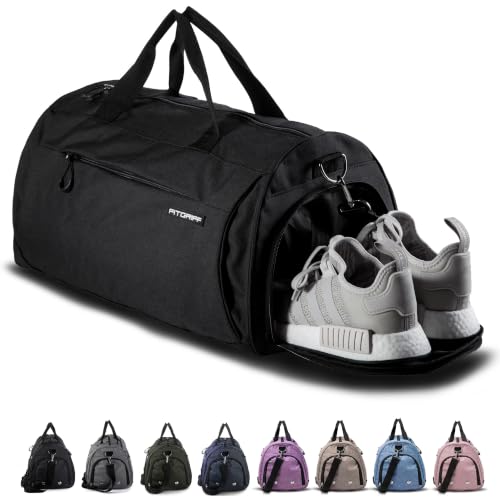
Fitgriff Gym Bag with Shoe & Wet Compartment
K-Cliffs Heavy Duty Cargo Duffel
More On The Choices That Made The List
For climbers heading indoors three or four nights a week, a straightforward duffel that takes a beating is hard to beat. The Defender 4.0 sits in the medium gym-bag sweet spot: roomy enough for shoes, harness, chalk bag, a change of clothes, and a small towel, without dragging on a crowded locker room bench.
The base material is water-resistant, which is the detail that matters most for gym use. Sweat-soaked shirts and damp post-session layers tend to sit against the bottom of most duffels, so a base that shrugs off moisture helps the rest of your kit stay dry on the walk home. Compared to the WISEPACK on this list, the adidas skips a dedicated shoe compartment in favor of a wider main opening.
Advantages To Know
- Water-resistant base keeps chalk dust and post-session sweat from soaking through.
- Wide main opening makes it easy to toss a rope or puffy jacket in last-minute.
- Classic duffel shape slides into most gym lockers and overhead bins.
- Unisex sizing means shared closets stay simple.
- Recognized sports brand tends to hold resale value if you rotate gear often.
Trade Offs
- No dedicated shoe pocket, so climbing shoes ride loose against clean clothes unless you bag them.
- Standard duffel length can be awkward on bikes or crowded transit.
Quick Facts
Made For
Indoor climbers who session a few times a week and want a fuss-free, gym-only duffel that handles sweat and chalk without complaint.
Look Elsewhere When
You want a built-in shoe pocket for cleaner separation. In that case, the Fitgriff Gym Bag with Shoe & Wet Compartment is a stronger fit.
Climbers who fly to destinations like Bishop, Las Vegas, or Fontainebleau have a different problem: a carry-on that holds shoes, wet clothes, and a laptop, then slides onto a roller bag. The WISEPACK is built for that exact juggling act, with a footprint that fits most airline under-seat rules.
The integrated trolley sleeve is the standout feature for travel. It slips over a rolling suitcase handle so the duffel rides along instead of cutting into your shoulder, which matters after a red-eye with a heavy pack on the way to a climbing hostel. The dry-wet separation also helps when you check out of a climbing gym hotel and head straight to the airport. A “tote” style opening keeps quick-grab items reachable without unpacking the whole bag.
Where It Delivers
- Airplane-friendly dimensions keep it in the cabin on most carriers.
- Trolley sleeve stacks cleanly on rolling luggage for airport walks.
- Dry-wet split handles sweaty post-session laundry on travel days.
- Lightweight construction stays under most airline weight limits even when packed.
Worth Noting
- Not built for hauling a full trad rack; capacity favors clothes and shoes over hardware.
- Lightweight shell can feel thin against sharp carabiners and crampon points.
- Cleaner look requires occasional wipe-down since chalk dust shows on lighter fabrics.
Feature Snapshot
Right Fit For
Climbers who fly or take long bus rides to gyms and need a single bag that handles a weekend trip plus a carry-on.
Swap It Out When
You mostly drive to a local gym and want something roomier. The K-Cliffs Heavy Duty Cargo Duffel handles larger loads for road-trip crag sessions.
Bouldering sessions usually mean a small kit: shoes, chalk, tape, a snack, and a post-session shirt. The Fitgriff is sized for that reality, so you are not lugging a full-size duffel up three flights of stairs to a bouldering wall. For after-work sessions where you change in the parking lot, the compact profile is a real win.
The shoe compartment sits at one end, a smart layout that keeps rubber soles and chalk residue away from clean clothes. The wet pocket on the other end handles a damp towel or a rinsed sports top. Compared to the adidas Defender, the Fitgriff trades overall volume for organization, which most gym-only climbers will appreciate.
A Few Strong Suits
- Separate shoe pocket keeps chalk and rubber away from clean kit.
- Wet pocket handles damp post-session clothes without soaking the rest.
- Compact dimensions suit climbers who commute light.
Points To Keep In Mind
- Small interior leaves no room for a rope or rack.
- Compact size can feel cramped for users with larger feet or extra gear like a brush set.
Best Suited To
Bouldering-focused climbers who head to the gym after work and want a tidy, organized kit without extra bulk.
A Better Fit Elsewhere
You regularly travel to climbing destinations. The WISEPACK Gym Bag with Shoe & Wet Pocket is built for carry-on use and longer trips.
For multi-pitch days, sport crag weekends, or hauling hardware for a small crew, a duffel needs to swallow a rope, harness, helmet, shoes, draws, slings, and layers, all in one go. The K-Cliffs is the oversized option here, designed to ride in a trunk or on a roof rack rather than a locker room bench.
The wide cylindrical shape means ropes coil flat at the bottom and gear stacks on top without fighting for space. Its reinforced build also handles hardware weight, which is where lighter gym-only duffels tend to strain at the seams. Compared to the compact Fitgriff, this is a different category entirely: less about daily organization, more about volume and durability.
A Few Highlights
- Oversized capacity fits a rope, harness, helmet, and a small rack in one bag.
- Cylindrical shape helps ropes coil evenly to avoid tangles.
- Heavy-duty shell is built to take sharp hardware and rough car camping.
Honest Caveats
- Too large for daily gym use or most lockers.
- Cylinder shape is awkward to stack in a closet.
- Empty weight feels high when used for short sessions.
- Wide opening offers less organization than compartmented gym bags.
Who Should Grab It
Climbers planning weekend crag trips or road-trip sessions who need one bag for a full kit plus group gear.
Skip It When
You mostly climb indoors after work. The adidas Unisex Defender 4.0 Gym Duffel is a more practical daily choice for that routine.
What To Weigh Before Choosing A Climbing Gym Bag
Capacity And Session Length
The biggest decision is matching bag size to your typical session. A 20-liter compact bag handles a bouldering evening with shoes, chalk, and a shirt, while a 50+ liter duffel swallows a full trad rack for a weekend at the crag. Climbers who split time between indoor bouldering and weekend sport trips often end up owning two bags, and there is no shame in that.
Material And Chalk Resistance
Chalk dust gets into everything, and sweaty post-session clothes sit at the bottom of most duffels. A water-resistant base or treated shell helps the bag last longer and keeps clean layers from picking up grit. Look for reinforced stitching at stress points like the haul handles, since loaded gym bags put a lot of force on those seams.
Compartments And Organization
A dedicated shoe pocket keeps rubber and chalk residue away from clean clothes, which is a meaningful upgrade if you change in your car or a small gym locker room. A wet pocket adds similar separation for post-session laundry. Climbers who carry less gear can get by with a single wide-opening duffel, but anyone hauling a packed lunch and a work laptop appreciates the split layout.
Carry Style And Travel Needs
Tote handles, shoulder straps, and trolley sleeves each serve different routines. Cyclists and walkers benefit from crossbody or backpack-style straps. Frequent flyers need a carry-on-friendly footprint and a sleeve that slides over rolling luggage handles. Anyone driving to the crag can prioritize volume over carry comfort.
Practical Notes Before You Pick
Common Slip Ups To Dodge
A lot of shoppers pick the biggest duffel on the shelf and end up with an oversized bag for daily gym use. Bigger is not better when the bag does not fit in a locker or feels heavy on a short walk. Another common miss is ignoring the base material: thin nylon looks fine in the store but absorbs moisture fast, leading to musty smells after a few sweaty sessions. Look for a treated or water-resistant base and match size to your typical session, not your biggest trip.
Where The Extra Money Goes
Premium climbing gym bags tend to spend the upgrade on heavier denier fabric, reinforced base panels, and better zippers. Those details show up after a season of use: cheaper bags fray at the seams where the strap meets the body, while upgraded versions hold up through rain, scuffs, and heavy loads. For occasional use, a basic duffel is fine. For daily commuters or frequent travelers, the upgrade usually pays for itself in longevity alone.
Frequently Asked Questions
What size bag works best for indoor climbing?
Most indoor climbers do well with a medium duffel around 20 to 30 liters. That holds shoes, harness, chalk, a small towel, and a change of clothes without dragging on a crowded locker room bench.
How do you keep chalk dust out of a gym bag?
A separate chalk bag or a small zip pouch inside the duffel contains loose chalk, and brushing shoes before packing them reduces the residue that spreads. A treated or water-resistant base also helps chalk dust wipe clean instead of embedding in the fabric.
Are gym bags allowed as carry-on for flights?
Many gym duffels fit carry-on dimensions, but it depends on the specific measurements and your airline. Bags around 45 × 25 × 25 cm usually clear under-seat rules, and a trolley sleeve makes airport walks much easier.
Can one bag work for both gym and crag trips?
A medium duffel can stretch to short crag sessions, but multi-pitch or trad days usually need more volume. Climbers who do both commonly keep a daily duffel and a larger cargo bag, using the right tool for each session.
What features matter most for sweaty post-session clothes?
A water-resistant base, a wet pocket, and a separate shoe compartment make the biggest difference. Together they keep clean clothes dry and stop chalk and rubber from migrating across the rest of your kit.
The Takeaway
The right climbing gym bag depends on how and where you climb most. Daily gym sessions favor compact, well-organized picks like the Fitgriff or the adidas Defender, while travelers and crag-bound climbers get more value from the WISEPACK or the K-Cliffs. Match the bag to your routine, and the rest of your gear stays cleaner, drier, and easier to grab when it counts.