
A solid rack of climbing cams anchors your safety margin on every trad line, from fingertip cracks in Yosemite granite to wide bowls in the alpine. Choosing the right mix matters because no single size or brand covers every placement, and the wrong cam in a flared pod can compromise an otherwise clean ascent. This roundup walks through seven camming devices that span micro sizes to mid-range workhorses, with notes on real-world use and trade-offs. Trad climbers building their first rack and seasoned partners refreshing worn gear should find a useful match below.
The Picks In Brief
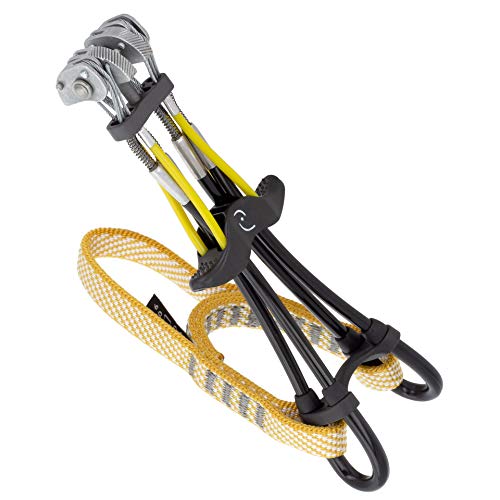
Totem Climbing Cam – Yellow 0.80

Totem Climbing Cam – Purple 1.00

Black Diamond Camalot C4 Set

Wild Country Friend Rock Climbing Cams

Totem Climbing Cam – Green 1.25

Totem Totem Cam-.5

DMM Dragonfly Cam
A Breakdown Of The Leading Choices
The Yellow 0.80 sits in a useful mid-range slot where many trad routes concentrate their placements, and it earns that spot with a patented Direct Loading system that shifts force across the lobes differently than a conventional cam. On real rock that translates to a piece that holds even when only two lobes engage, which matters in the irregular pods you meet on multi-pitch routes.
The narrow head profile helps when threading the unit into constrictions or flared seams, and the flexible stem resists the walking that drags a placement downward over a long pitch. Compared with the Wild Country Friend’s broader double-axle stance covered later, the Yellow 0.80 threads into tighter pockets without sacrificing lobe surface contact.
Useful Strengths
- Two-lobe loadability keeps the piece active in shallow, off-center pockets where conventional cams can go slack
- Narrow head width eases placement and removal in constricted cracks, saving energy on long pitches
- Flexible stem geometry limits the downward shift that drags placements into unsafe positions over a route
- Sits in the size range where most moderate trad routes concentrate their protection, so it sees frequent rack use
Things To Consider
- Stem flex is a feature but requires a careful visual check before weighting, since over-flexed placements feel different than a rigid-stem unit
- Specialized lobe geometry means cleaning stuck pieces calls for a steady hand and the right tool
Key Specs
Right Fit For
Trad climbers building a focused mid-range rack for moderate multi-pitch routes where placement quality varies from crack to pocket.
Skip It When
You want a single set covering a full protection range; the Black Diamond Camalot C4 set offers broader size coverage for rack starters.
The Purple 1.00 is a workhorse size that covers the parallel-sided hand cracks common on moderate routes, and Totem’s four-lobe equalization keeps the load balanced even when the rock shape is imperfect. You feel that balance when the cam seats without a fight and holds through the rope drag of a long traverse.
The flexible stems reduce walking over the length of a pitch, and the trigger geometry stays comfortable when wearing light alpine gloves on cold morning starts. Where the Yellow 0.80 earlier specializes in tight pockets, this Purple unit stretches across wider parallel placements with steady holding power.
The Case For It
- Four-lobe equalization maintains active contact in off-axis placements where some lobes may not engage fully
- Diagonal micro-teeth on friction surfaces add bite in slick rock types like polished limestone
- Easy-handling trigger works comfortably through cold-weather gloves during alpine starts
- Flexible stems resist downward walking on wandering multi-pitch lines
Worth Noting
- Equalized lobe design adds a small learning curve for trad climbers used to conventional four-lobe cams
- Larger size demands careful racking organization to keep the trigger accessible mid-route
Whose Shelf It Belongs On
Alpine and multi-pitch climbers who want confident placements in parallel-sided cracks where stem flex and lobe equalization extend the unit’s working range.
Reach For A Different Pick When
You climb thin finger cracks more than hand-sized features; the DMM Dragonfly Cam reviewed later handles narrower placements with less bulk.
The Camalot C4 set is a foundation many climbers build their first rack around, and the redesigned line pairs a lighter body with maintained strength across a wide size span. For trad climbers moving from top-rope into gear-protected leads, the size range covers the placements encountered on most moderate routes without leaving obvious gaps.
The double-axle design, common to modern cams, broadens each unit’s working range so fewer pieces cover more ground. Compared with the Totem units already covered, the Camalot leans toward conventional geometry that trad mentors and guidebooks reference most often, which simplifies the learning curve.
The Good Stuff
- Complete set covers the size span needed for building a trad rack from scratch
- Reduced weight compared with prior generations benefits long alpine approaches
- Conventional double-axle design is widely documented in guidebooks and instruction
- Color-coded slings make quick size identification at hanging belays
Trade Offs
- Larger set means more weight on the harness, which climbers on long walk-ups may notice
- Conventional lobes do not match the two-lobe loadability that the Totem Yellow 0.80 brings to shallow pockets
- Buying the full set at once stretches a gear budget compared with adding pieces over time
Feature Snapshot
Who Should Grab It
Trad climbers building a rack from scratch who want a single purchase covering the full moderate-route size range.
Consider Something Else When
You mostly climb finger-size cracks and value micro placement; the Totem Totem Cam-.5 covered below specializes in the tight end of the spectrum.
The Friend carries the weight of being the original camming device for trad climbing, and the modern redesign keeps the geometry that defined the category while updating materials. The 13.75° camming angle traces back to the original design and has proven itself across decades of route development.
Hollow dual axles cut weight where it counts without sacrificing the placement range that made the Friend famous. The extendable Dyneema sling helps on wandering routes where rope drag would otherwise pull your placements sideways. The Totem Purple 1.00 reviewed earlier offers a different lobe philosophy; the Friend sticks closer to a conventional feel that many climbers find intuitive.
Everyday Wins
- Original 13.75° camming angle gives predictable placement behavior climbers learn quickly
- Dual-axle design broadens each unit’s working range so fewer sizes cover more ground
- Extendable Dyneema sling reduces rope drag on long wandering pitches
- Hollow axle construction trims weight compared with solid-axle predecessors
Small Caveats
- Original design heritage means fewer modern refinements compared with newer double-axle offerings
- Hollow axles require occasional inspection for hairline damage after heavy use
Made For
Trad climbers who prefer the original camming geometry and want a brand with deep history in protection development.
Look Elsewhere When
Your climbing emphasizes alpine efficiency where the lightest possible rack matters; the Black Diamond Camalot C4 set’s reduced weight may suit those days better.
The Green 1.25 steps into the wider-crack territory where flared pods and chimney-style placements challenge conventional cam designs. Totem’s independent lobe loading lets each lobe engage the rock on its own terms, which pays off when one side of a crack is solid and the other side is soft or crumbly.
You notice the difference in placements where a rigid-stem cam would bridge across an inconsistent gap and only two lobes contact. The Green sits between the Purple 1.00 already reviewed and the larger Totem sizes, bridging the gap for cracks that are too wide for hand-sized units but not quite chimney-sized.
Standout Benefits
- Independent lobe loading handles irregular walls where one side of a crack is solid and the other is not
- Fills the wider-crack size slot that hand-sized units cannot reach
- Direct Loading system keeps the piece active across the lobes that engage
- Useful as the anchor piece in wide-crack sections of moderate multi-pitch routes
Room For Improvement
- Larger head width means it does not reach the tight pockets the Yellow 0.80 covers
- Specialized loading design has a learning curve for climbers new to the Totem approach
Best Suited To
Climbers who encounter wide flared cracks and want a placement that stays active when only partial lobes contact the rock.
A Better Fit Elsewhere
You mostly climb hand-sized parallel cracks; the Totem Purple 1.00 is a tighter match for that geometry.
The Totem Cam-.5 lives at the smallest end of the camming range, where finger-tip cracks and shallow pods stop accepting standard units. The same Direct Loading system found in the larger Totem Yellow and Purple units applies here, meaning the piece holds even when only a fraction of the lobes reach the rock wall.
For climbers approaching the grades where small gear matters most, this unit extends the rack into placements that would otherwise go unprotected. Where the DMM Dragonfly Cam reviewed next also targets the small-crack range, the Totem Cam-.5 leans on a different lobe philosophy that some climbers find grips more predictably in shallow pockets.
Notable Upsides
- Reaches the placement sizes where most rack sets leave a gap
- Direct Loading keeps the piece active in shallow pockets common at the small end of the range
- Useful addition for alpine routes where protecting thin cracks determines the grade
- Matches the design language of larger Totem units for rack consistency
Points To Keep In Mind
- Small units demand careful trigger control and slower placement pace to avoid the cam skipping past the constriction
- Lightweight construction means more frequent inspection after falls or rough handling
Feature Card
Who Will Love This
Climbers tackling thin cracks at higher grades who need protection in the size range that standard cams leave uncovered.
Not Your Match When
You climb moderate routes with wider placements; the Totem Yellow 0.00 or Purple 1.00 covers the mid-range more efficiently.
The Dragonfly sits at the small end of the camming range, where narrow heads and flexible cables earn their place in tight finger cracks. The size 1 unit is among the smallest certified climbing cams on the market, and the full set covers placements from roughly 7.4mm up to 28.3mm, filling the range where finger-tip cracks concentrate.
The TripleGrip lobes with their raw aluminum surface improve bite on slick rock, and the ergonomic thumb loop keeps the trigger accessible when fingers are cold or tired. Where the Totem Cam-.5 above also targets small placements, the Dragonfly leans on a narrower head that reaches deeper into thin cracks.
What Stands Out
- Covers the smallest certified cam range with a head that reaches deep into finger-tip placements
- Raw aluminum lobe surface adds friction on slick rock where polished cams might slip
- Extendable Dynatec sling trims weight while keeping placements extendable on long pitches
- Pairs naturally with the larger DMM cam range for climbers standardizing on one brand
Some Limits To Know
- Specialized small-crack range means it does not substitute for a mid-size rack workhorse like the Totem Purple 1.00
- Lightweight construction warrants careful inspection after significant falls or ledge impacts
Quick Facts
Perfect Match For
Climbers pursuing alpine objectives and finger-crack testpieces where small gear quality sets the difficulty.
Swap It Out When
You mostly climb moderate hand-crack routes; the Wild Country Friend covered earlier covers that range with broader lobe geometry.
Key Attributes To Weigh When Buying Climbing Cams
A climbing cam (also called an active camming device or spring-loaded camming unit) is a mechanical piece of protection that expands inside a crack to create an anchor. Understanding a few core attributes helps your rack match the rock you climb.
Camming Angle and Stem Behavior The camming angle determines how aggressively the lobes spread inside a crack. A 13.75° angle, like that on the Wild Country Friend and DMM Dragonfly, places and cleans predictably in standard placements. Flexible stems, found across the Totem range, reduce walking on long pitches but require a visual check before weighting to confirm proper seat.
Size Coverage and Rack Gaps Most trad routes concentrate placements in three size bands: finger-tip cracks (small), hand-sized parallel cracks (mid), and wide flared pods (large). A balanced rack covers all three bands rather than doubling up on the mid range. Climbers building a first rack benefit from a set like the Black Diamond Camalot C4 lineup that spans the full range.
Lobe Geometry and Loading Style Conventional double-axle cams distribute force evenly when all four lobes engage. Totem’s Direct Loading system handles partial engagement, keeping the piece active in shallow pockets where only two lobes reach the rock. For climbers tackling irregular placements, this difference matters more than spec sheets suggest.
Sling and Weight Trade-offs Extendable Dynatec and Dyneema slings cut weight and reduce rope drag on long routes, but they add a small bulk factor on the harness. Alpine climbers prioritize weight savings; sport-leaning trad climbers may prefer the simpler fixed slings found on some entry-level units.
Key Considerations Across These Picks
Pitfalls Shoppers Hit
One common slip is buying only mid-range sizes and ignoring the small and large ends of the spectrum, leaving rack gaps on routes that require micro or wide protection. Another mistake is choosing cams based on color or brand familiarity without matching the size range to the local rock type. Climbers in granite-heavy areas often need more small units; those climbing desert sandstone encounter wider placements more often.
Where The Extra Money Goes
Premium cam designs invest in specialized lobe geometry, lighter alloys, and extendable sling systems that translate to better placement behavior in tricky rock. Spending more typically buys you confidence in marginal placements rather than basic security in standard cracks. For climbers pushing into harder grades or longer routes, that confidence justifies the cost.
Frequently Asked Questions
What size climbing cams should I start with?
Begin with a set covering finger-tip through hand-sized cracks, roughly 0.5 to 2 inches in placement width. Add smaller or larger units once you know the rock types you climb most.
How many cams do I need for a basic trad rack?
A double set across six sizes covers most moderate trad routes. Climbers pursuing longer alpine objectives often add duplicates in the most-used mid-range sizes.
Can climbing cams be used in frozen or wet cracks?
Wet cracks reduce cam holding power and require extra care; frozen cracks risk damage to the lobes during placement and removal. Dry rock produces the most reliable placements.
How often should climbing cams be inspected?
Inspect cams visually before and after each use, and retire any unit that shows bent lobes, cracked stems, or damaged slings. Annual professional inspection catches issues climbers miss.
Do I need different cams for trad and alpine climbing?
Alpine climbing rewards lighter gear, so weight savings from designs like the Black Diamond Camalot C4 lineup matter more on long approaches. Trad climbing at a single crag focuses on placement quality rather than weight.
Bottom Line
Building a climbing cam rack comes down to matching your size coverage to the rock you climb and balancing conventional designs with specialized lobe geometry where the placements demand it. Start with a set spanning the mid range, then fill the gaps at the small and large ends as your routes require. The seven options above give you a working shortlist from heritage double-axle geometry to specialized load-distribution designs, and your rack will thank you for choosing based on placement scenarios rather than brand alone.