
The right pair of climbing boots shapes how every step feels, from scrambly trailheads to muddy ridgelines and snowy schoolyard hikes. Most people choose by color or brand, then regret it on the second trip. The seven picks below cover kids’ winter boots, grippy ice accessories, lightweight leather hikers, and rugged tactical silhouettes, so you can match the boot to the actual ground you’ll cover.
The Shortlist At A Glance

LANLEO Kids Merino Wool Hiking Socks Crew

Sesame Street Kids Winter Hiking Snow Boots

Columbia Men’s Fairbanks Low Hiker

Giggleway Kids Stainless Steel Ice Cleats

Columbia Men’s Newton Ridge Plus II Waterproof
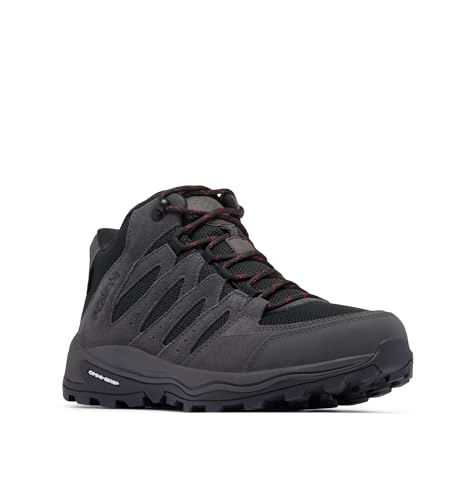
Columbia Men’s Redmond IV Mid Waterproof
Coostar Tactical 8-Inch Waterproof Boots
The Strengths Of Each Pick
Socks rarely make a list of climbing boots, but the right pair can turn a frozen hike into an enjoyable one for kids. The LANLEO crew uses merino wool, a natural fiber known for trapping warmth while wicking moisture away from the skin, which matters more than the boot shell when temperatures drop.
For families who head out on cold shoulder-season walks, these socks slot in under any of the kids’ boots in this roundup. You may find the cushioning noticeably plusher than standard cotton gym socks, which is exactly what little feet need on a long walk back from the trailhead.
Features That Help
- Merino blend manages moisture so feet stay drier on sweaty hikes.
- Thick cushion zone softens impact on rocky or root-covered paths.
- Crew height tucks inside taller kids’ boots without bunching.
- Thermal construction helps on days when a regular sock just won’t cut it.
Things To Consider
- Merino socks usually need air-drying rather than a hot dryer to hold their shape.
- Thick knit can feel snug inside narrow kid boot lasts.
Whose Shelf It Belongs On
Parents building a cold-weather kit for kids who hike, sled, or just walk to a frosty bus stop.
Swap It Out When
Snow-day playground use calls for the waterproof Sesame Street kids’ boot, which handles wet slush better than any sock alone.
Getting little ones into winter boots is half the battle, and a familiar character print can change the mood entirely. The Sesame Street boot is a winter hiking style for kids, sized for the “Little Kid” range, so it covers preschool through early elementary.
Pair these with the LANLEO merino socks above and you’ve got a real winter setup for short hikes, school recess, and weekend sledding. The traction pattern works for packed snow and icy sidewalks, though you may want the Giggleway ice cleats for genuinely slick patches.
Good Reasons To Consider
- Character graphics take the friction out of getting boots on.
- Insulated winter build suitable for short hikes and playground use.
- Little Kid sizing aligns with most preschool-age foot charts.
- Side-grip outsole pattern gives reasonable hold on packed snow.
Worth Noting
- Not a technical climbing boot, so scrambles on bare rock need adult-sized traction.
- Fabric uppers can wet out if kids wade through deep slush.
Made For
Families who want a friendly, kid-approved boot for snow play and easy winter walks.
Reach For A Different Pick When
You’re heading onto a longer, wetter trail and need real waterproofing; the Columbia Men’s Newton Ridge Plus II Waterproof handles that workload.
The Fairbanks Low is the lightest hiker in the men’s Columbia line covered here, and the design leans into long-distance comfort. A suede leather upper sits over breathable mesh webbing, so the boot holds shape on rocky trails without cooking your feet on summer ascents.
The Techlite midsole is Columbia’s EVA-based cushioning platform, which absorbs repeated foot strikes better than a stiffer wedge sole. Underneath, the Omni-Grip outsole is built with multi-directional lugs, which are the raised rubber teeth that bite into soft dirt and scree. Compared with the heavier Newton Ridge further down this list, the Fairbanks trades ankle support for a nimbler feel.
Useful Highlights
- Suede leather upper resists abrasion on granite scrambles.
- Mesh webbing lets heat escape on warm-weather climbs.
- Techlite midsole softens heel strike over many miles.
- Omni-Grip outsole holds steady on loose gravel.
- Low-cut profile suits trail runners who want hiking shoe structure.
Room For Improvement
- Low height leaves the ankle exposed on uneven, rocky ground.
- Not fully waterproof, so stream crossings will soak the lining.
Key Attributes
Right Fit For
Day hikers who rack up miles on warm, dry trails and want a lighter alternative to a full boot.
A Better Fit Elsewhere
Wet-weather backpackers get more value from the Columbia Newton Ridge Plus II Waterproof, which seals out rain far better.
Ice cleats aren’t a boot at all; they’re a traction accessory you stretch over existing footwear. The Giggleway kids’ model uses stainless steel spikes, which stay sharper longer than the mild steel found on cheaper units, and fits over toddler through youth boot sizes.
For families in northern climates, these turn a regular kid’s winter boot into something close to a crampon, a frame with spikes that grips ice and hard snow. They slip on for the icy section of the hike and come off at the trailhead so they don’t tear up car upholstery.
Strengths Worth Knowing
- Stainless spikes handle repeated freeze-thaw cycles without rusting fast.
- Stretchy harness fits over shoes, boots, and even some sneakers.
- Sized for toddlers through youth, so it grows with the kid.
- Light enough for short walks without dragging feet down.
Honest Caveats
- Spikes can scuff hardwood floors if kids forget to remove them at the door.
- Not a substitute for a real mountaineering crampon on steep ice.
Best Suited To
Parents who want a low-cost grip upgrade for any kid boot during icy winter months.
Look Elsewhere When
You’re buying a primary boot and not an accessory; the Sesame Street winter boot is a more complete starter pick.
The Newton Ridge Plus II Waterproof is the kind of boot you hand to someone who just signed up for their first multi-day trek. A waterproof membrane sits inside a suede-style upper, which is why the boot feels substantial in the box but stays relatively lightweight on the foot.
Compared with the Fairbanks Low, this is a noticeably burlier build with a mid-cut ankle collar, the padded section that wraps above the ankle bone for stability. That added structure pays off when the trail turns to scree, which is loose, broken rock that shifts under each step.
Positive Takeaways
- Waterproof membrane keeps socks drier through puddle crossings and rain.
- Mid-cut collar stabilizes the ankle on uneven ground.
- Suede-style upper balances durability with weight savings.
- Columbia’s standard hiking last accommodates thicker hiking socks.
Trade Offs
- Heavier than low-cut hikers on long flat trail sections.
- Waterproof membranes can feel warm on summer ascents.
Quick Facts
Built With In Mind
Beginner backpackers and weekend hikers tackling wet, muddy trails in shoulder seasons.
Consider Something Else When
You need tactical-duty performance; the Coostar 8-inch boot handles rough jobsite terrain more confidently.
The Redmond IV Mid sits a step above the Newton Ridge in Columbia’s trail lineup, mostly because the mid-cut collar extends higher around the ankle. That extra height is the main reason hikers reach for it when the trail turns to side-hilling across sloped ground.
The waterproof build is the same Columbia recipe applied to a sturdier last, so the boot stays comfortable on flat miles and dependable on rocky descents. Available in multiple color and size options, it offers more room for personal preference than the Fairbanks Low or Newton Ridge.
Standout Benefits
- Higher ankle collar adds confidence on off-camber ground.
- Waterproof construction handles wet grass and muddy switchbacks.
- Multi-color range lets you match the boot to your usual kit.
- Durable outsole tread holds up across varied trail surfaces.
- Familiar hiking last is friendly to most foot shapes.
Points To Note
- Mid-cut height adds weight compared to a low hiker.
- Stiffer break-in period than the Fairbanks Low mesh build.
- Premium pricing relative to entry-level hiking shoes.
Feature Snapshot
Who It Suits Best
Regular hikers who tackle uneven or rocky terrain and want extra ankle support without stepping up to a heavy backpacking boot.
Where Another Pick Suits Better
For lightweight day hikes on groomed trails, the Columbia Men’s Fairbanks Low covers the same brand reliability with less weight.
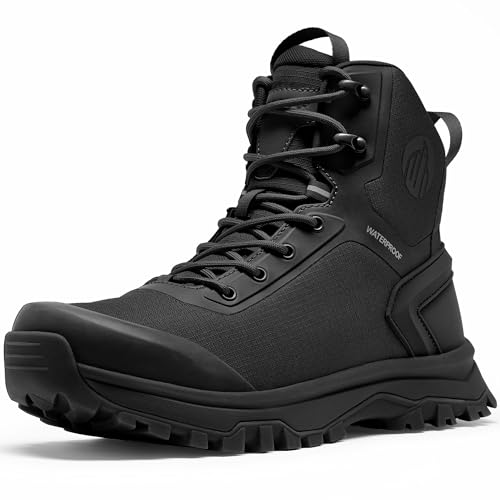
The Coostar tactical boot looks like it came off a military supply shelf, and that’s exactly the point. The 8-inch shaft climbs well above the ankle, the side zipper lets you skip the laces when you’re in a hurry, and the waterproof build shrugs off mud and puddles.
Where the Columbia hikers above lean toward trail use, this boot leans toward jobsite, range, and motorcycle duty. You may find it stiffer than a hiking-specific boot out of the box, but the side zipper saves real time on short transitions between work and walking.
Where It Excels
- 8-inch shaft protects the lower leg from brush, debris, and kickback.
- Side zipper reduces on-off time versus full lace hiking boots.
- Waterproof build stands up to wet jobsite conditions.
- Traction tread grips gravel, dirt, and pavement alike.
A Few Limitations
- Stiffer construction than dedicated hiking footwear.
- Heavier than low-cut trail hikers on long walks.
- Side zipper can become a wear point over time and may need attention.
Feature Rundown
Perfect Match For
People who split time between outdoor work, motorcycling, and rough terrain, and want one boot to handle all three.
Skip It When
Your hikes stick to marked trails and you value light weight; the Columbia Fairbanks Low handles trail miles far more comfortably.
Getting The Right Fit Before You Buy
Picking climbing boots comes down to matching the boot to the actual ground you’ll cover, not the ground you imagine covering. Most people over-buy for terrain they rarely visit, which leaves them with stiff, heavy boots on easy day hikes.
Match the boot height to your terrain. Low-cut hikers like the Columbia Fairbanks breathe well and feel quick underfoot, but offer little ankle support on rocky descents. Mid-cut boots such as the Columbia Newton Ridge Plus II Waterproof and the Redmond IV add a padded ankle collar that helps when the trail tilts sideways. Tall 8-inch tactical builds like the Coostar add the most protection, but they cost you weight and agility.
Waterproofing is a use-case decision, not a default. Waterproof membranes keep feet dry in rain and shallow crossings, but they trap heat on summer ascents. For warm-weather hiking, a non-waterproof suede and mesh build dries faster and breathes better.
Outsole rubber and lug pattern matter more than brand. Look for multi-directional lugs and a non-marking compound if you want hold on loose dirt without scuffing floors. A flat sole feels fine on pavement but slips on wet rock.
Don’t forget socks and traction add-ons. A merino crew sock like the LANLEO extends the comfort range of any boot in cold weather. For icy conditions, kid-friendly traction like the Giggleway ice cleats turns an ordinary boot into something closer to a crampon without buying new footwear.
Key Considerations Across These Picks
Pitfalls Shoppers Hit
The most common mistake is buying a boot one size too small because the lining packs out, when in reality a too-tight toe box causes blisters long before the leather breaks in. Another slip-up is choosing waterproof membranes for hot, dry climates, which leads to soaked socks from sweat rather than rain. Shoppers also tend to ignore weight; a boot that feels fine on a short loop can wear down a long-distance hiker by mile ten.
Where The Extra Money Goes
A higher-tier boot like the Columbia Redmond IV Mid typically costs more because of denser midsole foam, a taller ankle collar, and a more durable outsole compound. The trade-off is real weight and a longer break-in, so the upgrade only pays off if your terrain demands ankle support. For flat, dry trails, the lighter Fairbanks Low delivers the same traction in a much nimbler package.
Frequently Asked Questions
Do climbing boots need to be waterproof? Waterproofing helps in wet climates, muddy trails, and stream crossings, but non-waterproof boots breathe better on hot, dry hikes and dry out faster if they get soaked.
How long does a hiking boot typically last? Most leather and synthetic hiking boots handle several hundred trail miles before the outsole and midsole cushioning start to break down, though rocky terrain shortens that lifespan.
Can kids wear adult ice cleats? Adult cleats usually run too large and lack the harness adjustment for smaller boots; kid-sized traction like the Giggleway cleats fits more securely and stays on during active play.
Are tactical boots OK for hiking? Tactical boots work for short, rough hikes, but they’re heavier and stiffer than dedicated hiking footwear, so they’re less comfortable on long distances.
How do I break in new hiking boots? Wear them around the house and on short neighborhood walks before any multi-hour hike, loosening the laces for the first few outings to let the upper flex.
Final Verdict
The right climbing boot depends almost entirely on where you’ll actually walk: kids’ snow boots and merino socks for cold family outings, light hikers like the Fairbanks for warm trails, waterproof mids like the Newton Ridge for wet conditions, and a tactical 8-inch like the Coostar for rough work or range time. Match the boot to the terrain, give it a few short walks before a big trip, and the rest takes care of itself.