
Climbing bags come in more shapes than most folks expect. A bouldering chalk bucket, a rope tarp, a rugged travel duffel, and a simple chalk pouch solve different problems for different climbers. Whether you’re hauling rope to the crag, keeping chalk under control at the gym, or schlepping gear through an airport, the right bag changes the whole session.
This roundup walks through five options that each earn their spot for a specific reason. Some prioritize stability, others pack flat, and a couple lean hard into style without giving up function. Pick based on where and how you actually climb.
A Side-By-Side Look
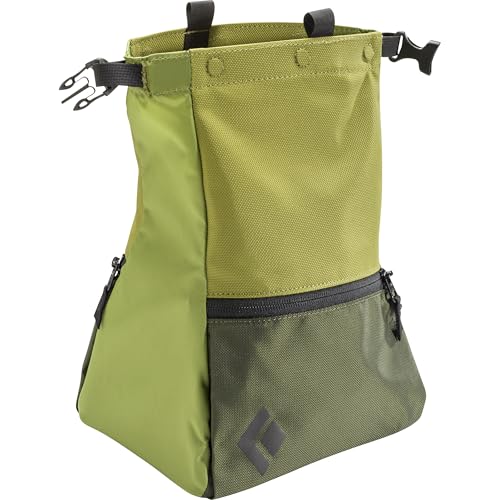
BLACK DIAMOND Mondo Chalk Pot

Oso Supply Co Retro Corduroy Bouldering Bucket
K-Cliffs Heavy Duty Cargo Duffel

Notch 450 Rope Bag

YY Vertical Rock Climbing Chalk Bags
Meet The Standout Selections
The Mondo Chalk Pot earns its spot as the go-to bouldering bucket for climbers who want structure without a soft, slumping pouch. Its wide-base cylinder sits firmly on the ground, so brushing holds between attempts doesn’t mean chasing a tipped-over bag across the gym floor. The roll-top seal cinches down tight for the hike out, keeping chalk from dusting the inside of your pack.
Brush holders on the rim accept a range of bristle sizes, which matters more than most climbers realize until they’re fumbling for the right brush mid-session. A zippered pocket swallows a phone and keys, two things that rarely fit comfortably in a standard chalk bag. Built from repurposed fabric in assorted colorways, each pot looks slightly different, a small detail that gives the bag some character.
Real Benefits
- Wide-base design stays put during energetic brushing sessions.
- Magnetic roll-top keeps chalk contained when sealing up.
- Brush holders fit multiple sizes for route reading variety.
- Zippered pocket securely stores a phone and keys.
- Repurposed fabric construction appeals to eco-minded climbers.
Things To Consider
- Larger footprint than a standard chalk bag, awkward in tight gym corners.
- Bulkier to pack on long approach hikes than a soft chalk pouch.
Who It Suits Best
Session climbers and dedicated boulderers who set up at a wall or pad for extended periods and need a stable, organized chalk station.
Consider Something Else When
Travelers hauling minimal kit will find the YY Vertical Rock Climbing Chalk Bag lighter and easier to toss in a carry-on.
Oso Supply Co leans into the retro part of the climbing-gear aesthetic without sacrificing modern function. Heavyweight corduroy in bold colorblocked panels gives this bucket real visual punch, the kind of bag that gets noticed leaning against the crash pad. Beneath the styling sits a large freestanding chalk bag with a magnetic roll-down closure that snaps shut cleanly.
Dual brush loops and zippered pockets handle the practical side, holding brushes, a phone, and small accessories within easy reach. The freestanding design keeps the bucket upright on the mat, so mid-session chalk-ups stay efficient. Corduroy wears differently than nylon, picking up character with use, which some climbers love and others may find harder to clean after heavy chalk buildup.
The Practical Payoff
- Heavyweight corduroy holds its shape over years of use.
- Magnetic closure seals cleanly without fiddling with drawstrings.
- Large capacity fits multiple chalk blocks and accessories.
- Dual brush loops accommodate varied brushing styles.
- Distinct colorblocked styling sets it apart from generic gym gear.
Points To Note
- Corduroy may trap chalk dust in the weave over time.
- Bolder styling may not appeal to climbers preferring low-key gear.
- Heavier fabric adds slight weight compared to nylon buckets.
Made For
Climbers who want gym gear that doubles as personal style and don’t mind a little extra fabric weight for the visual payoff.
Look Elsewhere When
Outdoor boulderers focused purely on function will get more out of the BLACK DIAMOND Mondo Chalk Pot’s repurposed-fabric build.
The K-Cliffs Cargo Duffel fills a different niche than chalk bags, serving climbers who haul hardware, ropes, harnesses, and travel kits in one rectangular pack. At roughly 21 by 10 by 9 inches, it slides into vehicle trunks and rooftop rack systems without awkward overhang, the kind of dimensional honesty that makes road-trip logistics easier.
Heavy-duty construction handles weight that would stretch a typical sport duffel, including drum hardware, climbing rigs, and camping gear for long weekends. The simple shape stacks flat in storage, unlike tapered bags that flop over. For climbers driving to the crag or sharing gear transport with bandmates, the rugged build earns its place.
Practical Advantages
- Rectangular profile maximizes trunk and rack space efficiency.
- Heavy-duty fabric handles sharp hardware edges without complaint.
- Flat sides allow stable stacking in closets or vehicle cargo areas.
- Versatile sizing works for climbing gear, sports equipment, or travel.
Room For Improvement
- Lacks dedicated chalk compartment or climbing-specific pockets.
- Softer handles under maximum loads may dig into the hands.
- Limited weather protection compared to fully sealed travel bags.
Best Suited To
Climbers combining gear transport with road trips, shared hauling duties, or rooftop rack setups who prioritize capacity over climbing-specific organization.
Skip It When
Climbers focused on rope-specific hauling should consider the Notch 450 Rope Bag for its tarp design and padded straps.
The Notch 450 Rope Bag is built for working climbers who treat rope as serious equipment rather than occasional gear. At 35 liters of capacity in a black and teal colorway, it carries enough rope for most job-site or training scenarios without dragging on the ground. The expanded volume comes from the brand’s popular 250 design with thoughtful upgrades layered in.
A integrated shroud helps flake rope faster and cleaner, which matters when you’re packing up at the end of a long day. Padded backpack straps convert the bag into a hands-free carry, useful when portaging gear across uneven terrain. Arborists, rope-access technicians, and trad climbers who manage long lines regularly will recognize the value.
Real-World Strengths
- 35L capacity handles full-length climbing or work ropes.
- Integrated shroud streamlines the rope-flaking process.
- Padded straps enable comfortable hands-free transport.
- Reinforced construction suits daily professional use.
Honest Caveats
- Larger size feels excessive for sport climbers managing shorter ropes.
- Specialized rope-bag design offers limited versatility for general hauling.
Who Should Grab It
Arborists, rope-access workers, and trad climbers who need reliable rope containment and hands-free carry on serious projects.
Not Your Match When
Bouldering-focused climbers chasing chalk organization will get more function from the BLACK DIAMOND Mondo Chalk Pot.
YY Vertical’s chalk bag is a straightforward entry point for climbers just starting out or anyone who wants a lightweight option that disappears into a pack. The drawstring closure keeps chalk contained even when you invert the bag on steep routes, a small detail that prevents the dreaded mid-climb chalk dump. Adjustable belt sizing fits adults and kids alike, making it a shared-family bag option.
Beyond climbing, it works for cross-training, gymnastics, and any activity where grip matters. The lightweight profile suits sport climbers focused on movement rather than gear volume. For parents buying a first bag for a kid in a youth climbing program, this hits the practical basics without overcomplicating things.
Practical Pluses
- Drawstring system prevents chalk spills on inverted climbs.
- Adjustable belt accommodates adults and youth climbers.
- Lightweight build suits long sport routes and travel.
- Versatile use across climbing, bouldering, and gymnastics.
Soft Spots
- Lacks the storage pockets of bucket-style chalk bags.
- Basic closure system may wear faster than magnetic alternatives.
- Limited capacity for climbers who prefer deep chalk reserves.
Perfect Match For
New climbers, parents buying for kids, and gym-goers who want a no-fuss chalk pouch that handles the basics reliably.
A Better Fit Elsewhere
Climbers wanting strong visual identity alongside function will appreciate the Oso Supply Co Retro Corduroy Bouldering Bucket’s bolder styling.
Choosing Climbing Bags That Match Your Routine
Start With Your Climbing Style
Bouldering demands a wide-based bucket or structured chalk bag that stays upright between attempts. Sport climbing leans toward lightweight chalk pouches that don’t interfere with movement overhead. Rope-heavy disciplines and professional work call for dedicated rope bags with capacity and transport features built in.
Match the bag to the discipline, not the other way around. A trad climber trying to use a standard sport chalk bag will struggle with brush storage and phone access, while a boulderer hauling a full rope bag is over-equipped for the gym.
Think About Transport and Storage
Approach hikes, vehicle setups, and apartment storage all shape which bag makes sense. Flat-profile duffels like the K-Cliffs stack cleanly in closets and trunks. Rope bags with backpack straps free up hands on longer carries. Chalk buckets with roll-top seals pack down smaller for travel days.
For climbers juggling multiple bags, consider how each one nests with the others. A chalk bucket that fits inside a larger duffel simplifies travel logistics considerably.
Capacity vs. Weight Trade-Offs
Bigger bags carry more chalk, gear, and accessories but add weight and bulk. Smaller chalk pouches stay out of the way during dynamic movement but run out of chalk faster during long sessions. Rope bags with 35L capacity handle full lines but feel excessive for half ropes or gym setups.
Balance the trade-off based on session length. Gym climbers logging 90-minute sessions need different capacity than outdoor boulderers spending a full day at the crag.
Material and Closure Details
Nylon and repurposed fabrics clean easily and resist chalk buildup. Corduroy and heavier weaves offer character but may trap dust in the texture. Magnetic closures seal faster than drawstrings but occasionally wear with heavy use.
Brush holders, zippered pockets, and belt adjustability all shape daily use. Climbers who carry a phone on the wall need a pocket. Brush-heavy route readers need multiple holders.
Key Considerations Across These Picks
Common Shopping Slip Ups
Many climbers buy a chalk bag sized for gym sessions and then feel under-equipped at the outdoor crag. Others grab a heavy-duty rope bag for sport climbing and end up hauling dead weight. Match capacity and features to your actual climbing frequency and discipline before committing.
Skipping the closure type comparison is another frequent miss. Drawstrings, magnetic seals, and roll-tops each behave differently on inverted moves and rough transport. Try to understand how each option handles real-world wear.
Where The Extra Money Goes
Higher-tier climbing bags invest in better fabrics, reinforced stitching, and thoughtful pocket layouts. Magnetic closures, padded straps, and integrated rope shrouds add cost but solve real problems. For climbers logging multiple sessions weekly, those upgrades reduce friction in ways that budget picks can’t match.
Premium materials also extend lifespan under heavy use. A well-built rope bag or chalk bucket typically outlasts several budget replacements, making the upgrade worthwhile for frequent climbers.
Frequently Asked Questions
What size chalk bag do most climbers need?
For gym bouldering, a wide-base bucket around the size of the Mondo holds enough chalk for full sessions. Sport climbers often prefer smaller, waist-mounted pouches like the YY Vertical for freedom of movement.
Can one bag work for both rope climbing and bouldering?
Not ideally. Rope bags like the Notch 450 prioritize rope containment and transport, while chalk buckets focus on chalk access and brush storage. Most climbers end up with at least two specialized bags.
How do you clean a corduroy chalk bag?
Empty loose chalk, shake out the interior, and brush the corduroy gently with a soft-bristle brush. Avoid soaking the fabric, which can set chalk residue deeper into the weave.
Are magnetic closures better than drawstrings?
Magnetic closures seal faster and feel more refined during quick chalk-ups. Drawstrings are simpler, lighter, and easier to repair in the field. Both work well when matched to the climber’s habits.
What should I look for in a rope bag specifically?
Capacity for your rope length, a tarp or shroud for clean flaking, padded transport straps, and reinforced base construction all matter. The Notch 450 covers these bases for most rope-focused climbers.
Closing Remarks
The right climbing bag matches your discipline, frequency, and transport habits rather than chasing the most features. A gym boulder’s setup looks very different from an arborist’s daily kit, and that’s exactly how it should be. Pick the bag that solves your actual problems, and it’ll earn its spot in your gear rotation for years.