
Winged clays leave you a fraction of a second to read the lead and pull the trigger. A good pair of shooting glasses keeps the target sharp in low light, shrugs off shell debris, and stays planted through a full round of doubles. The five pairs below cover the most common needs on a clay course, from bifocal sight picks for older shooters to featherlight frames for junior trapshooters learning the basics.
A Closer Look At The Lineup

SSP Eyewear Top Focal Ultra Kit

Beretta Challenge EVO Plastic Frame Glasses

Wiley X Saber Advanced

EDGE Urgent Fury ANSI Z87 Shooting Glasses
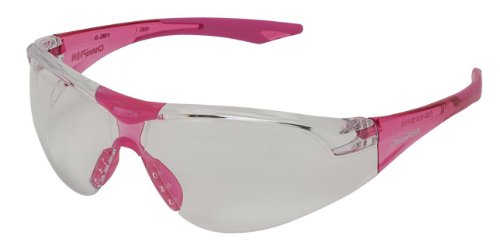
Champion Traps and Targets Youth Ballistic Glasses
The Strengths Of Each Pick
Front-sight focus gets fuzzy somewhere after your 40s, and that’s the exact gap the SSP Eyewear Top Focal Ultra Kit was built to close. Unlike the Beretta pair further down the list, this one delivers a magnifying segment anchored to the top of each lens, so a low shotgun rib or a high pistol sight both snap into clarity without forcing you to tilt your head.
What makes this kit genuinely useful on a sporting clays course is the way it bundles three lens tints into one carry. Amber pulls orange targets forward against wooded backgrounds, smoked handles bright noon glare, and clear keeps you legal at indoor ranges or low-light dusk shoots.
What Stands Out
- Top-mounted bifocal segment keeps your forward sight picture sharp without a head tilt
- Three tinted lens options cover early-morning, midday, and overcast shooting
- Anti-fog lens coating helps during humid summer rounds or rapid round counts
- Neoprene zip pouch keeps spare lenses organized in your range bag
- Single-frame swap system avoids juggling multiple glasses in the field
Things To Consider
- Bifocal power is fixed at one strength per pair, so verify the diopter matches your sight-reading distance before committing
- Owners commonly report the anti-fog coating benefits from occasional cleaning with a dedicated lens wipe rather than a shirt hem
Right Fit For
Shooters past 40 who want a single frame that handles changing light and keeps the front sight legible across a full sporting clays course.
Look Elsewhere When
You run a high round count in hot, dusty environments, where the Wiley X Saber Advanced’s sealed foam insert holds up better over long sessions.
The Beretta name carries weight at most clubs, and the Challenge EVO leans into that heritage with a no-nonsense plastic frame designed for long days on the course. Where the SSP kit above prioritizes lens variety, this one bets on a clean, single-lens approach with the brand’s understated styling.
It’s the pair you reach for when you want something that feels like part of a kit rather than an afterthought. The plastic frame keeps weight low, which matters on a five-stand round where your neck is already carrying ear protection and a shotgun for two hours.
Advantages To Know
- Lightweight plastic frame reduces fatigue on long squad rotations
- Beretta branding pairs naturally with other range kit from the same maker
- Unisex fit accommodates a wide range of face shapes
Worth Noting
- Lacks the interchangeable lens system of the SSP kit, so light-condition flexibility is limited to the tint you buy
- Plastic frames can feel less secure during rapid mount cycles compared to wrap-style sport frames
- No explicit anti-fog treatment listed, so humid ranges may need a wipe between squads
Made For
Shooters loyal to the Beretta brand who want a comfortable, no-fuss frame for casual clays sessions and casual range days.
Consider Something Else When
You need a single pair to cover bright noon sun, low-angle dusk, and indoor simulators, where the EDGE Urgent Fury’s vapor-shield lens options cover more ground.
The Wiley X Saber Advanced steps up from hobby-grade eyewear into genuine protective gear. It’s built around a MIL-PRF-32432 ballistic standard, which is a military specification that defines fragment and impact resistance for combat eye protection, so the lens is designed to take more than a stray piece of birdshot wadding.
That’s a meaningful distinction if you’re shooting a busy public range or running high round counts where hot brass and chingel particles are constant. Compared to the lighter Beretta frame, the Saber Advanced trades a touch of weight for sealing foam and a flexible nose piece that keeps the lens from drifting when you’re swinging on crossing clays.
Where It Delivers
- Ballistic-rated lens offers serious impact protection beyond recreational standards
- Removable foam insert blocks debris and dust from the eye zone
- Changeable lens lets you swap tints as light conditions shift
- Flexible nose piece improves comfort over long shooting sessions
Trade Offs
- Heavier than minimal plastic frames, which you may feel on long walks between stations
- Foam insert needs occasional cleaning to keep sweat and powder residue from building up
Feature Snapshot
Who It Suits Best
Competitive shooters and frequent range-goers who prioritize verified impact protection over featherlight comfort.
A Better Fit Elsewhere
Occasional weekend shooters may find the Champion Youth Glasses lighter on the wallet and the face, even if they lack the same ballistic rating.
The Urgent Fury from EDGE is built for shooters who treat eye protection like work gear. Where the Wiley X Saber Advanced above leans on military fragmentation testing, this one earns its stripes through ANSI Z87.1 certification, the American National Standards Institute’s benchmark for high-mass and high-velocity impact at occupational safety levels.
The Vapor Shield lens treatments come in clear, smoke, and polarized smoke configurations, which is a smart range for clays shooters who bounce between indoor simulators, wooded five-stands, and wide-open sporting courses. Anti-fog performance is the headline feature, and it’s the reason a lot of tactical instructors keep a pair in their range bag.
Standout Benefits
- ANSI Z87.1 rated for high-impact protection at occupational thresholds
- Vapor Shield anti-fog coating holds up through rapid temperature swings
- Multiple lens configurations cover varied light and weather conditions
Points To Note
- Aggressive tactical styling may feel out of place at a traditional clay course
- Lens cleaning benefits from microfiber rather than paper wipes to preserve the coating
Spec Overview
Best Suited To
Tactical instructors, law enforcement shooters, and clay course regulars who shoot through heat, humidity, or rapid weather shifts.
Reach For A Different Pick When
You need bifocal front-sight magnification for aging eyes, where the SSP Top Focal Kit is purpose-built for that specific need.
The Champion Youth pair rounds out the list as a starting point for newer and younger shooters. Adult-sized sport frames tend to slip on smaller faces, and a pair that drifts during the mount is a pair that ends up in the bag. Champion sized this frame specifically for juniors, with pink temple accents that make it easy to spot on a busy squad bench.
It still carries a ballistic rating, so you’re not trading safety for fit. The clear lens is the right choice for indoor ranges and overcast outdoor sessions, and the scratch-resistant coating is a thoughtful touch for glasses that get tossed into a range bag with shot boxes and choke tubes.
Notable Gains
- Youth sizing keeps the frame stable on smaller faces during mount cycles
- Ballistic rating provides safety assurance for parents and instructors
- Scratch-resistant clear lens suits indoor and low-light training
- Visible temple color helps instructors confirm eye protection at a glance
Small Caveats
- Clear lens only, so bright outdoor clays may require an additional tinted pair
- Sizing may run small for some teen shooters on the upper end of the age range
- Single-frame design lacks the modular lens swaps of higher-tier picks like the EDGE Urgent Fury
Who Should Grab It
Parents introducing teens to clays, instructors running youth leagues, and adult beginners who need a budget-conscious first pair.
Swap It Out When
The young shooter outgrows the frame and starts running full squads in mixed light, where the Beretta Challenge EVO’s adult sizing becomes the natural next step.
What Matters Most Before Choosing Clay Shooting Glasses
Lens Tint And Light Conditions
Clay courses shift from bright noon fields to dim tree-lined stations, and your lens choice drives how well you read the target. Amber lifts orange targets against wood and sky, smoke cuts midday glare, and yellow is a low-light workhorse. For most recreational shooters, a clear lens plus one tinted option covers the calendar.
Ballistic And Impact Standards
Not all shooting glasses share the same rating. Recreational pairs focus on basic impact resistance, while ballistic-rated models meet military or ANSI Z87.1 thresholds for high-velocity fragments. If you’re on a public range or running a tactical course, the upgrade pays off the first time a piece of wadding comes back at you.
Fit And Frame Stability
A frame that drifts on your face pulls your sight picture off the rib and costs you targets. Look for adjustable nose pieces, temple grip, and weight that doesn’t drag after a few rounds. Youth and small-face shooters especially benefit from frames sized for them rather than stretched-down adult models.
Care And Long-Term Use
Anti-fog coatings, scratch resistance, and replaceable lenses all affect how long a pair holds up. A microfiber pouch and a gentle lens cleaner extend the life of any coating, and modular lens systems save you from buying a whole new frame when your shooting needs change.
Common Buying Traps And Where The Extra Money Goes
Pitfalls Shoppers Hit
Choosing the darkest tint you can find sounds appealing until you shoot under tree cover and lose the target entirely. Picking a frame that looks tactical without verifying the impact rating is another common miss, since styling and protection don’t always travel together. Skipping a try-on or ignoring nose-piece fit tends to cost shooters accuracy on the second station of a round.
What The Higher Tier Buys
Premium models separate themselves through certified impact standards, multi-layer anti-fog treatments, and lens-swap systems that adapt to changing light. The upgrade pays off for shooters logging hundreds of rounds a month or anyone shooting in environments where lens fogging is the difference between breaking the target and flinching through it.
Frequently Asked Questions
Do I Really Need Ballistic-Rated Clay Shooting Glasses?
For casual clays, basic impact-rated safety glasses are typically enough. Ballistic ratings matter more on busy public ranges, tactical courses, or any environment where high-velocity fragments are a real risk beyond standard hobby use.
What Lens Tint Works Best For Sporting Clays?
Amber and orange tints tend to perform best across mixed backgrounds, since they boost the warm tones of clay targets against trees, sky, and grass. A clear backup lens keeps you covered for indoor sessions and low-light dusk shoots.
Can I Wear Prescription Glasses Under Shooting Glasses?
Most safety shooting glasses fit over standard prescription frames, though the fit varies by brand. Larger wrap-style frames like the Wiley X Saber Advanced usually accommodate them more comfortably than low-profile designs.
How Do I Keep Anti-Fog Coatings Working?
Anti-fog coatings hold up best with gentle cleaning using a microfiber cloth and a dedicated lens spray. Avoid wiping with shirt fabric, paper towels, or ammonia-based cleaners, since those strip the coating over time.
Are Youth-Sized Shooting Glasses Worth It?
For younger shooters, properly sized frames prevent slipping during the mount and keep the lens aligned with the sight picture. A pair that fits well is usually the difference between a learner who keeps practicing and one who loses confidence chasing the target.
Bottom Line
The right clay shooting glasses come down to matching the lens and protection level to where and how often you shoot. Sport clays regulars chasing mixed light will lean toward the SSP Top Focal Kit or EDGE Urgent Fury, while range-heavy shooters prioritize the Wiley X Saber Advanced’s ballistic rating. Newcomers and junior shooters get a strong starting point with the Champion Youth pair, and brand-loyal Beretta fans find a comfortable everyday option in the Challenge EVO. Pick the profile that matches your course, your eyes, and your round count.