
Building a chicken run that keeps hens safe and predators out starts with the mesh under your hands. Hardware cloth with a half-inch opening stops weasels, snakes, and rats better than the old hexagonal poultry netting your grandparents used. Picking the right roll means matching gauge, coating, and dimensions to your climate and flock size, which is where this list earns its keep.
A Fast Comparison Of The Options

Amagabeli Ture 19 Gauge Hardware Cloth 1/2 inch 16 in x 50 ft

1/2inch Galvanized Hardware Cloth 24″ x 100′ 19Ga Chicken Wire Roll
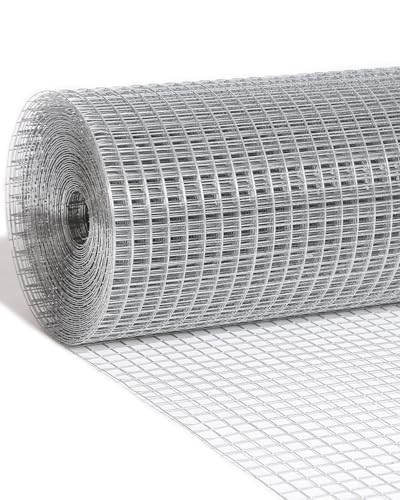
Hardware Cloth 1/2″ Chicken Wire Fencing 48″ x 100′ 19-Gauge

VEVOR Hardware Cloth 48″ x 50′ Vinyl-Coated Wire Mesh Roll

VEVOR Hardware Cloth 48″ x 100′ Vinyl-Coated Chicken Wire Roll
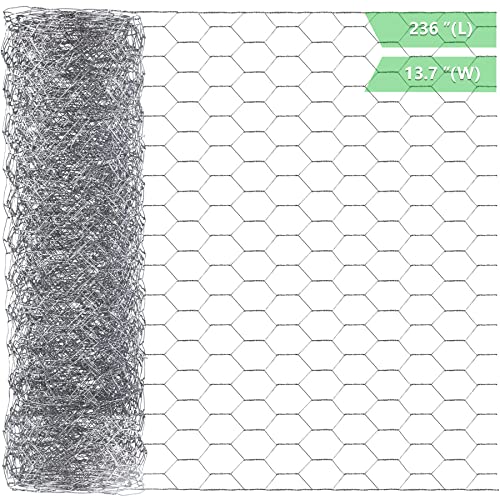
Chicken Wire 13.7 in x 236 in Hexagonal Galvanized Mesh

VEVOR Hardware Cloth 24″ x 100′ Vinyl-Coated Chicken Wire Roll
A Deeper Look At The Lineup
A 16-inch-wide roll sounds narrow until you start wrapping it around a small coop door or skirting a raised henhouse. The Amagabeli Ture 19 Gauge Hardware Cloth handles those tight, detail-heavy spots where wider rolls end up bunched and wasted.
Built from galvanized-after-weld steel wire, the mesh earns its keep on runs where rodents and snakes probe every seam. You unroll it flat, snip with tin snips, and staple it to a wooden frame without the coil fighting back. Compared with the LAN JIA 24-inch roll reviewed below, this one trades width for easier handling on awkward patches.
What Stands Out
- Half-inch openings block rats, weasels, and small snakes that squeeze through wider poultry netting
- 19-gauge wire holds its shape when stretched across a coop frame, reducing sag over time
- Post-weld galvanization resists the kind of rust that eats through cheaper coatings in damp coops
- The narrow 16-inch width lets you cut patch pieces for coop doors, vents, and skirt edges
Honest Caveats
- Fifty feet runs out fast on a large run, so plan for multiple rolls or pair it with a wider option
- Cut edges expose raw wire ends, so gloves and careful stapling are worth the extra minute
Made For
Backyard flock keepers patching a small run or reinforcing vents and skirt lines on an existing coop.
Consider Something Else When
You need to fence a long perimeter, where the LAN JIA Galvanized Hardware Cloth 24″ x 100′ covers more ground with fewer seams.
A 24-inch-tall, 100-foot-long roll is the workhorse size for serious perimeter runs. LAN JIA builds this mesh from annealed steel wire (heat-treated for flexibility) and galvanizes it again after welding to slow corrosion at the joints.
You get enough height to bury a skirt against digging predators and enough length to span most suburban runs without splicing. The trade-off shows up in storage and weight; this roll is heavier and bulkier than the Amagabeli Ture 16-inch pick, so a second set of hands helps during unrolling.
A Favorable Mix
- Half-inch mesh keeps out weasels and rats that slip through larger hex netting
- Annealed wire flexes around curved coop corners without kinking
- Post-weld zinc coating targets the rust-prone weld points, which matters in humid climates
- Long 100-foot length reduces the number of seams along a full run
Things To Weigh
- At 24 inches tall, you may need to stack two layers for taller fences over four feet
- The rolled format can spring back when cut, so clamping the working end is wise
- Plain galvanized finish lacks the extra vinyl layer of the VEVOR rolls reviewed further down
Feature Snapshot
Best Suited To
Suburban keepers fencing a rectangular run of 60 to 150 square feet who want fewer seams and easy burial of a predator skirt.
A Better Fit Elsewhere
Coastal or high-rain setups, where the VEVOR 48″ x 100′ Vinyl-Coated Hardware Cloth adds a moisture-blocking layer over the galvanized base.
Wide rolls save real time when you are covering a long sidewall without seams. Nueve Deer’s 48-inch format hits the sweet spot for runs that double as the coop wall, letting you stretch a single panel from dirt to top rail.
Built from galvanized annealed steel with a double zinc coat applied after welding, the mesh handles typical weather without aggressive rust for several seasons. Compared with the LAN JIA roll above, this one doubles the width so you finish the same run in roughly half the seams, though the heavier roll is harder to maneuver solo.
Useful Strengths
- Four-foot width matches typical stud spacing, simplifying wall framing
- Double-galvanized finish slows the red-rust creep that ruins bare welded mesh
- Half-inch openings reject the small predators that 1-inch hex poultry netting lets through
- Carton packaging reportedly keeps edges from snagging during shipping
Trade Offs
- Larger roll weight can flatten cardboard shipping boxes by arrival
- Wide panels need a flat work surface for cutting straight sections
Key Attributes
Who Will Love This
Flock keepers building a full-size coop wall or floor run who want wide, seamless coverage and minimal cuts.
Reach For A Different Pick When
You need extra moisture protection for a damp run, in which case the VEVOR 48″ x 50′ Vinyl-Coated Hardware Cloth offers a sealed outer layer.
A vinyl sleeve over galvanized steel changes the maintenance math for damp coops. VEVOR’s 48-inch hardware cloth adds a double-layer ethylene coating and a powder topcoat, creating a moisture barrier the plain galvanized rolls cannot match.
The 50-foot length is shorter than the Nueve Deer roll above, so it suits targeted upgrades rather than full-perimeter builds. Where it earns its price is in regions with persistent rain, salty coastal air, or acidic pine-needle litter that strips bare zinc in a season or two.
What Pays Off
- Vinyl overcoat seals weld points from moisture and UV exposure
- Black color blends into landscaping, hiding the mesh against dark soil
- Welded joints hold shape under tension, reducing long-term sag
- Wide 48-inch format still matches stud spacing on coop walls
Small Caveats
- The vinyl layer adds thickness, so your measured gauge is the wire before coating
- Cut ends expose bare steel under the sleeve, which a quick dab of exterior paint can address
- Shorter 50-foot roll means more joins on big runs
Whose Shelf It Belongs On
Coastal, rainy, or pine-belt keepers who fight rust season after season and want a sealed mesh surface.
Skip It When
You simply need a small patch piece for vents and skirt edges, where the narrower Amagabeli Ture 16-inch roll costs less and ships easier.
When you need vinyl-coated mesh at full-perimeter scale, this is the roll most large-flock keepers reach for. VEVOR doubles the length of its smaller sibling and adds a 19-gauge core, a galvanized iron wire base, and a PVC outer sleeve.
You get 100 feet of 4-foot-tall mesh in a single coil, which means fewer seams on a long run and less splicing where rust tends to start. Owners commonly report that the included gloves and cutting plier save a trip to the hardware store, though you may find the wire still tough on standard kitchen scissors.
Strong Points
- PVC sleeve over galvanized core stands up to rain, snow, and coastal spray
- Half-inch mesh blocks snakes, rats, and weasels
- Welded intersections resist the breakage that frays cheaper mesh over time
- Bonus cutting plier and gloves trim your setup time on day one
Practical Considerations
- At roughly 50 pounds, the roll rewards a dolly or a second helper during unspooling
- Vinyl adds diameter, so the listed gauge reflects the wire beneath the sleeve
Spec Overview
Who Should Grab It
Keepers outfitting a large, weather-exposed run who want premium longevity and minimal mid-project trips for tools.
Swap It Out When
You only need a 24-inch-tall wall, where the VEVOR 24″ x 100′ Vinyl-Coated Hardware Cloth cuts material and weight without sacrificing the coating.
Hexagonal poultry netting is the soft, flexible mesh you remember from garden centers. Miuwauer’s 13.7-inch-wide, 236-inch-long roll is sized for small jobs rather than full coops, which is exactly why hobbyists and crafters keep a roll on hand.
The hexagonal weave bends around tomato cages, wreath frames, and compost bin edges without fighting back. For predator exclusion, the openings are too large for serious chicken runs, but for a temporary day pen or a craft project, it is the easiest roll to shape.
What It Does Well
- Flexible hexagonal weave shapes around curves without kinking
- Galvanized finish handles outdoor garden exposure for several seasons
- Compact roll size stores on a shelf without dominating the garage
- Multi-purpose format suits chicken day pens, plant supports, and craft frames
Where It May Fall Short
- Mesh openings are too wide to block rats, weasels, and snakes from a serious chicken run
- Lightweight wire dents easily under a curious hen or a falling branch
Feature Rundown
Right Fit For
Gardeners, hobbyists, and crafters building tomato cages, trellises, wreaths, or small day pens where flexibility matters more than predator tightness.
Look Elsewhere When
You are fencing a permanent chicken run with serious predator pressure, where the Nueve Deer 48″ x 100′ 19-Gauge Hardware Cloth offers half-inch welded openings instead.
At 24 inches tall and 100 feet long with half-inch welded mesh, this VEVOR roll balances the practical dimensions most coop upgrades actually need. The vinyl sleeve over the galvanized core handles the same weather exposure as its wider sibling while staying light enough to handle solo.
You can line a 4-foot-tall run by stacking two courses, or use it alone on shorter tractor-style coops. Compared with the LAN JIA 24-inch roll reviewed earlier, this one trades plain zinc for a sealed vinyl layer that lengthens the service life in damp or coastal climates.
Practical Advantages
- Vinyl-coated exterior slows rust in humid and coastal environments
- Half-inch welded mesh excludes rats and snakes from the run
- 100-foot length spans most suburban coops with a single roll
- 24-inch width handles a single person for cutting and stapling
Some Limits To Know
- Two courses are needed for runs above four feet tall
- Cut ends expose the inner wire and benefit from a quick paint seal
Built With In Mind
Mid-size flock keepers in wet climates who want a balance of manageable roll weight and sealed coating.
Not Your Match When
You prefer the widest possible coverage for a single-layer wall, where the VEVOR 48″ x 100′ Vinyl-Coated Hardware Cloth finishes the same area with no horizontal seam.
Choosing The Right Mesh For Your Coop
A few attributes matter more than the brand on the roll. Half-inch openings stop weasels and rats that slip through classic hex poultry netting, while 1-inch mesh admits them without resistance. Gauge (the thickness of the wire) decides how much force the mesh can absorb before it bends; 19 gauge is a sensible middle ground for most backyard coops. A galvanized-after-weld coating protects the zinc-vulnerable weld points, and an added vinyl sleeve is worth considering in coastal or high-rain yards.
Match roll dimensions to your framing. A 16-inch width handles vents and skirt patches, a 24-inch roll lines a typical tractor coop, and 48-inch wide rolls cover tall walls without horizontal seams. Bury at least 6 to 12 inches of mesh along the run perimeter or bend it outward in an L-shape to deter digging predators, and staple every 4 to 6 inches along wooden frames for a taut, snag-free surface.
Picking The Right Coating And Format
Pitfalls Shoppers Hit
Picking hex poultry netting for a permanent run is the most common miss. The wide openings look like real chicken wire but let rats and snakes slip through within weeks.
Skipping the skirt is another trap. A beautiful run above ground is useless if a fox tunnels under in one night, so plan for a buried mesh edge before you unroll the first panel.
Where The Extra Money Goes
Vinyl-coated rolls cost more because of the extra PVC layer and the powder topcoat over the galvanized base. That layered finish extends mesh life in wet climates by years compared with plain zinc.
Wider 48-inch formats cost more per roll but save labor by eliminating horizontal seams, which means fewer splice points and faster framing on a tall coop wall.
Frequently Asked Questions
What mesh size keeps rats out of a chicken run?
Half-inch hardware cloth is the practical choice, because rats and mice squeeze through 1-inch hex netting with little effort. Welded 1/2-inch mesh also blocks snakes and weasels, which is why serious coops use it for walls and skirts.
Is 19-gauge hardware cloth strong enough for a coop?
Yes for most backyard situations. 19 gauge balances strength with cutting ease, holding shape against pecking hens and small predators without needing bolt cutters on every cut.
How deep should I bury chicken wire around a run?
Most sources suggest 6 to 12 inches of buried mesh, or an L-shaped skirt extending outward 12 inches along the surface. Both approaches discourage digging predators without requiring a deep trench.
Can vinyl-coated mesh touch treated lumber?
Modern ACQ-treated lumber is generally compatible with vinyl-coated wire, but separating the two with a plastic spacer or stainless staple avoids any long-term chemical reaction at contact points.
How long does galvanized hardware cloth last outdoors?
Service life varies by climate, but plain galvanized-after-weld mesh commonly lasts several seasons in dry conditions. Vinyl-coated versions extend that span in wet, salty, or acidic environments by sealing the zinc layer from direct exposure.
The Takeaway
A run that keeps hens safe starts with half-inch welded mesh, 19-gauge wire, and a coating your climate can tolerate. Walk the space, measure your framing, and match the roll width to the wall height so you spend more time stapling and less time splicing. The right mesh pays you back every night your flock roosts undisturbed.