
Keeping a small flock hydrated sounds simple until you’re hauling buckets through a gate at dusk, refilling a bowl that’s already loaded with pine shavings, or watching algae turn the water green after three sunny days. The right setup cuts that daily chore down to minutes and gives your hens cleaner water through summer heat and winter cold. The list below covers six solid chicken watering systems that handle different flock sizes, coop layouts, and routines.
A Fast Comparison Of The Options

Omlet No Waste Chicken Feeder for Coop

Omlet Insulated Chicken Waterer, 3 Gallon (Sage Green)

Omlet Insulated Chicken Waterer, 3 Gallon (Eglu Green)
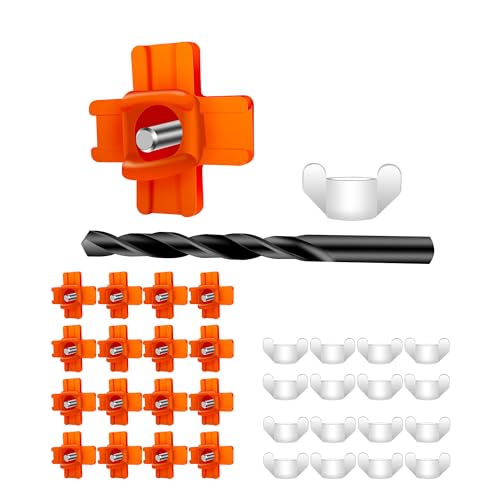
Eggluuz Horizontal Side Mount Chicken Waterer Nipples (16 Pack)

ZenxyHoC Automatic Chicken Waterer Nipples with Drill Bit (20 Pack)

Little Giant Plastic Poultry Waterer, 5 Gallons
A Deeper Look At The Lineup
Feed waste quietly eats a backyard budget, and that’s the real problem the Omlet feeder tackles. Five enclosed ports stop hens from raking feed onto the coop floor with their beaks, which is the main reason scoops of grain end up wasted every week. The 12lb capacity means you fill it once and your six hens eat comfortably for about seven days, a useful buffer if you travel or work long hours.
You can hang it from a hook or set it on the ground, and a weatherproof build handles light rain without turning feed to mush. For anyone whose chickens treat a feeder like a sandbox, this one earns its place fast.
Real-World Strengths
- Five enclosed ports curb the billing-and-scratching waste pattern that empties a typical feeder fast.
- 12lb capacity covers roughly a week for a half-dozen hens, easing weekend travel concerns.
- Hanging or freestanding placement adapts to coop height, breed size, and run layout.
- Weatherproof shell keeps feed dry during unexpected showers.
Trade Offs
- At 12lb of capacity plus the body weight, hanging the unit may require a sturdy hook in some coops.
- The enclosed port design is geared toward standard hen sizes; bantams may need a quick learning curve to find the openings.
At A Glance
Who Will Love This
Backyard keepers with a small laying flock who want a low-maintenance feeding setup that doesn’t waste a quarter of every bag.
Skip It When
You’re focused strictly on watering solutions, since the Eggluuz horizontal nipples pair more naturally with bucket-style watering builds.
The Omlet insulated waterer takes the headache out of seasonal chicken care by slowing the swing between cold and warm water. A 3-gallon tank holds enough for a small flock across a couple of days, and BPA-free plastic means no off-flavors bleeding into the supply. The included cups and nipples let you choose how hens drink, and an anti-roost lid keeps birds from perching on top.
Insulation keeps water cooler in summer and slows freezing in winter, which matters in regions with hot afternoons or sharp overnight drops. For backyard keepers who don’t want to swap gear every season, this unit stays in play year-round.
The Practical Payoff
- Insulated body tempers summer heat and delays winter freezing for daily convenience.
- Both cups and nipples ship in the box, letting you match the drink style to your flock’s habits.
- Anti-roost lid discourages perching, which keeps droppings out of the water.
- BPA-free, UV-stable plastic resists sun degradation over seasons.
Worth Noting
- 3 gallons suits small flocks; larger groups will run dry within a day in hot weather.
- Insulation helps but isn’t a heater, so extreme cold zones may still need a submersible de-icer.
- The lid is removable for cleaning, which means a periodic scrub to keep biofilm from forming at the seams.
Made For
Small-flock owners in climates with real seasonal swings who want a single year-round waterer that doesn’t demand constant babysitting.
Consider Something Else When
You run a much larger flock, since the Little Giant 5-gallon gravity waterer holds noticeably more volume per fill.
The Eglu Green version of Omlet’s insulated waterer leans into one specific frustration: slimy, green-tinged water after a few sunny days. By blocking roughly 99% of light from reaching the reservoir, the tank slows algae growth and keeps the supply visibly cleaner. A domed anti-roost lid rounds out the hygiene-minded build.
The 3-gallon tank and included cups and nipples work much like the Sage Green sibling earlier in this list. For coops that get long hours of direct sun, this darker shade pays off in fewer scrub-downs each month.
Reasons It Performs
- Light-blocking tank wall cuts algae growth and the slimy residue that comes with it.
- Insulation moderates water temperature across hot afternoons and chilly mornings.
- Cups and nipples included for flexible drink-style setup.
- Domed lid discourages roosting and the droppings that come with it.
Points To Keep In Mind
- Same 3-gallon limit as the Sage unit, so larger flocks need daily checks in summer.
- The deeper color makes the water level slightly harder to gauge at a glance from across the run.
- Cleaning the tank still requires a periodic scrub, since no closed system eliminates buildup entirely.
Feature Snapshot
Perfect Match For
Flock owners in sun-soaked yards who refill often and want noticeably clearer water with less scrubbing.
A Better Fit Elsewhere
You’d rather build a custom system from scratch, in which case the Eggluuz horizontal nipples plug into any bucket or barrel you already own.
For hands-on keepers, the Eggluuz horizontal nipples turn any sealed container into a chicken watering system. A 16-pack gives you enough drink points to scale across multiple buckets or a long PVC run, and the horizontal side-mount style suits hens that prefer a sideways peck over a vertical tap. A wingnut design helps keep the connection snug.
This isn’t a plug-and-play product. You bring the bucket, the drill bit, and the patience to mount each fitting water-tight. For tinkerers, that flexibility is exactly the point.
Positive Points
- Horizontal mounting suits hens trained to drink from the side, with fewer drips than some vertical designs.
- Sixteen nipples cover multiple coop sections or a single large barrel.
- Wingnut fastening helps tighten the seal and resist slow leaks.
- Works with standard buckets, barrels, and PVC pipe for custom layouts.
Small Caveats
- Drilling and mounting require time and the right bit size, so total setup is more involved than a ready-made unit.
- Without a properly sealed bucket, even small leaks can soak bedding quickly.
- Younger chicks may need training to use nipple drinkers compared to open cups.
Right Fit For
DIY-minded flock owners running larger setups who want to customize capacity, height, and number of drink points.
Not Your Match When
You’d rather skip the build, since the Little Giant 5-gallon waterer is a gravity-fed unit that’s ready to fill and set down out of the box.
ZenxyHoC’s 20-pack leans into a different leak-control story. The side-press trigger releases water only when a hen actively pecks the stainless pin, which keeps bedding noticeably drier than open bowls and many vertical nipples. The included drill bit means you can convert any standard bucket without hunting for the right tool.
If you’re swapping out an old tray-style waterer, the red fittings make each drink point easy to spot, and the 20-count gives plenty of spares for a larger flock or multi-station setup.
Useful Touches
- Side-press trigger design keeps bedding dry and reduces cleaning frequency.
- Twenty nipples suit big flocks or multiple converted containers.
- Drill bit included, so no separate tool run to start the build.
- Bright red color makes each fitting easy for both you and the hens to spot.
Honest Caveats
- Bucket material affects longevity; thinner plastic may flex around the mount under heavy water weight.
- Like all nipple systems, an occasional drip can happen if fittings loosen over time.
- Some pecking training is normal when introducing the system to a flock used to open water.
Quick Facts
Who Should Grab It
Coop keepers upgrading from open bowls who want a dry floor, fewer algae headaches, and a ready-to-drill kit.
Reach For A Different Pick When
You’d prefer a finished product over a build, since the Omlet insulated waterer arrives assembled and ready to fill.
Sometimes the simplest design is the one that lasts, and the Little Giant 5-gallon waterer proves it. A vacuum-sealing O-ring cap creates steady gravity-fed flow, and the translucent jar shows the water level without lifting the lid. The snap-on base assembles in seconds, which matters when you’re juggling a full bucket at the gate.
Heavy-duty plastic stands up to heat, cold, and the occasional bump, making this a sensible workhorse for traditional coop keepers. It lacks insulation and light-blocking walls, so water clarity depends on placement and cleaning habits.
Noteworthy Benefits
- 5-gallon capacity suits medium flocks with fewer daily refills.
- Vacuum-sealed cap keeps flow steady and limits messy overflow.
- Translucent plastic lets you check water level at a glance from outside the run.
- Snap-on jar makes filling and cleaning straightforward, even for first-time keepers.
Practical Considerations
- Open trough design exposes water to droppings and debris, so it needs regular rinsing.
- Translucent walls let in light, which can encourage algae growth in sunny runs.
- No insulation, so water temperature swings with the weather.
Feature Rundown
Best Suited To
Traditional flock keepers who want a no-fuss, time-tested waterer that fills from any hose or bucket.
Where A Sibling Pick Shines
You run a small flock and want cleaner water with less scrubbing, where the Omlet Eglu Green insulated waterer offers light-blocking walls that slow algae.
Choosing The Right Waterer For Your Coop
Picking chicken watering systems starts with flock size, climate, and how hands-on you want to be. Small flocks of four to six hens usually thrive on a 3-gallon reservoir, while ten or more birds push you toward 5 gallons or multiple drink points.
Climate shapes the next decision. Insulated bodies help in regions with hot summers or freezing winters, while open gravity units work fine in mild zones with shaded placement. Material matters too: BPA-free plastic keeps water tasting clean, and UV-stable shells resist cracking after a season of sun.
Drink style changes daily maintenance. Cups fill fast but expose water to debris, while nipple drinkers stay cleaner but require brief training for hens used to open bowls. Consider your run layout, height, and whether you’ll mount, hang, or set the unit on the ground.
Key Considerations Across These Picks
Pitfalls Shoppers Hit
A common stumble is buying by capacity alone. A 5-gallon tank sounds generous, but an open trough in direct sun grows algae fast and forces daily rinses. Match capacity to flock size and shade level, not just days between refills.
Another trap is skipping the drink-style fit. Nipple systems keep bedding dry, yet hens raised on open water may ignore them at first. Plan a brief training window before swapping systems.
Where The Extra Money Goes
Higher-tier waterers in this category typically add insulation, light-blocking walls, and BPA-free materials. You pay for slower algae growth, fewer seasonal swaps, and cleaner water between scrub-downs. For small flocks in mild climates, the basic gravity unit does the job. For larger flocks, sunny coops, or year-round use, the upgrade pays off in time saved and healthier birds.
Frequently Asked Questions
How often should I clean a chicken waterer?
A weekly rinse is a sensible baseline, with a deeper scrub every two to four weeks depending on algae buildup and water exposure. Open troughs need more frequent attention than nipple systems.
Can chickens drink from nipple waterers in winter?
Yes, though in freezing climates the metal pin can ice over. Insulated reservoirs delay freezing, and a submersible heater keeps flow steady through bitter nights.
How many waterers do I need per flock?
One waterer covers about six to eight hens, but adding a second station prevents crowding and gives backup if a unit tips or clogs.
Do chickens prefer cups or nipples?
Most adult hens adapt to either with a short training window. Chicks usually take to cups faster, then transition to nipples as they grow.
Where should I place a chicken waterer in the run?
Set it in shade to slow algae, on stable ground to prevent tipping, and at back height to suit your smallest hen. Keep it away from roosting bars to limit droppings in the water.
Bottom Line
The right chicken watering systems come down to flock size, climate, and how much scrubbing you want to avoid. Insulated, light-blocking tanks suit sun-soaked runs and small flocks, while DIY nipple packs give hands-on keepers room to scale. Pick the style that matches your routine, and your hens will reward you with steady, clean water every day.