
Winter takes a real toll on any backyard flock. Frozen troughs, scummy water, and frustrated hens drinking less than they should all start showing up the moment temperatures dip below freezing. A solid chicken waterer built for cold weather keeps water moving, clean, and accessible, so your flock stays hydrated even when the coop feels like a freezer. The right setup also cuts your daily workload, since you won’t be hauling warm water out at dawn or chipping ice. Below is a curated roundup of seven options that handle winter’s quirks in different ways, so you can match the right gear to your flock size, climate, and routine.
Your Options, Compared

Hen’s Choice 5 Gallon Chicken Waterer with 8 Drinker Nipples

Omlet No Waste Chicken Feeder 12lb Anti-Spill

Omlet Insulated Chicken Waterer 3 Gallon Sage Green

Omlet Insulated Chicken Waterer 3 Gallon Eglu Green

Harris Farms Heated Poultry Drinker Base

Eggluuz Chicken Waterer Nipple Horizontal Side Mount 8 Pack
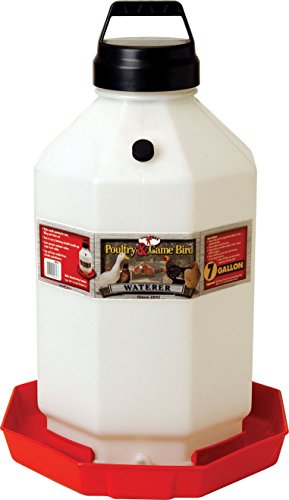
Little Giant PPF7 7 Gallon Hanging Poultry Waterer Red
A Deeper Look At The Lineup
The Hen’s Choice 5-gallon waterer leans into the high-volume end of the lineup. Eight drinker nipples (the small metal pins birds peck to release a drop of water) on a five-gallon reservoir translate to roughly a week’s worth of drinking water for a mid-sized flock, depending on temperature and bird count. Top-fill design keeps refills simple, so you are not flipping a heavy container upside down in freezing weather.
The anti-roost lid is a small touch that pays off in winter. Birds love to perch on anything elevated, and perching birds leave droppings behind, which then contaminate the water. A lid that discourages roosting keeps the supply cleaner during the season when pathogens spread fastest. Combined with fold-out legs, the unit sits stably on uneven ground, snow, or straw bedding.
Real Benefits
- Five-gallon capacity reduces midweek refills in freezing temps.
- Eight nipples spread across the reservoir prevent crowding at peak drink times.
- Nipple system means no open water surface, so debris cannot collect or freeze into a sheet.
- Anti-roost lid keeps droppings out of the supply, supporting flock health in close-quarter winter housing.
- Heavy-duty plastic construction is rated for outdoor exposure and repeated freeze-thaw cycles.
Points To Note
- No built-in heating element, so in deep-freeze zones the nipples themselves can ice over and need insulation.
- Plastic legs, while sturdy, can crack if struck by a hard freeze followed by sudden impact.
- Nipples require occasional cleaning since mineral buildup can reduce flow over a season.
Key Product Details
Made For
Backyard keepers running eight or more birds who want fewer refill runs and a cleaner water supply through winter.
Skip It When
The Harris Farms Heated Poultry Drinker Base is the smarter pick if your coop regularly drops well below freezing, since active heating solves what insulation alone cannot.
The Omlet feeder solves a different problem than most picks on this list, but it belongs in any winter roundup because hydration and feeding are paired challenges. Cold weather drives feed intake up, and feed scattered on damp ground goes to waste fast. This unit’s enclosed feeding ports stop hens from billing feed (flicking it sideways with their beaks) onto the floor, where winter moisture would spoil it within hours.
Twelve pounds of capacity feeds roughly six hens for a full week, which matters when you would rather not trudge through snow every morning. The unit hangs or stands free, giving flexibility for coops where hanging hardware is awkward. Weatherproof construction helps the feed stay dry through snowdrift days and damp thaws.
The Good Stuff
- Enclosed ports cut feed waste, which matters most when winter moisture ruins scattered grain quickly.
- Week-long capacity means fewer refill trips in harsh weather.
- Hangs or stands, so it adapts to coops with limited hanging points or uneven floors.
- Weatherproof body keeps feed dry through snow and sleet.
Things To Consider
- This is a feeder, not a waterer, so it complements rather than replaces a dedicated water setup.
- Five ports can bottleneck if your flock is larger than six hens.
- Hanging models may require a sturdier attachment point in older wooden coops.
Right Fit For
Keepers tired of wasting feed to weather and scratching who want a set-and-forget feeding routine through winter.
Consider Something Else When
The Little Giant PPF7 covers hydration for much larger flocks, while the Omlet feeder handles dry feed, so consider pairing them only if you actually need both jobs done well.
Omlet’s insulated 3-gallon waterer is built around a clever trade-off. The double-wall construction slows heat loss, so water inside resists freezing longer than it would in a single-wall plastic jug. That buys you extra hours during cold snaps, even though it does not eliminate freezing in deep-winter climates.
What sets it apart from typical waterers is the dual-format drinking system. The unit ships with both cups and nipples, so you decide which your birds prefer. Cups catch a small reservoir of water that birds drink from, while nipples release a drop only when pecked. New chicks often learn cups faster, while adult hens transition cleanly to nipples.
Bright Spots
- Insulated body keeps water from freezing as quickly as single-wall containers.
- Dual cup and nipple format lets you match the drinking style to your flock.
- BPA-free plastic (free of bisphenol A, a chemical sometimes used in food-grade plastics) supports safer long-term contact with drinking water.
- Anti-roost lid stops droppings from contaminating the supply.
Honest Caveats
- Insulation slows freezing but does not prevent it, so very cold regions still need a heated base.
- Three-gallon capacity means more frequent refills for flocks above six birds.
- Light-blocking performance is less aggressive than the Eglu Green sibling model.
Quick Facts
Who Will Love This
Small-flock owners in zones with mild-to-moderate winters who want insulation plus the flexibility to choose cup or nipple drinking.
Reach For A Different Pick When
The Harris Farms Heated Poultry Drinker Base is the better fit for climates that drop well below 20°F, since active heat outperforms passive insulation.
The Eglu Green version of the Omlet insulated waterer shares its sibling’s core specs but adds a domed lid and stronger light-blocking properties. Blocking light inside the reservoir matters because algae need sunlight to grow, and algae growth is what turns water green and slimy within days. Less light means cleaner water for longer, which is one less scrubbing task on your winter chore list.
The domed lid also sheds snow rather than letting it pile on a flat surface, where it would eventually melt and contaminate the supply. For coop runs in snowy regions, that small shape change quietly solves a real problem.
Why It Works Well
- Light-blocking body prevents algae growth, so water stays clearer through long winter stretches.
- Domed lid sheds snow naturally, keeping meltwater out of the reservoir.
- BPA-free, UV-stable construction (resistant to sun damage) handles repeated cold-sun cycles.
- Insulation gives extra hours before freezing in moderate climates.
Small Limitations
- Capacity tops out at 3 gallons, which means more frequent refills for larger flocks.
- Insulation alone will not stop freezing in sub-freezing climates without supplemental heat.
- Color options are limited, which matters if you want a specific coop match.
Best Suited To
Keepers who want low-maintenance water clarity across seasons and live in areas where snow load on flat lids is a recurring nuisance.
Look Elsewhere When
The Hen’s Choice 5-gallon model covers more birds per refill, so it suits flocks that outgrow a 3-gallon reservoir quickly.
The Harris Farms base is not a waterer on its own. It is a thermostatically controlled platform designed to sit beneath a standard waterer, applying just enough heat to keep the supply above freezing. The thermostat matters because constant full-power heating wastes electricity and overheats the water. This unit cycles on only when temperatures drop near freezing.
For anyone in a climate where winters routinely hit single digits or below, this is the piece that turns an ordinary waterer into a year-round system. Pair it with the Little Giant or Hen’s Choice container and you have a setup that handles the worst cold snaps without daily intervention.
Real-World Strengths
- Thermostatic control means it only draws power when temperatures demand it.
- Works with multiple existing waterers, so you do not have to replace your current setup.
- Eliminates the dawn ritual of swapping frozen water for fresh in deep-winter zones.
- Sturdy base supports heavier containers without tipping.
Practical Considerations
- Requires a reliable outdoor-rated extension cord and grounded outlet nearby.
- Does not include a waterer, so this is an add-on purchase, not a complete solution.
- Cord placement must be planned to keep it out of beak range.
Feature Snapshot
Who Should Grab It
Keepers in cold-winter regions who already own a compatible waterer and want to add active freeze protection without buying an entirely new system.
Not Your Match When
You live in a mild-winter region where the Omlet Insulated Chicken Waterer’s passive design covers your needs without drawing power.
The Eggluuz kit is a set of eight horizontal-mount nipples plus the hardware to install them into any container you choose. That DIY framing is the whole point. You bring the bucket, barrel, or jug, and these nipples convert it into a closed waterer without the cost of a pre-built unit.
The horizontal orientation means nipples mount through the side wall of a container rather than the bottom. Many keepers prefer this for gravity-fed setups, since water flows down toward the drinking points naturally. The included wingnut hardware creates a leak-resistant seal, which matters when a slow drip turns bedding into mud during winter thaws.
What Earns Its Place
- Lets you upcycle any container into a functional waterer, cutting equipment costs.
- Horizontal side-mount orientation suits barrels and buckets you may already own.
- Eight nipples handle flocks up to roughly twenty birds, depending on setup.
- Closed system prevents contamination and reduces freezing surface area versus open water.
Factors To Consider
- Requires drilling and sealing skills, so this is not a plug-and-play option.
- No container included, meaning you source your own bucket or barrel separately.
- Without insulation or heating, extreme winter still calls for supplemental solutions.
Whose Shelf It Belongs On
Hands-on keepers who enjoy custom builds and want to convert existing containers rather than buy a finished waterer.
Swap It Out When
The Hen’s Choice 5-gallon unit is the better fit if you would rather skip the build and get a complete, tested system out of the box.
The Little Giant PPF7 is a workhorse. Seven gallons of capacity, dent-proof translucent plastic, and a vacuum-sealing O-ring cap (a rubber gasket that creates a partial vacuum, regulating water flow) that keeps water flowing consistently without overflow. Translucency is a small but underrated feature: you can check water levels at a glance, even from across the coop, without lifting the lid.
Hanging design keeps the drinking tray off the ground, which means droppings, bedding, and snow stay out of the water. In winter, ground-level waterers become collection points for filth, since birds track debris constantly. Elevation solves that problem cleanly.
Useful Touches
- Seven-gallon capacity suits larger flocks and reduces refills during cold weeks.
- Vacuum-sealed cap maintains steady water level without overflow.
- Dent-proof translucent plastic shows water level without opening the lid.
- Wide mouth opening simplifies filling and cleanout.
- Hangs above ground level, keeping debris and snow out of the supply.
Trade-Offs To Consider
- Open tray drinking format freezes faster than nipple systems in deep cold.
- Heavier when full, so hanging hardware must be rated for the load.
Spec Overview
Built With In Mind
Larger-flock keepers who want a high-capacity, low-maintenance system and have a sturdy hanging point in their coop or run.
A Better Fit Elsewhere
The Harris Farms Heated Poultry Drinker Base underneath a Little Giant container is the combination for very cold regions, since active heat offsets the open-tray freezing risk.
What To Weigh Before Choosing A Winter Waterer
Winter waterers come down to three core questions. First, how cold does your coop actually get? Mild zones get away with insulated passive designs, while sub-freezing climates benefit from active heating. Second, how big is your flock? Capacity scales directly with bird count, and running short on water during a cold snap stresses birds fast. Third, how much daily work do you want? Nipple and cup systems stay cleaner and freeze slower than open trays, but some flocks resist learning them at first.
Material matters too. Translucent plastics let you spot-check levels without opening lids. BPA-free construction (free of bisphenol A, a chemical sometimes flagged for long-term contact concerns) reduces worries about chemical leaching into drinking water. Heavy-duty plastic holds up against the brittle failures that cheaper thin-wall jugs suffer when temperatures swing hard.
Finally, think about access. Chickens drink often, especially in cold weather when feed intake rises. Too few drinking points means dominant hens guard the supply and shy birds lose condition. Aim for one drinking point per four to six birds as a working baseline.
Key Considerations Across These Picks
Where Shoppers Go Wrong
The most common winter mistake is treating an insulated waterer like a heated one. Insulation slows freezing but does not prevent it, and a long sub-zero stretch will still produce solid water. Another trap is underestimating flock size during winter, when birds drink more, not less. Buying a 3-gallon unit for twelve hens means refilling every other day, which gets old fast once temperatures drop. Finally, ignoring cord safety on heated bases is a real hazard. Keep cords shielded, off the ground, and away from curious beaks.
The Upgrade Payoff
Higher-tier picks in this category usually cost more for three reasons: better insulation, more durable plastics, or active heating. Each of those upgrades solves a specific winter problem. Insulation buys you hours of extra protection. Better plastics survive repeated freeze-thaw cycles without cracking. Active heating eliminates ice entirely in all but the most extreme climates. The right upgrade depends on your climate, not your ambition. Pick what your winters actually demand, not what sounds reassuring in the product listing.
Frequently Asked Questions
Do chickens need heated water in winter? Chickens need unfrozen water, not specifically heated water. Insulation plus a sheltered coop location handles mild winters, but regions below 20°F benefit from a heated base or heated waterer to keep supply flowing.
Can I use a regular waterer in winter with some insulation around it? Yes, with caveats. Wrapping a standard waterer in foam or moving it into a sheltered run helps in moderate cold, but it is less reliable than purpose-built insulated or heated designs.
How often should I check chicken water in freezing weather? Twice-daily checks are wise during freezing stretches. Morning catches overnight freezing, and an afternoon check confirms the supply has not dropped too low before evening.
Are nipple waterers better than open trays for winter? Nipple systems reduce surface area exposed to cold air, so they freeze slower and stay cleaner. Open trays work fine in mild climates but require more frequent checks in deep cold.
What size waterer do I need for a small backyard flock? Three gallons handles roughly six to eight hens for a couple of days. Five to seven gallons suits larger flocks and cuts refill trips during stretches of bad weather.
Wrap Up
The right winter waterer depends on your climate, flock size, and tolerance for daily chores. Insulated passive designs cover mild regions cleanly, heated bases solve serious cold, and DIY nipple kits offer flexibility for hands-on keepers. Match the unit to your winters rather than chasing features you will never need, and your flock will stay hydrated through the coldest stretch without adding to your morning workload.