
Cold nights on the trail have a way of exposing a sleeping bag’s weak points in a hurry. You want insulation that packs small, holds warmth when the mercury dips, and won’t punish your back with weight across miles of switchbacks. Down fill has long been the go-to for backpackers because it compresses tighter and insulates better per ounce than synthetic alternatives, and a well-chosen down bag becomes the cornerstone of a lighter, warmer sleep system.
The seven picks below cover a wide spread of use cases, from late-autumn alpine trips to mild summer overnights. Each one earns its spot on a specific kind of trip, so the right choice depends more on your climate and priorities than on a single “best” label.
The Shortlist At A Glance
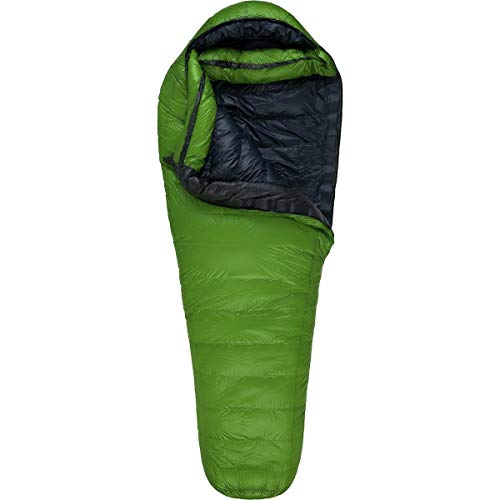
Western Mountaineering Versalite 10° Sleeping Bag

BUERTS Ultralight Cold Weather Down Sleeping Bag
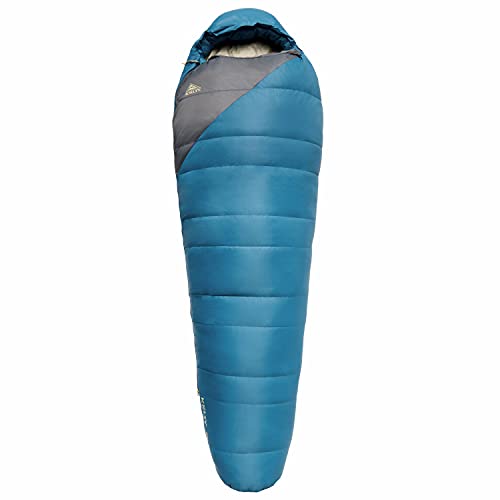
Kelty Cosmic 20 Down Mummy Sleeping Bag

Kelty Cosmic 20 Down Sleeping Bag (2024)

Sea to Summit Traveller Down Sleeping Bag Blanket

QEZER 0 Degree Cold Weather Down Sleeping Bag
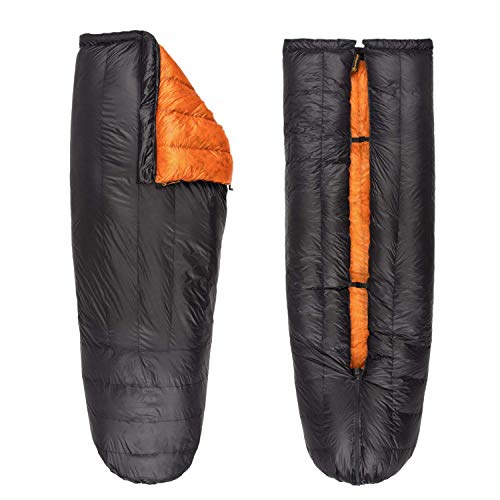
Featherstone Moondance 25 Down Top Quilt
The Details Behind The Selections
The Versalite sits near the top of Western Mountaineering’s ultralight lineup, and the brand’s reputation for tightly sewn baffles shows in how evenly the 850+ fill goose down is distributed. Loft here is the depth the down achieves when fully fluffed; deeper loft traps more warm air against your body, which is why a 6-inch loft rating matters in shoulder-season conditions. The ExtremeLite shell keeps packed weight low, which matters on long approaches where every ounce earns its keep.
You get a Super Full Collar at the neck that seals warmth in when temperatures drop, plus a 62-inch shoulder girth that gives restless sleepers enough room to roll without compressing the insulation against the ground. Compared to the Kelty bags below, this one carries a noticeably smaller packed size thanks to the higher fill power, and the 10°F rating pushes it into genuine three-season territory. The trade-off shows up in the price tag, but for trips where a lighter pack means covering more ground, the math often works out.
Real-World Strengths
- 850+ fill goose down compresses to a notably small stuff sack for the warmth delivered
- 6-inch loft creates thick, even insulation that holds warmth through chilly spring and fall nights
- Super Full Collar blocks drafts at the neck where heat loss typically accelerates
- ExtremeLite face fabric keeps overall weight low without sacrificing durability on rocky ground
- 10°F temperature rating extends usability into genuine shoulder-season conditions
Points To Keep In Mind
- Premium pricing puts it out of reach for casual weekend use
- Mummy cut may feel snug for side sleepers who shift positions frequently
Key Product Details
Built With In Mind
Backpackers chasing a long-distance goal or heading into shoulder-season alpine terrain where warmth and weight both matter.
Where Another Pick Suits Better
The Kelty Cosmic 20 makes more sense for weekend campers who don’t need the Versalite’s loft or premium construction.
BUERTS targets backpackers who want credible cold-weather performance without spending on premium brand cachet. The 680FP down fill means slightly more weight per unit of warmth than the 850+ Versalite above, but in real-world use on a three-season trip the difference rarely shows up in the pack. The Responsible Down Standard certification gives you traceable sourcing, which matters if you care where your insulation comes from.
Temperature range sits between roughly 30°F and 9°F depending on conditions, putting it in solid three-season territory with some buffer for shoulder-season nights. The shell uses about 3.5 oz of insulation per 10 square feet, roughly 0.4 inches of thickness, enough for camping, hiking, and lighter mountaineering objectives. Compared to the heavier QEZER 0-degree bag later in this list, you trade raw cold-weather ceiling for packability, which suits hikers covering ground over warmth at a static base camp.
Where It Excels
- 680FP RDS-certified down offers traceable sourcing at a notably lower cost
- Compact packed size fits easily in mid-volume backpacks
- Versatile 30°F to 9°F range handles typical three-season conditions
- Light enough for multi-day routes where weight adds up fast
Honest Caveats
- Fill power below premium tier means slightly heavier carry per unit of warmth
- Brand-name warranty and repair network may be limited compared to established makers
- Owner reports suggest careful storage matters to preserve long-term loft
Whose Trail It Belongs On
Budget-conscious backpackers tackling three-season routes who prioritize value and traceable sourcing over premium-tier craftsmanship.
Skip It When
You need a true 0°F winter bag, in which case the QEZER 0 Degree Down Sleeping Bag makes more sense.
The Kelty Cosmic line has earned its following by hitting a reliable middle ground between price, weight, and warmth. The 550 fill power down is heavier per unit of warmth than the BUERTS bag above, but it costs meaningfully less and loft recovers quickly after you unpack. The PFAS-free DWR (durable water repellent) treatment on the recycled polyester shell means the fabric sheds light moisture and tent condensation without relying on chemicals that persist in the environment.
Trapezoidal baffle construction, meaning the fabric compartments holding the down are shaped like trapezoids rather than simple rectangles, helps the bag retain heat more efficiently by reducing cold spots along the seams. Compared to the premium Versalite, you give up fill power and pack size, but gain a friendlier entry price for weekend trips where shaving ounces matters less. Designed in Colorado and built around the kind of shoulder-season conditions most North American campers actually face.
Notable Upsides
- 550 fill duck down recovers loft quickly after compression in the stuff sack
- Trapezoidal baffle design reduces cold spots where standard rectangular compartments fall short
- Recycled polyester shell with PFAS-free DWR sheds light tent condensation
- Polyester taffeta lining feels comfortable against bare skin on warm nights
A Few Limitations
- 550FP fill makes the packed size larger than premium alternatives
- Mummy cut runs snug for broad-shouldered sleepers or restless movers
Made For
Weekend campers and entry-level backpackers tackling spring through fall trips who want reliable warmth without premium pricing.
Look Elsewhere When
Thru-hikers focused on shaving weight should consider the Featherstone Moondance 25 quilt for a lighter pack.
The 2024 Cosmic 20 carries a 20°F lower-limit rating with an ISO comfort rating near 32°F, which means a typical sleeper stays comfortable down to about freezing in standard conditions. That ISO comfort number is the standardized temperature at which an average sleeper remains comfortable, and it’s a more useful guide than the lower-limit survival figure alone. For most spring and fall camping, the comfort rating lands right in the sweet spot where you’ll actually use the bag.
Fill comes from 550-fill duck down that compresses into the included stuff sack without complaint, and the PFAS-free DWR keeps the shell from wetting out during light rain or heavy dew. Compared to the previous Kelty entry, this updated model leans into easier ownership: the bag handles the kind of forgetful storage habits that come with new backpackers learning the ropes. Where the Versalite is built for experienced alpinists, this one assumes you might not yet know how to keep down dry on a long traverse.
Positive Takeaways
- ISO comfort rating near 32°F gives a realistic sense of real-world usability
- 550-fill duck down compresses cleanly into the included stuff sack
- Three-season design handles cold spring mornings and the back end of fall
- Forgiving price point lowers the barrier for first-time down ownership
Things To Consider
- 20°F lower-limit rating means winter camping still calls for supplemental insulation
- Mid-tier fill power results in a slightly bulkier pack profile
Right Fit For
First-time down owners and casual campers who want a forgiving comfort range without learning curve complications.
Not Your Match When
You need genuine 0°F winter performance, where the QEZER 0 Degree Down Sleeping Bag covers deeper cold.
The Traveller sits in a different category than the mummy bags above: it’s a hybrid sleeping bag/quilt designed for bike packers, hostel travelers, and backpackers who value flexibility over traditional hood-and-draft-tube construction. The 650+ fill duck down is RDS-certified, and the non-PFC Ultra-Dry Down treatment helps the insulation resist moisture in humid coastal climates or unexpected condensation inside a shelter.
Use it zipped up as a conventional bag on colder nights, or unzip it flat to use as a quilt when temperatures climb. That dual-purpose design shines on summer trips in the mountains where afternoon sun can push evening temperatures above what a standard mummy handles comfortably. Compared to the Kelty Cosmic 20’s traditional mummy shape, you trade hooded warmth for ventilation and packing flexibility, which suits tropical routes and shoulder-season desert trips.
Why It Works Well
- Quilt-style design unzips into a flat blanket for warm nights
- 650+ fill RDS-certified duck down balances packability and responsible sourcing
- Ultra-Dry Down treatment resists moisture in humid coastal conditions
- Lightweight build fits bikepacking setups where every liter counts
Practical Considerations
- Quilt format means less head coverage in deep cold than a hooded mummy
- Unconventional shape may feel unusual to sleepers used to traditional bags
Quick Technical Notes
Best Suited To
Bikepackers, hostel-hoppers, and backpackers tackling variable climates who want one piece that adapts to shifting temperatures.
Swap It Out When
You camp consistently in genuine cold, where the Western Mountaineering Versalite 10° Sleeping Bag delivers more reliable deep-warmth.
The QEZER targets campers who run into freezing overnight temperatures and want a single bag that handles the deep end of the season. A 0°F rating means it stays in the game well past the range of three-season bags, which makes it relevant for shoulder-season alpine trips, late-funt deer hunting, and winter camping where the temperature gauge drops into the teens overnight.
Compared to the BUERTS bag earlier in this list, you give up some packability for raw thermal ceiling, and the mummy shape helps concentrate warmth around your core. A shoulder-level zipper, Velcro closure, and tightening lanyard let you cinch the bag around your face and neck when temperatures really drop. For backpackers counting grams, the heavier weight rules it out on long-distance routes, but car campers and short-haul winter trips get genuine four-season capability at a friendly cost.
Real Benefits
- 0°F rating handles freezing overnight temperatures without supplemental insulation
- Shoulder zipper with Velcro closure lets you cinch warmth around the neck and face
- Budget-friendly entry into genuine cold-weather camping
- Mummy shape concentrates warmth where your body needs it most
Less Ideal Details
- Heavier packed weight limits appeal for long-distance backpacking
- Deep-winter rating produces bulk that competes for space in smaller packs
Who Should Grab It
Car campers, winter hunters, and short-haul backpackers running into genuinely freezing overnight temperatures.
Consider Something Else When
You cover long miles where weight matters more than warmth, in which case the Featherstone Moondance 25 cuts grams significantly.
The Moondance 25 takes a different approach to sleep insulation by dropping the hood and zippers entirely, leaving a quilt that drapes over your sleeping pad and cinches at the foot. The 850 fill power duck down (RDS-certified and DOWNTEK-treated for water resistance) packs tighter and weighs less per unit of warmth than almost anything else on this list, which is why thru-hikers and section hikers love it.
The 10-denier nylon shell uses a calendering process, a heat-and-pressure treatment that tightens the weave, which helps keep down from escaping while still allowing some breathability. That prevents the clammy feeling common in fully sealed bags where moisture builds overnight. Compared to the Sea to Summit Traveller, the Moondance runs lighter and warmer for the weight, but requires a sleeping pad with adequate R-value (a measure of insulation from the ground) since there’s no insulation underneath you. It’s a smarter choice for long trails, less so for first-time campers learning sleep system basics.
Well-Handled Touches
- 850 fill power DOWNTEK-treated duck down delivers exceptional warmth-to-weight ratio
- 10-denier calendered nylon shell prevents down migration without trapping moisture
- Quilt design drops hood and zipper weight for serious pack-size savings
- Doubles as a blanket or underquilt for hammock campers
Where It May Fall Short
- Quilt format requires a warm sleeping pad since no insulation sits beneath you
- Lack of hood means head coverage depends on a separate balaclava or hat
- 10-denier shell demands careful handling around rocks and branches
Feature Snapshot
Who It Suits Best
Thru-hikers and ultralight backpackers covering serious mileage who prioritize warmth-to-weight above all else.
A Better Fit Elsewhere
First-time campers should start with the Kelty Cosmic 20, which offers a more forgiving traditional mummy format.
What Matters Most When Choosing A Down Sleeping Bag
A sleeping bag’s temperature rating gets the most attention, but the number alone tells only part of the story. Two bags rated to 20°F can feel completely different in the field depending on the insulation quality, shell construction, and how the bag handles moisture over a long trip.
Fill power measures how much space one ounce of down occupies when fully lofted, and higher numbers mean more warmth per gram packed. A bag with 850-fill down compresses smaller and weighs less than a 550-fill bag rated to the same temperature, which matters on multi-day routes where every liter of pack space competes for attention.
Shell fabric and DWR treatment determine how well the bag handles tent condensation, light rain, and the body moisture you generate overnight. PFAS-free DWR coatings shed water without relying on chemicals that linger in the environment, while a tight calendered weave keeps insulation from migrating to thin spots over time.
The right format depends on your trip profile. Mummy bags with hoods concentrate warmth for cold nights, quilts trade hood coverage for lower weight on long trails, and convertible hybrids like the Sea to Summit Traveller handle climates where temperatures swing hard between sunset and midnight.
Storage and care extend a down bag’s lifespan more than any spec sheet acknowledges. Keeping the bag uncompressed in a large mesh or cotton sack at home, drying it thoroughly after wet trips, and avoiding long-term compression in a stuff sack all help the down retain its loft for years of use.
Smart Shopping Decisions Across These Picks
Pitfalls Shoppers Hit
Treating temperature ratings as gospel leads to cold nights on the trail. The lower-limit rating reflects a survival threshold for a curled-up adult, not a comfort figure, so a 20°F-rated bag may feel brisk at actual 20°F. Look for the ISO comfort rating when one is listed, since that number reflects what an average sleeper finds genuinely comfortable.
Comparing fill weights instead of fill power causes confusion too. A heavier bag isn’t necessarily warmer; it depends entirely on how high the fill power climbs and how well the baffles distribute that fill. Two bags with different fill weights can deliver similar warmth depending on those underlying details.
Where The Extra Money Goes
Premium bags command higher prices because of fill power, shell fabric, baffle construction, and labor quality, not because of a single magic spec. The Versalite’s 850+ fill goose down, tightly sewn baffles, and ExtremeLite shell all contribute to lower weight and longer service life.
Higher-tier construction typically shows up in seam quality, draft tube integration, and how evenly down fills each baffle. For backpackers who count ounces and expect years of use, those details justify the upgrade. For casual weekend campers, a mid-tier bag like the Kelty Cosmic 20 often delivers more than enough performance at a friendlier cost.
Frequently Asked Questions
What temperature rating do I actually need?
Pick a bag rated about 10°F colder than the lowest temperature you expect to encounter, since ratings reflect limits rather than comfort zones. For three-season camping in most of North America, a 20°F bag handles the wide majority of overnight conditions.
How does fill power affect warmth and weight?
Fill power measures down loft per ounce; higher numbers mean more warmth packed into less space. A bag with 800+ fill compresses smaller and weighs less than a 550-fill bag at the same temperature rating, which matters on long-distance trips.
Can down bags handle wet conditions?
Down loses loft when soaked, so DWR-treated shells and careful shelter management matter in damp climates. Treatments like Ultra-Dry Down or DOWNTEK help the insulation resist moisture, but no down bag replaces a synthetic in sustained rain.
How should I store my down sleeping bag at home?
Keep it in a large breathable sack, never compressed long-term in the stuff sack, so the down retains full loft between trips. Storing it compressed for months can damage the insulation’s ability to fluff up on cold nights.
Are quilts a good replacement for traditional sleeping bags?
Quilts work well for warm-weather backpackers and thru-hikers who value weight savings, but they require a warm sleeping pad since no insulation sits beneath you. Beginners usually find a traditional mummy easier to manage on their first few trips.
Closing Remarks
The right down sleeping bag depends on where you camp, how you travel, and what you value most in a sleep system. Thru-hikers chasing low weight gravitate toward the Moondance, alpine travelers in deep cold lean toward the Versalite, and weekend campers find their sweet spot in the Kelty Cosmic 20 or the BUERTS value option. Match the bag to your real-world trips rather than chasing a spec sheet, and the right choice tends to make itself clear.