
A good tent shouldn’t cost a small fortune, but finding one that actually keeps the rain out and stands up to a few seasons takes some homework. Most shoppers end up with a shelter that’s either too flimsy to handle real weather or so heavy it never leaves the garage. This roundup sorts through seven affordable options across different camping styles, so you can match the right design to your trips without overspending.
The Picks In Brief

RBM Outdoors Panda Canvas Inflatable Tent with Stove Jack

Sportneer Pop-Up Mosquito Net Tent

Coody Premium Inflatable Canvas Tent
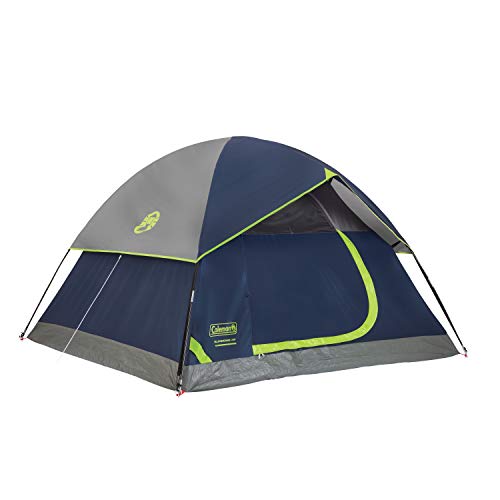
Coleman Sundome Tent

SANSBUG Instant Screen Tent

Gazelle T4 Portable Pop-Up Tent

Dragoon Unlimited Ridgeback Solo Tent
What Each Pick Brings To The Table
The Panda is a compact shelter that swaps flexible poles for an inflatable air frame, so pitching takes a hand pump instead of a wrestling match with fiberglass. The canvas shell breathes better than typical nylon tents, which matters on damp mornings when condensation soaks sleeping bags.
Because it carries a stove jack (a reinforced port that lets a flue pipe pass safely through the wall), you can run a small wood burner inside for shoulder-season trips. For most weekend campers, the roomy interior fits a couple plus gear, though tight quarters show up once you add a stove platform.
What Helps Most
- Inflatable frame cuts setup to roughly two minutes with a pump, which is great after a long drive
- Breathable canvas reduces the clammy feeling that builds up in synthetic shelters overnight
- Built-in stove jack opens up cold-weather camping without needing a separate hot tent
- Stable structure handles wind better than typical fiberglass-pole budget tents
- Spacious interior fits two adults and a dog with room to spare
Things To Consider
- Canvas is heavier and bulkier than nylon, so this is more of a drive-up tent than a backpack option
- A pump is required separately if you don’t already own one
- Smaller interior once a stove, platform, and pipe take up floor space
Who It Suits Best
Couples who camp in cool or shoulder-season weather and want canvas comfort without pole frustration.
Where Another Pick Suits Better
Backpackers covering long miles should look at the Dragoon Unlimited Ridgeback instead, which trims weight dramatically.
The Sportneer isn’t a full tent, it’s a mesh sleep chamber designed to drop over a cot or sit on the ground. The pop-up frame springs open the second you release the elastic strap, which is genuinely handy when you’re setting up camp in a buggy clearing at dusk.
Compared with the Panda canvas above, this is the opposite approach: zero rain protection, but unbeatable airflow. You may find it doubles as a backyard sleep pod for hot nights when air conditioning feels like overkill.
Reasons It Performs
- Pitches in literally one second, perfect when mosquitoes are already circling
- Mesh walls keep out gnats, no-see-ums (tiny biting midges), and most spiders
- Fits a standard cot or lays directly on the ground
- Lightweight and packs small enough for a suitcase
Worth Noting
- No rain protection whatsoever, so a sudden shower means a wet night
- Folding it back into the storage shape takes practice the first few tries
Made For
Warm-weather campers dealing with relentless mosquitoes who already own a waterproof shelter or sleep under a roof.
Consider Something Else When
Campers expecting real rain coverage should choose the Coleman Sundome or the Gazelle T4, which include proper rain flies.
The Coody trades the Panda’s snug footprint for genuine living space, the kind that lets kids play cards while adults stand up to change jackets. Same canvas-and-inflatable formula as the first pick, but stretched across a much wider floor plan.
A stove jack is included, so this works as a glamping base for cool months. For most families, the real appeal is how fast it goes up: one pump session and the whole shelter is standing, no fiberglass poles to sort.
What Stands Out
- Room for a family plus table, chairs, and gear without feeling cramped
- Canvas handles condensation far better than nylon in cool weather
- Air frame inflates in minutes, no pole assembly frustration
- Stove jack supports a wood burner for chilly nights
Points To Keep In Mind
- Bulk and weight make this a drive-up-only shelter, not a backpacking choice
- Higher price than standard family tents, even at the entry level
- Larger surface area needs solid staking in soft ground
Feature Snapshot
Best Suited To
Families or small groups running a base camp with a vehicle, especially in cool or shoulder-season weather.
Skip It When
Solo travelers or backpackers will find the Coody too heavy, and should look at the Dragoon Unlimited Ridgeback instead.
The Sundome is the tent most people picture when they think car camping, dome-shaped, fiberglass poles, and a covered entry. It comes in multiple sizes, but even the two-person version feels open enough for a couple plus a backpack each.
Where the Coody uses canvas and air tubes, the Sundome sticks to tried-and-true materials. For most first-time campers, that’s a feature, not a flaw: replacement parts and tutorials are everywhere.
Strengths Worth Knowing
- Snag-free pole sleeves speed up setup, even for beginners
- WeatherTec system (Coleman’s name for taped seams and a covered zipper) handles light to moderate rain
- Wide door and window improve airflow in summer
- Available in 2-, 3-, 4-, and 6-person versions to fit your group
Trade Offs
- Fiberglass poles can snap if bent too hard in cold weather
- Lighter fabric than canvas, so condensation builds up faster overnight
- Not designed for snow loads or extended winter use
The Right Fit
New campers, families, and anyone who wants a no-drama shelter for spring through fall trips.
Look Elsewhere When
Four-season campers facing real snow should consider the RBM Outdoors Panda instead, which handles heavier weather.
SANSBUG builds a freestanding mesh room that pops open the moment you toss it. A tarp floor adds durability and keeps creepy-crawlies from coming up through the ground, which is the kind of detail you appreciate in a swampy campsite.
Compared with the Sportneer mosquito net above, this one is taller, roomier, and self-supporting without a cot underneath. You may find it works just as well as a backyard nap shelter as a camping accessory.
Why It Works Well
- One-second pop-up setup is genuinely one-handed once you get the trick
- Tarp floor holds up to rocky or thorny ground better than bare mesh
- No-see-um mesh (a tighter weave that blocks tiny biting insects) keeps midges and gnats out
- Works indoors for sleepovers, guest rooms, or allergy relief
Honest Caveats
- No weather protection beyond mesh and floor, so it’s a fair-weather product
- Folding it back takes patience and a careful hand
Who Will Love This
Backyard sleepers, patio loungers, and warm-weather campers who already have rain protection covered.
A Better Fit Elsewhere
Anyone needing an all-in-one rain shelter will do better with the Gazelle T4, which includes a full rain fly.
The Gazelle T4 is a hub-style shelter that unfolds in roughly 90 seconds, no pole sorting, no instruction sheet. The orange polyester body stands out at crowded campgrounds, which is helpful when you’re guiding kids back from the restrooms.
Unlike the Coleman Sundome, this isn’t really a sleeping tent. It’s a screen room with a removable floor, sized for four people to sit, eat, or nap in shade. For most beach trips and tailgates, that combination is exactly the point.
Real Benefits
- Pre-assembled hub design pops up almost instantly
- Mesh walls let breeze through while keeping insects out
- Removable floor lets you sweep out sand or water easily
- Full rain fly covers the roof for light showers
Things To Weigh
- Heavier and bulkier than a typical backpacking tent
- Not designed for overnight sleeping setups with cots and pads in cold weather
Quick Facts
Whose Shelf It Belongs On
Families hitting the beach, day-use picnics, or anyone who wants a fast shade shelter for the backyard.
Reach For A Different Pick When
Campers needing an actual sleeping tent should pick the Coleman Sundome, which is built for overnight shelter.
The Ridgeback is built for people who carry everything on their backs. At roughly 5.5 pounds, it’s heavier than ultralight tarps, but you get a real tent shape with 42 inches of headroom, enough to sit upright and change clothes without crouching.
Where the canvas inflatable options above are designed for base camps, the Ridgeback fits inside a backpack and pitches fast. For most hikers and bug-out preppers, that trade-off is exactly the point.
Useful Strengths
- 90-inch length gives genuine stretch-out space for sleeping tall
- Waterproof construction handles steady rain without leaking
- Lightweight enough to carry on multi-day trips
- Quick setup means less time fighting the tent in bad weather
Some Limits To Know
- Single-wall design (a tent built with one layer of fabric instead of separate inner and outer walls) traps more condensation than double-wall tents
- Limited interior width makes gear storage tight inside the sleeping area
- Not built for group camping, this is a solo shelter
Key Attributes
Perfect Match For
Solo backpackers, emergency preppers, and hunters who want a compact shelter that handles real weather.
Swap It Out When
Family campers will find the Gazelle T4 or Coleman Sundome far more useful, since the Ridgeback is built strictly for one person.
Picking The Right Tent For Your Trips
Start with how you actually camp, not what’s cheapest. A weekend at a developed campground with car access calls for a completely different shelter than a week-long backpacking trip, and forcing the wrong shape on the wrong trip is how cheap tents end up in garages.
Capacity vs. Comfort
Manufacturers rate tents by the number of sleeping pads they fit shoulder-to-shoulder, which is rarely comfortable for adults. For two adults and gear, a 3-person minimum reads more like a starting point. Larger tents feel roomier but also weigh more and take longer to dry.
Fabric Matters More Than You Think
Nylon and polyester dominate the budget end because they’re light and inexpensive. Canvas breathes more naturally and lasts longer, but it costs more and weighs more. A waterproof coating or rain fly is essential regardless of fabric: no budget shell stays dry without one.
Frame Style Affects Setup Speed
Traditional fiberglass or steel poles are reliable but slower to pitch. Inflatable air frames and pre-assembled hubs cut setup time dramatically, which matters when you arrive at camp late or in bad weather. The trade-off is repair complexity in the field.
What To Weigh Before You Buy
Where Shoppers Go Wrong
The biggest mistake is sizing a tent for the number of people, then forgetting about gear storage. Sleeping pads, packs, and clothes need floor space too, and cramped interiors ruin trips fast. Another common slip is ignoring climate: a three-season shelter can fail in early snow, while a heavy winter tent suffocates in summer heat.
What The Higher Tier Buys
Spending more usually buys better materials: stronger poles, taped seams, ripstop fabric (a reinforced weave that stops small tears from spreading), and storm-ready rain flies. For occasional fair-weather trips, budget tiers handle the job fine. Regular campers in variable weather benefit from upgraded fabrics and construction that hold up season after season.
Frequently Asked Questions
Are cheap tents actually waterproof?
Most budget tents come with a waterproof coating on the rain fly, but the seams are often the weak point. Sealing the seams with a seam-sealing product at home improves weather resistance significantly.
How long should a budget tent last?
With reasonable care, a well-made budget tent typically lasts several seasons of weekend use. The poles and zippers tend to wear out before the fabric, so handle those gently.
Can one tent work for backpacking and car camping?
Some midweight shelters handle both, but each style optimizes for different priorities. Backpacking tents trim weight at the cost of space, while car-camping shelters add room at the cost of packed size. Pick based on your most common trip.
Do inflatable tents leak air over time?
Air frames can lose pressure in cold weather or after small punctures, so most campers carry a patch kit. The frames hold air well during normal use, but they’re not as field-repairable as traditional poles.
Is a bigger tent always better?
Not necessarily. Larger tents weigh more, take longer to set up, and hold more heat in summer. For solo or couple trips, a smaller tent pitched at a sheltered site often feels more comfortable than a sprawling one in the open.
Wrap Up
The right tent depends on how you camp, where you go, and what weather you’re willing to push through. Canvas inflatable shelters handle cold-weather base camps, dome designs like the Sundome fit family car camping, and mesh pop-ups solve bug-heavy nights. Match the tent to the trip, and the budget stretches a lot further than chasing the cheapest listing.