
A good camp tent shouldn’t ask you to choose between dry nights and a paid-off weekend. The seven picks below stretch across small bugout bivies, family-size hubs, and canvas living-room-style shelters, so you can match the shelter to the trip instead of forcing the trip to fit the gear. Each one leans on a specific strength, whether that’s a quick pop-up for tired car-campers, a stove-ready canvas for cold shoulder seasons, or a featherlight shelter that disappears into a backpack. Read through, picture your last campsite, and grab the one that solves the problem you actually had.
The Lineup, Simplified

RBM Outdoors Panda Canvas Inflatable Tents for Camping

Sportneer Pop-Up Mosquito Net Tent

Coody Premium Inflatable Tent for Camping

ALPS Mountaineering Lynx 2-Person Tent
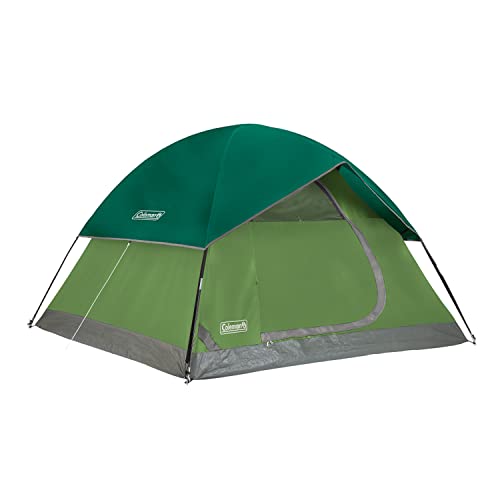
Coleman Sundome Tent

Gazelle T4 Pop Up Camping Tent

Dragoon Unlimited Ridgeback One Person Tent
Why These Options Stand Out
The Panda takes the slow, breathing feel of canvas and pairs it with an inflatable air frame, so you skip the metal pole acrobatics that send most folks to the campground map for help. A stove jack sits up high, which is the real reason cold-season campers end up gravitating toward this style: you can run a small wood stove safely, dry damp boots by the flue, and stretch shoulder-season weekends into proper winter ones without swapping shelters.
The footprint feels more like a wall tent than a backpacking dome, so it lives best at drive-in sites where weight and pack size don’t matter. Compared to the Sportneer mesh shelter up next, this one is built to hold heat in and weather off, not just to stop bugs from joining dinner.
Practical Advantages
- Inflatable frame cuts setup time versus traditional canvas wall tents
- Stove jack allows safe use of a small wood heater for shoulder-season warmth
- Breathable canvas helps regulate interior humidity on damp nights
- Stable footprint handles light wind better than single-pole designs
Things To Consider
- Canvas packs heavier and bulkier than nylon options, so it isn’t a backpack shelter
- Owners commonly report the fabric needs a season of weathering to fully seal seams
- Requires compatible stove and proper flue setup to use the jack safely
Built With In Mind
Cold-season campers and small-group glampers who stay at drive-in sites and want stove heat without fighting traditional poles.
Skip It When
The ALPS Mountaineering Lynx 2-Person Tent suits backpackers who need a lighter, packable shelter far better than the Panda does.
This isn’t really a tent, more a free-standing bug room that pops open the moment you release the elastic strap. You toss it, it lands open, and you climb inside. The mesh breathes well enough that humid nights feel less clammy, and the rectangular 86.6″ by 33.5″ by 35.4″ shape fits over a camping cot or gets staked straight on a ground sheet.
It pairs well with a tarp overhead or a basic rain fly, but it does not stand alone as weather shelter. Think of it as the layer that keeps mosquitoes, gnats, and no-see-ums off your face while you sleep, which is exactly the problem the canvas shelters above don’t try to solve.
Useful Touches
- True instant pop-up design cuts setup to seconds for tired campers
- Breathable mesh dramatically improves airflow on muggy nights
- Fits both cots and ground setups, which most bug shelters don’t manage
- Lightweight enough to toss in a daypack as backup shelter
Worth Noting
- Mesh offers no rain protection on its own, so you’ll need a separate fly
- Folding the tent back into the storage ring takes practice
The Right Fit
Warm-weather campers and hut-to-hut travelers who mostly battle insects rather than cold rain on summer nights.
Consider Something Else When
The Gazelle T4 Pop Up Camping Tent is a better match for car campers who want full rain coverage plus bug screening in one piece.
The Coody leans further into the canvas-living-room idea than the RBM Panda: more standing height, more floor space, and a similar inflatable air frame that gets the shelter standing without a forest of poles. A stove jack lets you bring a small heater into the tent on cool nights, which matters more for families than solo backpackers.
It is not a backpacking tent by any stretch, and you can feel that the moment you read the packed weight. Treat it as basecamp furniture: drive in, pump it up, spread the cots, and you’ve got a tent that handles a long weekend with kids and dogs under one roof.
The Case For It
- Roomy enough for a small family or group to stand and move around
- Inflatable frame cuts what is normally a frustrating canvas tent setup
- Stove jack opens up cool-weather use that’s hard to find in nylon tents
- Breathable TC canvas handles condensation better than single-wall synthetic tents
Trade Offs
- Packed size and weight make it impractical for any hike-in site
- Higher price tier than ultralight nylon shelters
Made For
Family campers and small groups who car-camp in cool or shoulder-season weather and want standing-room comfort.
Look Elsewhere When
The Coleman Sundome Tent suits families watching their budget on warm-weather weekends more than the Coody does.
The Lynx is the one to read closely if you’ve ever found yourself hoisting fiberglass rods and praying they don’t snap. It uses aluminum poles instead of fiberglass, paired with a simple two-pole rectangular dome and clip-style attachments that get the shelter pitched even in low light. Mesh panels cover roughly half of each wall, which pushes airflow up noticeably on warm trips.
For two people plus gear, it sits in that comfortable middle between ultra-light backpacking shells and full-size car-camp domes. The trade-off versus the canvas shelters above is real: the Lynx is lighter, cooler, and far cheaper, but it doesn’t bring the stove heat or four-season canvas feel.
What It Does Well
- Aluminum poles shed weight and resist the snapping issue fiberglass has
- Mesh-heavy walls ventilate well on humid nights
- Freestanding design lets you rotate the tent to face prevailing wind
- Clip attachments make first-time setup noticeably easier
Points To Note
- Two-person rating is tight; with two adults and packs, expect cozy conditions
- Single-wall fabric dampens in heavy rain without a taut pitch and good site choice
Key Specs
Who Should Grab It
Entry-level backpackers and weekend campers who want aluminum-pole durability without paying ultralight prices.
A Better Fit Elsewhere
The Dragoon Unlimited Ridgeback One Person Tent is the better pick for solo backpackers who want maximum packability.
The Sundome has been the gateway tent for so many families that calling it a classic barely feels like an overstatement. It comes in 2-person and 3-person sizes, sets up with continuous pole sleeves, and runs Coleman’s WeatherTec system to push back against weather at car-camp elevations. Snag-free continuous sleeves are the small detail that saves setup time when kids are already dismantling the cooler.
It is not the lightest shelter on this list, and the polyester build won’t insulate like canvas. What it does well is hold up to weekend abuse at a state park, year after year, for households that aren’t trying to go ultralight.
Positive Points
- Multiple size options match different family sizes without forcing a one-size-fits-all choice
- WeatherTec system helps the tent shrug off moderate rain and wind at the campground
- Snag-free pole sleeves shorten first-time setup dramatically
- Lower price tier than canvas or specialty shelters
Honest Caveats
- Polyester walls can trap condensation in humid weather without ventilation discipline
- Heavier than ultralight nylon options, so backpackers should pass
Feature Card
Best Suited To
First-time family campers and casual weekend trippers who need reliable weather management at an approachable cost.
Not Your Match When
The Gazelle T4 Pop Up Camping Tent makes more sense for groups that want pop-up speed over pole-sleeve setup.
Pop-up hub tents earn their reputation honestly once you’ve tried one in the dark, and the Gazelle T4 is the cleanest version of the format. A pre-assembled hub design takes the tent from bag to standing shelter in under 90 seconds: pop out the wall hubs, pop up the roof panel, and stake it. A removable floor, mesh window screens, and a separate rain fly round out the package for beach or campsite use.
The polyester build is heavier than backpacking options, but the trade-off buys you a four-person footprint and an easy pack-down. If your trips usually involve small kids, lots of gear, and an exhausted arrival, that quick setup matters more than cutting another pound.
Notable Gains
- Hub design sets up in under 90 seconds for tired arrivals
- Removable floor simplifies cleaning after sandy or muddy weekends
- Mesh windows improve airflow when the rain fly is on
- Four-person layout handles small families without crowding
Room For Improvement
- Pack size stays bulky compared to traditional pole tents
- Heavier than backpacking shelters, so it lives at car-camp sites
Feature Snapshot
Whose Shelf It Belongs On
Car campers and beach-going families who set up camp often and value quick pop-up speed over pack-down size.
Reach For A Different Pick When
The Sportneer Pop-Up Mosquito Net Tent is the better fit for warm, buggy sites where mesh and airflow matter more than rain fly coverage.
The Ridgeback gets a lot of attention from the solo-backpacker crowd, and it’s worth knowing why. Headroom runs about 42 inches with a floor length near 90 inches, so it’s roomier than most one-person tents at this weight class. Stakes come included in the package, and the total pack weight lands around 5.5 pounds, depending on what you carry inside.
It reads more like a survival bivy that happens to be livable than a stripped-down tarp tent, which is the honest framing. Compared to the ALPS Lynx up above, this is a smaller, lighter shelter for true solo travel. It won’t host a partner, and the floor feels narrow for restless sleepers, but the upside is genuine backcountry portability.
What Stands Out
- 42-inch headroom is generous for a solo shelter at this weight
- Includes quality Y-style stakes to get you camp-ready without extras
- Light enough for backpackers who count ounces
- Simple setup suits solo campers managing everything alone
Points To Keep In Mind
- Single-person only; tight for two adults even in a survival scenario
- Narrow floor width feels restrictive for active sleepers
Quick Facts
Who Will Love This
Solo backpackers and survival-oriented campers who want packable shelter with enough room to actually sit up and move.
Swap It Out When
The RBM Outdoors Panda Canvas Inflatable Tent is the better pick for campers who prioritize cold-weather comfort over pack weight.
What Matters Most Before Choosing Cheap Tents For Camping
Capacity Versus Pack Weight
Capacity ratings lean optimistic across the category, so size up if your group runs tall or packs heavy. Two-person tents really hold two slim adults without gear, while three-person versions handle a couple plus a dog or small child. Backpackers should weight-match the tent against their full pack rather than trust the listed spec alone.
Material And Weather Behavior
Canvas breathes better than polyester but weighs more, while nylon and polyester stay lighter and dry faster on the trail. Stove jacks belong only on canvas-style shelters designed for safe heater use. Look for taped seams, factory-sealed floors, and reinforced stress points where the fabric meets the poles.
Setup Style And Group Skill
Pop-up hub tents suit tired families and beach trips, while traditional pole domes stay easier to repair in the field. Inflatable air frames cut setup time without adding much weight, but they require a pump and a working valve. Match the setup style to the campers using it, not the marketing copy.
Intended Climate
Three-season tents handle most spring, summer, and fall trips, while four-season builds add pole structure for snow loads. Humid climates reward mesh-heavy walls and good ventilation, while shoulder-season trips benefit from enclosed fabric and weather-resistant coatings.
Key Things To Weigh Before You Commit
Mistakes Worth Dodging
Buying a tent rated for your group size without leaving room for packs and gear is the most common slip-up, and it ends in elbows and bags underfoot all weekend. Skimping on rainfly coverage because the photo looks sunny is another trap: always check whether the fly reaches the ground or stops at the ceiling. Forgetting stake quality matters too, since cheap stakes bend on hard soil and leave the shelter flapping in wind.
What Separates Premium From Basic
Higher-tier models tend to use better fabric coatings, stronger pole materials like aluminum, and tighter quality control at seams and zippers. You’re paying for longevity, easier repair access, and lower noise in wind, not just a fancier logo. The upgrade pays off for campers who log many weekends a year, while occasional trippers often find the value tier serves them well.
Frequently Asked Questions
What Size Tent Do I Need For Camping?
Add one to your headcount for comfort, especially if you carry packs or share space with a dog. A two-person tent works for one person with gear, but two adults will feel cramped without that buffer.
Are Inflatable Tents Reliable For Camping?
Inflatable air frames handle normal weather reliably when the valves and seams are kept clean. Owners commonly report keeping a spare pump and patch kit on hand for longer trips, which is sensible insurance for any air-frame shelter.
Can Budget Tents Handle Rain And Wind?
Budget tents with taped seams and full-coverage rainflies handle moderate rain and wind at the campground well. For exposed ridgelines or heavy storms, stepping up to a stronger pole structure and tighter fabric weave makes a real difference.
How Long Do Cheap Camping Tents Usually Last?
A well-cared-for entry-level tent often runs three to five seasons of regular family use before seams and zippers need attention. Canvas shelters tend to outlast synthetic ones with proper drying and storage between trips.
Is A Pop-Up Tent Worth It For Camping?
Pop-up tents earn their keep when you arrive tired, leave early, and value quick setup over compact packing. Backpackers usually skip them for weight reasons, but car campers and beach trippers tend to love the time savings.
Bottom Line
Cheap tents for camping come in genuinely useful shapes these days, from featherlight solo shelters to canvas living rooms with stove jacks. Pick the size and material that match your real trips, not the dream version of them, and the rest tends to work itself out. Whatever your weekend looks like, there’s a shelter on this list built for exactly that kind of night.