
You don’t need a contractor-grade machine to clear a driveway full of autumn leaves. Plenty of cordless and corded models now handle suburban lots without the noise, fuel mixing, or maintenance of gas rigs. The five blowers below cover a wide spread of needs, from weekend leaf duty to quick patio touch-ups, and none of them require a big investment to get started.
The Lineup, Simplified

Makita XBU02PT1 36V LXT Brushless Blower Kit (5.0Ah)

MZK 3-in-1 Corded Leaf Blower Vacuum Mulcher
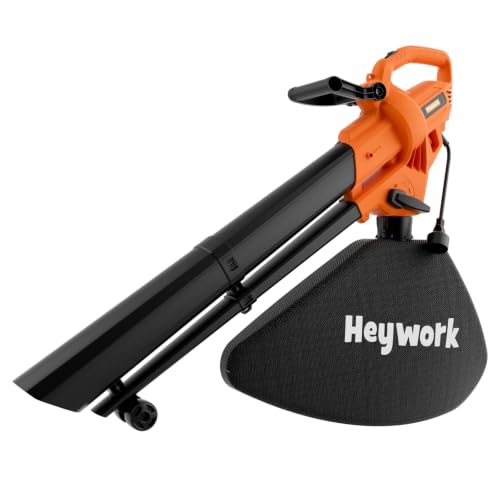
Heywork 3-in-1 Leaf Vacuum Mulcher 450 CFM

Makita XBU02PT 36V LXT Brushless Blower (5.0Ah)

ZARIMI 990,000 RPM Cordless Leaf Blower (2 Batteries)
What Each Pick Brings To The Table
This is the kit version of Makita’s cordless blower, which means four 5.0Ah batteries come in the box along with a charger. For households already invested in the LXT platform, that’s a generous runway: you can run two packs while two charge and basically never stop moving leaves. Compared to the corded MZK and Heywork picks below, you trade unlimited runtime for total freedom from outlets.
The brushless motor (a motor that uses electronic switching rather than carbon brushes, which means less friction and longer life) is the main reason this blower earns its reputation. The 36V power comes from two 18V batteries working in series, which gives the tool real authority for wet leaves, pine needles, and stubborn debris in corners. Landscapers and homeowners with large lots tend to favor this setup for daily, sustained work.
Positive Takeaways
- Four 5.0Ah batteries in the box keep the work going with no forced breaks to recharge.
- Brushless motor design typically outlasts brushed alternatives, lowering long-term replacement risk.
- Zero emissions and quieter operation than gas models, a relief in close-knit neighborhoods.
- Compatible with any tool in the expanding Makita 18V LXT lineup, so chargers stay shared across your kit.
Worth Noting
- The kit price runs higher than entry-level cordless options, so first-time shoppers may not recoup the cost on small yards.
- Cold-weather battery performance can dip noticeably, which matters for late-fall cleanup days.
Quick Facts
Who It Suits Best
Existing Makita 18V owners with mid-size to large lots who want cordless convenience without buying a single bare tool.
Consider Something Else When
Small-yard owners should look at the ZARIMI Cordless Leaf Blower instead, since the lighter build suits quick patio duty more naturally.
The MZK does triple duty: it blows leaves into piles, vacuums them up, and mulches them on the way to the collection bag. For homeowners who hate the cycle of blowing leaves into a corner only to bag them by hand, that 3-in-1 design changes the cleanup rhythm. The bright red body is easy to spot in tall grass, which is a small but real safety plus.
With up to 460 CFM (cubic feet per minute, a measure of how much air the blower pushes) and roughly 167 MPH air speed on the source spec, this is one of the stronger corded options in this price bracket. Compared to the cordless ZARIMI and Makita entries, you stay tethered to an outlet, but you never deal with dying batteries mid-job. Most suburban driveways and patios are within reach of a 50-foot outdoor extension cord.
The Upside
- Three functions in one tool reduce the need for separate raking, blowing, and bagging gear.
- High CFM rating moves heavy, wet piles that frustrate weaker blowers.
- Tool-free mode switching speeds up transitions when you move between blowing and vacuuming.
- Mulching chops debris into smaller pieces, so the collection bag holds more before emptying.
Trade Offs
- A cord limits reach, and the vacuum function feels awkward on lots where dragging a cable through leaves is a hassle.
- Owners commonly report the collection bag needs frequent emptying in dense leaf piles, so plan for more trips to the compost.
Made For
Suburban households with lots of mature trees, where bagging leaves is a weekly chore rather than a one-off task.
Look Elsewhere When
You’d rather skip bagging altogether; the Makita XBU02PT (5.0Ah) blower handles pure blowing duties more cleanly.
The Heywork matches the MZK’s general approach: blow, vacuum, mulch with no tools required for switching. It sits at a friendlier entry point, which makes it appealing for first-time buyers or anyone treating the blower as a seasonal tool. For many readers, the cheaper price tag is the entire reason to shortlist it.
Source specs list 450 CFM airflow and around 158 MPH air speed, which puts it just behind the MZK on paper but still well above basic consumer blowers. The corded design means consistent power across the yard as long as you have a quality extension cord rated for outdoor use. If you’re working in a tight urban lot with no shed space for battery gear, corded is often the simpler answer.
Everyday Wins
- Lower price point compared to most 3-in-1 corded competitors in the category.
- 450 CFM moves dry leaves efficiently off driveways and sidewalks.
- No batteries to store or replace, so long-term upkeep stays minimal.
- Tool-free transitions keep workflow smooth when alternating between blowing and vacuuming.
Points To Consider
- Air speed trails the MZK, so wet or matted leaves can take multiple passes.
- The mulched collection bag fills fast in heavy fall conditions, requiring frequent emptying runs.
Feature Snapshot
Best Suited To
Budget-focused homeowners with a small-to-medium yard and easy access to an outdoor power outlet.
A Better Fit Elsewhere
If you want a bit more raw airflow, the MZK 3-in-1 model delivers slightly higher CFM and air speed for a modest step up.
This is the non-kit version of the Makita cordless blower, and it includes two 5.0Ah batteries instead of four. If you already own LXT chargers and want the same 36V brushless performance without the higher kit price, this version makes more sense. It carries the same Teal colorway the brand is known for and shares the platform with hundreds of other tools.
The two-battery setup still gives you reasonable runtime, just with shorter breaks to swap packs. Compared to the entry-level ZARIMI cordless option, you get stronger build quality and a brand ecosystem that pros trust. For people using a blower weekly rather than a few times per season, that difference shows up fast.
Practical Advantages
- Brushless motor reduces friction and typically extends tool life versus brushed designs.
- Two batteries in the box keep most yard sessions moving without long charging pauses.
- Quieter than gas equivalents, so you can run it earlier in the morning without neighbor friction.
- Zero exhaust means you can use it in covered areas like garages with decent ventilation.
A Few Limitations
- Two batteries mean shorter continuous runtime than the four-battery kit version above.
- Premium pricing relative to budget cordless options may not fit a one-time seasonal user.
Perfect Match For
Homeowners tackling frequent yard work who already trust the Makita platform and want a durable, repeatable tool.
Skip It When
You mostly blow leaves off a small patio; the lighter ZARIMI Cordless Leaf Blower covers that without the same investment.
The ZARIMI is the lightest-feeling option in this lineup, and the two-battery package makes it ready to run out of the box. The turbine spins at very high RPM, and the spec sheet claims airflow above 50 meters per second. In real terms, that translates to enough push for sweeping patios, blowing grass clippings off driveways, and clearing light leaf cover from decks.
It also ships in a light orange finish, which is hard to lose in the yard. Compared to the heavier Makita and the corded MZK, the ZARIMI is the one you’d grab for a quick five-minute tidy without thinking about it. The trade-off is durability and sustained power on thick, wet leaves.
What Stands Out
- Lightweight handheld design reduces arm fatigue during short, repeat cleanup sessions.
- Two batteries and a charger in the box, no separate purchases to start working.
- High-RPM turbine handles grass clippings, light leaves, and deck debris effectively.
- Cordless design means zero cable management in tight patios and porches.
Soft Spots
- Build materials feel lighter than premium cordless options, so longevity under heavy use may be limited.
- Wet, matted leaves tend to clog or stall, requiring slower passes than the MZK or Heywork.
Key Product Details
Who Will Love This
Anyone wanting grab-and-go leaf cleanup on a patio, balcony, or small yard without dragging out extension cords.
Swap It Out When
Tackling thick, wet leaf piles; the corded MZK 3-in-1 model chews through heavier debris with less strain.
Picking The Right Blower For Your Yard
Power source is the first fork in the road. Cordless blowers, like the Makita and ZARIMI picks, free you from outlets and extension cords but add charging time and battery wear to your routine. Corded options, such as the MZK and Heywork, deliver continuous power but tether you to a plug. Smaller urban lots favor cordless convenience; larger properties with a clear path to an outlet may run a corded unit all day without breaking a sweat.
Air volume and air speed both matter. CFM (cubic feet per minute) tells you how much air moves, while MPH tells you how fast that air travels. Higher CFM helps push big piles of dry leaves; higher MPH helps dislodge stuck debris from pavement. Models that pair both, like the MZK at 460 CFM, tend to handle mixed conditions with fewer repeated passes.
Form factor changes everything about how a blower feels. A handheld unit such as the ZARIMI is comfortable for quick patio sweeps, while a 36V tool-grade machine like the Makita XBU02PT1 absorbs longer cleanup sessions on bigger lots. If vacuuming and mulching are part of your routine, a 3-in-1 design saves real time over switching between a rake and a blower.
Weight, noise, and storage round out the practical side. Cordless handheld blowers weigh less but still demand one-handed control for extended periods. Quieter motors matter for early-morning yard work without disturbing neighbors, and compact bodies fit on a garage shelf without rearranging everything else. Balancing these against your typical cleanup size helps you narrow the list quickly.
Key Considerations Across These Picks
Pitfalls Shoppers Hit
Buying a cordless blower without checking the platform ecosystem is a common stumble. The Makita models only make sense if you’re willing to invest in LXT chargers and batteries over time, since replacements are brand-specific. Skip that thought process and you may end up paying platform-premium pricing on a tool you rarely use.
Another trap is underestimating how often you’ll vacuum and bag leaves versus just blowing them. A handheld cordless blower like the ZARIMI excels at moving debris around but doesn’t collect anything, so a 3-in-1 corded unit is the better match if you want clean patios at the end of the day. Match the tool to your actual cleanup pattern, not the marketing copy.
Where The Extra Money Goes
Stepping up to a kit version, like the Makita XBU02PT1 with four batteries, mostly buys convenience. You swap packs in and out and avoid forced charging breaks during big yard sessions. The 3-in-1 corded models charge more for vacuum and mulching hardware, which adds weight but eliminates the rake-and-bag step entirely. Those upgrades pay off for frequent users and larger properties, while occasional users rarely tap into the full value.
Frequently Asked Questions
Are cheap cordless leaf blowers powerful enough for a normal yard?
Yes, for most suburban lots with light to moderate leaf cover, modern cordless blowers handle weekly cleanup well. The Makita and ZARIMI options both deliver enough airflow for driveways, patios, and small lawns.
How long do batteries typically last on a single charge?
Runtime depends on battery amp-hours and the speed setting you use. The 5.0Ah Makita packs generally stretch across a typical yard session, while smaller batteries on lightweight models may need a swap partway through a big cleanup.
Is a corded blower better than a cordless one?
Not necessarily better, just different. Corded blowers offer consistent power and unlimited runtime, but require a reachable outlet and extension cord management. Cordless blowers trade some sustained power for total mobility and simpler storage.
Can a leaf blower vacuum wet leaves?
Most consumer-grade vacuum functions struggle with wet or matted leaves. The MZK and Heywork models handle damp debris in short bursts, but for fully soaked piles you’ll get better results blowing them dry first and then vacuuming.
How loud are these leaf blowers compared to gas models?
Cordless and corded electric blowers run noticeably quieter than gas-powered machines. Most fall in a range suitable for residential neighborhoods, though wearing hearing protection during long sessions is still wise.
The Takeaway
Cheap leaf blowers have come a long way, and any of the five picks above will earn its keep on a typical suburban property. Match the power source and form factor to your yard size, and you’ll spend less time wrestling leaves and more time enjoying a clean outdoor space. Your future self, with a freshly swept driveway, will thank you.