
Keeping drinks cold on a budget shouldn’t mean gambling on a flimsy plastic box that cracks after two trips. The right cooler protects your food, earns its space in the trunk, and stays useful long after the season ends. This lineup covers everything from a 24-can soft backpack built for group hangs to a wheeled hard shell ready for multi-day basecamp duty, all geared toward campers watching their wallet.
A Quick View Of The Lineup

Custom Soft Cooler Bag – Personalized Insulated Backpack

YETI Tundra Haul Portable Wheeled Cooler
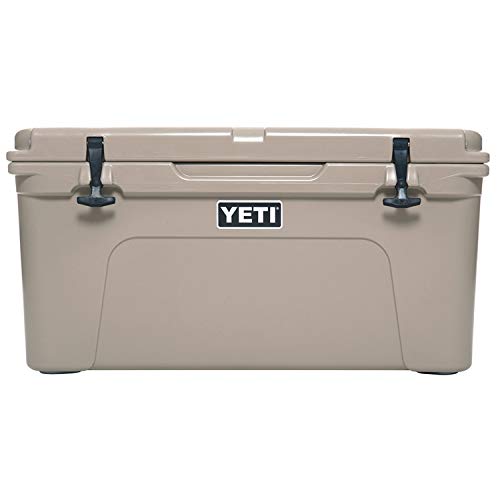
YETI Tundra 65 Cooler, Desert Tan

Stanley Adventure Outdoor Cooler 16 qt
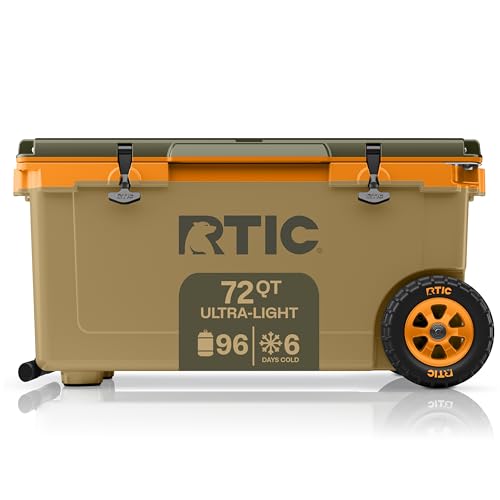
RTIC 72 QT Ultra-Light Wheeled Hard Cooler

Coleman Xtreme Kühlbox Blau 58 L
Taking A Closer Look At The Options
The Custom Soft Cooler Bag breaks the mold of the typical hard cooler by trading rigid walls for a soft, backpack-style silhouette that moves with you. Sized at 15 by 10 by 7 inches, it claims room for up to 24 standard cans, which is plenty for a tailgate, beach afternoon, or small crew hangout. The customizable exterior is the real hook: corporate logos, names, or event graphics get printed directly on the bag, turning it into a walking billboard or a memorable giveaway.
For campers who value hands-free carry over brute ice retention, the form factor makes sense. Compared to the rigid picks later in this lineup, you give up bear resistance and multi-day ice life, but you gain something you can actually sling across a parking lot or down a boardwalk without dreading the trip back.
A Few Strong Suits
- Backpack straps keep the load off your hands during long walks
- Custom printing turns the bag into event swag or a personal statement piece
- Soft-sided profile stores flat in a closet or car trunk between trips
- 24-can capacity covers small groups without dragging a wheeled chest behind you
Worth Noting
- Soft insulation typically holds ice for shorter windows than rotomolded hard coolers
- Custom production adds lead time, so it’s less suited to last-minute weekend trips
- Exterior fabric can pick up scuffs during rough handling, depending on use
Built With In Mind
Event planners, branded giveaway hosts, and small group leaders who want a wearable cooler with custom graphics.
Consider Something Else When
Campers chasing multi-day ice life should reach for the YETI Tundra 65 Cooler, Desert Tan instead.
The YETI Tundra Haul is the brand’s first foray into wheeled coolers, and it leans hard into the rotomolded, tank-style construction that made the standard Tundra famous. NeverFlat Wheels use a solid, single-piece tire build designed to resist punctures and impacts, while the StrongArm Handle welds aluminum with comfortable grips so you can pull real weight without the handle flexing. It carries the same PermaFrost insulation philosophy as the rest of the line.
For campers who park at a trailhead or pavilion and still face a long walk to the setup spot, the wheels earn their keep. Where the soft Custom Cooler Bag from earlier sacrifices ice life for portability, this one aims to give you both: extended cold retention and easier transport.
What Pays Off
- Solid wheels roll over gravel, grass, and cracked pavement without going flat
- Welded aluminum handle handles heavy loads without bending or wobble
- Rotomolded shell absorbs bumps that would dent a thinner-walled chest
- Wheels cut fatigue on long hauls from car to campsite
Trade Offs
- Bigger footprint than a soft backpack, so it needs trunk space
- Heavier empty than basic plastic coolers, depending on how far you need to lift it
Quick Facts
Right Fit For
Campers who shuttle gear across long distances from vehicle to site and want premium cold retention without carrying it.
A Better Fit Elsewhere
Solo hikers running tight budgets will find the Stanley Adventure Outdoor Cooler 16 qt easier to carry on foot.
The YETI Tundra 65 is the kind of cooler that survives a decade of family trips and still looks serviceable. PermaFrost Insulation layers up to three inches thick, paired with a FatWall design that helps it earn bear-resistant certification in regions where that matters. Rotomolded construction wraps the whole body in one continuous shell, so seams and weak corners, the usual failure points, basically disappear.
T-Rex Lid Latches use heavy-duty rubber with a patented keeper system, a quiet upgrade for anyone tired of plastic latches snapping mid-trip. The 65-quart cavity holds a serious load, and that makes it the right call when you’re provisioning a basecamp for several days rather than tossing a six-pack in the car.
Why It Works Well
- Bear-resistant certification matters in grizzly country and some national parks
- Rotomolded build shrugs off drops that would split a traditional plastic cooler
- Three-inch insulation extends ice life on extended stays
- Rubber T-Rex latches hold up to repeated rough handling
- 65-quart cavity fits a weekend’s worth of food and drinks for a small group
Points To Keep In Mind
- Heavy empty, so it works best when you can park close to camp
- Premium price tag puts it above budget shoppers’ comfort zone
- Large size demands real storage space at home
Who Should Grab It
Multi-day campers, hunters, and anglers running remote basecamps who prioritize ice retention and durability over portability.
Look Elsewhere When
Short day-trippers should consider the Stanley Adventure Outdoor Cooler 16 qt for easier handling.
The Stanley Adventure Outdoor Cooler takes a different approach than the heavy-hitting YETIs above it: keep it small, keep it light, and let the insulation do the work. The 16-quart cavity holds around 21 cans, more than enough for solo day trips, picnic blankets, or a couple of anglers sharing snacks. Stanley doubles up the foam compared to a typical cooler, so ice sticks around longer than the size suggests.
The top handle and rugged body make it easy to grab and go, while the adjustable bungee on the lid lets you strap a water bottle on top. For campers building a kit piece by piece, this is the kind of cooler you can realistically carry from the parking lot to a picnic table without a second trip.
Where It Excels
- Lightweight build reduces fatigue on foot-powered trips
- Top handle makes single-handed carry simple between car and site
- Double foam insulation stretches ice life past a single afternoon
- Lid bungee secures a bottle without digging through the cooler
- Compact footprint fits beside a tent or in a small trunk
Room For Improvement
- Capacity caps out fast for group trips beyond two or three people
- Less rugged than rotomolded options for rough backroads
Whose Shelf It Belongs On
Solo campers, day-trippers, and small picnic crews who want something they can grab with one hand and stow in a closet.
Swap It Out When
Families feeding four or more should look at the RTIC 72 QT Ultra-Light Wheeled Hard Cooler for bigger loads.
The RTIC 72 QT Ultra-Light Wheeled Hard Cooler lands in the sweet spot for families who need real volume without renting a hand truck. Puncture-resistant, all-terrain wheels handle dirt roads and grass without complaint, and the lighter rotomolded shell aims to keep the empty weight manageable compared to traditional wheeled chests. The 72-quart cavity swallows a weekend’s worth of food for a family of four, with room left for drinks.
Unlike the smaller Stanley Adventure above, this cooler is sized for basecamp duty but still mobile enough to roll from SUV to picnic table. Where the YETI Tundra 65 leans toward premium armor, RTIC pitches similar cold retention at a friendlier price point for cost-conscious families.
Notable Gains
- 72-quart cavity covers family-sized food and drink loads
- All-terrain wheels handle uneven campsite terrain
- Lighter rotomolded shell reduces empty weight for rolling
- Solid ice retention for multi-day stays
Honest Caveats
- Still bulky for solo campers with minimalist setups
- Wheels add width that takes up trunk space alongside other gear
- Drain plug area may collect grime over time, depending on use
Who Will Love This
Family campers and group leaders running road trips who want wheeled convenience with serious capacity.
Reach For A Different Pick When
Budget shoppers needing a simple stationary chest will find the Coleman Xtreme Kühlbox Blau 58 L more straightforward.
The Coleman Xtreme Kühlbox Blau 58 L is the no-nonsense chest for campers who want capacity without ceremony. The 58-liter cavity holds a generous weekend load, and the insulated body and lid keep ice around long enough for typical car-camping schedules. Durable plastic construction handles the inevitable bumps of being tossed in a trunk or slid across a truck bed.
Standing about 36 centimeters tall, it stays low-profile for storage in a garage corner. For shoppers comparing it to the wheeled RTIC above, the trade is clear: you give up wheels and a premium rotomolded shell, but you save money and skip the moving parts.
What Stands Out
- Budget-friendly price keeps the upfront cost low
- Generous 58-liter cavity fits a family’s worth of supplies
- Insulated lid and chamber extend ice life for car camping
- Simple hand-washable design keeps cleanup quick
- Compact 36 cm height stores neatly in a garage or closet
Practical Considerations
- Plastic walls dent more easily than rotomolded competitors
- No wheels, so transport needs a second pair of hands over distance
Feature Snapshot
Perfect Match For
Budget-conscious car campers setting up close to their vehicle who value simplicity over premium features.
Where Another Pick Suits Better
Anyone hauling the cooler across long distances should consider the YETI Tundra Haul Portable Wheeled Cooler instead.
What Matters Most Before Choosing Cheap Coolers For Camping
Sizing It To Your Trip
Cooler capacity drives every other decision, from ice budget to trunk space. A solo day trip fits comfortably in a 16-quart chest like the Stanley Adventure, while a family of four provisioning for a long weekend needs 58 liters or more. Going too small forces constant restocking; going too big means hauling extra weight and ice you don’t need.
Construction And Insulation Type
Rotomolded construction, where the shell is molded as one continuous piece, handles drops and rough transport far better than traditional blow-molded plastic. Thicker foam layers translate directly into longer ice life, though the trade-off is empty weight. For car camping close to the vehicle, lighter plastic chests like the Coleman Xtreme Kühlbox Blau 58 L work fine. For remote basecamps, premium insulation pays off.
Portability Features
Wheels transform a heavy cooler from a two-person job into a one-person job. Solid, single-piece tire designs resist punctures that would sideline cheaper wheels on gravel or grass. Backpack straps serve a similar purpose for soft-sided coolers, freeing your hands for a long walk. Match the carrying system to your real-world distance from car to campsite.
Cleaning And Maintenance
Smooth plastic interiors wipe down quickly and resist odor buildup, which matters when coolers see frequent use. Hand-washable designs save time at the campsite and in the kitchen. Draining meltwater thoroughly after each trip prevents mildew, and storing the cooler with the lid slightly cracked keeps air circulating.
Smart Choices For Tight Budgets
Pitfalls Shoppers Hit
A common mistake is sizing the cooler to party scenarios instead of regular use. Buying a 70-quart beast for solo day trips wastes space, weight, and ice. Another trap is trusting exterior thickness alone: thin plastic walls can dent and crack even when the cooler looks substantial. Match the build to your actual trip style.
Where The Extra Money Goes
Premium rotomolded shells, like those on the YETI Tundra 65, cost more because the molding process creates thicker, seamless walls that last years longer. Wheeled systems add moving parts, but solid-tire designs justify the price for anyone hauling weight across rough ground. The upgrade makes sense when you camp often enough to amortize the cost across multiple seasons.
Frequently Asked Questions
How Long Should A Cheap Cooler Keep Ice?
Most budget hard coolers hold ice for one to three days in moderate heat, while premium rotomolded models stretch that to four or five. Soft-sided coolers typically run shorter, often half a day to one full day. Pre-chilling the cooler and using block ice instead of cubes extends any model’s performance.
What Size Cooler Do I Need For A Weekend Of Camping?
A family of four usually wants 50 to 70 quarts for a weekend, which covers food, drinks, and ice reserves. Couples can manage with 35 to 50 quarts for the same window. Solo campers fit comfortably in 16 to 25 quarts if they resupply mid-trip or stick to non-perishable food.
Are Soft Coolers Worth It Compared To Hard Coolers?
Soft coolers win on portability and storage, especially for day trips and events where you carry the cooler on foot. Hard coolers dominate on ice retention and durability for multi-day basecamps. Pick based on whether you prioritize easy carrying or extended cold performance.
Can I Use Dry Ice In Any Camping Cooler?
Dry ice requires a cooler that vents gas safely, since trapped CO2 can build pressure and damage the lid or seals. Most standard rotomolded coolers handle dry ice with the drain plug open, but always check the manufacturer’s guidance before use. Never seal a dry ice cooler airtight.
How Do I Stop My Cooler From Smelling?
Empty the cooler completely after each trip, rinse with mild soap and water, and let it dry with the lid cracked. A baking soda paste scrubs stubborn odors, and a few drops of vanilla on a cloth wipe freshens the interior. Storing the cooler open prevents the musty smell that closed, damp interiors develop.
Final Verdict
A cheap cooler that fits your real trip style will outwork a pricey mismatch every time. Solo day-trippers get the most from the Stanley Adventure 16 qt, families do well with the RTIC 72 QT or Coleman Xtreme 58 L, and anyone chasing multi-day ice life lands on the YETI Tundra 65. Match capacity to your crew, wheels to your walk, and your wallet will thank you.