
A tight budget shouldn’t trap you under a leaky tarp on a cold night. The right inexpensive shelter can handle surprise showers, keep mosquitoes at bay, and still leave room in your pack for the rest of your kit. This shortlist mixes ultralight bivy-style shelters, family-size instant tents, and breathable canvas options, so the right fit for your style of camping is probably already on the page.
How The Shortlist Stacks Up

RBM Outdoors Panda Canvas Inflatable Camping Tent

Sportneer Pop-Up Mosquito Net Tent

Coody Premium Inflatable Canvas Camping Tent

ALPS Mountaineering Lynx 2-Person Tent
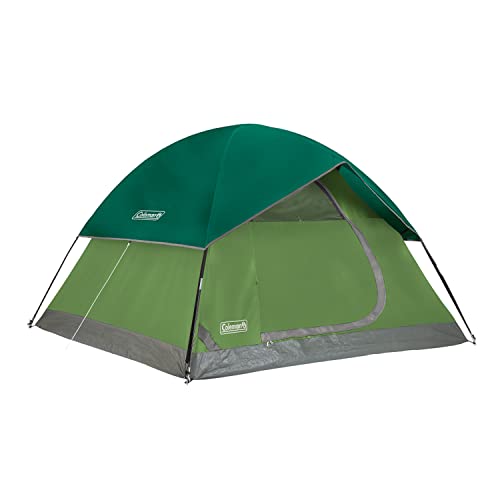
Coleman Sundome Camping Tent

Gazelle T4 4-Person Pop Up Tent

Dragoon Unlimited Ridgeback One-Person Tent
What Each Pick Brings To The Table
Canvas tents have a way of making a campsite feel like a small cabin, and the Panda leans into that with a breathable cotton-blend shell paired with inflatable air beams instead of traditional poles. You pitch it by pumping up the frame, which trims setup time considerably and removes the usual tangling of rigid poles in the dark.
It is sized for one to four people depending on how much gear you haul, and the integrated stove jack opens up real four-season use for shoulder-season campers. For weekend trips where you want something warmer than a nylon dome without paying cabin prices, this hits a comfortable middle ground.
A Few Strong Suits
- Breathable canvas reduces interior condensation on cool nights.
- Inflatable frame replaces rigid poles, simplifying pitch for one person.
- Stove jack allows a safe wood or propane heater inside during cold months.
- Spacious enough for a family or a couple with dogs and gear.
Points To Note
- Canvas weighs more than nylon equivalents and is heavier on the trail.
- Needs proper drying before storage to avoid mildew and odor over time.
Best Suited To
Car campers and glampers who want canvas comfort and cold-weather capability without juggling traditional poles.
Skip It When
Long-distance backpackers should look at the ALPS Mountaineering Lynx 2-Person Tent, which carries far lighter on the trail.
This is not a tent in the traditional sense; think of it more as a free-standing mesh room you throw into shape in seconds. The Sportneer unfolds by releasing the elastic band and tossing it into the air, landing ready to drape over a cot, sleeping pad, or bare ground. Breathable mesh keeps airflow constant while sealing out mosquitoes, flies, and spiders.
It weighs almost nothing and packs into a flat disc small enough to slip into a daypack, making it a strong add-on for hammock campers or anyone camping in heavy-bug zones where a full tent feels like overkill.
Everyday Advantages
- Pops open in one motion, ideal for tired campers arriving late.
- Compatible with cots, pads, and ground sleeping alike.
- Mesh construction handles warm summer nights without stuffiness.
Trade Offs
- Folding it back into its flat shape takes practice and a clear video guide.
- Mesh offers no rain protection and should be paired with a tarp in wet weather.
- Not suited for cold shoulder seasons where wind cuts through open mesh.
Quick Facts
Right Fit For
Summer campers, hammock sleepers, and warm-weather backpackers in bug-heavy zones who want airflow over weatherproofing.
Where Another Pick Suits Better
For full weather protection in three-season backpacking, the ALPS Mountaineering Lynx 2-Person Tent delivers proper rain coverage at a similar weight class.
If the Panda is a snug cabin, the Coody is more like a small living room with a stove vent. Built around the same inflatable air-beam concept, it offers noticeably more floor space and headroom for families, dog owners, or anyone who treats the tent as a basecamp hub rather than just a sleeping pod. The breathable canvas walls manage humidity on damp mornings.
Setup is a one-person job with a hand pump, and the stove jack opens up real winter or shoulder-season comfort. It is bulkier than its smaller Panda sibling, but for car camping where weight is irrelevant, the extra room changes how you actually live inside the tent.
Positive Takeaways
- Spacious layout handles cots, chairs, and gear piles comfortably.
- Breathable canvas keeps interior condensation lower than nylon.
- Inflatable frame is easier to handle than rigid poles for solo campers.
- Integrated stove jack extends the usable season into late fall and early spring.
Room For Improvement
- Bulkier packed size means it lives in the car, not the backpack.
- Canvas demands a full dry-out before long-term storage to prevent mildew.
Feature Snapshot
Made For
Families, couples with dogs, and group campers who want a livable canvas shelter without traditional pole headaches.
Look Elsewhere When
Solo backpackers should pick the Dragoon Unlimited Ridgeback One-Person Tent instead, which carries far easier on foot.
The Lynx is what most backpackers actually picture when they imagine a budget tent: a free-standing dome with aluminum poles, mesh walls, and a rain fly that pitches tight. It packs down small enough for a multi-day trek and handles two people with manageable weight if you split the load. ALPS Mountaineering also included mesh on much of the walls, which improves ventilation over similar fiberglass-pole designs.
Setup uses pole clips rather than sleeves, so first-time campers can have it standing in well under ten minutes with a little practice. For anyone who learned backpacking on a tight budget, this is the kind of tent that proves you do not need to spend a lot to get a real three-season shelter.
Advantages To Know
- Aluminum poles weigh less than the fiberglass poles on many budget tents.
- Free-standing design sets up on rocky or sandy ground without complicated staking.
- Mesh walls improve airflow for summer hiking trips.
- Pole clips accelerate pitch compared to fabric sleeve systems.
Things To Consider
- Two-person rating is tight for two adults plus gear; plan accordingly.
- Stock rain fly can need extra seam sealing out of the box for heavy rain.
Feature Card
Whose Shelf It Belongs On
Budget backpackers and entry-level hikers who want aluminum-pole reliability without breaking into premium pricing.
Swap It Out When
Families wanting standing room and fast setup should reach for the Gazelle T4 4-Person Pop Up Tent instead.
The Sundome is the tent many people camped in as kids, refreshed for current materials. Its snag-free continuous pole sleeves mean there is no fishing for fabric sleeves in the dark, and the dome shape sheds rain and light wind without much fuss. It is available in multiple sizes including two and three-person configurations, which makes it easy to size for solo trips or small family outings.
Coleman positioned it as a simple, fast pitch for occasional campers, and that reads accurately. You trade ultralight packability and high-end materials for a forgiving shelter that handles typical campground weather and stays easy on the wallet.
Bright Spots
- Continuous pole sleeves speed setup and reduce beginner frustration.
- Multiple size options suit solo campers or small families.
- Dome shape performs well in mild wind and rain.
- Accessible price point for first-time tent owners.
Minor Gripes
- Heavier and bulkier than backpacking-focused shelters.
- Fiberglass poles are more fragile than aluminum under hard flex.
At A Glance
Built With In Mind
First-time campers and small families who want a forgiving, inexpensive shelter for occasional campground trips.
A Better Fit Elsewhere
Long-distance hikers should pick the ALPS Mountaineering Lynx 2-Person Tent, which carries meaningfully lighter on the trail.
The Gazelle T4 takes the “instant tent” idea seriously. Its pre-assembled hub design pops out, lifts up, and pegs down in roughly a minute and a half, which matters when you arrive at a campground late with tired kids or in incoming weather. The orange rain fly is also genuinely easy to spot from the road, a small but real convenience.
Inside, it fits four adults on pads or two adults plus gear, with mesh windows and a removable floor for easy cleanup after sandy beach trips. It is not a backpacking tent in any sense, but for car campers who prioritize speed and standing room, it delivers.
Positive Points
- Hub-style frame collapses and expands in around ninety seconds.
- Standing-height interior is comfortable for changing clothes and gear sorting.
- Mesh screens promote airflow in hot weather.
- Removable floor simplifies beach and dusty-site cleanup.
Points To Keep In Mind
- Pack weight and bulk rule out any backpacking use.
- Hub mechanism can feel stiff in very cold weather during setup.
The Right Fit
Car campers, beach-goers, and small families who want standing room and almost-instant setup at the campsite.
Reach For A Different Pick When
Solo backpackers will do better with the Dragoon Unlimited Ridgeback One-Person Tent, which weighs a fraction of the Gazelle.
The Ridgeback reads like a bivy that grew up. It gives you roughly forty-two inches of headroom and ninety inches of leg room, which is unusual for a true one-person shelter and lets you sit up to read or sort gear. The waterproof construction is intended for real weather, and it doubles as a survival or bug-out shelter thanks to its compact footprint and included Y-style stakes.
At around five and a half pounds it is not an ultralight racing tent, but it is light enough for short backpack trips and vehicle-based emergency kits. For solo campers who want more room than a bivy without committing to a full two-person shelter, it occupies a useful middle spot.
What Stands Out
- Generous headroom for a true one-person footprint.
- Waterproof build handles rain and wet ground conditions.
- Included Y-style stakes anchor well in soft soil.
- Works as a survival shelter, bivy, or standard solo tent.
Potential Drawbacks
- Heavier than ultralight solo shelters aimed at thru-hikers.
- Single-wall design can trap condensation in still, humid air.
Who Should Grab It
Solo campers and emergency-preparedness owners who want real weather protection without the bulk of a two-person tent.
Not Your Match When
Group campers and families will get far more value from the Coody Premium Inflatable Canvas Camping Tent for the same kind of canvas comfort.
What Matters Most Before Choosing Cheap Camping Tents
Start with how you actually camp, not how the marketing photos make you feel. A weekend car camper with kids needs standing room and easy setup, while a backpacker cares about packed weight and pole durability above all else. Matching shelter to scenario saves you from buying a tent twice.
Capacity ratings deserve a closer look. A “two-person” tent usually fits two adults on pads with no room for packs, while a “four-person” tent often handles two adults and gear. If you travel with dogs, expect to drop one person from the rating entirely. Most owners commonly report that real-world capacity runs smaller than the box suggests.
Season rating matters more than thickness. A three-season shelter handles spring through fall in moderate climates, while a four-season tent adds snow load capability and stronger pole structures. Canvas and stove-jack designs like the Panda and Coody extend shoulder-season use further than most budget nylon domes.
Material trade-offs shape long-term ownership. Canvas breathes beautifully but weighs more and demands dry storage, while polyester and nylon stay lighter and dry faster at the cost of more interior condensation. Aluminum poles outlast fiberglass but cost a bit more, and the Lynx shows why that trade-off is worth considering for backpackers.
Smart Considerations Before You Decide
Wrong Turns To Avoid
Buying by the lowest price alone usually ends with a leaky or heavy tent. Check the rain fly coverage, pole material, and floor waterproof rating before judging value, and remember that a slightly higher upfront cost often means fewer replacement seasons. Also avoid overestimating capacity; a snug fit on paper becomes miserable with two adults and a dog.
When Paying More Pays Off
Premium budget tents typically improve in three places: stronger aluminum or DAC poles, better seam sealing on the rain fly, and more durable floor fabrics. If you camp four or more weekends a year, those upgrades reduce field repairs and extend the tent’s lifespan. The Coody and Panda illustrate this by bringing canvas comfort and stove capability to the affordable tier, while the ALPS Lynx shows how aluminum poles change a backpacker’s experience.
Frequently Asked Questions
How many people should a budget tent actually fit? Manufacturers usually rate tents by sleeping pad count, so a two-person shelter fits two adults on pads with little room for backpacks. Plan to drop one person from the rating if you travel with dogs or bulky gear.
Can cheap camping tents handle real rain? Most budget tents handle light to moderate rain out of the box, but heavy storms benefit from a factory or aftermarket seam-seal treatment on the rain fly and floor seams. A footprint or ground tarp underneath also extends the floor’s lifespan in wet camps.
What is a stove jack and do I need one? A stove jack is a reinforced opening that lets you safely run a tent stovepipe through the wall, allowing wood or propane heat inside. Cold-weather campers appreciate them, but they only matter if you intend to camp below freezing or in shoulder seasons.
How long do inexpensive tents usually last? With reasonable care, a budget tent can last several full seasons of weekend use. Dry-out-before-storage, footprint use, and avoiding sharp ground all extend lifespan significantly.
Are inflatable frame tents harder to repair? Inflatables are easy to repair with a patch kit, but you also need to carry a pump. A small hand pump or electric pump adds ounces to your kit, though most campers find the setup speed worth the trade-off.
The Takeaway
Cheap camping tents now span far more ground than they used to, from ultralight solo shelters to family canvas cabins. The right pick depends entirely on how and where you camp, not on which one looks best online. Match the shelter to your trip, treat seams and storage with a little care, and any of these seven will serve you well across many weekends.