
A great campsite doesn’t demand a fortune, just the right handful of tools you actually use. Weekend car campers, first-timers gearing up for a state park, and seasoned travelers replacing worn basics all face the same question: where does the budget go first? Safety, hydration, cleanup, and warmth cover the most ground for the least spend, so this lineup leans into those four lanes. Every pick below earns its spot on a checklist without forcing you to choose between quality and an affordable price tag.
A Closer Look At The Lineup

AI FORCE Fire Blanket with Gloves & Hooks

Kelty Litter G’tter Reusable Heavy Duty Garbage Bag 30L

Victorinox Hiker Swiss Army Knife 13 Function

HotHands Hand Warmers Value Pack 10 Pairs

HotHands Hand Warmers Bulk Pack 40 Pairs
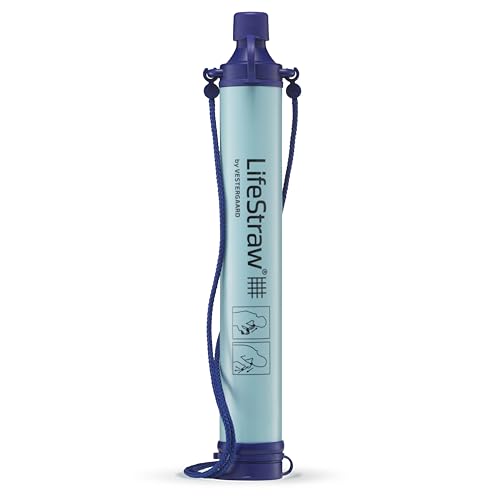
LifeStraw Personal Water Filter for Hiking

Ultralight Backpacking Trowel 0.48 oz Blue
A Closer Look At Each Pick
Most campers reach for water or an extinguisher when something flares up at the fire ring, but a fire blanket can smother grease flare-ups, lantern mishaps, and small camp stove flare-ups before they spread. The AI FORCE blanket pulls out fast and drapes directly over flames, cutting off oxygen without the cleanup that comes from a chemical extinguisher.
It ships with a pair of gloves and wall-mounting hooks, so the blanket hangs flat behind the camp kitchen door at home and rides flat in the trunk or a gear tub when you travel. New owners tend to store it rolled rather than folded, since sharp creases wear fiberglass fabric over time.
Bright Spots
- Smothers small grease, electrical, and open-flame fires fast
- Reusable across many small incidents when stored clean and undamaged
- Pulls out flat, no pins, no valves to fiddle with under pressure
- Gloves and hooks ship in the box, ready to hang at home
- Handy at the picnic table, fire ring, and camp kitchen alike
Things To Weigh Up
- One-size blanket, so it covers stovetop flare-ups more reliably than a fully involved fire
- Gloves run a bit stiff at first and need a couple wears to loosen up
Key Specs
Who It Suits Best
Car campers and backyard grillers who want a low-effort fire tool that anyone in the family can deploy without training.
Skip It When
Backcountry hikers heading deep into the wilderness should look at the LifeStraw Personal Water Filter instead, since fire safety comes easier with distance from fire rings.
Leave-no-trace starts at the trash bag, and the Kelty Litter G’tter handles the messy jobs plastic sacks usually fail at. Its roll-top closure cinches tight over cans, food scraps, and damp firewood, while the puncture-resistant shell shrugs off sharp sticks and broken glass on the haul back to the trailhead.
You can stuff it inside a bear box, hang it from a tree, or strap it to a pack frame on the way out. The 30L capacity is a comfortable size for a couple on a long weekend, though you may want a second bag for larger groups.
Well-Handled Touches
- Roll-top seals in odors, keeping critters guessing
- Reusable season after season, far fewer plastic bags in the landfill
- Carries firewood, cans, and wet laundry without splitting
- Stands upright on its own when half full, easier to load
Minor Gripes
- Larger than a kitchen trash bag, so it claims real space in the car
- Empty bag has no rigid structure and can feel floppy at first
Made For
Campers running car-camping weekends who want a durable trash hauler that doubles as a firewood carrier.
A Better Fit Elsewhere
Ultralight thru-hikers counting every gram should reach for the BoglerCo Ultralight Backpacking Trowel instead, since the Kelty bag is sized for car trunks, not pack lids.
The Hiker covers the trail tasks that usually mean carrying three separate tools. Two blades handle food prep and cord work, the wood saw cheats through kindling, and the Phillips driver tightens loose screws on stoves, trekking poles, and sunglasses before they go missing.
It rides comfortably in a hip pocket or clipped to a pack strap, and the Swiss-made build quality has a long-standing reputation for holding up to years of weekend use. Most owners find the bottle opener earns its place during post-hike camp beverages.
What Makes Sense
- 13 tools in one pocket-sized chassis
- Two blades give you a dedicated rough-use edge and a fine one
- Wood saw chews through small limbs for kindling
- Phillips driver handles camp repairs in the field
Honest Caveats
- Small blade sizes limit heavy batoning through thick wood
- Sheath sold separately for those who want belt carry
Right Fit For
Day hikers and weekend campers who want one tool that handles food prep, gear repair, and small camp tasks without weighing down a pack.
Look Elsewhere When
Solo backpackers focused on going lighter should check the BoglerCo Ultralight Backpacking Trowel for a specialized digging tool rather than a multi-use pocket knife.
Three-season campers know that cold fingers ruin a morning far more than cold feet, and the HotHands Value Pack offers a small, no-fuss stash for short trips. Each pair activates the moment you tear open the wrapper, reaching a comfortable warmth within minutes and holding it for hours around camp.
The 10-pair count covers a long weekend for one or two people without leaving extras in the trunk. Toss a pair in each jacket pocket, glove liner, and boot before sunrise and the morning coffee ritual goes a lot smoother.
Everyday Wins
- Air-activated, no lighter or flame needed
- Small enough for jacket pockets and glove boxes
- Disposes cleanly after use with no messy residue
- 10-pair pack suits weekend trips without leftovers
Points To Keep In Mind
- Single-use, so heavy cold-weather trips burn through packs fast
- Heat fades gradually and is not adjustable once activated
Key Specs
Best Suited To
Weekend campers and early-season hikers who want lightweight, grab-and-go warmth without battery packs or fuel canisters.
Reach For A Different Pick When
Group leaders outfitting a scout troop or guiding winter trips should grab the HotHands Bulk Pack 40 Pairs for higher-volume stocking at a lower per-pair cost.
The Bulk Pack carries the same per-pair performance as the smaller Value Pack, just in a count that suits leaders, instructors, and anyone running multiple cold-weather trips each season. Stash a few dozen in a dry bin at home and you stop worrying about running out before a frosty departure.
It’s also a popular choice for emergency kits in cabins, vehicles, and bug-out bags where one or two pairs won’t cut it when the power goes out. Long-term storage is straightforward in a cool, dry drawer.
Practical Advantages
- 40-pair pack spreads warmth across many people and trips
- Lower per-pair cost than smaller Value Pack formats
- Fills emergency kits, glove boxes, and cabin drawers in one go
- Long shelf life when kept sealed in a dry container
Trade Offs
- Bulk format takes up significant closet or bin space
- Single-use only, so leftover pairs after a mild winter go unused
Feature Snapshot
Who Will Love This
Trip leaders, instructors, and homeowners stocking emergency kits who want a long-lasting supply on hand for the season.
Consider Something Else When
Solo weekend campers might find the HotHands Value Pack 10 Pairs a more sensible size, since the bulk format offers no benefit for light use.
The LifeStraw turns questionable streams and lake water into something you can drink on the spot, sip by sip through the built-in mouthpiece. You drink directly from the source or fill a bottle and filter into it, and the hollow-fiber membrane traps bacteria, parasites, microplastics, and sediment down to a tiny micron rating.
It weighs almost nothing, slips into a hip belt or side pocket, and requires no pumping or batteries. For day hikers crossing remote stretches, this single piece of gear can be the difference between cutting a trip short and finishing the loop.
Advantages To Know
- Filters out bacteria, parasites, microplastics, and sediment
- Drink directly from lakes, rivers, and streams
- Lightweight, no moving parts to break
- No pumping, no batteries, no chemicals
Where It May Fall Short
- Does not remove viruses, so it is less ideal in some international travel settings
- Slow flow rate compared to pump filters on longer draws
Key Specs
Perfect Match For
Backcountry hikers and emergency preppers who want lightweight, chemical-free water safety on day trips and short overnights.
Swap It Out When
Campers who prefer car-based basecamps should rely on bottled or jug water at the trailhead and skip the LifeStraw entirely, since its strengths show up far from the parking lot.
The BoglerCo trowel weighs less than three nickels stacked together, and that vanishing footprint is the whole point. Ultralight backpackers and fast-packers need a way to dig proper catholes for waste without carrying a heavy stainless tool, and this little scoop slips into a hip belt pocket or pack lid without leaving a mark on your scale.
The end cap adds grip and protects your palm during full-force digging in rocky or root-heavy soil. It’s a niche pick, but for the right user, it pulls serious weight off the load without giving up basic backcountry hygiene.
Why It Works Well
- Featherweight design barely registers on a pack scale
- End cap adds comfort for digging in tough soil
- Compact enough for hip belt and side pockets
- Made in the USA for shoppers who value domestic production
Practical Considerations
- Small scoop size means more digging effort in loose or sandy ground
- Plastic handle is comfortable but not as durable as a metal trowel over decades of use
Feature Snapshot
Whose Shelf It Belongs On
Ultralight backpackers and thru-hikers counting every gram who still want a proper digging tool for backcountry hygiene.
Where A Sibling Pick Shines
Family campers at established sites don’t need a featherweight trowel and would get more use out of the Kelty Litter G’tter Reusable Heavy Duty Garbage Bag for trash and firewood runs.
Picking Cheap Camping Gear That Earns Its Place
A budget-friendly setup works best when every item solves a real problem you actually encounter, not a hypothetical scenario from a catalog photo. Start with safety, then hydration, then daily comfort, since those layers carry the most weight per dollar on any trip.
Start With The Safety Essentials
Fire control and clean water top every sensible list, and both come cheaper than people assume. A fire blanket costs a fraction of an extinguisher and works on grease and electrical flare-ups that water makes worse. A personal water filter like the LifeStraw pays for itself the moment you skip a pack of bottled water on a long drive to the trailhead.
Match Gear To Your Trip Style
Car campers can comfortably haul the Kelty Litter G’tter and a stack of hand warmers, while backpackers should trim every nonessential down to featherweight picks. Ultralight travelers get the most value from sub-half-ounce tools like the BoglerCo trowel, while weekend car campers rarely notice a few extra ounces and benefit from the durability of heavier-duty picks.
Build A Layered Comfort System
Warmth, sanitation, and tool access are the three categories where cheap gear fails most often. Air-activated hand warmers handle cold mornings without batteries, a roll-top trash bag handles campsite mess without splitting, and a pocket knife handles food prep and quick gear repair. Each category deserves one solid pick rather than three mediocre ones.
Common Mistakes And Smart Spending
A small amount of planning separates useful gear from drawer clutter, especially when the budget is tight and every purchase has to earn its space.
Where Shoppers Go Wrong
The biggest trap with cheap camping gear is buying based on price alone and ignoring real-world function. A flimsy trash bag that splits halfway through a weekend costs more in frustration than a slightly higher upfront cost on a durable option like the Kelty Litter G’tter. The same goes for hand warmers bought in single-use packs when a bulk format would have covered the season.
The Case For Spending Up
Higher-tier camping gear tends to add durability, replaceable parts, and multi-use designs rather than raw features. A multi-tool like the Victorinox Hiker replaces three single-purpose tools, which saves weight and pack space over a season of trips. The trade-off shows up when the budget shopper ignores repair and replacement costs, since replacing a cheap tool twice often costs more than buying a solid one once.
Frequently Asked Questions
What is the single most important piece of cheap camping gear to buy first?
A personal water filter like the LifeStraw, since contaminated water ends trips faster than almost any other common issue. Clean drinking water, safe fire control, and basic sanitation form the foundation of any budget-friendly kit.
Are air-activated hand warmers safe to use inside a sleeping bag?
Most owners find them fine inside gloves and jacket pockets, but placing them directly against skin in a sleeping bag can cause discomfort over a long night. Layer them inside a sock or pocket for safer warmth.
How long does a reusable camp trash bag typically last?
A well-cared-for roll-top bag like the Kelty Litter G’tter tends to last several seasons of weekend trips. Owners commonly store it clean and dry between trips to extend the life of the fabric and seams.
Can a Swiss Army knife replace a full camp kitchen setup?
For day hiking and overnight trips, a multi-tool like the Victorinox Hiker handles food prep, cord work, and small repairs. Larger group meals still benefit from a dedicated cutting board and camp cookware, since the Hiker is sized for trail tasks.
How much should a beginner expect to spend on a starter camping kit?
A focused starter kit built around safety, water, sanitation, warmth, and a knife typically runs far less than people assume when chosen item by item. The picks in this lineup cover those core categories without forcing a high upfront spend.
Bottom Line
Cheap camping gear works best when each item handles a real job on your trip list, from smothering flare-ups to filtering stream water to keeping your hands warm at sunrise. Pick one solid option from each core category rather than chasing a long checklist of half-useful tools. Your wallet stays happier, your pack stays lighter, and your campsite runs smoother all season long.