
Camping with a small crew doesn’t have to mean cramped quarters or a sky-high tent budget. The right affordable shelter keeps four sleepers comfortable, handles a few rainy nights, and still leaves cash for firewood and hot cocoa. Families, friend groups, and weekend trailheads all want the same thing: a tent that pitches fast, breathes well, and survives a few seasons of regular use.
This roundup focuses on budget-friendly four-person tents across three real-world styles: inflatable canvas bell tents, traditional canvas wall tents, and lightweight polyester shelters. Each pick serves a different type of camper, so match the tent to your trip, not the other way around.
A Snapshot Of The Selections

RBM Outdoors Panda Canvas Inflatable Tent for Camping with Stove Jack

Coody Premium Inflatable Tent for Camping with Stove Jack
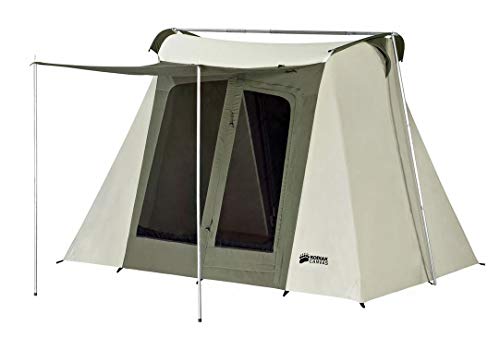
Kodiak Canvas Flex-Bow Deluxe Canvas Camping Tent
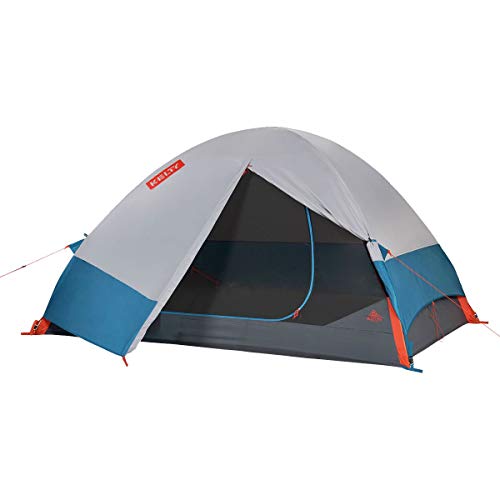
Kelty Late Start 4P Lightweight Backpacking Tent

Gazelle T4 Waterproof 4 Person Pop Up Camping Tent

Kelty Late Start Backpacking Tent Two-Person
The Picks, Examined More Closely
The Panda Air takes the “fuss” out of canvas tent pitching by replacing traditional poles with inflatable air beams. A small hand pump does the structural work, so two adults can have the shelter standing in roughly the time it takes to boil water for coffee. Compared to rigid-pole canvas options later in this list, this one trades a bit of storm rigidity for genuine pitch speed.
Built around a stove jack, the tent suits cooler-season glamping and shoulder-season camping in the mountains. Canvas breathes well, which means fewer condensation puddles on the inner walls. The catch is weight and pack-down size: this is not a backpacker’s shelter, and you’ll want a car or truck to move it.
A Few Highlights
- Air-beam frame pitches in minutes without pole assembly
- Canvas material regulates humidity better than thin polyester
- Built-in stove jack supports cold-weather camping
- Stable footprint for one to four sleepers on weekend trips
Points To Keep In Mind
- Heavier and bulkier than backpacking-focused shelters
- Air beams can be slower to repair in the field than a snapped pole
- Canvas needs thorough drying before storage to prevent mildew
Feature Snapshot
Made For
Weekend glampers and small families who drive to a campsite and want comfort over ultralight pack weight.
Look Elsewhere When
Thru-hikers will find the Kelty Late Start 4P a smarter match since it prioritizes trail-friendly weight over canvas comfort.
The Coody pitches a different design philosophy from the Panda Air: it’s built less for sleeping and more for living. TC fabric (a polyester-cotton blend, if you’ve never heard the term) gives the walls that breathability advantage over pure polyester while staying lighter than pure cotton duck. You get a roomy interior that works as a basecamp lounge, dining space, or family sleep zone.
The stove jack opens up four-season camping in places where a thin backpacking tent would feel punishing. Where this tent shines is on longer stays, not overnight trail stops. The honest read is that you’ll enjoy the space the most when your car is parked within a few hundred feet.
Strengths Worth Knowing
- TC fabric balances breathability with easier drying
- Generous interior volume for cots, chairs, and gear
- Inflatable frame saves setup time versus pole tents
- Stove jack allows safe indoor heating in cooler weather
A Few Limitations
- Not designed for backpacking, given its packed weight and bulk
- TC fabric still needs proper drying to prevent musty odors
- Air-beam maintenance requires a basic pump on hand
Right Fit For
Families running a multi-day car-camp setup who value living space and warmth over trail mobility.
Swap It Out When
The Kodiak Canvas Flex-Bow Deluxe makes more sense for hunters and base-camp crews who want a tougher canvas and a steel-pole frame.
The Kodiak Flex-Bow has been a fixture at hunting camps and family basecamps for years, and for good reason. It uses 100% cotton duck canvas treated with Hydra-Shield, which means it handles rain without leaking while still letting the fabric breathe. Walk-around space is real: the 6’1″ ceiling height lets adults stand up to change clothes or sort gear.
Two large D-shaped doors (front and back) and four mesh windows make cross-ventilation a strength, especially on warm summer nights. The Flex-Bow frame design keeps the canvas taut and the setup manageable for one person. Compared to the inflatable canvas options above, this is heavier and slower to pitch but noticeably more rugged.
Practical Pluses
- Heavy-duty cotton duck canvas resists wear over many seasons
- Standing-height interior works for gear-heavy basecamp trips
- Two doors plus four mesh windows keep airflow steady
- One-person setup is realistic with the Flex-Bow design
Honest Caveats
- Packed weight rules out any backpacking use
- Initial cost is higher than ultralight polyester tents
Quick Facts
Best Suited To
Hunters, outfitters, and basecamp crews who set up the same shelter weekend after weekend and need proven durability.
Reach For A Different Pick When
Campers arriving late in the dark will appreciate the Gazelle T4’s near-instant pop-up design more than the Kodiak’s pole assembly.
The Kelty Late Start 4P flips the script from canvas-heavy picks above: it’s a genuine backpacking tent that four people can share without punishing anyone on the trail. Kelty Quick Corner technology cuts setup time dramatically, and pre-bent aluminum poles give the interior more usable space than a standard X-pole design.
This is the shelter to grab when you’re driving into a trailhead at 9 PM and want a tent standing before the headlamps die. Polyester fly keeps weight and cost down, which is the trade-off: it’s not as breathable as canvas, so expect some condensation in humid weather. The honest take is that this tent is built for motion, not lounging.
Positive Takeaways
- Quick Corner setup speeds pitching for tired crews
- Aluminum poles stay light on long approaches
- Waterproof polyester fly handles typical rain
- Fits four adults without dominating a backpacking load
Less Ideal Details
- Polyester walls trap more condensation than canvas options
- Storage sack runs small and benefits from a compression sack
Feature Rundown
Who Should Grab It
Backpackers and late-arriving car campers who prioritize fast setup and trail-friendly weight over spaciousness.
Consider Something Else When
Families wanting standing room and dry-storage comfort will prefer the Kodiak Canvas Flex-Bow Deluxe for a longer base-camp stay.
The Gazelle T4 is built for one specific moment: pulling into a campsite, popping the trunk, and having a full shelter standing in under 90 seconds. The pre-assembled hub design means there’s almost nothing to figure out. Pop out the wall hubs, lift the roof, extend the legs, done.
It suits festival weekends, beach trips, and family camping where speed matters more than ultralight weight. Mesh windows and a removable floor add flexibility: take the floor out for a sand-friendly beach day, leave it in for car-camping comfort. Compared to the Kelty Late Start above, the Gazelle trades trail-ready weight for absolute setup speed.
A Few Strong Suits
- Hub design pitches in roughly 90 seconds
- Mesh screens keep bugs out during warm evenings
- Removable floor adapts to beach and camp use
- Rain fly handles typical summer showers
Room For Improvement
- Hub mechanism is bulkier than a pole-style pack
- Polyester fabric breathes less than canvas in humid air
Feature Overview
Who Will Love This
Festival-goers, beach campers, and families with kids who want the simplest possible setup on arrival.
A Better Fit Elsewhere
Backpackers should look at the Kelty Late Start 4P, which handles trail miles far better than a pop-up hub design.
The two-person Late Start rounds out the list for couples and solo hikers who want the same pitch speed as the 4P at half the packed weight. Updated for 2024, this version keeps the Quick Corner system, aluminum poles, and waterproof poly fly that define the line. It’s a tight fit for two adults plus a dog or a pack-heavy duo, but it stays under five pounds in most setups.
Think of this as the trail sibling to the 4P reviewed earlier. The trade-off is livable space: a four-person tent offers more breathing room, while this two-person shelter disappears in your pack. For long-distance hiking where every ounce matters, that’s a worthwhile swap.
Where It Excels
- Lightweight build handles multi-day routes comfortably
- Quick Corner setup works in fading light or rain
- Aluminum poles balance strength and weight savings
- Waterproof poly fly sheds typical trail precipitation
Some Limits To Know
- Tight quarters for two adults plus gear
- Polyester walls trap more condensation than canvas
Perfect Match For
Solo backpackers and pairs who want a fast-pitching, low-weight shelter for trail miles and quick overnights.
Skip It When
Family campers will get more value from the Kodiak Canvas Flex-Bow Deluxe, which handles larger groups and longer stays.
What To Weigh Before Picking A Cheap 4 Person Tent
Capacity claims deserve a reality check. A “four-person” tent often means four people on sleeping pads with little room for packs, so expect a cozier fit than the label suggests. Two adults and a dog, or three adults with full gear, usually hit the comfort sweet spot for a true four-person shelter.
Material choice drives comfort more than people expect. Canvas breathes and reduces condensation, but it weighs more and costs more. Polyester and nylon stay light and affordable, but trap more moisture inside. Match material to climate: canvas or TC blends for humid or extended stays, polyester for short fair-weather trips.
Setup style affects how often you’ll actually use the tent. Pop-up hubs like the Gazelle T4 are nearly effortless but bulky to transport. Inflatable frames like the RBM and Coody cut pole assembly time but require a pump. Traditional pole tents like the Kelty and Kodiak take longer to pitch but pack smaller and field-repair easier.
Weight and packed size matter even for car camping. A tent that lives in your trunk year-round should still fit through a garage door, and weight affects whether you’ll actually carry it to a walk-in site. Pick the smallest packed shelter that still meets your sleeping and gear needs.
Key Considerations Across These Picks
Wrong Turns To Avoid
Choosing a tent based purely on the “X-person” label leads to cramped nights. Manufacturers measure capacity with tight floor layouts and no gear storage, so a four-person rating rarely fits four adults plus backpacks. Read floor dimensions and peak height before deciding, and match the shelter to your actual crew size plus gear.
Buying the lightest tent regardless of use case is another common slip-up. Ultralight backpacking tents sacrifice durability and weather resistance, so a featherweight shelter used at a car camp wears out faster without delivering any real benefit. Match tent weight to how far and how often you’ll move it.
Where The Extra Money Goes
Higher-tier tents earn their cost through heavier-denier fabrics, stronger pole materials, and better seam construction. A more expensive shelter typically resists wind better, leaks less in prolonged rain, and lasts multiple seasons instead of one. For campers who pitch a tent ten or more weekends a year, that durability compounds quickly.
Premium models also tend to offer better ventilation, which sounds minor until you’ve spent a muggy night in a tent with sealed walls. Breathable fabrics, mesh panels, and dual doors add real comfort without changing the headline specs. The upgrade often pays off in fewer bad sleep experiences, not just longer product life.
Frequently Asked Questions
Are cheap 4 person tents actually big enough for four adults?
Usually not comfortably. Most four-person tents fit four adults on sleeping pads with minimal gear space. Expect a snug fit if everyone brings a backpack, and consider sizing up for true comfort with a full crew.
How long does a budget four-person tent typically last?
A well-made budget tent can last several seasons with reasonable care. Lifespan depends on UV exposure, frequency of use, and how well you dry and store it between trips. Avoid packing a tent away damp, since that shortens fabric life fast.
Can one person pitch a four-person tent alone?
Most can, especially with practice. Pop-up and inflatable designs are the easiest solo options, while traditional pole tents take longer but remain a one-person task for many models. Try a backyard setup before relying on it at a remote campsite.
What’s the difference between canvas and polyester tents?
Canvas (cotton duck) breathes well and handles heat and cold more comfortably, but weighs more. Polyester is lighter, cheaper, and dries faster, though it traps more condensation. Canvas suits extended stays; polyester favors quick, light trips.
Do cheap four-person tents handle heavy rain?
Many do, especially those with factory-sealed seams and a full-coverage rain fly. Check that the fly extends close to the ground and that floor seams are taped. Even a budget tent can stay dry with proper setup in a sheltered pitch.
Bottom Line
The right cheap 4 person tent depends entirely on how you camp. Canvas options like the Kodiak Flex-Bow and the inflatable RBM and Coody models serve base-camp comfort, while the Kelty Late Start 4P and the Gazelle T4 cover trail miles and quick setup respectively. Match the shelter to your trip style, and the savings never feel like compromises.