
You want real fire, real smoke, and that charcoal kiss on a thick ribeye, not a complicated rig that takes an hour to learn. The right grill matches your space, your patience for tending fire, and how many mouths you’re feeding. This guide walks through seven charcoal grills worth your attention, from a backyard classic to serious offset smokers built for long cooks.
The Main Contenders
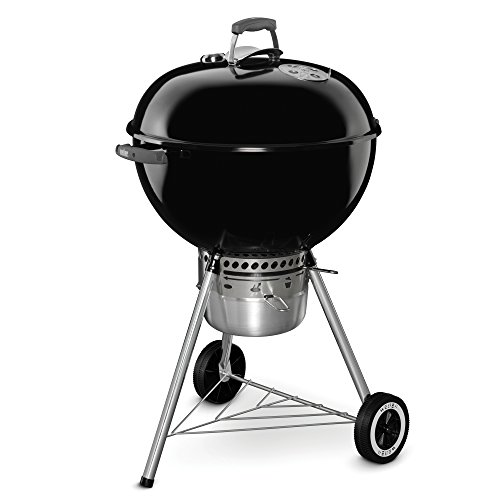
Weber Original Kettle Premium Charcoal Grill 22-Inch

Oklahoma Joe’s Rambler Portable Charcoal Grill
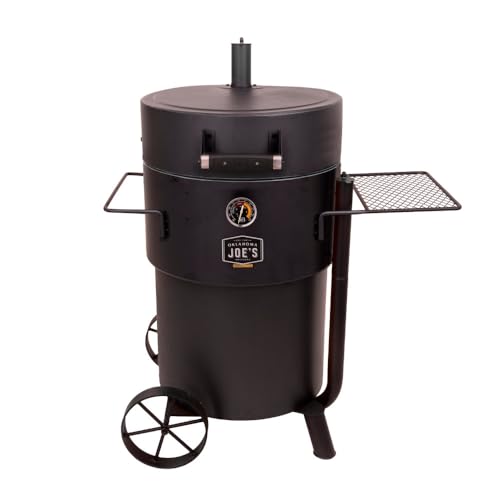
Oklahoma Joe’s Bronco Pro Drum Smoker and Grill

Oklahoma Joe’s Firecraft Modular Open Fire Barrel Grill

Oklahoma Joe’s Highland Reverse Flow Offset Smoker
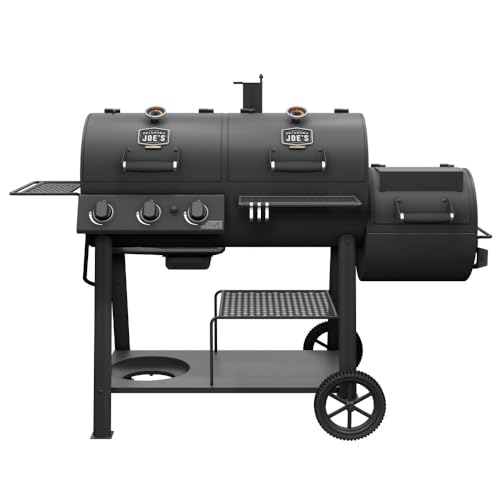
Oklahoma Joe’s Canyon Combo Dual Fuel Smoker and Grill

Oklahoma Joe’s Longhorn Offset Charcoal Smoker and Grill
More On The Choices That Made The List
The 22-inch Weber kettle has earned its reputation through decades of backyard service, and the Premium version keeps the bones that made the original famous. The porcelain-enameled bowl and lid hold heat steadily, and the bowl shape itself creates natural convection, a flow pattern where hot air circulates over and around your food, which is why steaks sear evenly across the grate without constant flipping.
For weeknight grilling on a small patio, this kettle is hard to beat. The hinged cooking grate lets you add fresh charcoal mid-cook without lifting the whole grate off, and the One-Touch cleaning system sweeps ash into a high-capacity catcher below. Compared to the portable Rambler below, you’re trading tabletop convenience for steadier heat retention and a far larger cooking surface for a family dinner.
The Good Stuff
- Iconic kettle shape produces even heat without complex vent tuning
- Hinged grate means mid-cook charcoal refills without losing your sear
- One-Touch ash system reduces post-cook cleanup to a quick sweep
- Porcelain-enameled finish tends to resist rust through years of outdoor exposure
- Massive accessory ecosystem fits nearly any budget upgrade later
Things To Consider
- Direct grilling only, so low-and-slow smoking needs extra setup
- Larger footprint than tabletop options like the Rambler below
Who It Suits Best
Backyard cooks who want a dependable weeknight grill and don’t need offset-smoker capacity will find the right fit here.
Consider Something Else When
Pick the Oklahoma Joe’s Bronco Pro Drum Smoker and Grill if overnight pulled pork or ribs are the goal and kettle-style direct heat isn’t enough.
The Rambler is the grill you toss in the truck bed for a Saturday at the lake or a quick tailgate. With 218 square inches of cooking area, it handles a dozen burgers or a couple of chicken halves without crowding. The height-adjustable charcoal tray is the real trick: raising or lowering the coals relative to the grate gives you precise temperature control without fanning a fire or adding fuel mid-cook.
For RV trips, small balconies, and tent camping where fire bans restrict open pits, this tabletop unit delivers real charcoal flavor without taking up a folding table. It won’t compete with the Highland offset’s massive cooking area, but it doesn’t try to. The honest read is that the Rambler is purpose-built for portability, and on that score it earns its spot in the lineup.
The Value In It
- Compact body fits on most picnic tables and tailgate platforms
- Height-adjustable tray delivers better heat control than typical portable grills
- 218 square inches suits small groups without leaving food raw in the middle
- Steel build tends to hold up under repeated transport better than thin sheet metal
Worth Noting
- Small grate limits large cuts like whole spatchcocked chicken
- No lid lock, so transport requires care to keep the dome secure
Built With In Mind
Campers, tailgaters, and balcony dwellers who need real charcoal flavor in a packable footprint will appreciate the design.
A Better Fit Elsewhere
Choose the Weber Original Kettle Premium if your grilling stays rooted in one backyard and you want more capacity and easier cleanup.
The Bronco Pro is a vertical drum smoker built for cooks who measure success in bark and smoke ring, not sear marks. A drum smoker burns charcoal in a basket at the bottom, sending heat and smoke upward past the food before exiting through top vents, so the cooking chamber stays sealed and consistent. The sealed lid and purpose-built airflow system let you hold 225°F for hours without babysitting the fire.
With 366 square inches of grate space and an oversized charcoal basket rated for over 15 hours of uninterrupted burn, you can load this on a Friday evening and pull ribs or pork shoulder off Saturday morning. Compared to the Highland offset below, the Bronco Pro is more forgiving for first-time smokers because the drum geometry self-regulates heat. You give up the traditional offset’s direct grilling side, however, so finishing with a sear isn’t possible.
What It Does Well
- Sealed drum design holds steady low temps with minimal fire tending
- Oversized charcoal basket supports overnight cooks without refueling
- Vertical layout saves patio space compared to horizontal offset smokers
- Heavy-gauge steel construction tends to resist warping across years of use
Honest Caveats
- No direct grilling option, so sear-stage cooking requires a separate grill
- Heavier than the portable Rambler, with limited mobility once placed
Who Should Grab It
Low-and-slow hobbyists who want set-it-and-forget-it overnight cooks without the steep learning curve of an offset firebox will land in the right place.
Look Elsewhere When
Choose the Oklahoma Joe’s Highland Reverse Flow Offset Smoker if you want both smoking and direct grilling in one traditional offset footprint.
The Firecraft barrel isn’t trying to be a precision smoker. It’s an open-fire cooking station, the kind of setup where you build a real wood fire in the middle and cook around it. The 360-degree firebox access means you can stoke coals or add a log without lifting the grate or disturbing whatever is on the cook surface, which changes how naturally a long cook flows.
With 480 square inches of total grate area split across two heavy-gauge wire grates, the Firecraft pulls double duty as a backyard fire pit when dinner ends. Twist-Lock handles let you adjust grate height for different cooking zones, hot and fast over the flames or lower and slower at the edges. Compared to the sealed Bronco Pro above, this grill trades temperature precision for a more primal, flame-kissed cooking style that some cooks specifically seek out.
What Helps Most
- Open-fire design supports live-fire cooking styles that closed grills can’t match
- Two grates and adjustable height create multiple heat zones in one unit
- Heavy-gauge wire cooking grates resist corrosion and hold heat well
- Transitions cleanly from dinner grill to evening fire pit
Points To Note
- Less temperature control than sealed designs like the Bronco Pro
- Open firebox demands more clearance from decking and siding
Made For
Outdoor cooks who want an open-flame cooking experience and a fire pit in one footprint will appreciate this design.
Skip It When
Pick the Oklahoma Joe’s Longhorn Offset Smoker and Grill if you need precise low-and-slow temperature control rather than open-flame cooking.
The Highland is where charcoal cooking shifts from weekend hobby into something more deliberate. Reverse flow means smoke travels from the firebox, under a baffle plate along the bottom of the cook chamber, and back across the food before exiting the stack, an arrangement that smooths out hot spots and delivers more even bark. Removable baffles let you switch between reverse-flow and traditional offset modes depending on the cook.
With 1,093 square inches of cooking area and a large-capacity charcoal basket, this smoker is built for whole briskets, multiple pork shoulders, or ribs by the rack. The trade-off, and it’s a real one for some patios, is footprint. Compared to the compact Rambler, the Highland takes serious space and serious patience to learn well.
Features That Help
- Reverse-flow baffle evens out heat distribution across the cook chamber
- Removable baffles let you run traditional offset mode for hotter cooks
- Large fuel basket supports multi-hour cooks with fewer reloads
- Heavy steel construction tends to retain heat through long sessions
Trade Offs
- Significant patio footprint compared to kettle or drum options
- Offset firebox management has a learning curve for first-timers
Key Attributes
Perfect Match For
Serious BBQ hobbyists who run all-day or overnight cooks and want competition-style control will find this smoker fits the bill.
Another Choice May Suit
Choose the Oklahoma Joe’s Canyon Combo Dual Fuel Smoker and Grill if you also want fast propane grilling in the same footprint.
The Canyon Combo is built for the cook who refuses to pick a lane. On one side, a 36,000 BTU three-burner propane system fires up fast for burgers and steaks. On the other, a charcoal chamber smokes low-and-slow with hardwood splits and chunks. Total cooking area lands at 1,031 square inches, split between a 750-square-inch primary chamber and a propane grilling side large enough for a dozen burgers at once.
For hosts juggling two cooking styles in one cookout, this dual-fuel layout eliminates the need for a second grill cluttering the patio. Compared to the dedicated Highland offset, you trade some smoke purity for propane convenience and faster weeknight turnarounds. The propane tank isn’t included, so factor that into your setup.
Practical Pluses
- Two cooking systems cover smoking and fast grilling without separate units
- 750-square-inch primary chamber fits two pork shoulders or several brisket flats
- Propane side heats quickly, useful when time is short on weeknights
- Combined footprint replaces what would otherwise be two grills on the patio
Some Limits To Know
- Propane tank sold separately, adding to total setup cost
- Heavier and bulkier than single-fuel options like the Weber kettle
Whose Shelf It Belongs On
Entertaining hosts who want both smoked mains and grilled sides in one cookout will find the dual-fuel design saves patio space and effort.
Reach For A Different Pick When
Pick the Oklahoma Joe’s Longhorn Offset Smoker and Grill if your cooks stay firmly in charcoal territory and dual-fuel flexibility isn’t necessary.
The Longhorn is the time-tested classic offset smoker, the layout serious BBQ grew up on. Heat and smoke travel from a side firebox into the main cook chamber before exiting through a smokestack on the far end. With 751 square inches in the primary chamber and 309 square inches in the secondary, you can smoke a full brisket alongside a rack of ribs or a couple of pork butts.
Compared to the Highland’s reverse-flow setup above, the Longhorn runs a more traditional offset pattern that rewards cooks who enjoy managing their fire. For newcomers, expect a steeper learning curve around vent tuning and fuel placement. Seasoned offset operators, on the other hand, tend to prefer this straightforward layout for the direct control it offers.
Benefits That Matter
- Classic offset layout suits traditional low-and-slow BBQ technique
- Large combined cooking area handles multiple cuts in one cook
- Heavy steel body tends to hold up across years of repeated hot cooks
- Hot spots near the firebox require rotating food during longer cooks
- Bulky footprint demands a dedicated patio space
What To Weigh
Feature Snapshot
Best Suited To
Tradition-focused BBQ cooks who want a classic offset smoker with room to feed a crowd will appreciate the Longhorn’s straightforward design.
Swap It Out When
Choose the Oklahoma Joe’s Highland Reverse Flow Offset Smoker if you want more even heat distribution across the chamber without manual rotation.
Factors Worth Thinking Through Before Picking a Charcoal Grill
Cooking Style and Frequency
The first question isn’t size or price, it’s how you actually plan to cook. Direct-heat grilling on weeknights calls for a kettle or open barrel like the Weber or the Firecraft above. Long, slow smoking leans toward an offset or drum design. Picking the wrong style is the most common reason a new grill gathers dust after two months.
Footprint and Storage Reality
Measure your patio before measuring cooking area. A 1,093-square-inch smoker needs room to open the lid fully and access the firebox safely. A portable like the Rambler trades cooking area for storage flexibility, useful for apartments and balconies with limited space.
Vent and Airflow Control
Temperature control on charcoal grills comes from managing airflow at the intake and exhaust. Sealed designs like the Bronco Pro drum hold heat with minimal adjustment, while offsets like the Longhorn require more active vent tuning. Beginners tend to prefer sealed setups; traditionalists often prefer the hands-on offset approach.
Construction and Long-Term Durability
Heavy-gauge steel and porcelain-enameled finishes resist rust and warping across years of outdoor exposure. Thinner steel panels save cost up front but tend to show wear faster. If your grill lives outside year-round, weight and finish matter more than feature lists suggest.
Key Considerations Across These Picks
Pitfalls Shoppers Hit
The most common trap is buying a smoker for grilling or a kettle for overnight ribs. Each grill in this list does its core job well, but stretching a kettle into a smoker or an offset into a portable creates frustration. The second trap is ignoring clearance: open-fire designs like the Firecraft barrel need safe distance from decking and siding, and offset smokers need airflow around the firebox for safety.
Where The Extra Money Goes
Higher-tier charcoal grills earn their cost through heavier steel, better sealing for heat retention, and larger fuel capacity for longer cooks. The Highland’s reverse-flow baffle and the Canyon Combo’s dual-fuel layout solve specific problems that cheaper designs can’t. For a cook who runs one brisket a month, a kettle will do the job. For a hobbyist chasing competition-style bark and smoke ring, the upgrade pays off in consistency and control.