
Nothing quite matches that smoky bite from a charcoal fire, but the wrong fuel can leave you fighting flare-ups or waiting forever for ash to form. Whether you’re searing steaks on a kettle, slow-cooking ribs on a kamado, or firing up a backyard fire pit, the charcoal you choose quietly shapes every cook. Below is a handpicked roundup covering briquettes, lump-adjacent options, and natural fire starters that earn their keep across real grills.
The Leading Options At A Glance
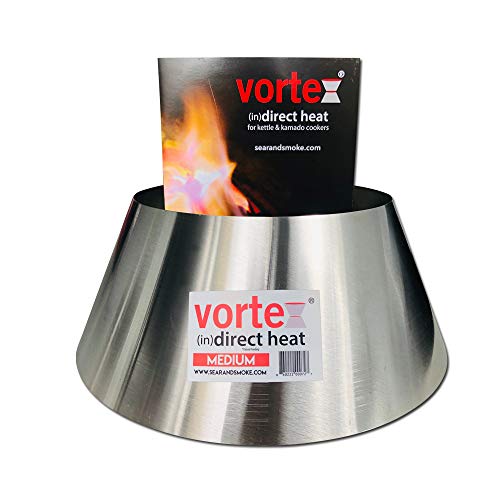
Vortex Medium BBQ Kamado Kettle Charcoal

Weber 1759180 Briquettes, 8 Kg

WH 185 pcs Natural Fire Starters, 5 lb Box

WH Natural Fire Starters 15 lb Bundle

Kingsford Original Charcoal Briquettes, 16 lb

WH 370 pcs Natural Fire Starters, 10 lb Box
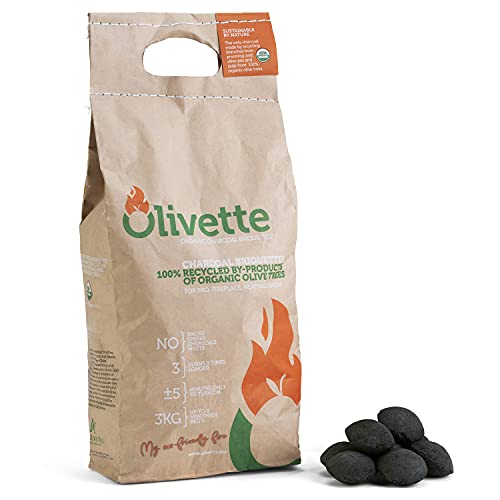
Olivette Organic BBQ Charcoal Briquettes, 6.6 lb
Inside Each Recommended Option
The Vortex Medium is built for grills that demand concentrated heat where it counts, and it earns that focus in the kamado or kettle category. Unlike the classic Kingsford approach you’ll see later, this isn’t a uniform brick-style briquette; it’s a curated medium cut aimed at direct-cooking setups.
Kamado owners chasing a hard sear on wings or a thin steak will appreciate the chunk sizing, which behaves predictably once airflow settles. For most backyard cookouts, the medium grade strikes a comfortable balance between ignition speed and burn duration, though dedicated low-and-slow pitmasters may want to layer in a larger variant for overnight holds.
Everyday Advantages
- Medium-cut sizing lights quickly and settles into a usable cooking surface within a reasonable window.
- Direct-heat focus suits searing, griddle work, and high-temperature finishing on a kettle or kamado.
- Domestic manufacturing under the Vortex brand keeps supply consistent for repeat grill sessions.
- Official manufacturer packaging reduces the risk of receiving a swapped or relabeled product.
Trade Offs
- Not optimized for long overnight smokes; expect to refresh coals during extended cooks.
- Smaller bag format may run out faster than the bulkier briquette packs later in this roundup.
Made For
Kamado and kettle owners running shorter, high-heat cooks who want a charcoal tuned for direct searing.
Reach For A Different Pick When
Low-and-slow weekend smokers should grab Kingsford Original Charcoal Briquettes instead, since their density favors long, steady burns.
Weber’s 8 kg briquette bag lands in the category as a natural, chemical-free fuel that prioritizes predictability over fireworks. If you’ve wrestled with bag-to-bag inconsistency in cheaper charcoal, you’ll notice right away how uniform these pressed bricks feel.
The bigger story is burn efficiency: each briquette is engineered to keep radiating heat longer than commodity coal, which means you can close vents, bank coals, and often relight for a second cook in the same session. For kettle and bullet-smoker owners running brisket or pork shoulder, that staying power translates directly into fewer mid-cook refills.
What Works In Its Favor
- Pressed natural composition burns evenly and supports indirect-heat smoking for hours.
- Reusable on a second cook in many setups, stretching the 8 kg bag across more meals.
- Chemical-free formula keeps the fuel taste neutral so rubs and wood smoke lead the flavor.
- Standardized sizing stacks predictably in chimney starters and ring configurations.
Points To Note
- Lighting takes slightly longer than quick-lite briquettes, so plan an extra ten minutes.
- Sold through international storefronts in some regions, where packaging and warranty terms may differ.
- Heavier bag weight makes it less convenient to haul up apartment stairs or to a tailgate.
Key Specs
Who It Suits Best
Kettle and smoker owners who run longer indirect cooks and prefer a clean, chemical-free fuel with predictable burn time.
Consider Something Else When
Quick-fire weeknight cooks should reach for Kingsford Original Charcoal Briquettes, which light faster for fast midweek meals.
Fire starters rarely get the spotlight, but the WH 5 lb box quietly fixes one of grilling’s most annoying bottlenecks: getting a stubborn chimney of briquettes to take off. Each cube is a wood-fiber brick designed to catch from a single match and burn long enough to ignite a full load underneath.
Unlike lighter fluid, which leaves a faint petrochemical aftertaste, these starters are built from pine wood and natural fatty acids, so the flavor profile stays neutral. For weekend backyard cooks, a single cube under a chimney usually gets you cooking within fifteen minutes, no fuss, no flame-blowing.
Everyday Wins
- One-touch ignition from a standard match or lighter cuts setup time dramatically.
- Natural composition avoids the off-flavors common with paraffin or wax starters.
- Compact 5 lb box stores easily in a garage, shed, or RV storage bay.
- 185-piece count covers most home grillers through a full grilling season.
Room For Improvement
- Wood-fiber cubes produce a brief flame and ash that owners commonly note when starting kamados.
- Not ideal in heavy rain; dry storage matters for reliable ignition.
Best Suited To
Weekend backyard grillers who want a cleaner, match-only alternative to lighter fluid across kettle, gas-charcoal hybrid, and pizza oven cooks.
Look Elsewhere When
Year-round heavy users will find the 15 lb WH bundle more economical for steady supply.
The 15 lb bundle doubles down on the smaller WH box, combining a 5 lb and a 10 lb carton into one 555-piece supply. If you split time between a backyard grill, a fire pit, a wood stove, and the occasional pizza-oven night, this is the size that lets you stop thinking about running out.
Each cube is built from pine wood wool blended with natural fatty acids, so ignition stays clean and the burn is long enough to bring even stubborn lump charcoal up to grilling temperature. The honest read is that this bundle rewards frequent use; light occasional grillers will sit on it longer than expected.
Why It Works Well
- Bulk bundle brings the per-cube cost down for anyone lighting fires multiple times a week.
- Odorless, smoke-light combustion keeps indoor and patio sessions comfortable.
- All-natural composition avoids paraffin, chemicals, and the lingering taste some starters leave behind.
- Versatile across grills, fireplaces, wood stoves, pizza ovens, and campfires alike.
Some Limits To Know
- Two-box packaging requires a bit of garage or shed space to store neatly.
- Cubes perform best in dry conditions; humid sheds may slow ignition slightly.
Feature Snapshot
Perfect Match For
Frequent grillers, campers, and homeowners with fireplaces or wood stoves who burn through starters year-round.
A Better Fit Elsewhere
Casual weekend cooks will find the smaller WH 5 lb box a less bulky starter stash.
Kingsford Original is the charcoal most backyard cooks grew up with, and the 16 lb bag is its most familiar format. The bricks light quickly in a chimney, develop a deep gray ash bed, and hold a steady medium-high heat across the cook.
For the family setup where the grill fires up three or four times a week in summer, this bag pulls double duty across burgers, chicken, and a long Sunday ribs session. The trade-off versus all-natural briquettes is a slightly more manufactured ash profile, which most folks won’t notice over a heavily seasoned steak.
Well-Handled Touches
- Reliable ignition in roughly fifteen minutes using a chimney starter.
- Consistent brick shape stacks evenly across standard 22-inch kettle grates.
- Broad availability at most hardware and grocery retailers keeps restocking easy.
- Stable burn supports both direct searing and indirect smoking on kettle grills.
Honest Caveats
- Standard briquettes leave more ash buildup than natural alternatives.
- Package design varies by production run, which can affect how the bag sits on a shelf.
- Less suitable for high-heat searing purists chasing the cleanest ash and flavor.
Quick Facts
Whose Shelf It Belongs On
Family households running routine weeknight and weekend cooks on a classic kettle or barrel grill.
Swap It Out When
Clean-flavor seekers should try Olivette Organic BBQ Charcoal Briquettes for a lighter ash and more neutral taste.
Sitting between the 5 lb starter box and the 15 lb mega bundle, the WH 10 lb box hits a useful middle ground for pizza-oven owners and grillers who host often. With 370 cubes on hand, you’re rarely second-guessing whether you have enough fire starter for the weekend.
The pine wood fiber and natural fatty acid formula keeps the burn odorless, so it works under a wood-fired pizza oven without affecting crust flavor. In most kitchens running weekly pizza nights, this box covers several months of regular use.
Strong Points
- Mid-size box suits homeowners without the storage room for the full 15 lb bundle.
- Odorless ignition keeps pizza, grilled vegetables, and fish tasting clean.
- Quick-light design catches from a single match, even on breezy patios.
- All-natural composition suits cooks avoiding chemical or paraffin starters.
Points To Note
- Humid storage areas can slow initial ignition, so a dry bin is recommended.
- Pine-fiber ash can scatter in high wind if not placed deep under the fuel.
Built With In Mind
Pizza oven enthusiasts and frequent grillers who want a stockpile larger than a starter box but smaller than a yearly bundle.
Where A Sibling Pick Shines
High-volume households will prefer the WH 15 lb bundle for its better per-piece value.
Olivette takes a different path entirely, pressing its briquettes from recycled olive pulp, pits, and pruning branches rather than traditional hardwood. The result is a charcoal that brings a faint olive-wood perfume to whatever you’re cooking, without additives of any kind.
For cooks who prioritize ingredient sourcing and minimal smoke, this 6.6 lb bag is a genuinely different category of fuel. Depending on your grill size, you’ll find the bag volume better suited to occasional weekend use than heavy weekly sessions.
A Favorable Mix
- Recycled olive byproduct composition supports a circular, low-waste fuel choice.
- Subtle olive-wood aroma pairs nicely with lamb, fish, and Mediterranean-style cooks.
- Additive-free formula keeps ash light and flavor clean.
- Compact 6.6 lb bag handles easily on the way to a rooftop grill or park cookout.
Practical Considerations
- Smaller bag weight means frequent grillers will repurchase more often.
- Briquette density can differ from standard hardwood bricks, so lighting patterns may take a cook or two to dial in.
- Pricing tends to sit above commodity charcoal due to the sourcing model.
Feature Card
Who Should Grab It
Clean-flavor enthusiasts and Mediterranean-style cooks who want an additive-free, recycled-feedstock charcoal for weekend grilling.
Skip It When
Volume-focused grillers running multiple weekly cooks will get more value from Kingsford Original Charcoal Briquettes.
What Separates A Good Charcoal Pick From A Frustrating One
Burn time, flavor neutrality, and ignition speed drive most charcoal choices, but the specifics shift depending on what you’re cooking. A kamado running at 225°F for pulled pork needs coals that hold steady heat for hours without chemical aftertaste, while a kettle searing burgers for fifteen minutes benefits from faster lighting and consistent ash coverage. Lighter fluid still works, but natural fire starters have quietly become the standard for clean-flavor cooks, since they burn odorless and avoid petroleum residue on the grates.
Briquette shape matters more than folks realize. Uniform bricks stack predictably in chimney starters and across ring burners, while irregular chunks can leave cold spots that slow recovery after the lid opens. For kamado and bullet smokers especially, sized charcoal that matches the firebox avoids the frustration of small pieces smothering airflow.
Bag size is the other quiet variable. A 16 lb Kingsford covers most family weekends with room to spare, while smaller 6 lb organic bags suit occasional use. Buying too small leads to mid-cook runs to the store; buying too large risks humidity damage in a garage over winter. Matching bag size to your real cook frequency matters more than chasing the largest pack on the shelf.
Lighting Method And Startup Time
Chimney starters remain the workhorse for most charcoal grills, and pairing them with a natural fire starter cube shortens the whole process. Match-light briquettes save a step but trade off flavor neutrality, which is why many seasoned cooks still prefer unscented charcoal with a starter cube.
Ash Profile And Cleanup
Pressed hardwood briquettes leave a heavier ash bed than natural lump alternatives, but that ash also insulates steady heat. If you prioritize easy post-cook cleanup, look at briquette density; denser bricks tend to combust more completely, leaving less residual ash in the kettle.
Sourcing And Sustainability
Recycled-feedstock briquettes like Olivette’s olive-pulp line offer an alternative to traditional hardwood sourcing. For households prioritizing ingredient origin over absolute burn volume, that tradeoff often feels worth the smaller bag size.
Key Considerations Across These Picks
Wrong Turns To Avoid
A common slip-up is reaching for quick-light briquettes when you actually want clean flavor, since the lighter fluid impregnated in those bricks can subtly color delicate fish or vegetables. Another mistake is buying the largest bag on the shelf without checking storage conditions; charcoal left in a humid garage or open shed absorbs moisture and becomes stubbornly hard to light. Finally, mixing random lump brands in a kamado can throw off airflow if the pieces vary wildly in size.
The Upgrade Payoff
Higher-tier charcoals earn their position through cleaner flavor profiles, more uniform briquette density, and steadier burn curves over multi-hour cooks. The honest read is that the upgrade pays off most when you smoke low and slow, run long weekend sessions, or cook dishes where fuel flavor actually shows through. For quick weeknight sears, a standard Kingsford bag does the job admirably without the premium spend.
Frequently Asked Questions
How long does charcoal typically stay usable in storage?
Stored in a dry, sealed container away from humidity, charcoal briquettes generally remain usable for several years, though extended storage can slowly degrade ignition speed.
Are natural fire starters safer than lighter fluid?
Natural wood-fiber starters reduce the risk of petrochemical residue and flare-ups during application, though any open flame still deserves standard fire-safety caution.
Can you mix charcoal brands in the same grill?
Mixing is possible, but matching briquette size helps airflow stay consistent across the bed, which prevents cold spots during longer cooks.
Do organic briquettes really taste different?
Many cooks report a milder, less metallic flavor compared to standard briquettes, though the difference shows up most clearly on simply seasoned proteins and vegetables.
What size bag makes sense for a family of four?
A 16 lb bag usually covers a family of four across several weekend cookouts, while smaller 6 to 8 lb bags suit couples or occasional grills without taking on storage bulk.
Closing Remarks
Pick the charcoal that matches how often you actually grill and what you’re cooking, then let a chimney and a natural fire starter handle the rest. Whether you lean toward the dependable Kingsford bag, the clean Weber briquettes, or the eco-minded Olivette line, the right fuel quietly turns every cookout into a better meal.