
A great steak starts long before the grill lid lifts. The fuel you choose sets the sear depth, the smoke character, and how confidently you can pull off a mid-rare at the height of a dinner party. Lump charcoal burns hotter and cleaner for a quick crust, while briquettes offer steady, predictable heat for longer cookouts. Picking the right bag matters more than most people expect, especially when you are building toward a single perfect steak night.
A Quick View Of The Lineup
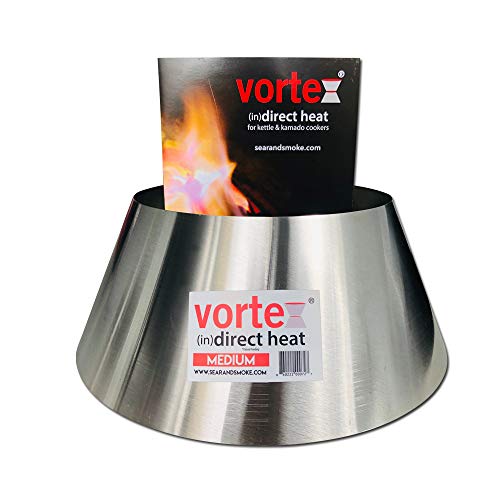
Medium BBQ Vortex™ BGE Kamado Kettle Charcoal

Weber 1759180 Briquettes, 8 Kg

Rockwood Natural Lump Charcoal 20 lbs (2-Pack)

Kingsford Original Charcoal Briquettes 16 lbs

Big Green Egg All Natural Hickory and Oak Lump Charcoal 17.6 lb

Kingsford Original Charcoal Briquettes 12 lbs (Pack of 2)
Meet The Standout Selections
The Medium BBQ Vortex is a purpose-built accessory rather than a generic fuel bag, so it solves a very specific steak problem: getting a ripping hot direct zone right next to a cooler indirect zone in a kettle or kamado. Owners commonly drop the charcoal around the cone shape and end up with a tight sear point that can handle a thick ribeye without overcooking the center. It pairs well with lump charcoal for the cleanest flavor, though briquettes will burn inside it just fine.
Where it shines is when you want restaurant-style zoning at home, and you are willing to learn where each cut sits relative to the cone. The medium size suits most standard 18 to 22 inch kettles, and the build feels sturdy enough to last many seasons with proper ash cleanup between cooks.
Standout Benefits
- Creates a true two-zone setup in a single kettle, so you can sear over direct heat and finish gently without moving grates.
- Medium footprint fits the majority of kettle and kamado grills without crowding the lid.
- Made in the USA and shipped under a trademarked brand sticker, which helps you avoid lookalikes on crowded marketplace listings.
- Works with both lump and briquette fuel, giving you flexibility on flavor versus heat consistency.
Things To Consider
- It is an accessory, not a fuel itself, so you still need a separate bag of charcoal to actually run it.
- Setup requires a small learning curve; first-timers may need a cook or two to dial in airflow and timing.
- Ash collects inside the cone after each session and benefits from a quick cleanout to keep airflow steady.
Built With In Mind
You cook on a kettle or kamado and want the kind of direct-over-indirect control that turns a basic backyard into a serious steak station.
Reach For A Different Pick When
The Rockwood Natural Lump Charcoal is a better match for large-format cookouts where you just need raw fuel and no special zoning hardware.
Weber briquettes are the dependable middle of the road for anyone running a kettle grill. They light fast, hold a steady middle temperature, and can be reused across a longer cook if you shut the vents at the right time. For steak specifically, they give you enough heat to sear a 1.5 inch cut, then taper gracefully as the cook progresses.
The 8 kg bag works out to roughly 17.6 pounds, which covers several mid-sized cookouts before you need to restock. Owners commonly report the burn time stretches longer than generic supermarket briquettes, especially when paired with a Weber chimney starter.
A Favorable Mix
- Uniform pillow shape means predictable airflow, so your sear zone behaves the same way cook after cook.
- Generous 8 kg size keeps the bag count down for households that grill most weekends.
- Reusable across a session when vents are managed, which reduces waste during low-and-slow finishes.
- Pairs naturally with a Weber chimney, cutting light-up time to roughly 15 minutes in fair weather.
Worth Noting
- International sourcing can mean different labeling or warranty terms than domestic Weber bags, so check the listing closely.
- Does not reach the searing ceiling of a clean hardwood lump, which may matter for thinner cuts where you want maximum crust.
- Stores best in a dry bin or sealed bucket to avoid moisture pickup in humid garages.
Key Product Details
Made For
Kettle grill owners who want a predictable, repeatable steak cook without fussing over flame spikes.
A Better Fit Elsewhere
Grab the Kingsford Original 16-pound bag instead for tighter budgets or for households that want a more familiar national brand on the shelf.
Rockwood ships lump charcoal as a hardwood blend of oak, hickory, and cherry, which gives the fire a slightly sweet, smoky edge that suits thick steaks well. Lump burns hotter and faster than briquettes, so you trade some consistency for a stronger crust and a cleaner ash profile. The 2-pack format lands 40 pounds of fuel at once, which is the right scale for anyone running a kamado or a heavy backyard schedule.
For everyday sear sessions, the pieces vary in size, so a quick sort before lighting helps you build a level bed. You may also find that the hickory content adds enough flavor that you can skip a separate wood chunk on most steak nights.
Reasons It Performs
- Oak, hickory, and cherry blend layers a mild smoke note into the crust without overpowering the beef.
- Reaches sear temperatures faster than briquettes, which shortens the time from light to plate.
- 2-pack supply cuts down on shipping frequency for grills that see regular weekend use.
- Leaves very little ash, so cleanup between cooks stays quick.
Room For Improvement
- Piece size varies more than pressed briquettes, so lighting feels uneven until you sort the lumps by hand.
- Burns faster than briquettes, meaning you may need to add fuel mid-cook for long grilling sessions.
- Needs dry storage; lump absorbs humidity faster than pressed fuel and can sputter if it gets damp.
Best Suited To
You run a kamado or kettle weekly and prefer a hotter, hardwood-driven sear over a long, gentle burn.
Consider Something Else When
The Big Green Egg Hickory and Oak lump is a closer match for kamado purists who want a slightly smaller bag and a tighter sourcing story.
Kingsford Original is the charcoal most Americans grew up grilling with, and it earns that familiarity honestly. The pressed shape lights quickly with a chimney starter and holds a steady medium-high temperature that handles a thick strip steak without burning through the cook. The 16 pound bag is the right size for a few weeks of weekend grilling before you need a replacement.
For someone still building confidence at the grill, the predictability of this fuel removes one major variable from the learning curve. You set the vents, you wait, and the fire behaves the way Kingsford owners have come to expect.
What Pays Off
- Pressed pillow shape lights in roughly 15 minutes with a standard chimney, so weeknight cooks stay simple.
- Wide national availability means you can replace a bag at almost any local hardware or grocery stop.
- Consistent size and density make it a forgiving fuel for beginners still learning vent control.
- Burns long enough to finish a steak and grill vegetables in a single session without reloading.
Honest Caveats
- Reaches a lower peak temperature than hardwood lump, so the sear on a thick steak can feel slightly less aggressive.
- Contains binders that produce more ash than pure lump, which means a little extra cleanup between cooks.
- Packaging design may shift over time, which rarely matters functionally but can confuse first-time shoppers.
Right Fit For
You are new to charcoal grilling or want a no-surprise fuel that handles a wide range of weeknight meals.
Skip It When
The Kingsford Original 12-pound twin pack is the better choice if you want to split the weight across two shorter trips from the car to the grill.
Big Green Egg’s lump is the brand’s own fuel, which makes sense if you already cook on an Egg and want the chemistry matched at the factory. The blend of organic hickory and oak burns clean, lights fast, and leaves almost no chemical aftertaste on the meat. At roughly 17.6 pounds per bag, it is sized for serious kamado cooks who plan ahead.
The sourcing comes from FSC-certified forests, which is a meaningful point for shoppers who care about where their fuel grows. For steak specifically, the heat ceiling is high enough to sear a ribeye hard without overcooking the interior during a brief indirect finish.
Well-Handled Touches
- Lights in about 10 minutes, shaving time off the standard kamado startup compared to generic lump.
- Sourced from FSC-certified forests, which gives the bag a clearer origin story than most competitors.
- Clean burn leaves very little ash, so vent adjustments stay predictable across long cooks.
- Hickory and oak blend adds a subtle smoke layer that complements beef without dominating the flavor.
Points To Note
- Costs more per pound than Kingsford or Weber briquettes, which adds up across a heavy grilling season.
- Pieces still vary in size and require a quick sort for an even fire bed before lighting.
- Works best inside a kamado-style grill; thinner steel kettles may not retain the heat as efficiently.
Feature Snapshot
Whose Shelf It Belongs On
Kamado owners who want fuel matched to their grill and care about clean sourcing as much as heat performance.
Swap It Out When
The Rockwood Hardwood Lump is a smarter choice for big-volume cookouts where the larger bag count offsets its smaller per-pound premium.
The Kingsford Original twin pack keeps the same pressed briquette formula as the 16 pound bag, just split across two smaller 12 pound sacks. Two 12 pound bags generate roughly 8 grilling sessions combined, which works well for households that want fuel without hauling a single heavy bag home from the store. For steak, the air-channel grooves help the fire catch quickly and spread evenly across the bed.
The 15-minute light time is a real convenience on busy weeknights, and the smaller bag size makes it easier to store in a tight garage or shed. You trade a little per-pound economy for that convenience, which is the right call for many casual grillers.
What It Does Well
- Two-bag split is easier to lift, carry, and store than a single oversized sack.
- Groove-shaped edges increase surface area, helping the fire catch faster than older Kingsford formulations.
- Made with natural ingredients and real wood, so the smoke carries a familiar BBQ flavor rather than a chemical bite.
- Reliable for weeknight steak cooks where timing matters more than chasing the absolute highest sear temperature.
Practical Considerations
- Per-pound cost runs slightly higher than the 16 pound Kingsford bag due to the twin-pack convenience.
- Packaging design changes occasionally, which can confuse shoppers reordering by appearance rather than ASIN.
- Still a briquette, so it cannot match the searing ceiling of a hardwood lump like Big Green Egg or Rockwood.
Quick Facts
Who Should Grab It
Families who want a familiar, easy-to-handle Kingsford supply and only need enough fuel for a handful of cooks each month.
Look Elsewhere When
The Weber 1759180 Briquettes 8 Kg is a closer fit for kettle owners who prefer a different brand’s flavor profile and a single big bag on the shelf.
Picking Charcoal That Matches Your Grill And Your Steak
Lump Versus Briquette: What Actually Changes At The Grill
Lump charcoal is just charred hardwood, so it burns hotter, faster, and with less ash. Briquettes are pressed fuel made from charcoal dust, binders, and sometimes mineral additives, so they burn longer and more predictably. For a thick steak that wants a hard sear and a quick finish, lump gives you more heat per square inch. For a longer cook that needs steady temperatures, briquettes hold the line better.
Hardwood Blend And Smoke Character
Different woods add different flavor notes. Oak is mild and neutral, hickory leans stronger and bacon-like, and cherry adds a touch of sweetness. Most bagged hardwood lump blends mix two or three species to round out the smoke profile. If you are cooking a marbled ribeye, a heavier hickory blend stands up to the fat, while a lighter oak blend suits leaner cuts like sirloin or flank.
Bag Size, Storage, And Burn Time
A bigger bag saves shopping trips but needs a dry storage spot, since both lump and briquettes absorb humidity over time. Smaller twin packs are easier to lift and tuck into a tight garage. Burn time varies by grill geometry and vent settings, but a typical kettle session for a few steaks runs roughly 45 to 90 minutes on a full chimney of fuel.
Matching Fuel To Grill Style
Kettles and kamados handle both formats well, but kamados trap heat so efficiently that a clean-burning lump really shines. Smaller portable grills often favor briquettes because the steady burn stretches the fuel further. Pick the format your grill was designed around, then refine by flavor preference.
Key Considerations Across These Picks
Pitfalls Shoppers Hit
The most common charcoal mistake is grabbing the cheapest bag and lighting it without sorting the lumps. Uneven pieces create hot pockets and cool gaps that make a steak cook unpredictable. Another slip is storing bags in a damp garage or shed, which leaves the fuel soggy and slow to catch. Always sort by size, and keep bags sealed and dry.
Why Top Tier Costs More
Premium lump runs higher per pound because of cleaner sourcing, tighter hardwood selection, and longer burn cycles. For most weeknight cooks, that upgrade is hard to taste. For thicker steaks or kamado cooks, where heat stability and clean smoke really come through, the extra spend usually pays back in crust quality and fewer mid-cook fuel reloads.
Frequently Asked Questions
How long does charcoal need to burn before it is ready for steak?
Most briquettes reach cooking temperature about 15 minutes after lighting, and quality lump arrives a few minutes faster. Wait until the flames die down and the coals develop a thin gray ash coating before laying the steak down.
Can I mix lump and briquettes in the same grill?
Yes, and many grillers do. Layering briquettes on the bottom and lump on top gives you steady heat with a hotter top crust, which works well for thick steaks. Just avoid stacking more than two-thirds full to keep airflow healthy.
How much charcoal should I use for two steaks?
A small chimney starter full, roughly 50 to 60 briquettes or an equivalent volume of lump, covers two 1 inch steaks on a kettle grill. For thicker cuts, add another 10 to 15 pieces to maintain temperature through the cook.
Does charcoal type change the flavor of steak?
Yes, but more subtly than most people expect. Briquettes add a mild baseline smoke, while hardwood lump blends highlight specific wood notes like hickory or oak. The bigger flavor driver is the sear, not the wood, so choose fuel for heat quality first.
How should I store leftover charcoal?
Keep it in a sealed plastic bin, a metal pail with a tight lid, or the original bag inside a dry storage tote. Moisture is the enemy, so a garage corner that stays dry year-round works well, while outdoor sheds in humid climates may need a vapor barrier.
Wrap Up
A great steak night starts with fuel that matches your grill and your appetite for heat. Lighter, cleaner lump works beautifully in kamados and kettles built for high sears, while steady briquettes make sense for predictable weeknight cooks. Pick the bag that fits your routine, and the steak will follow.