
Charcoal choice quietly decides whether a cookout becomes a memory or a fizzle. The right fuel lights fast, holds steady heat, and leaves the kind of light smoke flavor that turns ordinary chicken into a weekend highlight. This shortlist pulls together briquettes, lump-free starter tools, and a specialty organic option so you match fuel to grill, menu, and mood. Whether you host weekly or fire up the kettle for a once-a-month steak night, the picks below cover the situations home cooks actually face.
How The Shortlist Stacks Up
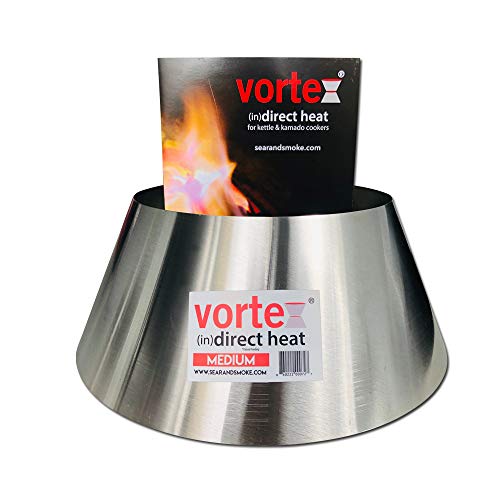
Vortex Medium BBQ Direct Cooking

E500 Natural Fire Starters 60-Pack

Kingsford Original Briquettes 16 lb

Kingsford Original Briquettes 24 lb Twin Pack
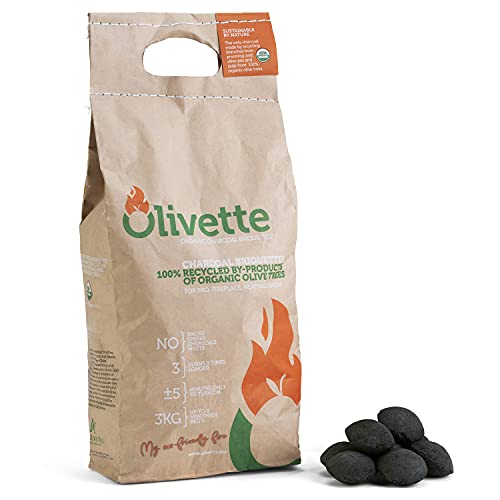
OLIVETTE Organic Briquettes 6.6 lb
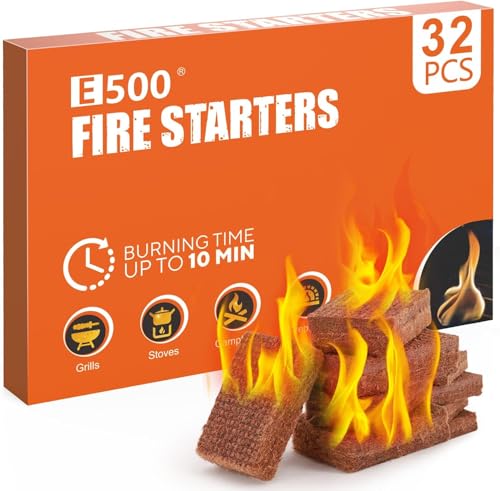
E500 Waterproof Firestarter Sticks
Taking A Closer Look At The Options
Direct-cooking baskets change how a kamado or kettle works, turning the dome into a flat-top sear station when you want it. The Vortex Medium setup sits inside the grill and lifts the fuel off the firebox floor, letting air swirl underneath the coals for fast, even ignition. For owners who sear steaks, smash burgers, or finish chicken under intense radiant heat, the geometry solves a common pain point.
Made in the USA and stamped with the official brand markings, this unit is purpose-built rather than a generic accessory. Kamado owners chasing that restaurant-style crust, plus kettle fans tired of uneven hot spots, will feel the difference most. You trade a bit of fuel capacity for much better airflow and a flatter cooking plane.
Where It Delivers
- Rises coals off the firebox floor so heat circulates freely underneath.
- Creates a flat sear surface ideal for steaks, burgers, and wings.
- Works across kamado, kettle, and other charcoal grill formats.
- Trademarked branding helps confirm you have the genuine accessory.
Things To Consider
- Holds less fuel than a full charcoal bed, so longer low-and-slow cooks need refills.
- Single-size accessory only; verify the medium footprint matches your grill diameter before buying.
- Adds another component to clean and store between cookouts.
Who It Suits Best
Kamado and kettle owners who want direct-heat searing without rigging a raised grate.
Where Another Pick Suits Better
Shoppers wanting plain briquettes for everyday grilling should look at the Kingsford Original 16-pound bag instead.
Aim lighter fluid at the page, watch the flare-up, and hope for the best; that old routine annoys plenty of home cooks. Solid fire starters skip the fluid entirely, and the E500 60-pack makes that switch affordable at scale. Each cube burns long enough to get a chimney of coals fully involved, even when the weather turns damp.
Made from natural pine and engineered for water resistance, the starters pull double duty between grill nights and weekend campfire trips. Bulk packaging suits anyone firing up the kettle weekly, running a small fire pit, or maintaining a wood-burning fireplace. The trade-off is storage: a 60-count box takes up more pantry room than a 12-pack would.
Good Reasons To Consider
- Sixty cubes cover a long stretch of grilling season without restocking.
- Water-resistant build holds up in light rain or humid coastal air.
- Odorless burn means no chemical aftertaste on food.
- Multi-purpose use across grills, fireplaces, and campfire rings.
Points To Note
- Bulk format requires a cool, dry storage spot away from pets and curious kids.
- Each cube burns for around ten minutes, so very large charcoal loads may need two starters.
- Not a substitute for fuel itself; pairs with briquettes or lump charcoal.
Feature Snapshot
Made For
Frequent grillers and campers who want a stockpile of clean, reliable ignition cubes.
Consider Something Else When
Shoppers wanting a single smaller starter pack for occasional backyard use should check the E500 Waterproof Sticks covered later in this guide.
Briquettes are pressed charcoal blocks bound with starches and sawdust, designed for steady, predictable heat. The Kingsford Original 16-pound bag leans into that consistency, which is why it shows up on so many back porches. The bag weight suits a standard kettle or barrel grill for a weekend session without leaving leftover fuel to store.
Expect quick lighting when paired with a chimney starter, then a long, even burn across burgers, ribs, or vegetables. The grooves on each briquette create air channels, helping heat spread evenly rather than pooling in one corner. Owners who mostly grill standard fare at moderate temperatures get exactly the experience they want.
A Strong Showing
- Ready to cook roughly fifteen minutes after lighting with a chimney.
- Grooved shape creates air channels that catch flame fast and burn evenly.
- Mid-size bag fits standard backyard grills without excessive leftover storage.
- Works across direct and indirect cooking styles on most charcoal grills.
Honest Caveats
- Produces more ash than hardwood lump, so the grill needs cleaning between sessions.
- Standard bag runs out quickly for households grilling multiple times per week.
Feature Rundown
Best Suited To
Weekend family cooks who want predictable, fast-lighting charcoal without overspending.
Look Elsewhere When
Cooks who fire up the grill several times a week should consider the Kingsford Original 24-pound twin pack for fewer restocks.
Twelve pounds sounds like plenty until a holiday weekend burns through half a bag in one afternoon. The Kingsford Original twin pack doubles up to twenty-four pounds across two sealed bags, which keeps fuel fresh and spreads deliveries further apart. Heavy-use households typically see this format as the practical default rather than a luxury upgrade.
Behavior matches the single 16-pound bag: fast lighting, steady burn, consistent heat across the cook. Two 12-pound portions mean a torn or wet outer bag does not spoil the second half. You trade pantry space for fewer orders, which is a worthwhile swap for regulars on the grill.
A Few Highlights
- Two-bag format spreads the supply across multiple cookouts without one oversized sack.
- Same fast-lighting, even-burning Kingsford Original recipe in a larger quantity.
- Each 12-pound bag roughly covers eight typical grilling sessions.
Trade Offs
- Twin pack needs more dry storage room than a single 16-pound bag.
- Same ash output as standard briquettes, so cleaning duties do not decrease.
Quick Facts
Right Fit For
Heavy-use households and entertainers who would rather shop for charcoal once a month than weekly.
Swap It Out When
Cooks chasing a more natural, additive-free flavor should pivot to the OLIVETTE Organic briquettes covered below.
Most charcoal bags hide a long ingredient list. OLIVETTE flips that script by pressing briquettes from recycled olive pulp, pits, and pruning branches, certified organic and free of chemical additives. The result is a fuel that lights with a faintly sweet, woody aroma rather than the harsher smoke typical of commodity briquettes.
The trade-off is quantity. A 6.6-pound bag covers fewer cookouts than a standard Kingsford sack, so the per-cookout cost runs higher. That math changes for anyone who values clean flavor above all else and grills on a smaller kettle or table-top unit. You also get noticeably less ash, which makes cleanup quicker.
Positive Takeaways
- Made from recycled olive byproducts, an eco-friendly alternative to standard charcoal.
- USDA-certified organic with no chemical additives in the briquette.
- Light olive-wood scent pairs well with fish, vegetables, and lighter meats.
Some Limits To Know
- Smaller bag size means more frequent reorders for heavy-use households.
- Olive briquettes can burn hotter and faster than standard mixes; expect to adjust airflow.
- Limited availability compared to mainstream charcoal brands in some regions.
Perfect Match For
Clean-flavor seekers, smaller households, and cooks who grill fish or vegetables where subtle smoke matters.
Reach For A Different Pick When
Large gatherings needing steady, predictable fuel in bulk are better served by the Kingsford Original twin pack reviewed earlier.
A surprise drizzle used to mean a canceled cookout. Waterproof firestarter sticks change that equation by soaking up moisture and still catching flame reliably. The E500 sticks are short, roughly an inch across, sized to slot under a chimney starter or tuck into a charcoal pile without rolling around.
Material choice matters here. These sticks use natural wood fibers combined with plant-based wax, keeping the burn clean enough for direct food contact. Outdoor cooks who tailgate, camp, or simply refuse to reschedule because of weather get the most out of this format. Smaller count per box means lighter storage but quicker turnover.
What Makes Sense
- Waterproof build keeps ignition reliable during light rain or damp storage.
- Compact stick shape fits under chimney starters and inside small grills.
- Plant-based wax and natural wood deliver a clean, food-safe burn.
- Multi-use across grills, pizza ovens, and campfire rings.
Practical Considerations
- Smaller box means more frequent repurchasing than the 60-pack E500 cubes.
- Sticks burn faster than larger cubes; some chimney loads may need two sticks.
Feature Snapshot
Who Should Grab It
Outdoor and tailgate cooks who refuse to let rain cancel their plans.
Where A Sibling Pick Shines
Shoppers wanting a larger starter supply for the whole season should consider the E500 Natural Fire Starters 60-Pack.
Picking Charcoal That Actually Suits Your Grill
Choosing the right fuel starts with matching briquette shape, ignition method, and bag size to your grill and habits. A kamado owner chasing restaurant sears wants airflow geometry first, while a weekly family cook needs predictable heat and enough fuel on hand. Think about how often you grill, what you cook, and where you store bags before locking in a pick.
Bag Size And Burn Time
A 6-pound bag covers a small kettle for two cookouts, while a 24-pound twin pack runs a busy household through most of a month. Larger bags lower the per-pound cost but demand dry, critter-proof storage. Smaller organic bags feel premium, so weigh convenience against the cost per cookout. Briquettes with grooves and edges light faster, so a chimney-start routine takes about fifteen minutes rather than thirty.
Starter Method Matters
Lighter fluid burns off flavor for the first few minutes and leaves a chemical note some cooks dislike. Solid starters, whether cubes or short sticks, ignite a chimney cleanly and avoid that aftertaste. Waterproof sticks extend usability into damp weather, and bulk cube packs keep a season’s worth of ignition ready to go. Pick a starter based on how often you light a grill in imperfect conditions.
Flavor And Composition
Standard briquettes use natural wood and starch binders for a familiar backyard smoke profile. Organic briquettes press olive pulp and pits into a cleaner, slightly sweet aroma that suits fish and vegetables. Neither is objectively better; the difference shows up most on delicate proteins where the smoke character carries through. Ash output is the quiet factor, since lower-ash fuels clean up faster between sessions.
Grill Type Compatibility
Kettle and barrel grills accept any standard briquette with predictable results. Kamados run hotter and more efficient, so they shine with lump-style fuels but work fine with briquettes when managed. Direct-cooking baskets add a flat sear zone without changing the fuel itself. Match the accessory to your grill diameter and cooking style before adding anything beyond the charcoal itself.
Common Pitfalls And Upgrade Trade-Offs
Where Shoppers Go Wrong
Buying the cheapest bag per pound often hides a tradeoff in ignition time, ash output, and flavor. Skipping a chimney starter to save money tends to mean longer cook starts and uneven heat. Storing bags in a damp garage breaks even good briquettes into crumbling dust by midsummer.
What The Higher Tier Buys
Premium and organic briquettes cost more per pound because the source material is recycled, certified, or pressed in smaller batches. The flavor and ash differences show up most on delicate proteins and short cookouts. Bulk twin packs raise the upfront spend but reduce the per-cookout cost and cut down on shipping trips. Spend up when flavor and convenience matter more than the raw price tag; stick with the standard bags when feeding a crowd where subtle smoke is not the point.
Frequently Asked Questions
How long does charcoal stay good in storage?
Properly sealed bags keep briquettes usable for one to two years in a cool, dry spot. Moisture is the real enemy, so anything stored in a humid garage loses reliability fast.
Do I still need lighter fluid with these starters?
A chimney starter paired with solid fire starters handles most lighting jobs without fluid. You get a faster ignition and avoid the chemical aftertaste fluid can leave on early food.
Can I mix briquette brands in the same grill?
Mixing is fine for casual cooks, though burn rates differ between standard and organic briquettes. Blend small amounts at a time until you learn how the combined bed behaves.
How much charcoal does a typical cookout need?
A standard kettle cookout for a family of four runs through about two to three pounds of briquettes. Longer low-and-slow sessions can easily double that amount.
Is organic charcoal worth the higher price?
Organic briquettes earn their cost for clean-flavor seekers and anyone sensitive to smoke additives. For everyday burger-and-steak grilling, standard briquettes deliver plenty of flavor at a friendlier price.
Bottom Line
Start with a bag size that matches how often you grill, then add a chimney starter and a solid firestarter to remove the most common frustrations. Kamado and kettle owners chasing a flat sear zone should look hard at the Vortex direct-cooking accessory, while flavor-focused cooks get the most out of the OLIVETTE organic briquettes. Whatever you choose, the right fuel turns the same grill into a noticeably better cook.