
Lighting charcoal by hand used to mean crumpled newspaper, half a matchbook, and a lot of patience. These days, a good starter turns that slow ritual into a 10-minute job, and it removes the lighter-fluid taste that can sneak into your food. Whether you grill weekly or just pull the Weber out on summer weekends, the right starter pays you back every time you cook.
The Choices Worth Comparing

Weber Rapidfire Chimney Starter, Standard

Weber Charcoal Lighter Cubes, 96 Count
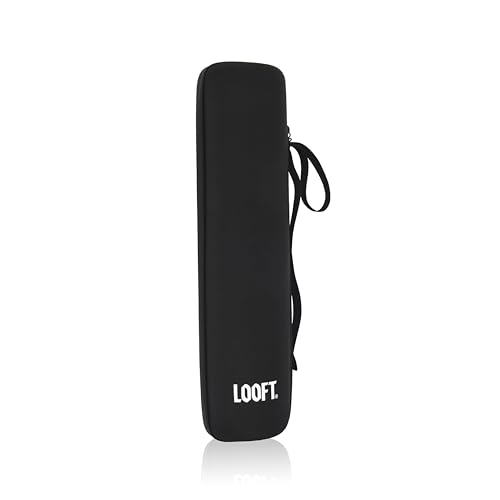
Looftlighter Case for Classic & Pro
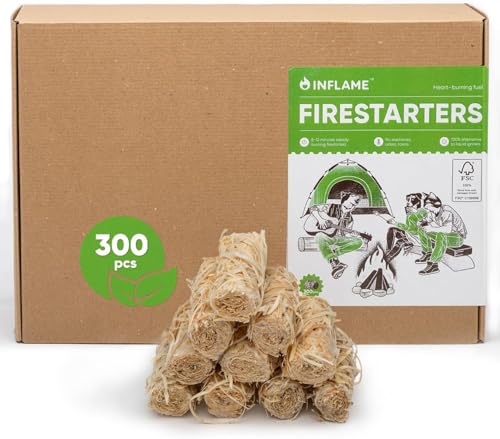
Inflame Fire Starters 300 pcs

Rutland Safe Lite Fire Starter Squares

Inflame Fire Starters 130 pcs

Looftlighter Classic Electric Charcoal Starter
The Strengths Of Each Pick
The Weber Rapidfire chimney starter is the kind of tool you forget about until you try cooking without one. Drop crumpled paper under the cone, light it, and the draft does the rest. For most home cooks running a kettle grill, that single piece of aluminized steel earns its spot on the patio.
Compared to solid-cube starters coming up later, this is a manual pick that costs nothing to operate and breaks down into nothing consumable. You’ll refill it with paper or the cubes from item 2, which keeps the long-term cost flat.
Where It Helps
- Aluminized steel body resists warping through repeated hot cycles
- Cone-shaped grate focuses airflow so coals ash over faster
- Generous 7.5-inch diameter bin handles a full load for family meals
- No fuel cost beyond paper or a couple of cubes
- Ergonomic handle stays cooler than thinner stamped handles
Worth Noting
- Requires you to supply paper or a starter cube each time
- Hot handle means you need a safe spot to set it down while coals finish
- Bulkier than a small electric starter if storage space is tight
Key Specs
Right Fit For
Grillers with a kettle or barrel cooker who already have paper or cubes on hand and want a reusable tool.
Look Elsewhere When
Pick the Inflame 300-piece cube pack instead, since those cubes handle windy or damp conditions when paper struggles.
When rain pops up right as you’re about to grill, paper wads turn into useless mush. Weber’s lighter cubes are designed to catch fire even when wet, which removes one of the most common cookout frustrations. The 96-count box keeps a steady supply in the cabinet through a full grilling season.
Compared to the chimney starter from item 1, these cubes replace the paper step entirely and skip lighter fluid’s aftertaste. For someone who values speed over reusables, that’s a meaningful trade.
Strengths Worth Knowing
- Burns through damp conditions where newspaper fails
- Odorless wax formula leaves no chemical taste on food
- Long shelf life means a single box lasts multiple seasons
- Pairs with any chimney or can sit directly under charcoal
Trade Offs
- Each cook uses a cube, so you replenish supplies regularly
- Single cube may struggle lighting a very full chimney in cold weather
- Produces a small amount of residue you need to shake off before cooking
Quick Facts
Made For
Outdoor cooks in humid or rainy climates who fire up the grill more than once a week.
Reach For A Different Pick When
Step up to the Rutland Safe Lite squares if you also light fireplaces and want one cube that handles every fire in the house.
Electric lighters like the Looftlighter Classic (covered later) make lighting coals feel almost effortless, but they don’t love being left outside. This carrying case wraps the unit in a water-resistant shell with a built-in strap so you can hang it on a hook by the grill or toss it in a cabinet without scratching the barrel.
It is essentially a small accessory, so its value depends entirely on whether you already own a compatible lighter. Skippers can ignore this pick and move to the Inflame cubes below.
The Upside
- Water-resistant outer fabric guards against patio moisture
- Built-in carrying strap keeps the lighter handy between cooks
- Fits both Classic and Pro Looftlighter models
Points To Keep In Mind
- Accessory only, so it adds cost if you don’t already own the lighter
- Soft shell won’t survive being dropped onto concrete
Whose Shelf It Belongs On
Looftlighter owners who keep their electric starter outdoors or in an open garage.
Consider Something Else When
Skip ahead to the Inflame cubes or Rutland squares if you don’t use an electric lighter, since this case offers nothing to a chimney-only setup.
For households that burn through starter cubes like popcorn, the 300-piece Inflame box turns restocking into an annual errand. Each cube reportedly burns 8 to 12 minutes, which is enough time to ash over a full chimney of briquettes without babysitting the flame.
Compare this to the Weber 96-count pack, and the Inflame wins purely on volume. The smaller 130-piece Inflame later in the list is the same product for lighter-use homes.
Good Reasons To Consider
- 300 cubes cover a long grilling and camping season in one box
- Natural fiber composition suits fireplaces and wood stoves too
- Steady burn keeps lighting hands-free
- Works inside a chimney or beneath loose charcoal directly
A Few Limitations
- Bulky box demands a dry storage spot indoors
- More supply than a casual griller actually needs
Feature Card
Best Suited To
Frequent grillers and campers who want to buy charcoal lighting supplies once and forget about it.
A Better Fit Elsewhere
Choose the Inflame 130-piece version if your grilling pace is more like weekends, since the smaller box costs less up front.
The Rutland squares have been a fireplace-staple name for years, and they translate nicely to charcoal duty. No kindling required, no flavor transfer, and they reportedly light even when wet, which is a useful trait if your firewood lives outside under a tarp.
Versus the Weber cubes in item 2, the Rutland squares lean more toward indoor fireplaces. For households that split time between the grill and a wood-burning stove, that dual role matters.
What Works In Its Favor
- Lights reliably even after getting wet, useful for outdoor storage
- Complies with strict South Coast Air Quality standards
- No kindling needed, simplifying fireplace startup
- Won’t flavor food, safe under charcoal and wood alike
Less Ideal Details
- Squares are slightly fiddly to split compared to cubes
- Air-quality compliance is specific to the South Coast region, so it’s mostly a comfort detail elsewhere
Technical Sheet
Perfect Match For
Homeowners who split their fire-starting duties between the grill, fire pit, and an indoor fireplace or wood stove.
Swap It Out When
Grab the Weber 96-count cubes instead, since cube shapes nestle more easily under a chimney starter’s grate.
The 130-piece Inflame box is the same formula as the larger 300-count version above, just sized for the grill-master who fires up the kettle a few Saturdays a month. The smaller footprint fits inside a kitchen drawer or a small patio bin.
For someone who tried the 300-count and watched half the box age out unused, this is the more measured pace.
Everyday Perks
- Compact box stores easily in a kitchen drawer
- Same 8 to 12 minute burn time as the larger version
- Multi-purpose: fireplaces, wood stoves, charcoal, and campfires
Soft Spots
- Runs out faster than the 300-piece sibling if you grill often
- Natural-fiber formula requires dry storage
Who Should Grab It
Grillers with light-to-moderate weekend use who want a sensible starter supply without committing to a giant box.
Where A Sibling Pick Shines
Move up to the 300-piece Inflame if you host large cookouts or run a fire pit through the fall, since restocking adds up.
The Looftlighter Classic is the most different option on this list. Instead of cubes, paper, or chimney drafts, it blasts a 1300°F flameless jet of hot air into your charcoal and gets coals glowing in roughly five minutes. There is no flame, no lighter fluid, and no smoke smell to chase out of a patio.
Compared to the chimney starter in item 1, the Looftlighter costs more up front and requires an outlet, but it eliminates the consumables entirely. Pair it with the carrying case above if you keep it outdoors.
Well-Handled Touches
- Flameless heat removes the lighter-fluid taste from food
- Fast ignition time, often under five minutes for a chimney load
- Multi-purpose: charcoal, fireplaces, pizza ovens, campfires
- No consumables to repurchase after the initial buy
Factors To Consider
- Needs a power outlet or long outdoor-rated extension cord
- Higher upfront cost than cube or chimney options
- Heating element wears with very heavy use
Feature Snapshot
Who Will Love This
Grillers who want a chemical-free setup and don’t mind running a power cord to the patio.
Skip It When
Stick with the Weber Rapidfire chimney starter if you grill in remote spots without a nearby outlet or prefer a totally manual setup.
Choosing The Right Charcoal Starter For Your Setup
The best starter matches how, where, and how often you light fires. Chimney starters, electric lighters, and solid fuel cubes each solve the same problem differently, and the trade-offs are worth weighing.
Match the starter to your grill type. A Weber kettle pairs naturally with a chimney starter or a few solid cubes under the grate. Ceramic kamado grills and pizza ovens tolerate the Looftlighter’s hot air well, since no open flame touches the cooking chamber. For small portable grills, smaller cube counts like the Inflame 130-piece prevent a half-empty box aging out in a drawer.
Think about weather and storage. Anything natural-fiber or wax-based needs to stay dry between uses, so indoor storage matters in humid climates. Chimney starters shrug off weather but need a cool-down spot out of foot traffic.
Consider how often you light. Casual grillers save money on a reusable chimney starter, paying only for occasional paper or a small cube pack. Frequent grillers and campfire hosts burn through cubes fast, so bulk packs (like the Inflame 300-piece) and electric options earn back their higher price over a season.
Key Considerations Across These Picks
Pitfalls Shoppers Hit
A common mistake is buying a chimney starter without a steady supply of paper or cubes to put under it. The chimney still needs fuel to draw. Another is grabbing the cheapest cube pack and storing it in a damp garage, which leaves the cubes crumbly and slow to catch. Match the box size to your actual grilling pace, and keep the cubes sealed and dry.
What The Higher Tier Buys
The Looftlighter Classic and the Looftlighter case cost more up front because they replace consumables with hardware. Over a season of heavy grilling, the saved cost of cubes and paper can offset that premium. For anyone who values a chemical-free cook or simply dislikes dealing with fuel packaging, the upgrade pays off in convenience alone.
Frequently Asked Questions
What is the fastest way to light charcoal without lighter fluid?
A chimney starter with paper or a solid cube underneath is the fastest reliable method. Electric lighters like the Looftlighter cut ignition time down to roughly five minutes, but they need a power outlet nearby.
Can you light charcoal in the rain?
Yes, with the right starter. Solid cubes like Weber’s lighter cubes and Rutland squares are designed to catch fire even when wet. Paper wads and standard kindling usually fail in damp weather.
Are charcoal starter cubes toxic?
Most reputable cubes use non-toxic, odorless wax or natural fibers that won’t flavor food. Still, let the cube burn fully and ash over the coals before cooking, and shake off any residue before placing food on the grate.
How long does an electric charcoal starter last?
With typical home use, an electric starter like the Looftlighter Classic lasts several years. Lifespan depends on how often the heating element cycles to full temperature and how carefully the unit is stored between cooks.
Do I need a chimney starter if I already have cubes?
Not strictly. Cubes can sit directly under a pile of charcoal and ignite it without a chimney. A chimney starter speeds things up by creating a strong draft, so it’s worth adding if you cook for groups often.
Wrap Up
Pick the starter that fits your grill, your weather, and your cooking rhythm. A reliable chimney and a small cube stash covers most backyard cooks, while electric and bulk-cube options make sense once you light up more than a few times a month. Choose the path that keeps weeknight grilling simple, and your charcoal will be ready when you are.