
That first spark of charcoal is what separates backyard cooks from charcoal enthusiasts, and the right chimney starter decides whether you’re cooking in 15 minutes or nursing a stubborn fire for an hour. Whether you’re firing up a kettle grill for weeknight burgers, running a pizza oven at full heat, or chasing the perfect sear on a steak, the gear between you and a roaring bed of coals matters more than the grill itself.
Below are seven chimney starters and complementary fire-building tools worth a closer look, covering steel cones, weatherproof cubes, natural wood-fiber starters, and kiln-dried fuel. Pick by cooking volume, climate, and how much hands-on fiddling you enjoy.
A Closer Look At The Lineup

Weber Rapidfire Chimney Starter, Standard

Weber Charcoal Lighter Cubes, 96 Count

WOODOVER 300 pcs Large Fire Starters

WOODOVER 150 pcs Large Fire Starters

Rutland Safe Lite Fire Starter Squares

Woodover 15″ Oak Kiln-Dried Firewood Bundle
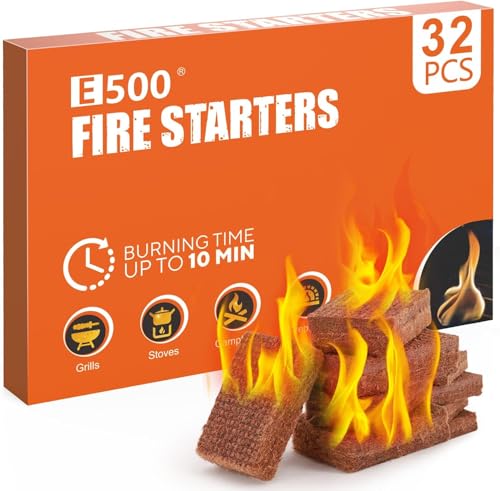
E500 Waterproof Firestarter Sticks
Meet The Standout Selections
The Rapidfire is the chimney starter most backyard cooks picture before they picture any other. It’s a steel cylinder with a handle, sized to drop a full load of briquettes onto a standard 22-inch kettle grill in one pour. The aluminized steel body shrugs off the heat cycles that punish thinner chimneys, and for most weeknight grilling sessions it hits the sweet spot between capacity and portability.
What makes it work in real life is the ergonomic handle, which keeps your knuckles well clear of the rising heat column. Owners commonly report that the cone-shaped grate inside keeps coals off the bottom and lets airflow do the heavy lifting, cutting ignition time to roughly 15 minutes once you’ve got a starter going underneath.
Where It Excels
- The 7.5-inch diameter bin holds enough coals to fuel a two-zone cook for a family of four.
- Aluminized steel construction holds up to repeated high-heat cycles without warping.
- The cone-shaped grate draws air upward efficiently, so even cool morning starts get going fast.
- The handle keeps your hand at a comfortable distance from the heat plume when you pour.
Things To Consider
- It’s not the largest chimney around, so cooks running offset smokers may need multiple loads.
- Storage can be awkward since it doesn’t collapse, though most folks tuck it next to the grill.
Who It Suits Best
Kettle-grill owners cooking for small to medium groups who want a reliable, no-learning-curve chimney that just works.
A Better Fit Elsewhere
For high-volume catering cooks running bigger barrel grills, the Rutland Safe Lite squares paired with a larger chimney may flow better.
Lighter cubes aren’t a chimney starter on their own, but they pair with one. Drop one under your chimney, light the corner, and the wax-and-fiber cube burns hot enough to kick a full load of coals without the smell of lighter fluid contaminating dinner. The Weber cubes are built to catch fire even when wet, which is genuinely useful if your grilling schedule doesn’t always wait for sunshine.
The 96-count packaging means you’re set for a full season without reordering, and the cubes burn ash-free, so cleanup around the chimney grate stays minimal. They’re also odorless, which matters more than people expect when you’re lighting under food that’s about to hit the grates.
Positive Points
- Reliable ignition even in damp or breezy conditions where paper starters fail.
- Ash-free burn keeps the chimney grate clean and airflow consistent from start to finish.
- Odorless composition means no chemical taste transfer to grilled food.
- The 96-count carton covers most home use for an entire grilling season.
Points To Note
- Cubes take a few seconds longer to catch than crumpled newspaper, so patience helps on cold days.
- The pack size is bulky if you only grill a few times a month.
Made For
Grillers in humid or coastal climates who get rained out by paper starters and want a season’s worth of reliable ignition.
Skip It When
If you’re after a single all-in-one tool, the Weber Rapidfire chimney handles ignition on its own with newspaper.
Woodover’s 300-piece bulk pack is built for cooks who treat the grill like a side burner. Made from wood shavings and wax, each starter cube burns for roughly 10 minutes, which is enough time to bring a chimney load of charcoal up to a glowing red. The natural composition means no chemical residue touches your food, which matters for pizza-oven and grill cooks especially.
Versatility is the real story here. Same cube lights a wood stove on a January morning, a chimney charcoal starter on a July cookout, or a campfire ring at a tailgate. The large cube size also keeps them usable in damp conditions, where smaller paper squares quit early.
Everyday Perks
- Wood-and-wax composition keeps flames clean for cooking-sensitive applications.
- Weather-resistant build lights reliably even when stored outdoors in a grill cart.
- 300 pieces mean you stop thinking about restocking for months.
- Works across grills, fireplaces, wood stoves, and pizza ovens without swapping products.
Honest Caveats
- Bulk size takes up real shelf or garage space compared to a small cube tin.
Best Suited To
Hosts and frequent entertainers who run multiple grills or fire features and want one fuel that handles all of them.
Not Your Match When
Light users who grill a handful of times a year may find the WOODOVER 150-piece batch more manageable.
The 150-count version is the same Woodover formula as the 300-piece bulk pack, just in a more digestible quantity for casual cooks. Made from natural wood shavings bound with wax, these starters bring a chimney load up to temperature in roughly 10 minutes of flame time, and they shrug off the kind of morning dew that ruins paper-based ignition.
For most weekend grillers who fire up the chimney once or twice a week through summer, 150 cubes hits the sweet spot between value and storage. Compare that to the heavier 300-count pick earlier, which makes more sense for year-round fireplace and grill users.
A Few Strong Suits
- Clean wood-and-wax burn keeps flavor profiles intact on grilled and pizza-oven cooks.
- Each cube burns long enough to fully ignite a chimney load of standard briquettes.
- Moisture-resistant construction handles damp storage in unheated garages.
- The 150-piece count fits comfortably in a standard kitchen drawer or grill cabinet.
Small Caveats
- If you run a wood stove all winter and a grill all summer, you may burn through this batch faster than expected.
- Hard to split the pack for sharing with neighbors without buying separate storage.
Right Fit For
Weekend cooks who want natural fire-starting power without committing to bulk storage.
Where Another Pick Suits Better
Year-round multi-fireplace households may prefer the Rutland Safe Lite squares, which double as fire pit and wood stove ignition.
Rutland squares have been a cabin-and-campfire staple for years, and they slot just as cleanly under a charcoal chimney as they do in a fireplace grate. Each square lights even when wet, burns long enough to bring kindling or coals up to full temperature, and skips the kindling step entirely for wood stove fires. The composition meets strict air-quality standards in regions like Southern California, which matters for backyard cooks in regulated areas.
Versus the Woodover cubes reviewed above, Rutland squares are a flatter, more compact form factor that stacks neatly in a fire-tool drawer. Where the Woodover leans toward bulk grill-and-oven use, Rutland spreads wider across campfires, fireplaces, and pellet stoves.
The Good Stuff
- Lights reliably when wet, which rescues rainy-day grilling sessions.
- No kindling required for typical wood stove or fireplace use.
- Non-toxic composition won’t flavor food on grill cooks.
- Compact square shape stores flat in fire-tool kits and camping boxes.
Worth Bearing In Mind
- You’ll go through several squares to light a single chimney load, so larger cooks need more inventory.
- Smaller square size can be tricky to handle with gloved hands in cold weather.
Who Will Love This
Homeowners who split their fire-building time between a backyard grill and an indoor fireplace or wood stove.
Look Elsewhere When
Pizza-oven and high-heat cooks may prefer the Woodover cubes, which burn closer to 10 minutes per piece.
Technically not a chimney starter, but this kiln-dried oak bundle pairs naturally with one, especially for Solo Stove, pizza oven, and fire pit cooks who burn actual wood alongside or instead of charcoal. Kiln-drying pulls moisture out of the wood fiber, so the logs catch from a chimney’s worth of starter heat and burn hot with minimal smoke. The 1200-cubic-inch bundle roughly covers a single long fire session.
Versus the Woodover cube packs earlier, this is fuel rather than an ignition product, but the two often travel together in a grill cart. The oak species gives a denser, longer burn than typical softwood splits, which suits lower-maintenance fire pit evenings.
Everyday Wins
- Kiln-dried moisture content means faster lighting and cleaner combustion.
- Oak density delivers longer burn times per log than softwood alternatives.
- Bundle size fits standard fire pit rings and Solo Stove cavities.
- Works in pizza ovens where clean, dry fuel matters for top temperatures.
Factors To Consider
- Bundle weight of 15 to 20 pounds requires a covered storage spot to keep seasoning intact.
- Oak can spark more than softer woods, so a screen matters in open fire pits.
Built With In Mind
Fire pit, pizza oven, and wood-stove owners who want burn-ready fuel without seasoning their own logs for months.
Swap It Out When
Charcoal-only grillers running a Weber Rapidfire chimney won’t need this bundle at all.
E500’s compact sticks are built for campers, tailgaters, and anyone hauling gear to a fire. Each stick measures around 1.1 inches, made from natural wood and plant-based wax, and the waterproof construction means a forgotten stick in a damp backpack still lights on the first spark. They slot cleanly under a small chimney starter or directly into a fire ring.
Compared to the Weber Lighter Cubes earlier in this list, E500 sticks lean toward portability rather than bulk count. Smokeless and odor-free composition keeps them usable for cooking applications, including grills and pizza ovens where flavor transfer matters.
What Helps Most
- Waterproof construction survives damp storage and wet conditions without flaking.
- Plant-based wax keeps combustion clean for food-adjacent fires.
- Small stick form factor packs into camping bins and grill tool drawers easily.
- Quick ignition reduces the fiddling time before a fire is actually roaring.
Practical Considerations
- Smaller burn time per stick means using multiple per chimney load.
- Bulk pricing runs higher per fire than cube-style competitors.
Perfect Match For
Campers, tailgaters, and travel grillers who want compact fire-starting that survives the trip.
Reach For A Different Pick When
Home grillers who never leave the backyard will get more fire-starts per dollar from the Weber Charcoal Lighter Cubes.
Picking The Chimney That Fits Your Grill
A chimney starter looks simple, but the details under the steel decide whether cooking day starts on time or runs an hour behind. Material, capacity, and ignition method carry most of the weight.
Capacity And Grill Size
Match the chimney’s bin diameter to your grill grate. A 7.5-inch cylinder suits standard 22-inch kettles with enough coal to run a two-zone cook. Larger barrel grills and kamados benefit from wider bins or multiple loads. Picking too small means constant reloads mid-cook.
Construction And Heat Tolerance
Aluminized steel is the baseline for long service life, holding shape through repeated high-heat cycles. Thinner steel chimneys may save weight but tend to discolor, warp at the seams, or develop rust spots where moisture collects. If you grill year-round, the heavier gauge pays off in longevity.
Ignition Method Compatibility
Chimneys work with newspaper, paraffin cubes, or natural wood-fiber starters. Weatherproof cube ignition matters in humid or coastal climates where paper fails. If you already own a chimney, pick a starter that matches your climate and storage setup rather than the cheapest bag on the shelf.
Smart Choices Before You Buy
Pitfalls Shoppers Hit
The most common mistake is buying a chimney sized for a smaller grill than you actually own, leading to two-stage loads that interrupt cook timing. Another is assuming all fire starters behave the same; paper-based ignition fails in damp weather, while wax and wood-fiber starters hold up under tougher conditions. Storage matters too, since bulky chimneys without a wall hook end up wedged behind the grill and rusting through.
Where The Extra Money Goes
Premium chimney starters tend to invest in thicker aluminized steel, longer or shielded handles, and reinforced cone grates that hold airflow for years. Upgrading from a basic model often means fewer replacement cycles and safer handling, especially if you cook through cold months when ambient temperatures slow ignition. The honest read is that mid-tier gear serves most backyard cooks well, while heavy-volume cooks benefit more from premium builds.
Frequently Asked Questions
How long does a charcoal chimney take to light? Most chimneys bring a full load of briquettes to a usable cooking temperature in roughly 15 minutes, with lump charcoal often ready a few minutes faster because of its irregular shape and airflow.
Can you reuse the coals left in a chimney after grilling? Yes, unburned coals can be transferred to a metal bucket, extinguished, and reused for the next cook, though their ignition efficiency drops slightly each cycle.
Do you need lighter fluid with a chimney starter? No, the chimney design pulls air upward through a fire started beneath it, so paper or weatherproof cubes are enough to ignite the entire coal load without fluid.
How do you clean a rusty chimney starter? Owners commonly report that a wire brush removes surface rust from the bin, while a light coat of cooking oil on the exterior slows further oxidation between uses.
Is it safe to set a chimney on a deck while lighting? Place it on a non-combustible surface like concrete, brick, or a metal tray, since the bottom of the chimney reaches temperatures capable of scorching wood decking.
Bottom Line
The right chimney starter or fire-starting combo comes down to grill size, climate, and how often you cook. For standard kettle grilling, the Weber Rapidfire chimney is the steady pick; for weatherproof ignition, lighter cubes or sticks finish the job without fail. Match the tool to your conditions and you’ll spend less time coaxing coals and more time actually grilling.