
Whether you fire up the smoker every weekend or just want better flavor on a Tuesday burger, your fuel matters as much as your cut of meat. The right pellets push steady smoke without choking the fire, the wrong ones spark flare-ups and bitter off-notes. This list walks through seven solid picks worth a spot on your porch, from hardwood classics to a storage bag that keeps everything fresh between cooks.
The Shortlist At A Glance

Traeger Mesquite Wood Pellets for Pellet Grills (20 lb)
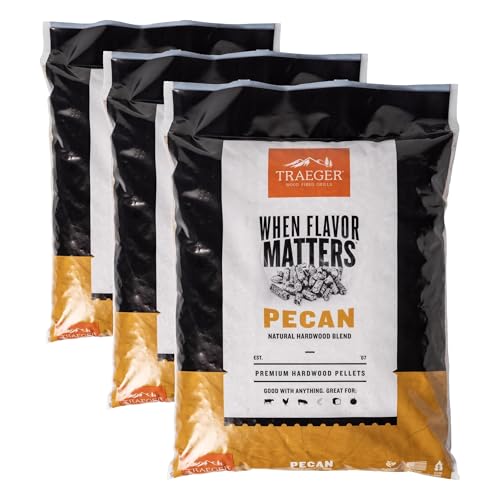
Traeger Pecan Wood Pellets for Smokers (18 lb, Pack of 3)

CookinPellets 40 lb Premium Hickory Pellets (2 Pack)

YIBOBO 32 lb Waterproof Wood Pellet Storage Bag (2 Pack)

Bear Mountain Red and White Oak Pellets (20 lb, 4 Pack)

Bear Mountain Pecan Wood Pellets (20 lb)
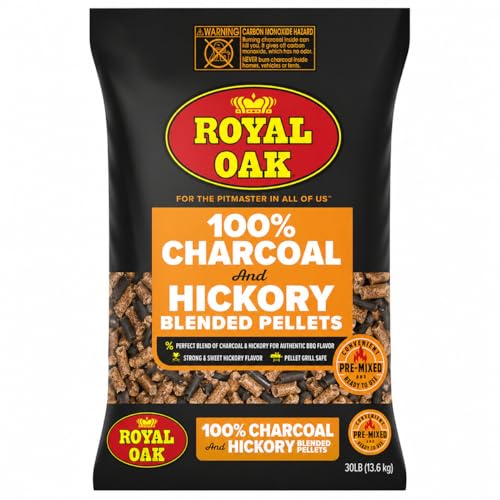
Royal Oak Charcoal and Hickory Pellets (30 lb)
Meet The Standout Selections
Mesquite carries a reputation for a reason, and this Traeger bag leans straight into it. The 100% hardwood construction, free of fillers or flavor oils, delivers the assertive smoke profile that defines Texas-style brisket and beef ribs. Twenty pounds covers a solid weekend of low-and-slow cooking without leaving you scrambling for backup fuel mid-cook.
Pellet grills in general rely on compressed sawdust, and this blend burns cleanly with very little ash, which means less hopper babysitting and more time focused on the cook. For someone running long smokes where consistent heat matters, the steady burn rate pays off across a full brisket session. Traeger has been refining hardwood blends for years, and the mesquite option stays true to the bold, recognizable flavor the species is known for.
Benefits That Matter
- Bold mesquite smoke pairs naturally with beef, ribs, and game
- Clean burn produces minimal ash, simplifying post-cook cleanup
- 20 lb bag covers multiple weekend sessions without constant refills
- 100% hardwood with no fillers means flavor stays pure, not muddled
- Compatible with any standard pellet grill hopper
Things To Consider
- Mesquite’s intensity can overpower delicate fish or light poultry if used alone
- The aggressive flavor profile may not suit cooks who prefer a milder smoke
Made For
Brisket devotees and backyard pitmasters who want unapologetic, classic Texas-style smoke on beef and ribs.
Reach For A Different Pick When
Poultry-heavy cooks will find Bear Mountain Pecan Wood Pellets gentler on chicken and fish without losing that smoke character.
Pecan smoke sits in a sweet spot that mesquite never quite reaches, and Traeger’s take on it leans into that balance. The hardwood blend burns slow and steady, which matters when you’re running a long pork shoulder or a rack of ribs that can’t afford temperature swings. Coming as a pack of three 18 lb bags, you’re stocked for an entire grilling season before worrying about reordering.
For cooks juggling chicken, vegetables, beef, and pork across the same weekend, pecan adapts without dominating any single protein. The natural sweetness layers well with spice rubs, and the hardwood base gives every cut a clean smoke ring. Where the Traeger Mesquite above pushes bold flavor, this pecan option offers more crossover appeal for households cooking a wider mix of meats.
Standout Benefits
- Sweet, mild smoke enhances poultry and pork without overpowering them
- Three-bundle pack covers a full season of frequent cooks
- Hardwood-only construction keeps flavor clean and consistent
Trade Offs
- Bulk pack takes up significant garage or shed space until opened
- Those who prefer a sharper smoke profile may find pecan too restrained
Best Suited To
Home pitmasters rotating between chicken, pork, and vegetables who want a versatile smoke that flatters everything in the cooler.
Look Elsewhere When
Competition-style brisket cooks chasing maximum bark intensity should stick with the bolder Traeger Mesquite Wood Pellets.
Bulk fuel changes the math entirely, and CookinPellets leans into that reality with two 40 lb bags ready to feed a serious smoking habit. Hickory remains the classic American smoke flavor, and this blend is built from genuine hickory hardwood without bark, fillers, or added flavor oils. That clean ingredient list means what you taste is hickory, not a marketing shortcut.
At 80 pounds total, this option suits anyone running competitions, catering events, or simply cooking through multiple weekends without pausing to reorder. Hickory’s strong smoke character pairs naturally with ribs, pork shoulder, and beef, and the consistent pellet size keeps hopper feeding reliable. Compared to the smaller Traeger bags above, this CookinPellets pack trades compact storage for raw cooking capacity.
A Strong Showing
- 80 lb total capacity keeps high-volume cooks fueled for months
- Bark-free, filler-free composition means predictable burn behavior
- Hickory profile delivers the familiar smoke flavor most grillers expect
- Bulk format lowers the per-pound fuel cost for frequent users
Worth Noting
- Two large bags demand significant dry storage space before opening
- Strong hickory intensity can overpower lighter fare like fish or vegetables
Right Fit For
Pitmasters running weekend cookouts, competition circuits, or catering jobs who burn through pellets faster than smaller bags can keep up.
Consider Something Else When
Casual grillers who fire up the smoker a few times a month will find a single bag of Bear Mountain Pecan Wood Pellets easier to store and manage.
Here’s the part nobody talks about: pellets are hygroscopic, meaning they absorb moisture from the air, and a wet pellet is a useless pellet. The YIBOBO storage bag steps into that gap with a 500D PVC shell designed to keep humidity out and freshness in. With a 32 lb capacity per bag and a buckle seal closure, you can transfer pellets directly from a bulk bag into these without losing burn quality.
The dual handles make hauling pellets from garage to grill manageable, and the label pocket lets you track which wood blend sits inside without opening the seal. For anyone who lives somewhere humid, stores fuel in a shed, or buys in bulk like the CookinPellets above, this container pays for itself by preventing the clumping and hopper jams that ruined pellets cause. It’s the only accessory on this list, and frankly, it earns its spot.
Notable Upsides
- 500D PVC construction blocks moisture and resists outdoor wear
- Buckle seal plus fold-over top adds redundant protection against humidity
- Label pocket helps track blends when storing multiple wood varieties
Room For Improvement
- Two bags take up space in a garage or shed when stored empty
- Not a fuel source itself, so it pairs with a separate pellet purchase
Who It Suits Best
Bulk pellet shoppers in humid climates or outdoor storage setups who need to keep fuel bone dry between cook sessions.
A Better Fit Elsewhere
Anyone buying single 20 lb bags for occasional grilling won’t need this level of storage and can skip ahead to Bear Mountain Red and White Oak Pellets.
Oak smoke is the diplomat of hardwood flavors, present without demanding attention, and Bear Mountain’s red and white oak blend leans into that reputation. Made from pressed sawdust hardwoods without fillers, the pellets work across gas, charcoal, electric, and dedicated pellet grills. That versatility matters if your grill setup has shifted over the years, or you split time between a backyard smoker and a portable tailgate rig.
Coming as a four-pack of 20 lb bags, you’re looking at 80 pounds of fuel that handles red meat, fish, lamb, pork, and vegetables without showing favoritism. Compared to the hickory intensity of CookinPellets above, oak reads as the easygoing middle ground that rewards cooks still figuring out their smoke preferences. Low moisture content also supports a cleaner burn across longer sessions.
Strong Points
- Mild oak smoke flatters a wide range of proteins and vegetables
- Multi-grill compatibility covers pellet, gas, charcoal, and electric setups
- Four-bag format balances bulk savings with manageable individual units
- Low moisture content supports steady combustion
Points To Note
- Mild flavor may leave smoke enthusiasts wanting something more assertive
- Larger bundle requires planning around storage space
Who Should Grab It
Grillers still dialing in their smoke preferences who want a flexible hardwood that won’t overwhelm unfamiliar proteins.
Swap It Out When
Cooks committed to bold brisket or rib profiles will get more personality from the Traeger Mesquite Wood Pellets.
Pecan smoke carries a mild sweetness that flatters poultry and vegetables without turning them into a smoke bomb, which is exactly why it works so well for cooks still learning the pellet grill ropes. Bear Mountain builds these pellets from 100% hardwood with no flavorings, fillers, or additives, so the smoke profile stays true to the wood. At 20 pounds, the bag size stays manageable for a single cook or a weekend experiment.
The brand’s compatibility with all major grill types means you can use these in pellet, gas, charcoal, or electric setups without second-guessing. Compared to the bulk CookinPellets option above, this single bag trades volume for accessibility and easier storage. For someone cooking for two or a small family, 20 pounds covers a respectable run of dinners without committing to a garage-dominating pallet.
Notable Gains
- Gentle sweet smoke suits poultry, fish, and vegetables without overpowering
- 20 lb bag is easier to handle and store than bulk packs
- Hardwood-only blend keeps flavor clean and predictable for new grillers
Honest Caveats
- Mild profile may underwhelm cooks craving aggressive smoke bark
- Smaller bag means more frequent reordering for heavy-use households
Perfect Match For
First-time pellet grill owners still learning how wood choice affects flavor and wanting a forgiving smoke that flatters most foods.
Where Another Pick Suits Better
Beef-focused cooks chasing serious smoke intensity should consider the Traeger Mesquite Wood Pellets for that signature bold profile.
Royal Oak takes a different swing by blending actual charcoal with hickory, producing a fuel that bridges the gap between traditional charcoal grilling and pellet grill convenience. The result hits higher temperatures than standard wood pellets, which matters when searing steaks or finishing ribs with a charred crust. That extra heat comes from the charcoal component, which burns hotter than compressed sawdust alone.
The pre-mixed format removes any guesswork about ratios, and a 30 lb bag sits in a comfortable middle ground between single 20 lb bags and the heavier bulk packs above. For someone who misses the bite of charcoal but appreciates pellet grill ease, this hybrid blend delivers both worlds. Royal Oak has long been a name in charcoal, and that heritage shows in how confidently this product handles higher-heat cooks.
What Helps Most
- Charcoal and hickory blend reaches higher searing temperatures than wood-only pellets
- Pre-mixed formula eliminates ratio guesswork for consistent results
- 30 lb size balances runtime with manageable storage
Less Ideal Details
- Higher ash output than pure wood pellets, requiring slightly more post-cook cleanup
- Hybrid flavor profile won’t satisfy cooks wanting pure single-wood smoke character
Whose Shelf It Belongs On
Backyard cooks who want the sear and smoke of charcoal with the convenience of pellet grilling, especially when finishing steaks or chops.
Not Your Match When
Pure single-wood smoke traditionalists will prefer the focused hickory profile of CookinPellets Premium Hickory Pellets.
Choosing Charcoal Pellets That Actually Fit Your Cook
Picking the right fuel starts with the wood species, since each hardwood contributes a different flavor personality. Hickory delivers the classic American smoke most grillers expect, mesquite pushes bold intensity for beef, pecan and oak offer sweeter, milder backgrounds, and fruit woods lean even gentler for delicate proteins. Matching wood to protein is the single biggest factor in whether a finished cook tastes balanced or overwhelming.
Bag size matters more than people expect. A 20 lb bag fits easily in a garage corner, while an 80 lb bulk pack demands dedicated dry space and ideally a waterproof container like the YIBOBO bag on this list. Frequent grillers save per-pound money buying bulk, but casual cooks waste money if humidity wrecks a half-used pile before they finish it. Pellet composition also varies: pure hardwood pellets burn cleaner, while charcoal-blended pellets like Royal Oak run hotter for searing but produce more ash.
Wood Species and Protein Pairing
Smoke intensity should match the protein on the grate. Bold woods like mesquite can overpower fish or chicken, while mild oak or pecan risks leaving beef ribs tasting underdone in the smoke department. Most experienced pitmasters keep two blends on hand, a strong wood for red meat and a gentler wood for everything else, switching between them based on what’s cooking.
Bag Size and Storage Realities
Bulk packs only make financial sense when you can store them properly. Pellets absorb moisture from humid air, and clumped pellets jam hoppers and refuse to feed. A sealed container, whether a dedicated storage bag or a tight-lidded bin, extends the life of any pellet purchase and protects your investment through humid summers.
Compatibility With Your Grill Setup
Most pellets work across pellet, gas, charcoal, and electric grills, but always verify your specific model accepts standard pellet diameters. Some smaller portable grills have hopper constraints that limit which bag formats fit comfortably. Brand compatibility rarely matters, but physical pellet size and density can affect feed reliability on certain entry-level grills.
Key Considerations Across These Picks
Mistakes Worth Dodging
One common slip is buying the boldest wood on the shelf and then wondering why chicken tastes bitter. Strong smoke needs strong proteins, and mesquite on a delicate white fish is a recipe for an inedible cook. Another trap is buying bulk bags without a moisture plan, since spoiled pellets don’t just burn poorly, they jam hopper systems and can require disassembly to clear.
What The Higher Tier Buys
Premium hardwood pellets typically use cleaner raw stock with tighter bark and filler controls, producing less ash and more consistent burn rates. The upgrade shows up most clearly in long overnight cooks, where temperature stability and smoke consistency directly affect bark formation and moisture retention. For casual weekend grilling, mid-tier pellets perform nearly identically, but for low-and-slow pitmasters, the cleaner burn quietly compounds into better results across dozens of cooks.
Frequently Asked Questions
What’s the difference between charcoal pellets and wood pellets?
Wood pellets are made from compressed sawdust and burn with a smoke-forward flavor profile. Charcoal pellets, like the Royal Oak option on this list, blend charcoal with hardwood for higher heat and a hybrid flavor that sears more like traditional grilling fuel.
How long does a 20 lb bag of pellets last?
It depends on cooking temperature and duration. A low-and-slow brisket at 225°F can burn through 8 to 12 pounds across a full cook, while a quick hour-long grilling session might use just 2 or 3 pounds. Plan on one 20 lb bag covering roughly two to four average sessions.
Can you mix different pellet flavors together?
Yes, blending hardwoods in the hopper is a common technique among experienced grillers. Mixing hickory with pecan, for example, softens hickory’s intensity while adding pecan’s sweetness. Just avoid mixing wildly different wood densities, which can cause uneven feeding.
Are hardwood pellets safe for all grills?
Most modern pellet grills, gas grills with smoker boxes, and electric smokers accept standard hardwood pellets without issues. Always check your owner’s manual for pellet diameter specs, since some smaller grills require specific pellet sizes to feed properly.
How should pellets be stored between uses?
Keep them sealed in a dry container away from humidity. Original bags work short-term, but for longer storage, transfer pellets into a waterproof bin or a dedicated pellet storage bag like the YIBOBO option covered here. Moisture is the primary enemy of pellet quality.
Wrap Up
Charcoal pellets come in a wider range of flavors, formats, and blends than most grillers realize, and the right choice depends on what you’re cooking and how often you fire up the grill. Bold woods suit beef and ribs, milder options flatter poultry and vegetables, and hybrid blends bridge the gap between pellet convenience and charcoal heat. Pick a blend that matches your protein rotation, store it dry, and trust the smoke to do the rest.