
There’s a specific kind of frustration that hits when your coals refuse to catch on a windy Saturday, and you’ve already promised the family dinner is happening. The right charcoal lighter removes that gamble entirely, whether you’re firing up a kettle grill on the patio or building a chimney of briquettes for a slow brisket. This roundup walks through seven solid options spanning solid fuel cubes, electric igniters, propane torches, and a protective case, so you can match the tool to your grilling style.
How The Shortlist Stacks Up

Weber® Charcoal Lighter Cubes, 96 Count

EasyFire Natural Fire Starters, 36 Pucks
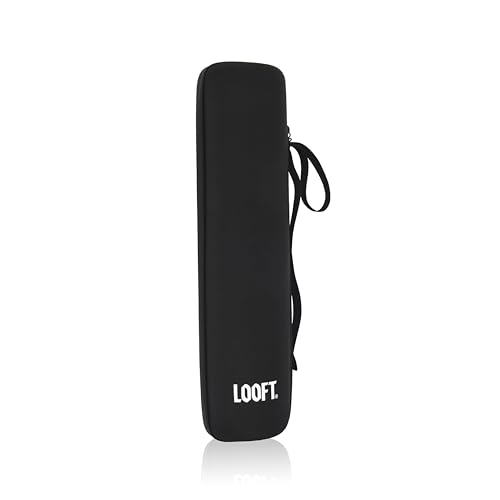
Looftlighter Case for Classic & Pro

Kamado Joe Fire Starter Cubes, 48 Pack

Looftlighter Classic Electric Charcoal Starter

TBTEEK Propane Cooking Torch With Safety Lock

TBTEEK Sous Vide Propane Torch (Tank Not Included)
Why These Options Stand Out
For a backyard cook who grills most weekends and wants something that just works, Weber’s lighter cubes are a familiar starting point. Each cube is built from odorless, non-toxic wax designed to catch fire even when damp, which matters when a cookout gets interrupted by a pop-up shower.
The 96-count pack stretches across an entire grilling season for a typical family, and the cubes stack neatly in a deck bin without any special storage. Compared to liquid lighter fluid, there’s no chemical taste drifting into food, which is the trade-off most home cooks want to avoid anyway.
The Helpful Details
- Lights in damp conditions, cutting down on weather-related frustration.
- Odorless wax composition keeps food flavor clean and neutral.
- Large 96-count format suits frequent weekend use across a full season.
- No lighter fluid needed, removing a flammable liquid from the patio.
Honest Caveats
- Generates a small amount of ash that needs brushing out of the chimney.
- Cubes burn relatively fast, so larger charcoal loads may need two starters.
Quick Facts
Who It Suits Best
Family grills and weekend cookout hosts who want a low-fuss ignition method that survives a little weather.
Where Another Pick Suits Better
Kamado and ceramic grill owners chasing higher burn temperatures may prefer the Kamado Joe Fire Starter Cubes, which reach hotter peaks.
Campers and tailgaters tend to plan around weather they can’t control, and EasyFire’s cedar sawdust and refined wax pucks are built with that reality in mind. Each puck is roughly three and a half inches across and snaps into quarter-sized pieces, so one puck stretches across four separate fire starts.
The maker states a 30-minute burn time per puck, which is generous enough to get a stubborn pile of charcoal glowing without babysitting. Storage is simple too, since the 36-pack fits in a Rubbermaid tote alongside kindling and matches.
Reasons It Performs
- Quarter-breakable format stretches a 36-pack into roughly 144 fire starts.
- Cedar and wax composition leaves no chemical residue on grilled food.
- Ignites in rain and wind with waterproof matches in hand.
- Long burn time keeps coals catching without frequent relighting.
Worth Noting
- Requires breaking by hand, which can crumble if you’re heavy-handed.
- Cedar scent is faint but noticeable on very cold grills.
Feature Snapshot
Made For
Campers, tailgaters, and backyard cooks who split one pack across many small fires rather than a single massive cookout.
Not Your Match When
You’d rather skip solid fuel entirely and ignite with electricity; the Looftlighter Classic is the better route.
The Looftlighter Classic and Pro are solid electric igniters, but they live outdoors, and the dedicated case is built specifically to keep them that way. The water-resistant shell shields the tool from rain, dust, and patio storage humidity, while a multi-purpose strap lets you hang it within reach by the grill.
This is really an accessory pick, so it only makes sense if you already own one of the compatible Looftlighter models. For anyone who does, the case extends the practical life of an investment that’s otherwise exposed to the elements.
The Practical Payoff
- Water-resistant construction shields the electric igniter from rain and patio humidity.
- Multi-purpose strap keeps the tool hanging within arm’s reach during a cookout.
- Slim profile fits alongside grill tools in a covered storage area.
Room For Improvement
- Only useful if you own a Looftlighter Classic or Pro already.
- Standalone accessory with no ignition function on its own.
Right Fit For
Existing Looftlighter owners who leave their electric igniter outside year-round and want longer service life.
Skip It When
You don’t yet own a Looftlighter; the Looftlighter Classic itself is the starting point, not the case.
Kamado grills run hotter than standard kettle models, so they need a starter that keeps up. These Kamado Joe cubes are described as reaching around 1300°F for 8 to 12 minutes, which is enough heat to bring a ceramic cooker up to sear temperatures quickly.
Made without oils or chemicals, the cubes burn odorless and smokeless, and they ignite even when wet. For a kamado owner who doesn’t want to fuss with fluid, the 48-pack covers a long stretch of grilling without constant reordering.
Strengths Worth Knowing
- High peak temperature suits kamado and ceramic grills running well above standard kettle heat.
- Chemical-free, odorless burn keeps grill flavor clean.
- Wet-weather ignition works in damp storage conditions.
- Flare-free start reduces the risk of jumping flames around a ceramic shell.
A Few Limitations
- Burn time per cube is short, so large kamado loads may require multiple starters.
- Larger pack footprint requires a dedicated storage bin.
Technical Reference
Best Suited To
Kamado and ceramic grill owners running high-heat cooks who want a starter that meets the grill’s temperature demands.
Look Elsewhere When
You only grill occasionally on a standard kettle; the Weber Charcoal Lighter Cubes are a more budget-friendly match for lighter use.
If you’d rather skip fuel cubes and propane entirely, the Looftlighter Classic is the cleanest electric option on the market. Plug it in, hold the button, and a stream of 1300°F flameless heat ignites a pile of coals in roughly five minutes, all without lighter fluid or an open flame at the lighter itself.
The tool pulls double duty as a firestarter for pizza ovens, fireplaces, and chimineas, which is why many owners stop reaching for matches entirely. The trade-off is corded use and the need for an outdoor outlet, but for a covered patio, that’s a small inconvenience.
The Good Stuff
- Reaches ignition temperature in seconds without lighter fluid.
- Multi-purpose design handles charcoal, pizza ovens, and fireplaces.
- Flameless heat path is safer around kids and pets on the patio.
- Reusable indefinitely with no fuel to keep on hand.
Trade Offs
- Requires an outdoor outlet or extension cord to operate.
- Higher upfront cost than disposable cube starters.
- Not ideal for remote camping without power access.
Key Specs
Whose Shelf It Belongs On
Repeat grillers and homeowners with a covered patio and outdoor power who’d rather skip disposable fuel altogether.
A Better Fit Elsewhere
Campers without reliable power will get more use from the EasyFire Natural Fire Starters.
Culinary torches aren’t just for crème brûlée, and TBTEEK’s compact propane model leans into that versatility with a safety lock and ring-shaped finger guard. For a home cook finishing a sugar crust or glazing a meringue, the design priorities are clear: prevent accidental ignition and protect your hand from the heat zone.
It also doubles as a small charcoal starter for a kettle grill, though the flame output is sized for kitchen work rather than lighting a chimney of briquettes in one pass.
Everyday Advantages
- Safety lock prevents accidental ignition in a busy kitchen drawer.
- Finger guard keeps hands clear of the heat zone during use.
- Compact size fits standard kitchen tool storage.
- Versatile enough for searing, glazing, and small grill starts.
Possible Compromises
- Propane tank sold separately, adding to the total setup cost.
- Flame size is sized for kitchen tasks, not lighting a full chimney fast.
Who Should Grab It
Home bakers and cooks who torch desserts regularly and want a kitchen-friendly ignition tool with safety-first design.
Swap It Out When
Your primary goal is lighting a full charcoal chimney quickly; the TBTEEK Sous Vide Propane Torch is built for higher-output work.
After pulling a steak out of a sous vide bath, you need serious heat fast, and this TBTEEK torch delivers it. The high-output flame and longer handle are designed for searing meat directly off the bag, and the same firepower makes quick work of a campfire starter or a stubborn charcoal chimney.
The propane tank isn’t included, which is standard in the category but worth flagging for anyone building a setup from scratch. For cooks who already keep a spare tank on hand, this torch fills the gap between kitchen torch and camp stove.
Positive Takeaways
- High-output flame handles searing, campfire starting, and chimney lighting.
- Long handle design keeps your hand clear of intense heat.
- Compatible with standard propane camping tanks.
- Multi-purpose design covers grilling and kitchen finishing work.
Where It Is Less Suited
- Propane tank not included in the box.
- Higher flame output requires more careful handling around open kitchens.
Who Will Love This
Sous vide cooks and outdoor enthusiasts who want one torch that bridges kitchen searing and campfire duty.
Reach For A Different Pick When
You mostly finish desserts and want a smaller, kitchen-focused tool; the TBTEEK Propane Cooking Torch is the lighter option.
Choosing Charcoal Lighters By Use Case
The first fork in the road is fuel type. Solid cubes and pucks are the cheapest per fire and travel well, but they generate small bits of ash and burn out faster than an electric or propane option. Electric igniters like the Looftlighter Classic cost more up front, yet pay you back in convenience once you’ve skipped enough bottles of lighter fluid. Propane torches sit in the middle, with fast ignition and the flexibility to handle kitchen work, charcoal, and campfires from a single tool.
Weather and storage shape the second decision. If your starter lives outdoors in a deck box, a water-resistant electric case or wet-rated cubes make more sense than a torch you’ll need to dry off each time. For covered patios with a power outlet, electric ignition eliminates most weather concerns entirely.
Match the starter to the grill’s heat range. Kettle grills run lower and catch from nearly any starter, while kamado and ceramic cookers benefit from the higher peak temperatures that dedicated grill cubes reach. A small culinary torch works for a kettle but slows down on a kamado chimney.
Key Considerations Across These Picks
Mistakes Worth Dodging
The most common slip is buying a small cube pack when you actually grill weekly, leaving you restocking mid-season. Conversely, grabbing a 96-count for occasional use means storing more fuel than you’ll burn before it ages. Match pack size to frequency, and check that your grill’s chimney works with cube ignition before committing to solid fuel only.
When Paying More Pays Off
Higher-tier electric and propane tools cost more up front, but they remove ongoing fuel purchases, lighter fluid refills, and the storage headaches of solid cubes. For grills firing up several times a week, the upgrade tends to pay back in convenience within a season. The premium is harder to justify for occasional cooks who grill a few times a year.
Frequently Asked Questions
Are charcoal lighters safer than lighter fluid?
Solid fuel cubes and electric igniters remove the need to store flammable liquid on the patio, which lowers the risk of spills and flare-ups. Propane torches add a controlled flame that you aim directly at the coals rather than pouring fluid onto an open grill.
How long does a charcoal lighter cube burn?
Most cubes burn for roughly 8 to 15 minutes depending on the brand, which is enough time to bring a chimney of coals up to cooking temperature. Longer-burning pucks stretch across multiple fires when broken into quarters.
Can you use a kitchen torch to light charcoal?
A high-output culinary torch can light a small pile of coals, though a full chimney takes longer than a dedicated cube or electric starter. Kitchen torches work well for topping off stubborn coals or finishing small grills.
Do electric charcoal starters work in the rain?
Most electric igniters are designed for outdoor use and handle light moisture, but heavy rain and standing water should be avoided around the plug and cord. A water-resistant case adds extra protection for stored tools.
How many charcoal cubes do you need per cookout?
For a standard kettle grill, one or two cubes are usually enough to light a full chimney of briquettes. Larger kamado loads and hardwood setups may need three or four cubes spread beneath the pile.
Closing Thoughts
The best charcoal lighter is the one that matches how and where you actually grill, from quick weeknight kettles to slow ceramic cooks and weekend campfires. Match fuel type to frequency, peak heat to grill style, and weather resistance to your storage setup, and the choice becomes much clearer.