
There’s a specific kind of weekend that starts with charcoal and ends with smoke on your shirt, and the right grill shapes every hour between those two moments. Whether you cook for two on a small patio or feed a crowd every Sunday, this lineup covers the range from portable workhorses to offset smokers built for full brisket sessions. Each pick here suits a different style of backyard cooking, and the shortlist below highlights the practical differences so you can match a grill to how you actually cook.
The Main Contenders
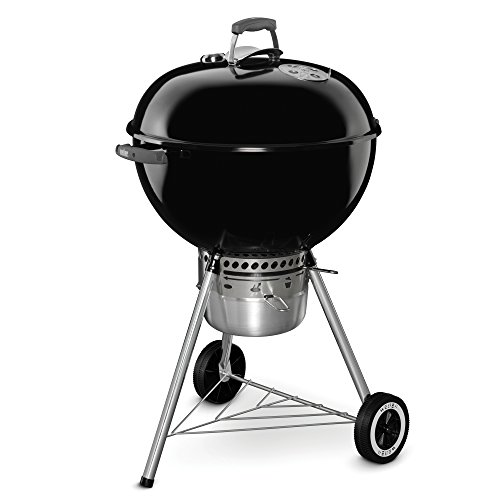
Weber Original Kettle Premium Charcoal Grill 22-Inch

Oklahoma Joe’s Rambler Portable Charcoal Grill
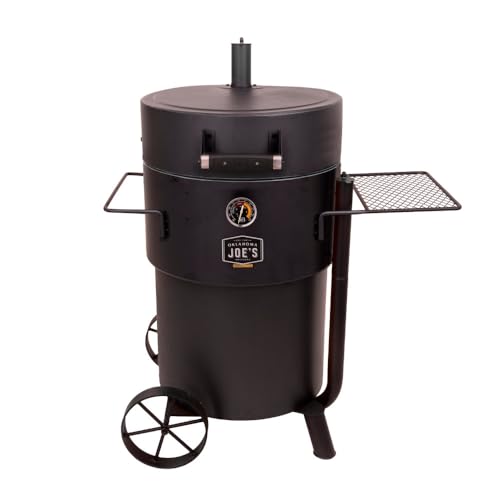
Oklahoma Joe’s Bronco Pro Drum Smoker and Grill

Oklahoma Joe’s Firecraft Series Modular Barrel Grill

Oklahoma Joe’s Highland Reverse Flow Offset Smoker
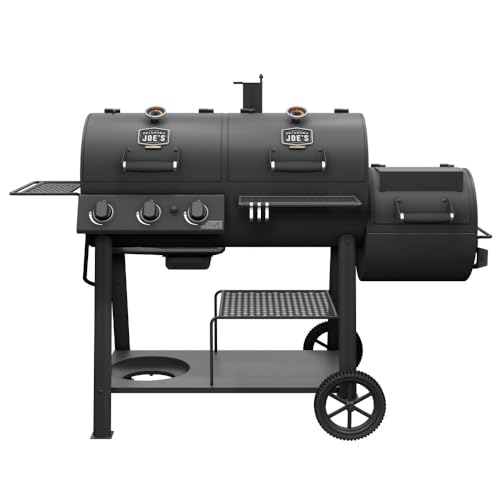
Oklahoma Joe’s Canyon Combo Dual Fuel Grill

Oklahoma Joe’s Longhorn Offset Smoker and Grill
The Strengths Of Each Pick
The Weber Original Kettle has earned its place as the default charcoal grill for a reason: a 22-inch bowl that handles burgers for a family, plus the kind of build quality that survives years of weekend use. The hinged cooking grate is the small upgrade that changes everything, because you can add fresh coals mid-cook without lifting the whole grate off. Compared to the offset smokers later in this list, the Kettle is a quick-lighting sear machine rather than a slow-burn workhorse.
You should expect a learning curve with vent control, but once you understand how the top and bottom dampers interact, temperature management becomes second nature. Owners commonly report that ash cleanup is straightforward thanks to the high-capacity catcher. For anyone buying their first serious charcoal grill, this is the baseline everything else is measured against.
Advantages To Know
- Hinged grate lets you add fuel without lifting the whole cooking surface off.
- 22-inch bowl fits roughly 12 to 14 burgers per round, enough for most family cookouts.
- One-Touch cleaning system with a large ash catcher simplifies end-of-cook teardown.
- Porcelain-enameled bowl and lid hold heat well and resist rust in most climates.
- Widely available replacement parts keep an older Kettle running for the long haul.
Worth Noting
- Direct grilling only; no lid-mounted thermometer on every variant for precise low-and-slow cooks.
- Wheeled legs work on flat patios but can feel light on uneven grass.
- Bottom air damper placement makes fine-tuning trickier than drum or offset designs.
Key Attributes
Made For
First-time charcoal grillers and everyday backyard cooks who want straightforward sear-and-serve performance.
Consider Something Else When
Pick the Oklahoma Joe’s Bronco Pro Drum Smoker and Grill instead if your weekends revolve around low-and-slow ribs rather than weeknight burgers.
The Rambler is built for tailgates, campsite fire rings, and small patios where a full-size kettle just will not fit. Its 218-square-inch cooking area handles a respectable spread of burgers or brats for a small group, and the height-adjustable charcoal tray is the practical heart of the design. You raise the tray for fast sears and lower it for longer, gentler cooks. That single control makes the Rambler feel more versatile than its compact footprint suggests.
You should expect a thinner gauge steel than the larger Oklahoma Joe’s offset smokers later in this list, so storage and weather protection matter. Owners commonly report that the side handles make carrying easier between car and campsite. For apartment dwellers without a yard, a folding tabletop like this is often the most realistic path into charcoal cooking.
The Upside
- Adjustable charcoal tray delivers real heat control in a tabletop footprint.
- 218 square inches is enough for four to six people depending on the menu.
- Compact body fits a car trunk or apartment closet.
- Side handles simplify transport to picnics and campsites.
Trade Offs
- Smaller grate limits batch cooking for large gatherings.
- Lighter steel construction means more careful storage in wet climates.
- No enclosed lid hinge for tall items like beer-can chicken.
Right Fit For
Campers, tailgaters, and small-space dwellers who want real charcoal flavor without a permanent backyard footprint.
Skip It When
Choose the Weber Original Kettle Premium Charcoal Grill instead if your grill lives on a patio and you cook for a family every weekend.
The Bronco Pro takes the classic upright drum shape and pushes it toward serious low-and-slow work. A sealed lid and a dedicated airflow system work together so heat and smoke behave predictably across long cooks, which is exactly what you want when a brisket needs eight uninterrupted hours. The oversized charcoal basket is the standout feature: it holds enough fuel for long sessions without forcing you to babysit the fire.
Compared to the Weber Kettle above, the Bronco Pro trades quick searing for steady, controllable smoking. You should expect a learning curve dialing in your vent settings because drum smokers respond differently from kettles. For shoppers already committed to the craft, the 366-square-inch cooking area handles a full packer brisket or several racks of ribs in a single cook.
Key Advantages
- Sealed drum design holds consistent temperatures across multi-hour cooks.
- Oversized charcoal basket supports extended burn times with fewer refuels.
- Heavy-duty construction handles the heat of regular smoking sessions.
- Vertical layout saves floor space versus a horizontal offset smoker.
Room For Improvement
- Longer learning curve to master vent positions versus a kettle.
- Drum format limits direct grilling versatility compared to open designs.
- Heavier body reduces portability once placed in a fixed spot.
Quick Facts
Whose Shelf It Belongs On
Dedicated low-and-slow pitmasters who want consistent smoke without the footprint of a horizontal offset.
A Better Fit Elsewhere
Choose the Oklahoma Joe’s Highland Reverse Flow Offset Smoker when you want larger capacity and true offset heat flow for competition-style cooks.
The Firecraft Series is built around open-fire cooking, which is the oldest method of charcoal grilling and still the most theatrical. An open firebox design lets you walk around the barrel and tend the fire from any angle, so stoking coals never means leaning over hot food. The 480-square-inch total cooking area splits across two round heavy-gauge wire grates, which gives you genuine freedom to push coals to one side for indirect cooking.
You should expect this grill to behave less like a sealed smoker and more like a campfire with grates on top, which is precisely the point. Live-fire cooking fans who want to sear a steak over coals and then let vegetables cook on the cooler half will appreciate the flexibility. Compared to the Bronco Pro above, this is the more interactive, less insulated way to cook over charcoal.
A Few Strong Suits
- Open firebox design allows 360-degree fire tending without disturbing food.
- 480 square inches across two grates supports mixed menus at once.
- Modular construction adapts to fire pit, grill, or cooking station setups.
- Heavy-gauge wire grates resist corrosion and handle high heat.
Honest Caveats
- Open design means longer preheats and less insulation than enclosed smokers.
- Twist-lock handles and modular components add setup time.
- Larger footprint requires dedicated patio or yard room.
Best Suited To
Live-fire cooking enthusiasts who want a centerpiece grill that pulls double duty as a fire feature.
Look Elsewhere When
Pick the Oklahoma Joe’s Longhorn Offset Smoker and Grill instead if you want sealed, indirect cooking for overnight brisket sessions.
The Highland is a traditional horizontal offset smoker with a reverse-flow twist, meaning smoke travels across the cooking chamber before reaching the stack. That long path evens out the heat across the grate, which matters when you are smoking multiple cuts at once. With 1,093 square inches of cooking area, the Highland can run a brisket, a pork shoulder, and several racks of ribs in a single session without crowding.
You should expect a sizable footprint that needs a dedicated corner of the yard or driveway. Owners commonly report that removable baffles and adjustable smokestack positions make it easy to switch between reverse-flow and traditional offset cooking depending on the cook. For anyone serious about competition-style results, the Highland earns its place in the lineup.
Noteworthy Benefits
- Reverse-flow baffles even out heat distribution across the chamber.
- 1,093 square inches of cooking area handles large gatherings in one cook.
- Removable baffles and adjustable stack add cooking mode flexibility.
- Heavy-gauge steel body holds steady temperatures for long sessions.
Potential Drawbacks
- Significant footprint demands a permanent spot in the yard.
- Higher learning curve to manage fire and airflow than drum smokers.
- Heavier build means two-person setup in most cases.
Feature Card
Who Should Grab It
Competition-minded smokers who want large capacity and true offset heat control in a single package.
Swap It Out When
Choose the Oklahoma Joe’s Canyon Combo Dual Fuel Grill instead if you want a propane side burner for quick weeknight meals alongside longer charcoal cooks.
The Canyon Combo is built for households that want both charcoal and propane in a single footprint. The charcoal side handles indirect smoking with the same kind of control you’d expect from an offset smoker, while a 3-burner propane side (tank not included) heats up fast for weeknight burgers and grilled vegetables. With 1,031 square inches of total cooking area, you can smoke two pork shoulders on one side and sear steaks on the other without missing a beat.
You should expect to learn two separate cooking systems, since charcoal and propane behave very differently. Owners commonly report that the dual-fuel layout reduces weeknight cooking friction while preserving weekend smoke sessions. Compared to the Highland above, the Canyon trades pure offset performance for everyday flexibility.
Everyday Wins
- Charcoal chamber for indirect smoking plus a propane side for fast grilling.
- 1,031 square inches handles large gatherings without splitting between grills.
- Dual-fuel layout covers both weeknight and weekend cooking styles.
- Single footprint replaces two separate grills for many households.
Things To Weigh
- Propane tank sold separately, adding to total setup cost.
- Larger overall size demands a dedicated patio or yard space.
- Two cooking systems mean more maintenance than a single-fuel grill.
Perfect Match For
Entertainers and mixed-use households who want charcoal smoking and propane convenience in one unit.
Reach For A Different Pick When
Pick the Oklahoma Joe’s Bronco Pro Drum Smoker and Grill instead if you only need charcoal cooking and want a smaller vertical footprint.
The Longhorn is the classic offset smoker shape that defined backyard BBQ for decades: a horizontal cook chamber fed by a side firebox, with smoke traveling the length of the grate before exiting the stack. With 751 square inches of primary cooking space plus a 309-square-inch secondary chamber, you can run two zones at once or pile on cuts for a family gathering. Hardwood splits and chunks (sold separately) load into the firebox for that traditional offset flavor profile.
You should expect to manage the fire actively, since offset designs respond quickly to fuel and vent changes. Owners commonly report that the simpler traditional layout is easier to learn than reverse-flow baffle systems. Compared to the Highland above, the Longhorn is the more straightforward entry into offset smoking without giving up large capacity.
Standout Benefits
- Classic offset layout delivers traditional smoke flow across the chamber.
- 751-square-inch primary plus 309-square-inch secondary adds cooking flexibility.
- Side firebox isolates the heat source for cleaner indirect cooking.
- Large grate handles multiple racks of ribs or two shoulders at once.
A Few Limitations
- Requires more active fire management than drum or kettle designs.
- Long horizontal body demands a sizable yard footprint.
- Hardwood splits sold separately add to the running cost.
Feature Snapshot
Who Will Love This
Traditional backyard smokers who want a straightforward offset layout with enough capacity for weekend gatherings.
Where A Sibling Pick Shines
Pick the Oklahoma Joe’s Highland Reverse Flow Offset Smoker instead when you want more even heat distribution across the chamber for competition-style cooks.
What To Weigh Before Choosing Charcoal Grills
Cooking Style And Frequency
Your weekly rhythm matters more than any single spec. Weeknight cooks who want burgers after work gravitate toward kettles and dual-fuel combos because they heat up fast. Weekend pitmasters who plan long smoking sessions need offset or drum designs with large fuel baskets. Match the grill to the cook you actually run, not the cook you imagine having someday.
Size, Footprint, And Storage
A 22-inch kettle fits most patios, but a 1,000-square-inch offset smoker needs real yard space. Measure the area where the grill will live, including clearance from fences and overhangs. If storage is tight between seasons, a portable tabletop like the Rambler or a modular design that breaks down flat makes winter storage much easier.
Build Quality And Materials
Porcelain-enameled steel resists rust, while heavy-gauge bare steel handles higher heat over years of use. Thinner metal saves weight but dents and warps faster in regular smoking sessions. Look at gauge thickness, grate material, and lid fit when comparing models. A heavier grill on day one often means fewer replacements over the next decade.
Ventilation And Heat Control
Charcoal grilling is mostly about managing airflow. Top and bottom dampers on kettles, adjustable intake vents on drum smokers, and smokestack dampers on offsets each control temperature in different ways. Beginners usually find kettles and drum designs easier to learn because vents respond predictably. Offset smokers reward patience but punish inattention.
Key Considerations Across These Picks
Common Shopping Slip Ups
First-time shoppers often chase the largest cooking area they can afford without thinking about footprint, fuel cost, or how often they will actually feed a crowd. A 1,000-square-inch offset smoker is a poor match for someone who cooks two nights a week for two people. Buyers also overlook the cost of hardwood splits, charcoal quality, and accessories like covers and thermometers, which add up over the first season. Match the grill to the cook and budget for the consumables that follow.
When Paying More Pays Off
Higher-tier charcoal grills buy heavier steel, better seals, and more precise airflow control. That translates into steadier temperatures during long cooks and grills that survive a decade of weekend use without warping or rusting through. For anyone planning to smoke weekly rather than occasionally, the upgrade pays back in fewer replacements and more predictable results. Casual cooks who fire up the grill a few times a year can stay with lighter builds and still enjoy the food.
Frequently Asked Questions
How long does it take charcoal to be ready for cooking?
Most charcoal briquettes reach cooking temperature in 15 to 25 minutes after lighting, once they’re coated with a thin layer of gray ash. Lump charcoal usually lights faster and burns hotter, so expect closer to 10 to 20 minutes. Always wait for the ash to form before placing food on the grate.
What is the difference between direct and indirect grilling?
Direct grilling means food sits over hot coals for fast, high-heat searing. Indirect grilling pushes coals to one side or uses a separate firebox, so food cooks with surrounding heat rather than flames. Indirect cooking is the method behind low-and-slow brisket and ribs on offset smokers.
How do I control temperature on a charcoal grill?
Temperature is controlled through vents and the position of the fuel. Opening vents adds oxygen and raises heat, while closing vents slows the burn. Offset smokers also use the firebox door and smokestack damper for finer adjustments. Expect a few practice cooks before dialing in your grill’s behavior.
How do I clean and maintain a charcoal grill?
Let ashes cool fully, then empty the ash catcher or bowl into a metal container. Brush grates while still warm, wipe down the exterior, and cover the grill between uses. Heavy-gauge steel benefits from a light coat of oil after deep cleaning to slow surface rust over time.
Can I use wood chunks with charcoal?
Wood chunks add smoke flavor when placed on top of burning charcoal. Soak them briefly or add them once coals are fully lit, depending on how long you want them to smolder. Hardwoods like oak, hickory, and fruitwood pair well with most charcoal setups.
Wrap Up
The right charcoal grill is the one you will actually fire up often enough to learn well. Match capacity to your typical crowd, footprint to your patio, and build quality to how often you cook. The picks above cover the range from quick weeknight kettles to full competition-style offsets, so the shortest path to better grilling is choosing the one that fits your weekends and trusting it through the first few cooks.