
Lighting charcoal for the first time feels intimidating, until you have a grill that does the temperature hand-holding for you. Beginners don’t need bells and whistles; they need dependable heat control, manageable size, and a cleanup routine that won’t kill weekend momentum. This list gathers six grills that genuinely lower the learning curve, from the iconic kettle most pit bosses grew up on to a dual-fuel combo for the ambitious newcomer ready to go further.
A Fast Comparison Of The Options
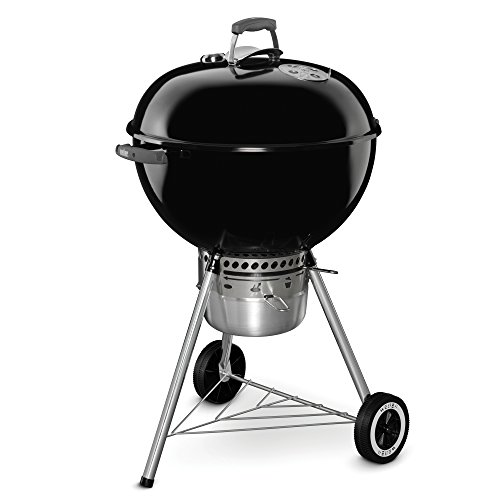
Weber Original Kettle Premium Charcoal Grill 22-Inch
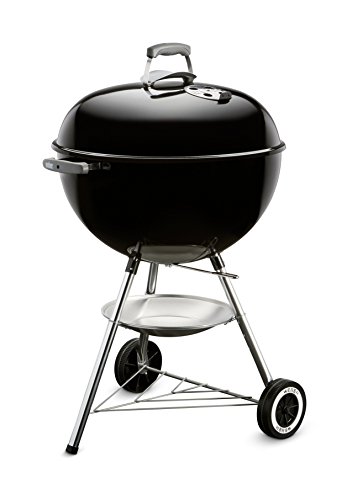
Weber Original Kettle Charcoal Grill 22-Inch

Weber Jumbo Joe Charcoal Grill 18-Inch
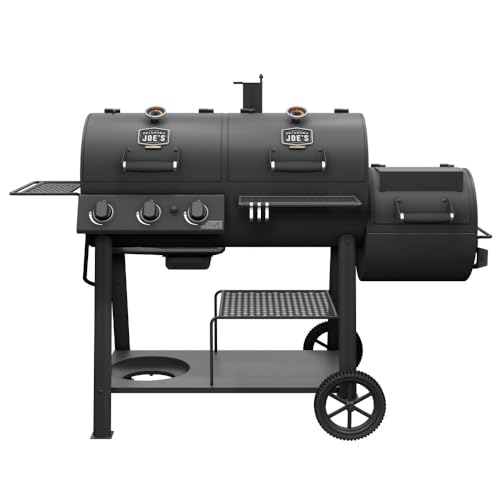
Oklahoma Joe’s Canyon Combo Dual Fuel Grill and Smoker

Gas Grill and Griddle Combo with Side Burner

3 Burner Propane Gas Grill with Side Burner
A Breakdown Of The Leading Choices
The 22-inch Premium Kettle is the upgrade most beginners don’t realize they need until their first cookout. Its hinged cooking grate lifts so you can add fresh charcoal without lifting the whole lid or sending ash into your food, a small detail that matters on a long sear session.
Compared with Weber’s classic kettle reviewed next, this Premium version adds the higher-capacity ash catcher and the One-Touch cleaning system, so post-cookout cleanup takes minutes rather than a full scrub. For most first-time buyers, this is the sweet spot between price and everyday livability.
Notable Gains
- Hinged grate saves heat and keeps ash out of burgers when you add fuel mid-cook.
- One-Touch ash system pulls spent coals into a high-capacity catcher, cutting cleanup noticeably.
- Porcelain-enameled bowl holds heat evenly, which helps beginners avoid hot-spot surprises.
- 22-inch diameter fits roughly a dozen burgers, enough for a typical family cookout.
Things To Consider
- Wheel design favors flat patios; rougher surfaces may require a brick or paver underneath.
- Bottom vents can rust over several seasons, a widely reported maintenance item to watch.
Made For
First-time kettle owners cooking for a family of three to six on a standard suburban patio.
Look Elsewhere When
You want a smaller, lighter option you can toss in a trunk for tailgates; the Weber Jumbo Joe Charcoal Grill handles that scenario better.
The classic Weber Kettle is the design most backyard cooks learned on, and for good reason. The porcelain-enameled lid and bowl hold heat long enough for two-zone cooking (one half of the grate hot, the other cooler), which is the single most useful charcoal technique for beginners.
Unlike the Premium version above, this original configuration ships without the hinged grate or upgraded ash catcher, which keeps the cost down. The aluminum dampers still give you real temperature control, and the One-Touch cleaning lever clears ash quickly after a cook.
Everyday Perks
- Iconic bowl shape handles burgers, chicken, and indirect roasts without fancy gadgets.
- Aluminum dampers react fast when you adjust airflow, helpful when learning fire control.
- Porcelain enamel shrugs off rust in most climates, extending the grill’s service life.
Points To Note
- Standard grate is fixed, so adding charcoal mid-cook requires lifting the whole cooking surface.
- No built-in thermometer, an accessory many beginners end up adding separately.
Right Fit For
Beginners who want proven Weber quality without paying for the Premium upgrades.
A Better Fit Elsewhere
If mid-cook fuel refills matter to you, the Weber Original Kettle Premium Charcoal Grill adds the hinged grate that solves it.
The Jumbo Joe is what you grab when the party moves: tailgate lots, campsite fire rings, apartment balconies with limited floor space. At 18 inches it shrinks compared with the 22-inch kettles, yet still offers a real cooking surface for a small group.
Its plated-steel cooking grate and aluminum dampers mirror Weber’s full-size kettle approach, just in a tighter footprint. The glass-reinforced nylon handles stay cool enough to touch, a small but meaningful detail when you’re moving the grill after a cook.
Positive Points
- About 240 square inches of grate handles eight to ten burgers at once.
- Plated-steel grate heats quickly, shortening the time from fire-up to first sear.
- Tuck-away lid lock makes transport simple, no loose parts in the trunk.
Honest Caveats
- Smaller bowl uses charcoal faster on long cooks, a common limitation in portable designs.
- Plated-steel grate can show surface rust without a light oiling between sessions.
Who Should Grab It
Grillers splitting time between home patios, tailgates, and campsites who need one portable option.
Swap It Out When
You cook for six or more people most weekends; the Weber Original Kettle Premium Charcoal Grill offers the larger grate those gatherings need.
The Canyon Combo is built for the cook who wants to dabble in both worlds: low-and-slow charcoal smoking on one side, fast propane grilling on the other. Its 1031-square-inch total cooking area handles large gatherings without crowding the food.
Where the smaller Weber kettles teach single-fuel discipline, this combo teaches fuel flexibility. The propane side runs on a standard tank and reaches cooking temperature quickly, while the charcoal side accepts wood splits and chunks for smoke flavor. For a beginner ready to commit to a larger footprint, the learning curve feels manageable because both sides operate independently.
The Helpful Details
- Three propane burners deliver 36,000 BTU across the gas side for fast weeknight cooks.
- Offset charcoal chamber runs cooler for ribs, pork shoulders, and brisket.
- Multiple dampers on the firebox let you fine-tune smoke flow without lifting the lid.
Practical Considerations
- Large footprint requires a dedicated patio corner or garage spot, not a balcony.
- Propane tank sold separately, a real add-on cost beginners sometimes forget to budget.
- Two fuel systems mean two cleaning routines; plan extra time after each cook.
Best Suited To
Backyard cooks ready to host larger groups and experiment with both grilling and smoking styles.
Skip It When
You live in an apartment or want a simpler one-fuel setup; the Weber Jumbo Joe Charcoal Grill stays portable and uncomplicated.
Strictly speaking this is a propane unit, but beginners often weigh it against charcoal for the same breakfast-and-dinner routine. The dual zones solve a real problem: pancakes and eggs on the flat top while bacon and burgers sear on cast-iron grates, all at once.
Compared with the Weber kettles, this combo trades charcoal flavor for weeknight speed. Four independently controlled stainless steel burners cover breakfast, lunch, and dinner without juggling fuel types, which matters for households that grill several times a week.
Bright Spots
- Stainless steel flat top handles eggs, pancakes, and stir-fry cleanly.
- Cast iron grates deliver visible sear marks on steaks and burgers.
- Side burner handles sauces or a small pot of corn on the cob.
Worth Bearing In Mind
- Propane setup means tank refills and no true charcoal smoke flavor.
- Two cooking surfaces require both to be seasoned and oiled regularly.
Perfect Match For
Families who want breakfast and dinner on one appliance and value propane convenience.
Reach For A Different Pick When
Smoke flavor is the goal; the Oklahoma Joe’s Canyon Combo gives you genuine charcoal smoke and a propane grill in one frame.
This cabinet-style propane grill is the appliance for the beginner who treats grilling as part of the weekly routine rather than a weekend ritual. The cabinet hides a propane tank neatly and adds enclosed storage for tools and a spare bag of charcoal.
Where the Weber kettles teach fire-building, this 39,000 BTU unit teaches precision burner control. Porcelain-enameled cast iron grates resist rust and hold heat evenly, useful when you move food between direct and indirect zones on the same cook.
What Helps Most
- Cabinet storage keeps the propane tank and tools out of sight, a tidy backyard upgrade.
- Porcelain-enameled cast iron grates distribute heat evenly for predictable searing.
- Side burner adds sauce-pot flexibility without losing main grate space.
Factors To Consider
- Propane tank is a recurring refill cost many first-time grillers underestimate.
- Larger frame demands a flat, level patio pad to sit safely.
Whose Shelf It Belongs On
Hosts running a busy backyard cooking schedule who want storage and burner precision.
Consider Something Else When
True charcoal flavor tops your list; the Weber Original Kettle Premium Charcoal Grill keeps things simpler and traditional.
What Matters Most Before Choosing A Charcoal Grill
Cooking surface size sets the tone for every other decision. A 22-inch kettle feeds a family of four plus a couple of guests without splitting meals into rounds, while an 18-inch portable shrinks storage needs and fits on apartment balconies. For most beginners, 240 to 360 square inches strikes a balance between meal capacity and physical footprint.
Heat control depends heavily on damper quality, the adjustable vents that regulate airflow through the charcoal bed. Beginners benefit from dampers that respond smoothly to small adjustments rather than stiff metal discs. Cast iron or porcelain-coated grates hold heat longer than thin plated steel, which means fewer flare-ups and steadier cooking temperatures across the grate.
Build materials separate grills that last one season from those that last a decade. Porcelain enamel protects the bowl and lid from rust in humid climates, while plated steel works fine in dry regions if oiled occasionally. Storage and mobility matter too: a tight garage or shed rewards a grill with folding side tables or tucked legs, while open patios can host larger cabinet models without compromise.
Finally, match the fuel type to your patience level. Charcoal teaches fire-building and rewards 30 minutes of setup with deeper flavor, while propane skips that step for faster weeknight cooking. Beginners who want both styles eventually often land on dual-fuel combos, though the learning curve rises with the equipment.
Key Considerations Across These Picks
Where Shoppers Go Wrong
A common trap is buying a grill that’s physically too large for the storage space available. Measure the patio, balcony, or shed opening before committing, and remember that a 22-inch kettle’s footprint widens once the lid is open mid-cook. Another frequent miss is ignoring wheel and caster quality; a heavy grill on small plastic wheels becomes a chore to move, especially after rain.
What Separates Premium From Basic
The upgrade path in charcoal grills mostly buys convenience: hinged grates that let you add fuel without lifting the lid, larger ash catchers that stretch cleanup time, and porcelain-enameled coatings that resist rust through multiple winters. For beginners, these touches shorten the learning curve, though the classic Weber kettle still cooks excellent food without them. Higher-tier combos add propane burners and offset chambers, but only worth it once you’ve decided you actually want to grill and smoke regularly.