
Charcoal and smoke go together like few other cooking combinations, and a purpose-built grill smoker lets you move between fast sears and long, low smoke sessions without swapping gear every cook. The right setup depends on whether you mostly flip burgers for a family of four, pull all-night briskets, or haul something to a tailgate. This lineup walks through six charcoal-friendly cookers that handle very different jobs, from classic kettle workhorses to pellet-driven set-and-forget machines and a flat-top griddle for the times when smoke isn’t the point.
A Closer Look At The Lineup
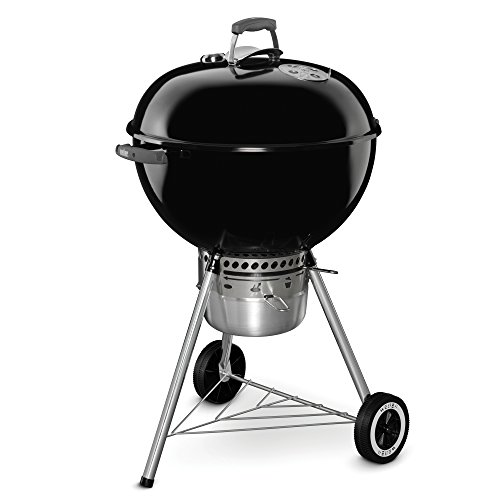
Weber Original Kettle Premium Charcoal Grill (22-Inch)
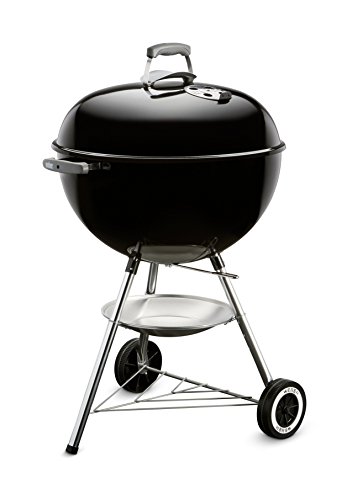
Weber Original Kettle Charcoal Grill (22-Inch)

Weber Jumbo Joe Charcoal Grill (18-Inch)

Pit Boss 500 FB2 Series Wood Pellet Grill & Smoker

Pit Boss 150 Wood Pellet Grill & Smoker

Pit Boss 4-Burner Propane Deluxe Fold & Go Griddle
More Details On Our Top Picks
The 22-inch kettle has anchored American backyards for decades, and the Premium version keeps that silhouette while quietly upgrading the parts that wear out first. The hinged cooking grate is the headline feature: it lifts at the center so you can drop fresh charcoal on a long cook without lifting the whole grate or sending ash across the food. Owners who run their kettle like a smoker appreciate being able to refuel without losing lid heat.
It’s a true do-everything charcoal grill for families who cook outdoors most weekends. Steaks, chickens, vegetables, and indirect-smoked ribs all fit on the 22-inch grate, and the porcelain-enameled bowl helps the body shrug off rust through years of weather. For someone stepping into charcoal for the first time, this Premium model offers more room to grow than the classic Kettle covered next.
What It Does Well
- Hinged grate lets you add charcoal mid-cook without dismantling the fire.
- 22-inch cooking area comfortably feeds a family of four with room to spare.
- One-Touch ash system pulls spent coals into a high-capacity catcher for fast cleanup.
- Porcelain-enameled lid and bowl handle repeated heat cycles and outdoor storage.
- Adjustable dampers give the same level of airflow control as pricier kamado-style grills.
Things To Consider
- Side tables and a cart are sold separately, so the base setup is fairly bare.
- Wheeled legs work on a patio, but moving it across soft grass takes effort.
Quick Facts
Whose Backyard It Belongs In
It’s a strong fit for home cooks who want one charcoal grill that handles weeknight dinners and weekend smokes without needing a second unit.
Skip It When
Travelers should reach for the Weber Jumbo Joe instead, since its smaller body stows in a trunk and weighs far less.
This is the kettle that started Weber’s whole charcoal story, and it’s still on the lineup for a reason. The bowl and lid use the same porcelain-enameled steel as the Premium, so it holds heat well and shrugs off the kind of weather a backyard grill usually sees. Damper controls on the lid and bowl let you tune the airflow precisely, which matters more than people expect when running low-and-slow.
For shoppers who want the classic Weber experience without paying for the hinged grate or upgraded wheels, this version is the rational pick. It feeds the same crowd as the Premium and uses many of the same accessories, so it grows with you as your skills do.
Strengths Worth Knowing
- Same 22-inch cooking surface as the Premium, so cook capacity matches.
- Porcelain-enameled bowl and lid are built to last through years of outdoor storage.
- Top and bottom dampers offer fine-grained temperature control for a kettle.
- One-Touch cleaning sweeps ash into a removable catcher for quick turnaround.
Points To Note
- Standard grate is not hinged, so adding charcoal mid-cook means lifting the whole grate.
- Base wheels are smaller and less rugged than the Premium’s upgraded ones.
Made For
Practical shoppers who want the original Weber kettle experience and don’t need premium add-ons.
Look Elsewhere When
Anyone who frequently smokes for hours should consider the Weber Original Kettle Premium, since its hinged grate makes refueling much easier.
The Jumbo Joe borrows the same kettle silhouette as the larger Weber but shrinks it to an 18-inch body that fits in a trunk or the back of an SUV. Tailgaters and apartment-dwellers tend to gravitate to it because the plated steel grate still gives you enough real estate to feed six people, while the aluminum dampers and ash catcher keep weight down. The trade-off shows up in raw grate size, but most cooks on the go never notice.
Compared with the larger Weber Original Kettles above, this one is built for portability over capacity. You give up the hinged grate, the porcelain-enameled bowl, and the larger cooking diameter. In return, you get a grill that two people can carry comfortably and that sets up on a picnic table in a couple of minutes.
The Practical Payoff
- 18-inch grate gives a usable cook surface for small groups without the bulk of a 22-inch kettle.
- Lightweight body and tucking legs make it genuinely portable for tailgates and camping.
- Plated steel cooking grate heats fast and is straightforward to scrub clean.
- Aluminum dampers resist rust during transport and storage in humid conditions.
Trade Offs
- Smaller grate limits whole-pack meals like full briskets or multiple racks of ribs.
- No hinged section, so refueling means lifting the grate just like on the classic 22-inch model.
- Plated grate, not porcelain-enameled, tends to show wear faster with heavy use.
Quick Facts
Who It Suits Best
Tailgaters, campers, and anyone cooking on a small patio where a 22-inch kettle simply won’t fit.
Another Choice May Suit
Backyard cooks who want bigger capacity should consider the Weber Original Kettle Premium, since its 22-inch grate handles larger cuts.
Stepping away from kettle-style cooking, the Pit Boss 500 runs on hardwood pellets fed automatically into a fire pot. That changes the entire rhythm of grilling: you set the temperature on the LCD controller, drop a meat probe into your brisket, and walk away while the grill holds steady between 180°F and 500°F. The flame broiler slider adds direct-flame access for finishing steaks with a real sear, which most pellet grills struggle to deliver.
It’s a different proposition from the Weber kettles covered earlier, since pellets remove much of the hands-on charcoal work. For someone whose main goal is overnight pulled pork or low-and-slow ribs without babysitting a fire, this pellet format is a meaningful upgrade. Newcomers to smoking may find the learning curve steeper than a kettle, though, especially around pellet flavor choices and startup procedures.
Reasons It Performs
- 518 square inches of two-tier porcelain-coated steel space feeds large gatherings with room to spare.
- Temperature range of 180°F to 500°F covers smoke, roast, bake, and sear in one unit.
- Flame broiler lets you drop the heat deflector for direct grilling without swapping grates.
- LCD digital controller and meat probe track internal temperature without opening the lid.
- 5-pound hopper handles several hours of cook time between refills for most meals.
Honest Caveats
- Requires a power outlet, which limits placement on patios without nearby electricity.
- Pellet flavor leans different from charcoal, so purists may miss the traditional taste.
- Hopper refills and ash cleaning add maintenance steps that kettle owners avoid.
Best Suited To
Cooks who want set-and-forget smoking for long, low sessions and appreciate digital temperature control.
Reach For A Different Pick When
Travelers should look at the Pit Boss 150, since its smaller body and travel-friendly design fit tailgates and campsites better.
The Pit Boss 150 takes the pellet format and shrinks it down to a body you can actually carry. The latch-lock lid and twin side handles make it feel more like a heavy cooler than a grill, which is the point for tailgating and camping cooks. Inside, the same 180°F to 500°F range as the larger 500 series means you don’t sacrifice versatility for portability, though the 256-square-inch surface clearly limits how much you can cook at once.
For shoppers eyeing the Pit Boss 500 above but worried about weight and footprint, this 150 sits in a much friendlier size class. It still needs an outlet, which is the main real-world trade-off when you take it away from home. Campsites with power and tailgates with generators handle it well; backcountry trips do not.
Standout Benefits
- Latch-lock lid and side handles support two-handed carrying to the truck or picnic table.
- Automatic start-up and cool-down cycles simplify lighting and shutdown at the campsite.
- 256 square inches fits a full pregame meal for a small group.
- 7-pound pellet hopper extends cook time between refills during longer smokes.
Things To Weigh
- Requires electricity, so it’s not a true off-grid cooker without a generator.
- Smaller grate means brisket cooks need careful planning to fit a whole packer.
Feature Snapshot
Right Fit For
Road-tripping cooks and tailgaters who want pellet-driven smoke without hauling a full-size rig.
Swap It Out When
Home cooks feeding larger groups should consider the Pit Boss 500, since its 518-square-inch grate handles bigger meals in one batch.
The 4-Burner Deluxe Griddle is the odd one out in this list, and it earns its spot by being the cook station most charcoal-focused grills simply cannot replace. A 753-square-inch flat surface running on propane with four separately controlled burners turns breakfast spreads, smash burgers, and stir-fried vegetables into a single-tool job. The fold-and-go frame collapses into a more transport-friendly shape, and the hard cover keeps the cooktop clean in transit.
You give up smoke entirely here, since the unit runs on propane rather than charcoal or pellets. For cooks who already own a kettle or smoker and want a complementary flat-top for non-smoked meals, that trade-off is exactly the point. Bringing both to a tailgate covers essentially every menu item from pancakes to brisket.
The Helpful Details
- 753 square inches of cooking area handles full breakfast or burger-bar service in one pass.
- Four independent burners let you run different temperatures across the cooktop.
- Folding legs and a hard cover support travel-friendly setup and storage.
- 62,000 BTU output delivers the high heat that smash burgers and searing demand.
Points To Keep In Mind
- Propane tank adds a consumable that charcoal and pellet users avoid.
- Flat-top seasoning and ongoing oil care require more routine than grate cleaning.
Quick Facts
Built With In Mind
Campers, tailgaters, and anyone who wants a flat-top to round out a charcoal or pellet setup.
A Better Fit Elsewhere
Smoke-focused cooks should look at the Weber Original Kettle Premium, which delivers the charcoal flavor this griddle leaves behind.
What Matters Most Before Choosing Charcoal Grill Smokers
Capacity And Footprint
Cooking area matters more than most first-time grill shoppers expect. A 22-inch kettle handles burgers for a family of four with room to spare, while an 18-inch kettle or 256-square-inch pellet grill works for two to four people. Larger gatherings, full-pack briskets, or breakfast-for-ten spreads push you toward bigger surfaces. For shoppers with limited patio space, fold-and-go griddles and portable kettles offer full-size cooking in a footprint that stows away between uses.
Fuel Format And Flavor
Charcoal kettles deliver classic fire flavor and a hands-on cooking process that many purists prefer. Pellet grills like the Pit Boss 500 and 150 trade some of that flavor for set-and-forget temperature control. Propane griddles skip smoke entirely but add convenience and recovery speed. The honest read is that the best fuel format depends on whether you want ritual, automation, or speed.
Temperature Control And Versatility
Adjustable dampers on kettles provide surprisingly precise airflow control once you learn them. Pellet grills add digital temperature targets and meat probes that automate the process. Look for a temperature range that covers both your smoke sessions and your hot searing cooks, especially if you plan to use one grill for many styles of food.
Build Quality And Storage
Porcelain-enameled bodies hold up better than plated steel through years of outdoor storage, though they typically cost more. Wheels, side tables, and cover quality all affect how a grill lives in your day-to-day routine. For most backyards, a grill that handles rain and sun without rusting pays for itself in longevity.
Key Considerations Across These Picks
Pitfalls Shoppers Hit
A common mistake is choosing a grill that’s too small for the meals you actually cook, then upgrading within a year. Measure your typical crowd size and your largest single cut of meat before settling on a cooking area. Another trap is overlooking fuel storage: charcoal needs dry space, pellets need sealed bins, and propane tanks need a stable, ventilated spot. Pick a grill whose fuel you can store comfortably, and you’ll actually use it.
Where The Extra Money Goes
Higher-tier models like the Weber Original Kettle Premium or the Pit Boss 500 add upgrades that pay off over years, not days. Hinged grates, porcelain coatings, larger hoppers, and digital controllers all reduce friction during regular use. For cooks who fire up the grill weekly, those upgrades turn into saved time and longer equipment life. For occasional weekend cooks, the simpler Original Kettle or Pit Boss 150 often delivers everything that matters without the extra cost.
Frequently Asked Questions
What size charcoal grill do I need for a family of four?
A 22-inch kettle comfortably feeds a family of four with room for burgers, chicken, and vegetables on the same grate. Smaller 18-inch models work for couples or families who batch less often. Larger pellet grills and griddles handle bigger crowds and full-pack briskets in a single cook.
Are pellet grills considered charcoal grill smokers?
Pellet grills run on compressed hardwood pellets rather than lump charcoal or briquettes, so the fuel format is different. They still smoke food through indirect heat and wood combustion, which places them in the broader charcoal grill smoker category for most cooks.
How long does a 22-inch kettle last with regular outdoor storage?
Porcelain-enameled kettles typically last many years outdoors when covered between uses, since the coating protects the steel from rust. Plated steel components like the grate wear faster and may need replacement every few seasons depending on cleaning and storage habits.
Can a kettle grill work as a smoker?
A kettle grill works as a smoker using the two-zone method: banked coals on one side and food on the other, with the lid closed to trap heat and smoke. A water pan helps stabilize temperature during longer cooks, and adding wood chunks to the coals delivers the smoke flavor most cooks want.
Is a portable grill powerful enough for serious cooking?
Portable griddles and pellet smokers deliver enough heat for full meals, though they typically use propane or pellets instead of charcoal. They sacrifice some capacity compared with full-size units, so planning around smaller batches becomes part of the routine.
Closing Remarks
Your best fit comes down to the cooking style you actually use most, not the one that sounds best on paper. Kettles reward hands-on cooks who want charcoal flavor and ritual. Pellet grills suit set-and-forget smokers who value temperature precision. Portable options open up tailgates and campsites. Match the format to your routine, and the grill earns its place in your backyard for years.