
Charcoal grilling rewards patience with flavor you simply can’t fake, and the right grill makes that ritual feel easy rather than finicky. The shortlist below leans on durable builds, smart venting, and cleaning systems that don’t fight you after every cook. Whether you feed a crowd every weekend or just want a compact kettle for weeknight burgers, the lineup below covers the main paths through the category.
A Closer Look At The Lineup
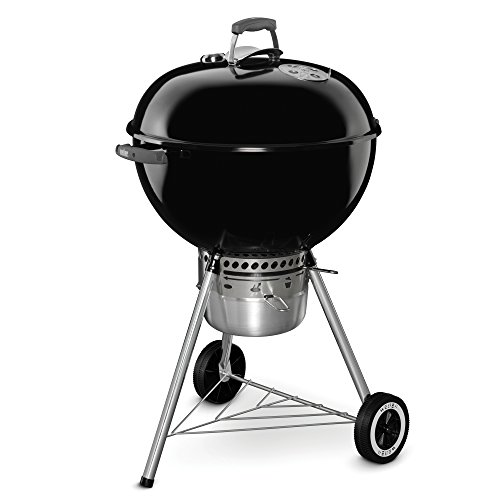
Weber Original Kettle Premium 22-Inch Charcoal Grill
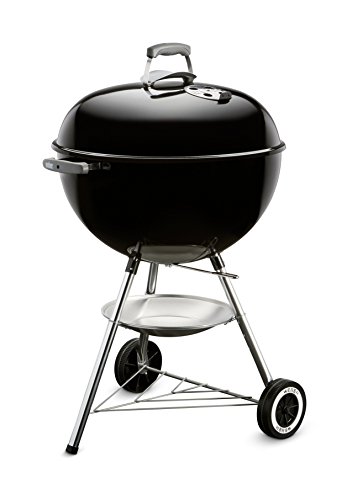
Weber Original Kettle 22-Inch Charcoal Grill

Weber Jumbo Joe 18-Inch Charcoal Grill

Oklahoma Joe’s Highland Reverse Flow Smoker Grill
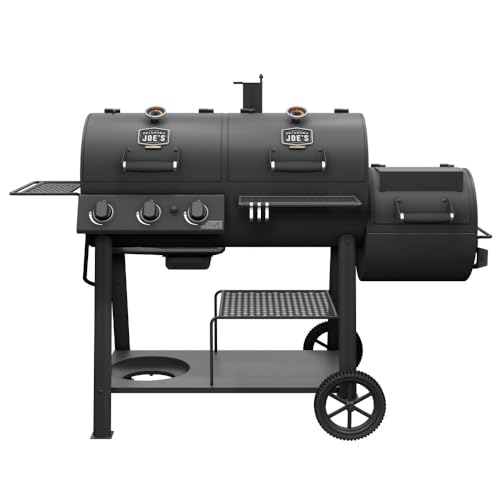
Oklahoma Joe’s Canyon Combo Dual-Fuel Grill

Oklahoma Joe’s Longhorn Offset Smoker Grill
More Details On Our Top Picks
The 22-inch Weber kettle is the shape most people picture when they picture charcoal grilling, and the Premium version keeps that silhouette while adding the upgrades you actually use. The hinged cooking grate opens so you can drop fresh briquettes mid-cook without lifting the lid and losing heat, which matters when you’re working through a tray of chicken thighs.
For most backyards, this is the grill that disappears into the routine: a couple of burgers Tuesday, a full brisket on Saturday. Vents respond quickly enough for weeknight timing, and the porcelain-enameled body holds up to weather year-round.
What Pays Off
- Hinged grate saves mid-cook charcoal trips and keeps lid-on heat steady.
- One-Touch ash system cuts cleanup to a few swipes after every session.
- 22-inch diameter fits a full meal for a family of four with room to spare.
- Porcelain-enameled lid and bowl resist rust through seasons of rain and sun.
- Aluminum dampers offer fine-grained airflow control without guesswork.
Worth Noting
- Wheel design is functional but the legs can wobble on uneven patios over time.
- Lacks built-in storage for tools, so a side table or hook rail helps.
Best Suited To
Backyard cooks who want one grill that handles weeknight dinners and weekend projects without ceremony.
Consider Something Else When
You need serious smoking capacity, since the Oklahoma Joe’s Highland gives you more square inches and airflow control for long cooks.
The classic Weber kettle strips back to the formula that’s worked for decades: a porcelain-enameled dome over a sturdy bowl, two dampers, and the same One-Touch ash system as its Premium sibling. Where the Premium adds the hinged grate, this version sticks to a fixed grate that lifts off entirely.
It’s the grill for someone who values longevity over extras. Owners commonly report decade-long service lives with only grate replacements along the way, which makes the purchase easy to justify.
The Good Stuff
- Porcelain enamel shrugs off rust in damp coastal or rainy climates.
- Two dampers give smooth top and bottom airflow tuning for indirect cooks.
- Fixed grate design feels sturdier under heavy logs and grill bricks.
- One-Touch cleaning shortens teardown to a minute or two.
Points To Keep In Mind
- No hinged grate means lifting the lid to add charcoal mid-cook, which drops temperature briefly.
- Wheel hardware is simpler than the Premium’s, so storing on a level pad helps.
- No tool hooks or side shelves included.
Feature Snapshot
Made For
Grillers who treat their setup as a long-term fixture and care more about build quality than gadgets.
Skip It When
You want the convenience of the hinged grate, in which case Weber’s Original Kettle Premium covers the same footprint with that upgrade.
The Jumbo Joe shrinks Weber’s kettle DNA into an 18-inch package that folds flat and travels. The plated steel grate is a touch smaller than the 22-inchers above, but it still feeds four hungry campers without crowding.
Tailgating and car camping are where this grill earns its keep. Light enough to carry with one hand, it sets up on a picnic table or tailgate in under a minute, and the enameled bowl keeps cleanup painless.
Points In Its Favor
- 240 square inches of cooking surface, roomy for a portable.
- Folding legs lock in place for steady cooking on uneven ground.
- Aluminum dampers stay cool to the touch during long cooks.
- Tucks into a car trunk or camper storage without hassle.
Honest Caveats
- Smaller grate means fewer burgers per batch than the 22-inch kettles.
- Plated steel grate can show wear faster than porcelain options.
- Limited temperature control precision compared to offset smokers.
Right Fit For
Anyone who wants a real charcoal cook away from home, from tailgate regulars to weekend campers.
Look Elsewhere When
You mainly cook for a stationary family crowd, where Weber’s Original Kettle Premium gives you more space for the same effort.
Once you cross into offset smokers, the rules change: heat comes from a firebox, smoke flows across the cook chamber, and patience becomes the main ingredient. The Highland adds removable baffles that let you flip between reverse-flow and traditional offset setups, which is a real edge over fixed-design rivals.
It’s a serious piece of equipment for serious cooks. A 1093-square-inch cook chamber, multiple grates, and a charcoal basket built for longer burns give you the room to smoke two briskets and a rack of ribs at once.
The Value In It
- Removable baffles switch between reverse-flow and traditional smoking modes.
- Large charcoal basket supports extended cooks with fewer reloads.
- 1093 square inches of total cooking space handles full gatherings.
- Heavy-gauge steel body holds heat steadily through overnight cooks.
Some Limits To Know
- Heavy build makes relocation a two-person job.
- Learning curve for fire management is steeper than kettle grills.
- Requires wood splits or chunks purchased separately.
Quick Facts
Whose Shelf It Belongs On
Backyard pitmasters ready to commit time and fuel to low-and-slow cooks with authentic offset flavor.
Another Choice May Suit
You want a simpler charcoal kettle experience, in which case Weber’s Original Kettle Premium handles everyday cooking with much less fuss.
The Canyon Combo answers a question many hosts quietly ask: can one grill smoke low-and-slow and sear hot without compromise? A charcoal side handles ribs and pork shoulder, while a 36,000 BTU three-burner propane section lights fast for weeknight burgers.
It’s a hybrid that earns its footprint. The 750-square-inch primary chamber can hold two pork shoulders, and the gas side keeps pace when guests arrive hungry and the clock matters.
Positive Takeaways
- Dual-fuel design merges charcoal smoking with fast propane searing.
- 1031 square inches of combined space handles sizable gatherings.
- Three propane burners maintain even heat across the griddle area.
- Smokestack dampers allow precise airflow tuning.
Practical Considerations
- Larger overall footprint than single-fuel rivals.
- Propane tank sold separately, adding to total setup cost.
- Two fuel systems mean more components to maintain over time.
Feature Rundown
Perfect Match For
Hosts who entertain often and want one grill that smokes ribs on Saturday and sears steaks on Tuesday without swapping equipment.
Reach For A Different Pick When
You mainly cook classic kettle fare and want a smaller, simpler footprint, where Weber’s Original Kettle Premium stays easier to manage.
The Longhorn is the most traditional offset smoker in the lineup: a side firebox, a single-direction smoke path, and the kind of build that anchors a backyard for the long haul. With 751 square inches in the primary chamber and 309 in the secondary, you can stack ribs and a brisket without crowding.
It’s a classic for a reason. Direct heat comes from the firebox, smoke drifts across the cook chamber, and the result is the deep, wood-fired flavor that draws people to offset smoking in the first place.
Good Reasons To Consider
- 1060 total square inches across primary and secondary cooking chambers.
- Side firebox design supports traditional offset smoking technique.
- Heavy-gate construction handles repeated high-heat burns.
- Adjustable smokestack gives direct control over draft and smoke density.
Where It May Fall Short
- No reverse-flow option means you manage hot spots more actively.
- Substantial weight makes it a stationary backyard piece.
- Hardwood fuel purchased separately adds to ongoing running cost.
Who Should Grab It
Grillers committed to traditional offset smoking who want plenty of cooking space for brisket, ribs, and whole chickens.
A Better Fit Elsewhere
You want baffle-based heat equalization for easier overnight cooks, in which case the Oklahoma Joe’s Highland offers more airflow control.
What Matters Most When Choosing Charcoal Grill Bbqs
Grilling surface and cooking style set the first fork in the road. Kettle-style grills around 18 to 22 inches handle family meals and small gatherings with a footprint that fits most patios. Offset smokers with 750-plus square inches open up whole briskets and full racks, but they need dedicated yard space and a willingness to manage fire for hours. Travel-friendly options fold down for tailgates and campsites without sacrificing too much cooking area.
Construction materials influence how long the grill lasts and how well it holds heat. Porcelain-enameled bowls and lids resist rust through wet seasons, while plated steel grates are tougher but can weather faster. Heavy-gauge steel bodies on offset smokers keep temperatures stable through overnight cooks, which matters more than people expect on longer smokes.
Airflow control separates basic grills from versatile ones. Top and bottom dampers on kettles let you switch from searing burgers to indirect roasting chicken. Offset smokers add smokestack dampers and baffles for fine-tuning smoke density and heat direction. If you cook a wide range of foods, more airflow options pay off over time.
Fuel and cleanup deserve a practical look. Charcoal-only grills need ash management, and One-Touch ash systems save real effort after every cook. Dual-fuel options add propane convenience but bring extra maintenance and a separate tank. Think about how often you’ll cook and how much cleanup you can tolerate before choosing.
Key Considerations Across These Picks
Pitfalls Shoppers Hit
The most common mistake is buying a smoker when a kettle would do the job. Offset smokers reward long cooks but punish impatient grillers with steep learning curves and hours of fuel management. New charcoal owners often start with an oversized offset they never fully use, then wish they had something simpler. Match the tool to your typical cook, not your dream cook.
Another trap is overlooking total footprint and storage. A 22-inch kettle takes less patio space than most people picture, but a full-size offset smoker needs a permanent corner. Measure your outdoor area and storage path before committing, since moving a heavy smoker twice is no fun.
What The Higher Tier Buys
Stepping up to a reverse-flow smoker buys more even heat distribution and longer unattended burns, which is the difference between babysitting a firebox all night and sleeping through an overnight brisket. Premium kettles add hinged grates and refined dampers that respond faster to temperature changes. In dual-fuel models, the upgrade pays for itself through propane convenience on busy weeknights when charcoal feels like too much. Worth the extra spend when you actually cook often enough to use the added capability.
Frequently Asked Questions
How Long Does Charcoal Stay Hot In These Grills?
Quality lump charcoal burns steady for about 45 minutes to an hour at cooking temperatures, while briquettes run longer and more predictably. Kettle grills manage this through bottom vents, and offset smokers extend burn time with deeper charcoal baskets. Plan on adding more fuel for anything longer than an hour.
Can You Use Wood Chunks With Any Charcoal Grill?
Yes, though the results vary. Kettles benefit from a few chunks tossed on hot coals for added smoke flavor. Offset smokers are built for chunks and splits, which produce the rich, wood-fired taste the format is known for. Soak chunks aren’t necessary, but dry hardwood burns cleaner.
How Often Should You Clean A Charcoal Grill?
A quick ash sweep after every cook keeps air vents clear, while a deeper clean every few cooks prevents grease buildup. Kettles with One-Touch systems make this easy: just sweep and empty. Offset smokers need more attention around the firebox and smokestack to prevent creosote, especially after heavy smokes.
Are Portable Charcoal Grills Worth It?
For tailgates, beach days, and camping, a portable like the Jumbo Joe earns its place in the trunk. The tradeoff is less cooking area and simpler airflow control, so managing temperature takes more attention. Worth the trade-off when you’re cooking away from a full backyard setup.
What’s The Difference Between A Kettle Grill And An Offset Smoker?
Kettles cook with direct heat from below and use the lid for indirect cooking, which suits burgers, steaks, and smaller roasts. Offset smokers route heat from a side firebox across a separate chamber, creating indirect heat ideal for briskets, ribs, and pork shoulder over many hours. Pick by how you like to cook, not which looks more impressive.
Bottom Line
Charcoal grilling rewards the cook who matches the grill to the meal. Kettles like the Weber Original Kettle Premium and the classic 22-inch sibling cover everyday cooking with minimal fuss, while the Jumbo Joe brings that experience to the road. Offset smokers from Oklahoma Joe’s step into longer territory, with the Highland leading on airflow control and the Longhorn sticking to traditional offset cooking. Choose the format that fits your weekend, and let the grill quietly do its job.