
Whether the weekend calls for low-and-slow ribs or a quick sear on burgers, the right grill-smoker combo changes the whole rhythm of cooking outdoors. Home pitmasters who want charcoal flavor without giving up the convenience of gas will find genuine versatility in dual-fuel setups. Backyard chefs feeding a crowd need real surface area, while apartment dwellers or tailgaters care more about a compact footprint and easy transport. This roundup breaks down six charcoal-forward options across the Oklahoma Joe’s lineup, matched to different cooking styles and outdoor spaces, so the next cookout feels less like guesswork and more like a plan.
A Snapshot Of The Selections

Oklahoma Joe’s Rambler Portable Charcoal Grill
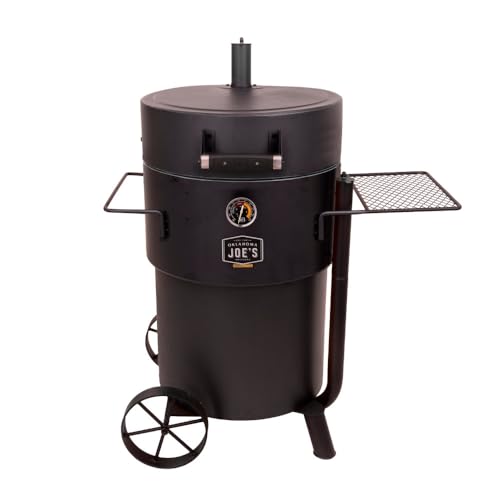
Oklahoma Joe’s Bronco Pro Drum Smoker and Grill

Oklahoma Joe’s Firecraft Series Modular Barrel Charcoal Grill

Oklahoma Joe’s Highland Reverse Flow Smoker and Grill
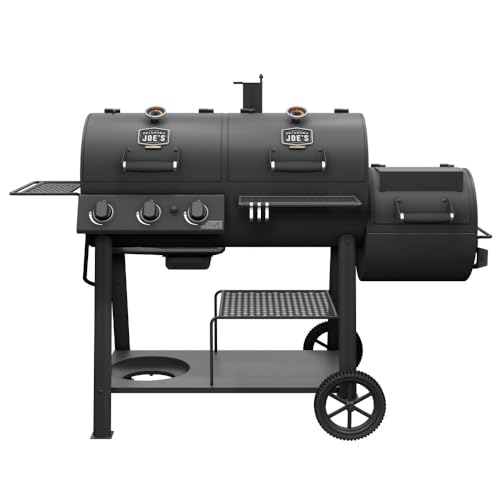
Oklahoma Joe’s Canyon Combo Dual Fuel Smoker and Grill

Oklahoma Joe’s Longhorn Offset Charcoal Smoker and Grill
A Closer Look At Each Pick
The Rambler earns its spot by stripping charcoal grilling down to the essentials, making it a natural fit for anyone whose “outdoor kitchen” doubles as a truck bed or a balcony ledge. At 218 square inches of cooking area, it handles roughly six to eight burgers or a couple of steaks, enough for a small gathering but not a cookout crowd.
The height-adjustable charcoal tray is the real standout feature here. Raising and lowering the fuel changes how aggressively the coals hit the food, which means you can sear a hot grate over high heat or pull the tray down for gentler cooking. Compared to the larger drum and offset models later in this list, the Rambler trades cooking volume for grab-and-go convenience.
Strong Points
- Tabletop footprint fits apartments, tailgates, and small patios without permanent space commitment.
- Adjustable charcoal tray offers genuine temperature control at this size, a rare find in portable grills.
- Light enough to move solo, so renters or apartment dwellers can store it indoors between uses.
- No propane tank to refill, which simplifies transport for camping trips and park cookouts.
Things To Consider
- Cooking area tops out at 218 square inches, so feeding a crowd of more than six gets tight.
- Lacks a lid-based airflow damper, meaning wind shifts affect heat more than on enclosed drum or offset designs.
- Thin steel body means owners commonly report faster exterior wear over multiple seasons outdoors.
Best Suited To
Tailgaters, apartment dwellers, and small-family cooks who want charcoal flavor with minimal footprint.
Reach For A Different Pick When
Step up to the Oklahoma Joe’s Bronco Pro Drum Smoker and Grill if you want sealed-drum heat control for longer cooks.
The Bronco Pro steps into serious smoker territory, trading the Rambler’s portability for sealed-drum heat retention and longer cook windows. A 21.5-inch diameter body with 366 square inches of usable grate space fits a full brisket flat or several racks of ribs, depending on your cut.
What separates the Bronco Pro from a kettle-style grill is the purpose-built airflow system. Top and bottom vents work together to manage oxygen flow through the fire, which keeps chamber temperatures steady over the long haul. That design pays off when you settle in for overnight pulls or competition-style low-and-slow cooks. The oversized charcoal basket extends burn time meaningfully, so you spend less time tending fuel and more time resting meat.
Features That Help
- Sealed drum lid traps heat and smoke, producing the bark and color pitmasters chase.
- Large charcoal basket supports extended sessions without constant refueling.
- Vertical format concentrates heat efficiently, so a smaller fuel load goes further.
- Built to handle winds and cooler weather better than open-top designs.
Worth Noting
- Drum body is bulky, so you’ll want a dedicated backyard spot for it.
- Cooking surface is smaller than the offset and combo picks that follow, limiting batch capacity.
Key Specs
Who Will Love This
Pitmasters focused on competition-style low-and-slow cooks who prioritize heat stability over sheer capacity.
Consider Something Else When
The Oklahoma Joe’s Highland Reverse Flow Smoker and Grill offers nearly triple the cooking surface for larger gatherings.
The Firecraft barrel lands in the middle of this list because it does something the other picks largely don’t: it pulls double duty as a cooking station, an open-fire grilling surface, and a fire pit once the food comes off. The 480-square-inch grate (split across two 240-square-inch sections) sits over an open firebox rather than a sealed chamber, so you can stoke the fire from 360 degrees without lifting the lid.
That open-fire layout changes the cooking style. You get direct flame access for searing, plus the option to slide grates aside and roast on a stick or in a pan. Heavy-gauge wire cooking grates handle the heat without warping, and twist-lock handles let you adjust grate height. Compared to the Bronco Pro’s enclosed drum, this design trades smoke density for versatility and a more social cookout feel.
What Works In Its Favor
- Open firebox enables stoking from any angle without disturbing food.
- Modular design transitions between grill, cooking station, and fire pit.
- 480 square inches of total grate handles family-sized cookouts comfortably.
- Two heavy-gauge wire grates resist corrosion and stand up to high heat.
Points To Note
- Open design exposes food to wind and ambient air, so cooks in breezy spots may struggle with temperature consistency.
- Not optimized for true low-and-slow smoking compared to sealed drum or offset designs.
- Requires more fuel attention than enclosed cookers since heat escapes freely.
Made For
Outdoor entertainers who want a centerpiece that grills, roasts, and hosts a fire pit in one footprint.
Swap It Out When
The Oklahoma Joe’s Longhorn Offset Charcoal Smoker and Grill is the better choice when sealed smoke circulation matters more than open-fire flexibility.
The Highland is the workhorse of this roundup, packing 1,093 square inches of total cooking area into a reverse-flow offset design that serious pitmasters tend to gravitate toward. The “reverse flow” name refers to a baffled plate system that routes smoke and heat along the bottom of the cook chamber before it exits, evening out temperature swings from end to end.
For low-and-slow cooks that last eight hours or longer, that baffle system pays off. Removable baffles let you convert the Highland into a traditional offset layout, so you can switch styles between cooks depending on what you’re smoking. Compared to the Bronco Pro’s smaller drum format, the Highland scales up capacity dramatically, which matters when brisket, ribs, and pork shoulders all need grate space at once.
Strengths Worth Knowing
- 1,093 square inches of total cooking surface handles multiple large cuts simultaneously.
- Reverse flow baffles distribute heat evenly across the chamber for consistent bark development.
- Adjustable smokestack positions allow airflow tuning during the cook.
- Large charcoal basket supports long sessions without frequent refueling.
Trade Offs
- Substantial footprint demands a permanent backyard spot with room to maneuver.
- Heavier steel construction means two-person setup is common.
- Learning curve runs higher than kettle or drum designs, especially around baffle and stack adjustments.
Feature Snapshot
The Right Fit
Backyard pitmasters hosting large gatherings who want full control over smoke path and chamber temperature.
Look Elsewhere When
The Oklahoma Joe’s Canyon Combo Dual Fuel Smoker and Grill suits cooks who also want propane-fired sear convenience on the same rig.
The Canyon Combo earns its place by being the only true dual-fuel model in this lineup: a 3-burner propane gas side paired with a charcoal-and-wood smoking chamber. For cooks who want smoke flavor on brisket but also need a fast sear on burgers without firing up coals, this hybrid removes the usual compromise.
The propane side runs at 36,000 BTU across three burners, so it heats up quickly and recovers fast after the lid opens. The charcoal side handles the long, indirect-heat work using hardwood splits and chunks. With 1,031 square inches of total cooking area (750 in the primary chamber plus the secondary grill space), this combo manages crowd-sized cooks. Compared to the pure-charcoal Highland earlier, the Canyon adds weekday convenience without sacrificing weekend authenticity.
Where It Excels
- Genuine two-in-one design lets you smoke and sear on the same cookout.
- 36,000 BTU propane output supports fast preheats and high-heat grilling.
- 1,031 square inches of total area handles large gatherings without splitting batches.
- Side-by-side layout keeps charcoal and propane workflows independent, so timing stays simple.
A Few Limitations
- Propane tank is not included, which adds to your initial setup cost.
- Footprint is wide, so smaller patios may struggle to fit it comfortably.
- Dual-fuel complexity means more parts to clean and maintain than single-fuel designs.
Feature Card
Perfect Match For
Hosts who cook for varied groups, splitting time between quick weeknight grilling and weekend smoking sessions.
A Better Fit Elsewhere
The Oklahoma Joe’s Rambler Portable Charcoal Grill is the smarter pick for anyone needing true portability rather than dual-fuel capacity.
The Longhorn rounds out this list as the classic offset layout that taught a generation of backyard cooks what real BBQ tastes like. With 1,060 square inches of total cooking space split across a 751-square-inch primary chamber and 309-square-inch secondary grate, it gives you room to run ribs and chicken on the main grate while warming sides or browning sausages over the firebox.
Traditional offset design routes smoke and heat past the food as it travels toward the smokestack, building that distinctive thin blue smoke profile. Compared to the Highland’s reverse-flow baffle system, the Longhorn offers a more straightforward cook with less active tuning. For cooks who learned on classic offsets and prefer the feel of that workflow, this model delivers without overcomplicating the process.
What Pays Off
- 751-square-inch primary chamber supports multiple full racks of ribs at once.
- Secondary grate over the firebox doubles as a direct-heat searing surface.
- Classic offset workflow feels intuitive for cooks with traditional BBQ experience.
- Hardwood splits and chunks produce the rich, wood-fired profile most associated with BBQ joints.
Honest Caveats
- Offset designs require more active fire management than reverse flow or sealed drum options.
- Heat distribution can vary across the chamber, especially in colder weather or windy spots.
Feature Rundown
Whose Shelf It Belongs On
Traditional BBQ cooks who want the classic offset experience without reverse-flow complexity.
Skip It When
The Oklahoma Joe’s Firecraft Series Modular Barrel Charcoal Grill offers a more open, social cooking format for less traditional cooks.
What Matters Most Before Choosing Charcoal Gas Grill Comboes
Cooking Style And Fuel Preferences
Start by thinking about how you actually cook on a weekend. Cooks who smoke brisket and ribs for hours need charcoal-and-wood setups with sealed airflow, while weeknight grillers benefit from propane sides for fast preheats. A dual-fuel model makes sense only if both styles fit your routine.
Cooking Capacity Versus Footprint
Square-inch ratings translate directly to how much food fits per cook. A 218-square-inch grate covers a small family, while 1,000-plus square inches handles full party spreads. Bigger surfaces usually mean heavier rigs and larger footprints, so measure your patio before sizing up.
Airflow And Heat Control Design
Sealed drum designs and reverse-flow baffles retain heat efficiently for long cooks. Open barrel formats trade temperature precision for versatility and a more social cookout feel. Match the airflow style to your usual cook length and weather conditions.
Construction Quality And Maintenance
Thicker steel bodies and heavier-gauge grates hold up across seasons but add weight. Open designs are easier to clean since ash sweeps out quickly, while sealed chambers may need more attention between cooks to prevent residue buildup.
Key Considerations Across These Picks
Pitfalls Shoppers Hit
Many shoppers focus on total square inches alone and overlook airflow design, which matters more for cook quality than raw capacity. Others grab dual-fuel combos without confirming propane tank compatibility or backyard space for the wider footprint. Reading assembly notes early prevents surprise setup time on delivery day.
Where The Extra Money Goes
Higher-tier models in this category typically cost more because of heavier-gauge steel, sealed chambers with baffle systems, and dual-fuel configurations. That extra spend pays off through longer service life, steadier temperatures across long cooks, and the ability to handle both quick sears and overnight smokes on one rig. Pickers who only grill occasionally may not recoup that premium, but frequent hosts usually find it worthwhile.