
Cold grills kill momentum. Nothing drags a cookout down like waiting forever for stubborn charcoal to catch, which is why the right ignition setup matters more than people think. The lineup below covers traditional metal chimneys for hands-off lighting, plus solid cubes and sticks that help when weather or patience runs short. Backyard regulars, pizza-oven fans, and weekend campers should find something useful here.
The Picks In Brief

Weber Rapidfire Chimney Starter, Standard

WOODOVER 300 pcs Large Fire Starters

WOODOVER 150 pcs Large Fire Starters

Rutland Fire Starter Squares

Fibvaxm 100-Count Natural Fire Starters

Woodover 15″ Oak Logs with Fire Starters
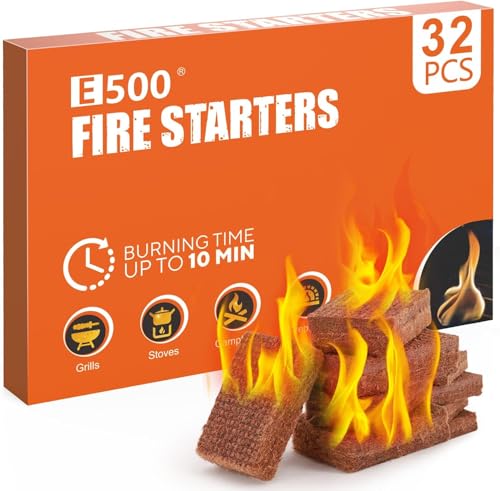
E500 Waterproof Firestarter Sticks
Taking A Closer Look At The Options
The Weber Rapidfire is the metal chimney most people picture when they imagine one. Its aluminized steel body holds a generous charcoal load, and the cone-shaped grate inside pulls air upward so coals ash over quickly without lighter fluid. For most homeowners running a kettle grill, the 7.5-inch diameter fits standard charcoal bags without forcing awkward refills.
Unlike the cube-and-stick picks later in this list, this one is reusable season after season, which makes it appealing for anyone who grills every weekend. The ergonomic handle stays cool enough for safe pouring once coals glow, though you still want heat-resistant gloves for the transfer.
Why It Works Well
- Aluminized steel construction handles repeated high-heat cycles without warping
- Cone-shaped grate speeds airflow, so coals are cooking-ready in roughly 15 minutes
- Standard 7.5-inch diameter suits most kettle and barrel grills
- No lighter fluid needed, which keeps food flavor clean
- Ergonomic handle stays cooler than budget competitors during use
Things To Consider
- Requires a heat-safe surface or grill grate to rest on while coals ignite
- Steel will eventually show surface oxidation after many seasons outdoors
Who Will Love This
Backyard grillers running a kettle or barrel setup who want a reliable, reusable ignition tool without fumbling with lighter fluid.
Skip It When
Campers packing light should reach for the E500 Waterproof Firestarter Sticks instead, since the Weber chimney adds weight and needs a stable landing spot.
The WOODOVER 300-pack is built for people who light fires often. Made from natural wood shavings and wax, each cube burns around 10 minutes, which is enough time to catch charcoal, kiln-dried logs, or fatwood in a fire pit. A bin this size carries you through a full summer of backyard cooks and most of fall fire-pit season too.
Stacked against the smaller 150-count WOODOVER later in this list, the trade-off is storage space. You give up some shelf room, but you stop running out midseason, which for frequent grillers matters more than a little extra closet square footage.
What Pays Off
- Natural wood-and-wax composition lights even when surfaces are slightly damp
- Each cube burns roughly 10 minutes, plenty for charcoal ignition
- 300-count bulk supply suits multi-grill households and small restaurants
- No chemical smell, so food picks up smoke flavor, not starter odor
Honest Caveats
- Bulk count requires a sealed bin or dry shelf to stay organized
- Wax-based cubes leave a small amount of residue on grill grates over time
Built With In Mind
Frequent outdoor cooks who light a chimney or fire pit more than once a week during warm months.
Where A Sibling Pick Shines
Anyone firing up a Weber kettle for the first time should start with the Weber Rapidfire Chimney Starter, since it skips consumables entirely.
The 150-count WOODOVER splits the difference between the 300-pack and smaller bundles. Same wood-shaving-and-wax formula, just a more shelf-friendly count. For households grilling a few times monthly, this hits a useful middle ground without the storage headache of a larger bulk box.
The cubes ignite fast, hold flame through breezy conditions, and pair with both chimney starters and wood stoves. You get roughly half the supply of the bigger WOODOVER bin, but for many casual users, that means less risk of stale cubes sitting around.
Where It Helps
- Right-sized count avoids both bulk waste and running out midseason
- Natural composition keeps food flavor clean during ignition
- Weather-resistant cubes handle damp morning conditions
Worth Bearing In Mind
- Wax residue can build up on cast-iron grates without occasional cleaning
- Smaller pack means higher replacement frequency for very active users
Made For
Casual grillers and weekend fire-pit hosts who want a reliable stash without committing to a 300-count supply.
Consider Something Else When
Campers heading into wet weather should grab the Rutland Fire Starter Squares, since those cubes are tested against moisture more aggressively.
Rutland’s squares have earned their reputation in camping and wood-stove circles for a simple reason: they light when wet. The non-toxic formula meets strict air-quality rules in regulated regions, so indoor fireplaces and outdoor pits both work. Drop one under a pyramid of charcoal in your chimney starter and watch the whole stack catch even after a damp evening.
Against the larger WOODOVER packs, Rutland trades raw count for weather performance. If your grilling schedule includes surprise rain or shoulder-season cold snaps, that swap often feels worth it.
Practical Advantages
- Ignites reliably even when surfaces or kindling are damp
- Non-toxic composition safe for cooking food over the flame
- Air-quality compliant for indoor fireplace use in regulated areas
- Compact square shape stacks neatly in a grill caddy
A Few Limitations
- Smaller count per box than wax-cube competitors
- Burn time per square runs shorter than larger wood-and-wax cubes
Best Suited To
Backyard cooks in wet climates and wood-stove owners needing reliable ignition through shoulder seasons.
Reach For A Different Pick When
Pure charcoal chimney users chasing maximum flame duration should pivot to the WOODOVER 300 pcs Large Fire Starters for longer burn time per cube.
The Fibvaxm 100-count brings a lighter entry point for anyone curious about cube starters without committing to a large pack. Pine shavings pressed with natural paraffin wax give each cube enough flame to catch standard charcoal in a chimney, and the lightweight build makes the whole box easy to toss in a car trunk for impromptu cookouts.
Compared to the Rutland squares, you trade wet-weather performance for a longer per-cube burn. Compared to the WOODOVER 150-count, you trade a recognized brand name for a smaller upfront outlay.
Strong Points
- Natural pine-and-paraffin composition lights with a single match
- Lightweight packaging suits tailgates and travel
- Longer burn time per cube than smaller starter squares
- Works across grills, fire pits, and wood stoves
Room For Improvement
- Brand recognition is limited compared to established competitors
- Wet-condition ignition lags behind dedicated weatherproof starters
Right Fit For
Occasional grillers wanting a starter-cube option that costs less up front and stores in a small space.
Look Elsewhere When
Anyone grilling through damp mornings regularly should instead consider the Rutland Fire Starter Squares for stronger moisture resistance.
This Woodover bundle pairs kiln-dried oak logs with included fire starters, so pizza-oven cooks and fire-pit hosts get fuel and tinder in one shipment. The 15-inch split oak pieces suit Solo Stove-style fire pits and standard fireplaces, and the 15 to 20-pound pack is sized for one or two sessions.
Where this differs from the pure starter-cube picks earlier: you’re buying actual fuel, not just ignition. For owners of wood-fired pizza ovens, that’s a meaningful shift, since dry oak burns hotter and cleaner than softwood alternatives.
Positive Points
- Kiln-dried oak burns hot enough for pizza-oven cooking temperatures
- Bundle includes fire starters, removing a separate purchase step
- 15-inch length fits Solo Stove and standard fire pit openings
- Split wood lights faster than unseasoned rounds
Points To Note
- Pack weight runs heavier than cube-only starter options
- Kiln-dried oak costs more per session than bagged charcoal
Perfect Match For
Pizza-oven owners and fire-pit hosts who want seasoned fuel plus ignition in one delivery.
Swap It Out When
Standard kettle grillers should default to the Weber Rapidfire Chimney Starter with bagged charcoal, since wood-fired cooking isn’t on their menu.
The E500 sticks measure roughly 1.1 inches each, small enough to slip into a backpack pocket, and the waterproof construction keeps them functional after a downpour. Built from natural wood and plant-based wax, they ignite cleanly without smoke or odor, which matters when you’re cooking over open flame at a campsite.
Against the bulkier cube options, you give up count for portability. For backpackers and tailgaters packing by weight, that trade usually lands well. For a full backyard season, look elsewhere.
Well-Handled Touches
- Waterproof formula survives wet conditions and accidental submersion
- Plant-based wax produces no chemical odor during ignition
- Compact 1.1-inch sticks save pack space on hiking trips
- Food-safe composition suits direct grilling over the flame
Softer Spots
- Smaller pack count than cube-based competitors
- Shorter total burn time per stick
Whose Shelf It Belongs On
Campers, hikers, and tailgaters who need weatherproof ignition that fits in a pocket or dry bag.
Not Your Match When
Homeowners running weekly backyard cooks will find the WOODOVER 300 pcs Large Fire Starters better suited for sustained high-volume use.
What Matters Most Before Choosing Charcoal Chimney Starters
Match The Tool To Your Setup
A traditional metal chimney, like the Weber Rapidfire, suits anyone with a kettle or barrel grill and a stable outdoor surface. Cube and stick starters pair better with portable setups, fire pits, and wood stoves where lighter fluid would be impractical. Think about where you’ll actually light, because that decision shapes which format makes sense.
Decide Between Reusable And Consumable
Metal chimneys cost more up front but last for years, while cube packs need restocking. Frequent grillers often justify a chimney for the home and keep cubes on hand for travel or backup. For occasional cooks, a single starter-cube pack may be all you need without adding metal gear to store.
Check Weather Performance
Wet climates reward waterproof formulas like the E500 sticks and Rutland squares. Dry-region users can stretch further with any standard wax-cube option. Look for ingredients that handle light dampness if your cookouts often run into morning dew or surprise rain.
Think About Storage And Cleanup
Bulk 300-count packs save money per session but need a sealed bin to stay organized. Wax-based starters leave some residue on cast-iron grates over time, so factor in occasional grate cleaning if you switch to cube ignition.
Key Considerations Across These Picks
Mistakes Worth Dodging
Buying a metal chimney without a heat-safe landing surface catches many first-time shoppers off guard. The chimney needs to rest on a grill grate or concrete pad during ignition, and a flimsy plastic table won’t survive the heat. Cube users sometimes store their packs in damp garages, which shortens shelf life. A sealed plastic bin in a dry corner keeps starters ready when cookout day arrives.
When Paying More Pays Off
Higher-tier picks like the Weber Rapidfire chimney earn their keep through repeated seasons of metal construction, while the kiln-dried oak bundle charges more per session for cooking temperatures that charcoal can’t match. Premium picks tend to cost more because they outlast their budget counterparts or open cooking methods charcoal can’t reach, which makes the upgrade logical for serious outdoor cooks rather than casual once-a-month users.
Frequently Asked Questions
Do charcoal chimney starters need lighter fluid?
No. A chimney starter uses convection, which means rising hot air ignites the coals naturally. Paper or a wax cube tucked underneath is enough to get the process going, and skipping lighter fluid keeps food flavor clean.
How long does a chimney starter take?
Most metal chimneys produce cooking-ready coals in roughly 15 to 20 minutes, depending on charcoal type and wind conditions. Wax-cube starters typically burn 8 to 12 minutes per cube, which is plenty to catch a chimney load of charcoal.
Can you reuse a chimney starter?
Yes. The Weber Rapidfire and similar metal chimneys are designed for repeated use over many seasons. Surface oxidation is normal and doesn’t affect performance.
Are fire starter cubes safe for cooking?
Natural wood-and-wax cubes like the WOODOVER packs and E500 sticks are formulated to burn without chemical residue. They won’t add unwanted flavor to food grilled over the ignited coals.
How many fire starter cubes do you need?
One cube per chimney load is the standard for most backyard grills. For larger fire pits or wood stoves, two cubes spaced apart give more even ignition across the fuel bed.
The Takeaway
The right ignition setup removes the most annoying part of outdoor cooking: waiting. Metal chimneys deliver reusable reliability for home setups, while cube and stick starters cover travel, weather surprises, and bulk seasonal use. Pick the format that matches how and where you cook, and the rest of the session runs smoother from the first match.