
Mixing two-stroke fuel is one of those chores you keep delaying until the saw won’t start halfway through a Saturday project. Premixed fuel, dedicated two-stroke oil, fuel stabilizers, and a few sharp accessories keep your chainsaw cutting smoothly instead of sitting sulking in the garage. The four picks below cover the routine maintenance that actually matters for any homeowner running a gas-powered chainsaw.
A Closer Look At The Lineup
VP Racing Fuels 6235 SEF 50:1 Premixed 2-Cycle Fuel Quart 8 Pack

Mtanlo Chain Catcher Kit for Stihl MS261 MS271 MS271C MS291

Quicksilver 858021Q01 Premium Two-Cycle TC-W3 Oil, 1 Qt.
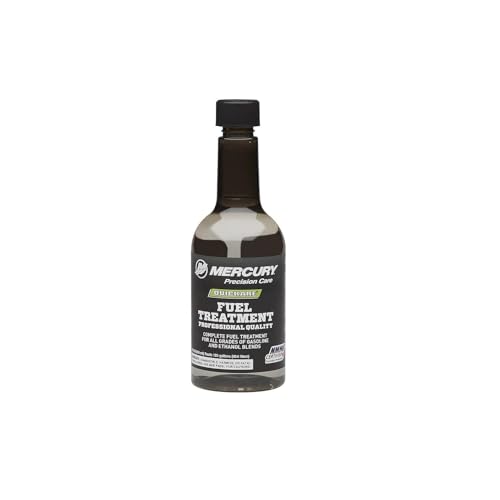
Mercury 8M0047930 Quickare Fuel Treatment Additive, 12 oz
A Deeper Look At The Lineup
Most weekend saw operators never bother with a measuring cup, which is exactly where this VP Racing premixed fuel pays for itself. The 50:1 ratio arrives already blended, so you skip the math that ruins carburetors when ratios slip. Each quart pours cleanly into a Stihl, Husqvarna, or Echo tank without funnel fuss.
The fuel carries no ethanol, the gasoline component that slowly corrodes rubber fuel lines and carburetor diaphragms over a storage season. That detail alone explains why serious users stockpile a case of this stuff for spring startup after a long winter. It’s the kind of product you forget is in the garage until you reach for it.
A Few Strong Suits
- Ready-to-pour convenience that removes measuring guesswork from every refill
- Ethanol-free blend that protects rubber seals and diaphragms during long storage
- Eight-quart case covers a full season of small-engine work for one saw
- Stable in a sealed can for years, so casual users can stock up without waste
Points To Keep In Mind
- Heavier and bulkier than a single quart bottle for occasional touch-up refills
- Cool down your saw before pouring; refueling a hot powerhead can ignite the fuel
Quick Facts
Right Fit For
Homeowners with a single chainsaw who only refuel a handful of times per season and want zero mixing hassle.
Look Elsewhere When
You pour fuel into multiple two-stroke machines across a fleet. The Quicksilver oil below lets you mix larger batches at a lower per-gallon cost.
A chain catcher is a small stamped-metal piece that bolts beneath the clutch cover, and its job is simple: catch the chain if it snaps or derails mid-cut. The Mtanlo kit fits the popular Stihl MS 261 and 271-series farm and ranch saws, the workhorses most landowners rely on for firewood and storm cleanup. If you fell one tree a year or cut wood every weekend, this piece belongs on the saw.
Three catchers ship in each kit, which means you can swap a worn or bent part without waiting for a replacement. Installation takes basic hand tools and a few minutes once the clutch cover is off. The catch itself sits low and tucked, so it doesn’t snag bark or brush during normal bucking.
A Favorable Mix
- Direct fit for the Stihl MS 261, 271, 271C, and 291 chainsaws
- Three-pack gives you spare parts on hand after a season of hard use
- Replaces OEM part number 1141-656-7700 at a noticeable savings
- Low-profile design clears brush and doesn’t interfere with the bar cover
Worth Noting
- Only fits those four specific Stihl models, so verify your saw’s plate before ordering
- Check chain tension and catcher alignment regularly; bent metal won’t stop a thrown chain reliably
Made For
Stihl owners running mid-size professional saws who fell trees, buck rounds, or process firewood on a regular basis.
Consider Something Else When
You run a homeowner-grade electric or battery saw; the VP Racing premixed fuel above matters far more for those tools than a chain catcher does.
For folks who mix their own fuel in larger batches, the oil matters as much as the gasoline. Quicksilver’s TC-W3 formula carries a strong reputation among outboard and snowmobile owners, and the same ashless dispersant chemistry translates well to chainsaw crankcases. One quart bottles enough oil to mix roughly 25 gallons of 50:1 fuel, depending on your saw’s recommended ratio.
The all-weather rating means the oil stays fluid down to -13°F, so winter storm cleanup or shoulder-season firewood cutting won’t leave sludgy fuel in the carburetor. The ashless formulation helps keep combustion chambers and spark plugs cleaner than cheaper oils that leave residue. For a single bottle that covers chainsaws, leaf blowers, and trimmers alike, this is a sensible shelf staple.
What It Does Well
- Ashless dispersant formula reduces carbon buildup on pistons and plugs
- All-weather pour point handles cold-start firewood seasons without gumming
- TC-W3 certification meets the spec called out by Mercury and most marine engines
- One quart works across chainsaws, blowers, and trimmers for a unified fuel mix
Trade Offs
- TC-W3 is heavier on additives than lean JASO-rated oils, so it isn’t the leanest choice for high-RPM two-strokes
- You’ll still need a measuring bottle or marked container to nail your mix ratio each time
Best Suited To
Property owners running multiple two-stroke tools across cold-weather seasons who mix fuel in 2.5-gallon batches at a time.
Swap It Out When
You only use your chainsaw a few weekends per year. The VP Racing premixed quart above skips the mixing step entirely and is a friendlier option.
Modern pump gas contains ethanol, and ethanol is the slow-moving enemy of any chainsaw that sits idle between jobs. Mercury’s Quickare additive tackles that head-on, dissolving existing varnish while keeping fresh fuel stable for months in the tank. The 12-ounce bottle treats roughly 120 gallons, so a single ounce per ten gallons stretches a long way.
The additive pours into the gas can at the pump or directly into the saw’s tank, whichever fits your routine. Owners commonly report easier cold starts after switching to a treated fuel routine, especially on saws that sat through spring and summer untouched. For anyone keeping a saw in a barn or shed, this little bottle solves a problem you might not notice until the day the saw refuses to fire.
Features That Help
- One ounce treats ten gallons, so the 12-ounce bottle covers a full fuel season
- Stabilizes fuel freshness for up to three months between fill-ups
- Cleans existing gum and varnish while protecting against future buildup
- Works in two-stroke and four-stroke engines alike across a small fleet
Small Caveats
- It’s a fuel additive, not a replacement for ethanol-free fuel; storage beyond three months still benefits from draining the carb
- Measuring a precise ounce for small cans can be tedious without a marked pour spout
Perfect Match For
Saw owners who use ethanol pump gas and only fire up the chainsaw a few weekends a season.
Reach For A Different Pick When
You want a fully hands-off fuel system from the start. The VP Racing premixed quart handles stability and ethanol concerns in one product.
Matching The Right Fuel Products To Your Saw Habits
Pick A Fuel Format That Matches Your Routine
Premixed fuel earns its place when you only fill a tank a handful of times per year and want zero measuring. The VP Racing quart removes the question of whether your ratio is right, which matters because a lean mix burns a piston fast. Shoppers who run their saw more often, or who also fuel trimmers, blowers, and other two-stroke gear, usually save money buying TC-W3 oil and mixing in larger gas cans. The Quicksilver bottle covers chainsaws and the rest of the shed fleet in one go, which simplifies the shelf.
Match Additives To Your Storage And Climate
Ethanol-blended pump gas attracts moisture and slowly corrodes fuel-system components, especially when a saw sits more than it runs. Fuel stabilizers like Mercury Quickare keep that damage at bay and clean existing varnish at the same time. For saws used weekly, the additive is optional; for saws used twice a season, it is borderline essential. Cold-climate users should also check the oil’s pour-point rating, since the Quicksilver’s -13°F rating helps with winter starts in unheated sheds.
Don’t Skip Safety Hardware For Working Saws
A chain catcher only costs a few dollars and addresses a real risk on gas chainsaws. The Mtanlo kit fits popular Stihl farm saws where chain breakage under load is a genuine hazard during heavy felling. For any homeowner with a mid-size or larger chainsaw, this is one of the cheapest upgrades that genuinely reduces injury risk. Smaller electric top-handle saws don’t need it, but anything with a gas engine and a bar over 16 inches deserves the upgrade.
Smart Choices Before You Add To Cart
Where Shoppers Go Wrong
A common slip is buying standard two-stroke oil at an auto parts store and assuming it works in a chainsaw. Engine oil for four-stroke lawn mowers lacks the additives a two-stroke needs, and the wrong oil fouls plugs and clogs exhaust ports within a tank or two. Another mistake is storing fuel longer than the additive or oil recommends, then wondering why the saw won’t start in April. Match the storage window to the product, drain the carb for multi-month storage, and you’ll avoid the most common springtime headaches.
When Paying More Pays Off
Premium TC-W3 oil costs more than generic two-stroke bottles, but the ashless dispersant chemistry keeps combustion chambers cleaner and extends plug life across a season. For occasional users, ethanol-free premixed fuel costs more per gallon than pump gas, yet it removes the carburetor rebuilds that come from sitting fuel. In both cases, the upgrade pays off when the saw starts on the second pull instead of the twentieth, and when you avoid a carb cleaning that costs more in shop labor than the fuel savings.
Frequently Asked Questions
Do I actually need ethanol-free fuel for a chainsaw?
Ethanol attracts moisture over time and degrades rubber seals and diaphragms inside carburetors. For a saw used weekly, ethanol-free isn’t strictly required if you drain or stabilize the fuel. For seasonal saws, ethanol-free premixed fuel saves a lot of carburetor headaches.
How often should I change two-stroke oil?
Two-stroke oil gets used every time you refuel, so freshness matters more than a calendar interval. Sealed bottles stay good for years on a shelf. Once mixed into a gas can, use the fuel within a few months for best results.
Can I use the same fuel can for my car and chainsaw?
It’s best to keep a dedicated can for chainsaw fuel to avoid contamination from automotive fuel-system cleaners. A small 1- or 2-gallon can marked for two-stroke mix prevents accidental wrong-fuel moments. The four products above work well with any standard sealed gas can.
What is a chain catcher and does my saw need one?
A chain catcher is a small metal piece mounted near the bar that stops a broken chain from flying back toward the operator. It’s a must for mid-size and larger gas chainsaws used for felling or firewood. Smaller electric saws don’t need one since chains rarely break under normal cutting loads.
Is fuel stabilizer safe in two-stroke engines?
Yes, fuel stabilizers like Mercury Quickare are formulated for both two-stroke and four-stroke engines. They protect against ethanol damage without affecting combustion. Just follow the dose on the bottle, typically one ounce per ten gallons.
Closing Thoughts
The right mix depends on how often you cut and what else lives in your shed. Premixed fuel suits casual saw owners, while mixing TC-W3 oil in larger cans makes sense for frequent users across multiple tools. Add a chain catcher to any gas saw that sees real work, and reach for a stabilizer whenever ethanol-blended gas sits longer than a month. Match the product to your routine, and the chainsaw will keep firing when you need it.