
Carpenter bees chew clean round holes into fascia boards, deck rails, and shed trim, then hollow out tunnels that weaken wood over a few seasons. The right treatment depends on whether you want to repel them or kill the brood tucked inside those tunnels. The six picks below cover both jobs, from heavy-duty concentrates to gentler deterrent sprays.
The Essentials At A Glance
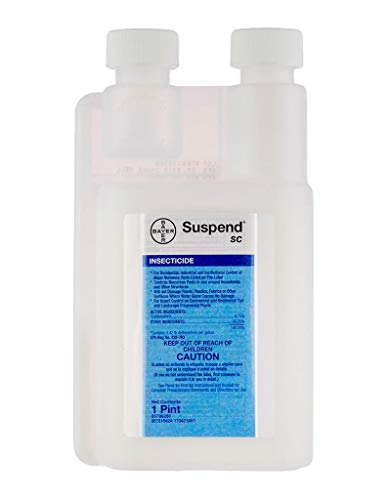
Bayer 4031982B Suspend SC 16oz, White
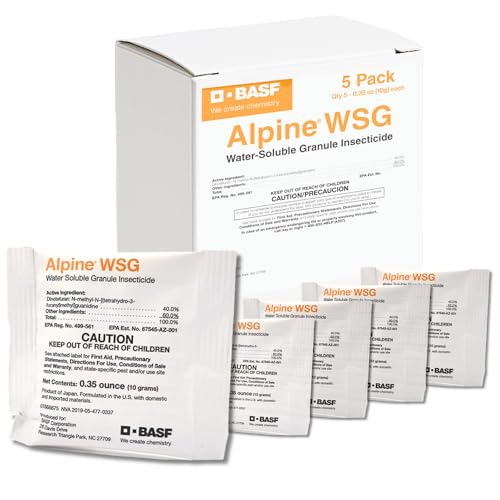
BASF Alpine WSG Insecticide

Syngenta 25001 Demon Max Insecticide

Raid Wasp & Hornet Killer 14 oz 2-Pack

Donaldson Farms Carpenter Bee Repellent 8 oz

Donaldson Farms Carpenter Bee Spray 16 oz
Meet The Standout Selections
Suspend SC is a suspension concentrate, a liquid formula where active ingredients hang evenly in water, that gets diluted with water and applied with a sprayer. You measure a small amount into a pump or hose-end sprayer, then cover eaves, soffits, and the wood around active bee holes. Because the source lists it under household disinfectants as well, you can treat the same batch on interior spots like garage framing or basement joists where bees sometimes tunnel in from outside.
Versatility is the real draw. A single bottle covers carpenter bees along with a long list of general crawling and flying pests, so most homeowners won’t need a second specialty product. You do get a noticeable chemical smell during application, so plan to wear gloves and keep pets off treated wood until it dries. For most people, the trade-off is worth it for the broad reach.
Key Advantages
- Covers more than 50 listed pests, including carpenter bees, ants, spiders, and wasps in one product
- Liquid concentrate stretches into several gallons of mixed spray, lowering per-use cost on big jobs
- Dries clear with no visible residue, so finished deck rail and trim keep their natural look
- Suitable for indoor and outdoor surfaces, simplifying a whole-property treatment plan
Things To Consider
- Requires accurate measuring and a separate pump sprayer, which adds gear to the job
- Chemical odor during application is stronger than ready-to-use aerosol cans
Who It Suits Best
Homeowners managing multiple pest problems on a larger property who don’t mind mixing concentrate themselves.
Where Another Pick Suits Better
The Donaldson Farms Carpenter Bee Spray 16 oz is a better fit for someone treating only a few holes on a small shed and wanting a ready-to-use foaming injector instead.
Alpine WSG uses water-soluble granules, meaning small dry pellets that dissolve fully into a spray solution, so you measure by scoop rather than by ounce. The active ingredient, dinotefuran, belongs to the neonicotinoid class, a family of insecticides that attack the nervous system, and it’s non-repellent, so bees and ants don’t avoid the treated area. For carpenter bees, that translates into coverage on wood surfaces plus the surrounding soil where scouts land.
Compared with Suspend SC, this one is easier to store since the dry form won’t freeze or separate on a shelf. The trade-off is similar: you’ll still need a sprayer, protective gloves, and accurate dilution. For most mixed-use properties, it handles the inside-outside transition that pure outdoor dusts can’t match.
A Few Highlights
- Granule format dissolves cleanly, so there’s no shaking or stirring mid-job
- Non-repellent chemistry reaches pests that avoid other treated surfaces
- Lightweight dry form is easier to ship and store than heavy liquid bottles
Honest Caveats
- Still requires a sprayer and careful measuring for safe, effective coverage
- Label instructions limit some indoor applications, so review the listing before spraying inside living spaces
- Small granules can clump if stored in a humid garage or shed
Made For
Shoppers who want a single product they can rotate between perimeter spraying and occasional indoor crack-and-crevice work.
Skip It When
Raid Wasp & Hornet Killer is the smarter grab for someone who just wants a single aerosol can for a one-time nest knockout.
Demon Max is a pyrethroid concentrate, a synthetic chemical class modeled on natural pyrethrum, designed for long residual control, meaning it keeps working on treated surfaces for weeks. The label lists carpenter bees alongside termites, ants, spiders, and scorpions, so a single perimeter pass covers a lot of ground. Low water solubility means the active ingredient stays put instead of washing deep into soil, which is helpful near garden beds.
For severe infestations with dozens of entry holes, this is the kind of treatment pros reach for. The honest read is that it’s overkill for one shed with a handful of bees, where a smaller ready-to-use can would do the job. You’ll also want to confirm the product page for current state-by-state availability before buying.
Useful Highlights
- Long residual keeps working on treated wood and siding for an extended period
- Low water solubility reduces leaching into surrounding soil after rain
- Broad pest list covers carpenter bees, termites, ants, and stinging insects in one pass
Trade Offs
- Concentrate format requires PPE (personal protective equipment) like gloves, long sleeves, and a sprayer
- More product than a typical DIYer needs for one small structure
- Restricted in some states, so check the product page before ordering
Key Specs
Best Suited To
Homeowners with a chronic, multi-pest problem on a larger property who want professional-grade control in a single bottle.
Consider Something Else When
The Donaldson Farms Carpenter Bee Repellent 8 oz is a better fit for someone who would rather deter bees with a plant-oil spray than mix a chemical concentrate.
This isn’t a carpenter bee product on the label, but a lot of homeowners keep a can on hand for the close-range work that concentrates can’t do. The 22-foot spray reach lets you soak an active hole from a stepladder’s base, and the non-conductive formula (rated up to 32,500 volts) makes it safer around outdoor wiring and fixtures near the eaves. The two-pack means you get a backup can for a second pass the next day.
It works on contact rather than as a residual, so it won’t protect untreated wood weeks later. The honest read is that this is a spot-treatment tool, not a season-long solution. For most people, the best play is pairing it with a longer-lasting concentrate if the infestation is widespread.
What Makes Sense
- 22-foot reach keeps you off a ladder and away from agitated bees
- Two-pack offers a backup can for a follow-up spray the next day
- Non-conductive up to 32,500 volts adds a margin of safety near outdoor fixtures
Points To Keep In Mind
- Contact kill only, with no lasting residual on untreated wood
- Larger 14 oz cans are bulky for tight storage in a small garage
Right Fit For
Homeowners who want a fast, no-mix option for knocking down a visible nest on a single afternoon.
Look Elsewhere When
BASF Alpine WSG is a smarter pick for someone wanting a concentrate that covers multiple pest categories over a longer stretch.
This spray takes a different approach. Instead of synthetic insecticide, the formula relies on plant-derived oils: citrus, peppermint, and almond. The scent profile disrupts bees’ interest in treated wood, encouraging them to move on to untreated surfaces down the street. For gardeners who keep beehives nearby or households with curious kids and pets, that gentler chemistry has clear appeal.
The 8 oz bottle is a small size meant for spot deterrence on a couple of deck posts or a fence panel. Compared with the 16 oz sibling later in this list, the smaller volume and standard sprayer head make it the easy grab for light prevention. The trade-off is real: oil-based repellents wash off in rain and need reapplication every few weeks during peak bee season.
Advantages To Know
- Plant-derived formula avoids the harsher odor of synthetic concentrates
- Ready-to-use bottle needs no mixing, measuring, or extra sprayer gear
- Small 8 oz size fits on a shelf alongside deck cleaners and outdoor wipes
A Few Limitations
- Deterrent effect rather than a kill, so existing tunnels may still host active bees
- Needs reapplication after rain or every few weeks during peak season
- Smaller bottle means more frequent refills for larger properties
Quick Facts
Whose Shelf It Belongs On
Gardeners and homeowners who’d rather deter than kill, and who are willing to reapply after rain for steady protection.
Reach For A Different Pick When
Syngenta Demon Max is the better call for severe infestations where deterrent oils alone won’t keep up with the population pressure.
The 16 oz Carpenter Bee Spray is the same product family as Pick 5, but built for a different job. An extended nozzle and a subtle foaming action let you direct treatment deep into drilled tunnels rather than just across the surface. For elevated work like shed eaves, pergola beams, and second-story fascia, that reach is the difference between a guessed spray and a confident one.
The foam coats the interior of holes, which helps the active ingredients make contact with bees hiding in the chamber. It also drips less than a straight liquid, so you’re not chasing runoff down a vertical board. Compared with the smaller 8 oz repellent, this one is the more practical tool for actually clearing an active nest.
Useful Strengths
- Extended nozzle reaches into elevated eaves and tunnel openings from the ground
- Subtle foam clings inside the hole, reducing drip and runoff on vertical wood
- Larger 16 oz bottle covers more holes per fill than the 8 oz sibling
Practical Considerations
- Foaming action still needs a clear line of sight into the entry hole to work well
- Bulkier bottle is less handy for quick touch-ups than a pocket-size can
Perfect Match For
Homeowners treating shed eaves, pergola tops, or any elevated wood where reaching the tunnel matters more than surface coverage.
Not Your Match When
The Bayer Suspend SC concentrate is the smarter choice for someone wanting a whole-property perimeter program instead of targeted tunnel work.
What Matters Most Before Choosing Carpenter Bee Insecticides
Match The Product To The Job
Carpenter bee products generally fall into two camps: residual concentrates that protect wood over weeks, and direct-tunnel sprays that treat the hole itself. Concentrates suit a whole-property perimeter program, while foaming injector sprays suit a few specific entry holes. Pick the wrong camp and you’ll either overspray or under-treat the exact spot bees keep returning to.
Consider The Surface And The Reach
Unfinished cedar, painted trim, and pressure-treated deck boards all absorb liquid differently. A foaming product clings to vertical boards, while a thin concentrate runs off before soaking in. Treat the application method as part of the purchase, not an afterthought.
Think About The Wider Property
Carpenter bees often share a yard with wasps, spiders, and ants that exploit the same wood. A multi-pest concentrate can simplify a spring pest plan, while a bee-specific spray keeps the chemistry focused. Most homeowners benefit from deciding which problem matters more before clicking add to cart.
Plan For Reapplication
Plant-oil deterrents need fresh coats every few weeks, especially after rain. Synthetic concentrates stretch longer but still benefit from a mid-summer follow-up. Whichever route you pick, budget time for a second pass rather than expecting one afternoon to solve the season.
Picking The Right Tool For The Job
Mistakes Worth Dodging
The most common error is spraying a repellent on a hole that already has active brood inside. Repellents push bees away from the surface, but the larvae tucked deep in the tunnel keep developing. For active infestations, a foaming injector or contact aerosol does more in a single pass than a deterrent applied monthly.
Another misstep is buying a concentrate without confirming state availability. Some restricted-use products ship only to certified applicators, and the listing can change between orders. The honest read is that checking the product page before treating is faster than returning a bottle you can’t legally apply.
What Separates Premium From Basic
A higher-tier product usually adds longer residual activity, a deeper-penetrating applicator, or a broader pest list. For chronic infestations on large properties, that extra coverage pays for itself in fewer repeat treatments and a lower per-use chemical cost. For a single shed with three visible holes, a basic ready-to-use can delivers the same result with less gear and no mixing.
Frequently Asked Questions
When is the best time to treat carpenter bees?
Late afternoon to early evening works well, since that’s when bees return to the tunnels and contact rates climb. Treating in spring, when new adults emerge, catches the population before they expand.
Do repellents actually keep carpenter bees away?
Plant-oil repellents can reduce activity on treated wood, but they wash off in rain and rarely clear an existing nest. They work best as prevention on wood that bees haven’t touched yet.
Can I use the same product indoors and outdoors?
Some concentrates are labeled for both, while many ready-to-use aerosols are outdoor-only because of fumes and ventilation concerns. Check the product page before spraying inside a garage or shed.
How long does a treatment last?
Synthetic concentrates can keep working for several weeks on protected wood, while oil-based repellents often need reapplication every two to three weeks. Foam treatments in tunnels tend to last as long as the hole stays sealed.
Should I seal the holes after treating?
Sealing filled tunnels with wood putty or dowels after the bees are gone prevents reuse the following season. The honest read is that sealing without treating first traps active bees inside, which can lead to new exit holes nearby.
Closing Remarks
Pick the format that fits your wood, your reach, and how often you’re willing to reapply. A single shed with a few visible holes calls for a targeted foaming spray, while a chronic problem across multiple structures justifies a concentrate and a proper sprayer. The right carpenter bee treatment is the one you actually finish using, not the one with the longest label.