
Carpenter ants don’t tiptoe in politely. They march through moisture-damaged wood, kitchen trim, and bathroom sills like they own the place, and by the time you spot a few stragglers near the sink, a satellite colony is often already nesting behind a wall. For most homeowners, the smartest play is a layered approach: perimeter baits outside and slow-acting treatments inside that the workers carry back to the queen. The six picks below cover both jobs, so you can match the right format to the rooms and structures you’re protecting.
The Lineup, Simplified
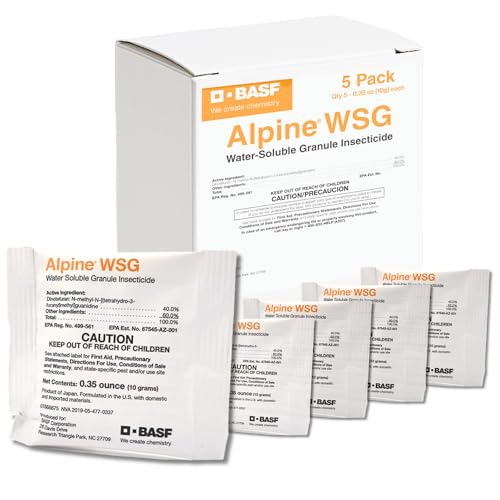
BASF Alpine WSG Insecticide, Soluble Granules, Indoor Outdoor Pest Control

TERRO Outdoor Liquid Ant Bait Stakes, 12-Pack, Ready-to-Use Ant Killer Trap

Syngenta 25001 Demon Max Insecticide

Ortho Orthene Fire Ant Killer1, 14 oz

TERRO Liquid Ant Killer Bait Stations, 12-Pack, Indoor Ant Traps, T300B

Catchmaster Defiant Liquid Ant Killer & Bait, Sugar Ant Traps Indoor
Taking A Closer Look At The Options
BASF Alpine WSG comes as a water-soluble granule that you mix into a spray, and that format gives you unusual reach for a homeowner product. The active ingredient, dinotefuran, is a non-repellent, which is a fancy way of saying carpenter ants don’t notice it and don’t avoid the treated zone, so they walk across it and carry the dose back to the nest.
Compared with the ready-to-use stations later in this lineup, Alpine is the pick when you want to treat a wide swath of structure quickly, from foundation perimeters to crawl space joists. You do need a pump sprayer and a little chemistry comfort, but for a homeowner staring down an active colony, that flexibility is worth the setup.
Everyday Wins
- Granule format lets you mix only what you need, so a single container stretches across multiple rooms or seasons.
- Non-repellent chemistry means ants keep foraging through the treated area, which is how colony transfer actually works.
- Works inside, outside, and on structures, so you can run one product around the whole foundation instead of juggling two.
- Compatible with common pump sprayers, and the dilution instructions are straightforward enough for a careful first-timer.
Things To Consider
- You need to buy a sprayer separately, which adds a small step compared with the pre-filled stations further down this list.
- Mixing concentration matters; a heavy-handed batch can leave residue on interior surfaces, so go light along baseboards.
- Storage of the leftover concentrate requires a cool, dry spot out of reach of kids and pets.
Key Specs
Who It Suits Best
A handy homeowner with a pump sprayer who wants to treat the whole foundation, garage, and any accessible crawl space in a single weekend.
Where Another Pick Suits Better
Pick the TERRO T300B indoor stations instead if you’d rather skip mixing and just place pre-filled traps along the kitchen baseboard.
TERRO Outdoor Liquid Ant Bait Stakes flip the usual bait station on its side: instead of a flat plastic disc, you get a slim stake you push into soil or gravel around the perimeter of your house. The 12-pack is sized for laying a continuous ring along a foundation, which is exactly how you intercept carpenter ants before they track indoors.
Where BASF Alpine treats the surface, these stakes feed the colony, and that difference matters in spring and fall when foragers are scouting for moisture. You also skip the sprayer, which makes this format friendlier for renters who can’t fog a yard.
The Helpful Details
- Ready-to-use format means you just tear the wrapper, push the stake into the ground, and walk away.
- 12 stakes per pack cover a typical suburban foundation with room to spare.
- Weatherproof build holds up through rain and morning dew for a few weeks at a stretch.
- Liquid bait matrix pulls in both sugar-feeding and protein-feeding ants, which broadens the catch.
Honest Caveats
- Designed for outdoor placement, so you’ll still want an indoor pick like the T300B for kitchens.
- Stakes can dry out in hot, exposed yards, so shaded spots along the drip line work best.
Made For
A homeowner who wants a low-effort perimeter ring around garden beds, patio edges, and the garage apron to cut off scouts at the door.
Skip It When
The Catchmaster Defiant system is a better match for someone who wants a single long-term indoor setup rather than outdoor stakes plus a separate interior product.
Demon Max is the heavyweight on this list. The label alone runs through more than two dozen target pests, and that breadth tells you what kind of household needs it: one with multiple problems at once, or a property with a recurring infestation that hasn’t responded to milder approaches.
Unlike the pre-filled TERRO stations earlier, Demon Max is a concentrate you dilute, and its low water solubility means it binds to treated surfaces rather than washing into soil. For a homeowner who has already tried bait stations without success, that staying power is often the deciding factor.
Where It Delivers
- Broad pest spectrum covers carpenter ants, termites, roaches, spiders, scorpions, and ticks in the same treatment pass.
- Long residual life, so a single application can keep working for weeks along a foundation.
- Low water solubility keeps the active ingredient on the surface where it was applied instead of leaching away.
Trade-Offs
- Concentrate format requires careful measuring and PPE, so it’s not the casual first-timer pick.
- Restricted-use style labeling in some regions, so check local rules before ordering.
- More product than most small homes need, which can feel like overkill for a single trail of ants in the kitchen.
Feature Snapshot
Best Suited To
An experienced DIYer or licensed pro dealing with a serious, multi-pest infestation along the foundation or in a crawl space.
Look Elsewhere When
The Ortho Orthene granules are a friendlier fire-ant-specific option for homeowners who want something simpler and pre-measured for yard mounds.
Ortho Orthene takes aim at fire ants specifically, and that focus shows up in the format: a dry granule you sprinkle directly onto and around the mound. Where the prior picks work gradually through bait transfer or surface residue, this one goes after the queen fast.
Most homeowners reach for Orthene after spotting a fresh mound in a lawn corner, which is also its sweet spot. The granules dissolve with morning dew or a light watering, so you don’t need any equipment beyond a watering can.
The Practical Payoff
- Dry granule format skips the sprayer and the measuring cup entirely.
- Targets the queen at the source, which is the only way to keep a mound from rebuilding in the same spot.
- One 14 oz bottle handles many mounds across a typical suburban yard.
Less Ideal Details
- Fire ant focused, so it won’t replace a carpenter ant strategy on its own.
- Granules work best on a calm, dry morning before the sprinklers run, which limits the window you can apply them.
Right Fit For
A homeowner with visible fire ant mounds popping up across the lawn who wants a fast, equipment-free treatment.
A Better Fit Elsewhere
Reach for the BASF Alpine concentrate if you’re dealing with carpenter ants tunneling into deck joists rather than fire ants in open turf.
The T300B is the indoor version of the TERRO bait system, and it’s the format most people picture when they say “ant trap.” You place the small plastic stations along baseboards, behind the toaster, and near the trash can, then wait for the slow-acting liquid inside to do the colony work.
Compared with the BASF concentrate and the Demon Max jug earlier, this is the lowest-friction option on the list. There’s no mixing, no sprayer, and the stations are small enough to tuck behind an appliance, which is exactly the spot a curious carpenter ant trail likes to follow.
Good Reasons To Consider
- Pre-filled stations mean zero prep; tear the wrapper and set them down.
- Liquid borax-based bait is slow-acting, so workers carry it back to the queen before they die.
- Low-profile design fits under cabinets and along the back edge of a countertop.
- 12-pack is enough to surround most kitchens and bathrooms with a complete barrier.
Small Caveats
- Replacing spent stations every couple of weeks adds a small recurring cost.
Quick Facts
Perfect Match For
A renter or first-time homeowner who wants an effective, no-equipment option for indoor trails along the kitchen and bathroom.
Not Your Match When
The Catchmaster Defiant stations are a better fit if you’d rather refill the same trap for a year instead of swapping disposables every few weeks.
The Defiant system is built for the long haul: a single 3.38 oz bait bottle plus four refillable stations that snap together into two covered traps. The covered design helps keep dust, pet hair, and curious fingers out of the bait, which is a real quality-of-life win in a busy kitchen.
Where the T300B earlier is a disposable station you toss when it’s empty, Defiant is a small piece of hardware you refill from the same bottle over and over. That swap is the whole pitch for anyone tired of buying new traps every month.
What Stands Out
- Refillable format turns one purchase into roughly a year of indoor coverage.
- Covered station design keeps the bait shielded from debris and household activity.
- Liquid bait matrix targets the whole colony rather than just the visible foragers.
- Stackable station pairs let you build a low-profile barrier along a baseboard.
Where It Is Less Suited
- Slower initial setup since you assemble and fill the stations before placing them.
- Best reserved for indoor trails, so you’ll still want an outdoor pick like the TERRO stakes for the yard perimeter.
Who Should Grab It
A homeowner who wants one durable indoor setup that lasts across multiple seasons without buying new disposable traps.
Reach For A Different Pick When
The TERRO Outdoor Liquid Ant Bait Stakes are a better choice for someone whose main concern is the perimeter and yard rather than indoor kitchen trails.
What Matters When Choosing Carpenter Ant Killer Indoors
Carpenter ant treatments fall into two camps, and picking the right one usually comes down to where the ants are and how visible the activity is. Surface sprays and concentrates work fast on contact but rarely reach a queen tucked inside a wall cavity. Bait stations work slowly but recruit the whole workforce, which is why pros often pair a perimeter spray with interior baiting rather than relying on either alone.
Moisture control matters more than most people expect. Carpenter ants don’t eat wood the way termites do; they hollow out damp, softened timber to build galleries, so fixing the leak under the sink or the clogged gutter goes a long way toward making any treatment stick. Replacing rotted sill plates and trimming vegetation back from siding removes the highway ants use to enter the home in the first place.
For indoor-only infestations, ready-to-use stations like the T300B give a first-timer the cleanest experience with no equipment and minimal exposure. For whole-home or severe cases, a professional-grade concentrate like Demon Max or Alpine gives you the reach and residual life to treat the foundation, garage, and crawl space in one coordinated pass, though the mixing and PPE add a learning curve.
Where Shoppers Go Wrong And When Paying More Pays Off
Common Buying Slip Ups
Treating the visible trail instead of the colony is the biggest miss. Spraying a line of ants along the baseboard kills the foragers you can see and may scatter the rest, but the satellite colony behind the wall keeps producing more. Bait stations solve this because workers carry the dose back to the queen before they die, which is why they tend to outperform sprays over a two-week window.
The other trap is ignoring moisture sources. Even the right product struggles in a bathroom with a slow leak, because damp wood keeps attracting new carpenter ants regardless of how many stations you place. A quick pass with a flashlight under the sink and around the window sill often reveals the real reason the problem keeps coming back.
Where The Extra Money Goes
Premium concentrates like BASF Alpine and Syngenta Demon Max cost more upfront because they cover more pests per ounce and hold up longer on treated surfaces. The upgrade pays off when you’re treating a whole structure rather than a single kitchen, when the infestation is severe, or when you want one product that handles ants, spiders, and wasps at the same time. For a small trail in one bathroom, that extra reach is usually more than you need, and a $10 tray of stations does the job just as well.
Frequently Asked Questions
How long does it take for carpenter ant bait stations to work? Most stations take several days to two weeks to noticeably drop activity, because workers have to find the bait, feed on it, and carry it back to the colony before the queen is affected.
Can I use outdoor ant stakes inside the house? Outdoor stakes are designed to shed weather and usually sit higher than indoor stations fit, so they’re a poor fit along baseboards and under cabinets, where most indoor trails run.
Do I need to leave the house after a perimeter spray? Ventilation and reentry timing depend on the product label, so always read the directions for the specific concentrate, keep kids and pets away during application, and follow the listed reentry interval.
Why do ants keep coming back after I spray them? A surface spray kills the foragers you see but rarely reaches the queen, so the colony repopulates the trail in a few days. Pairing a perimeter spray with interior bait stations breaks that cycle.
When should I call a pest professional instead? If activity continues for more than a few weeks despite bait and perimeter treatment, or you spot sawdust-like frass near baseboards, a pro can locate the satellite colony and treat the wall cavity directly.
Wrap Up
A solid carpenter ant plan usually pairs a perimeter treatment outside with slow-acting bait stations inside, and the six picks above cover both halves of that equation without forcing you into a single chemistry. Match the format to your home and your comfort level, and most small infestations clear up in a couple of weeks with steady placement and a quick check for the moisture source that’s drawing them in.