
Carbon hunting arrows earn their spot in nearly every serious archer’s quiver for good reason. They fly flatter, hold up to rough handling in the field, and shrug off the moisture that wrecks wood and aluminum. The challenge is sorting through dozens of shaft brands and spine ratings to find what actually fits your draw weight, bow setup, and hunting style. Below are six solid carbon options worth weighing before your next range session.
Your Options, Compared

Black Eagle Carnivore Shafts (One Dozen)

Easton Axis Pro Shafts 300 1 doz.

Easton Axis 5mm Carbon Shafts with HIT Inserts

Easton Carbon Legacy Arrows 500 with 4″ Feathers (6 Pack)
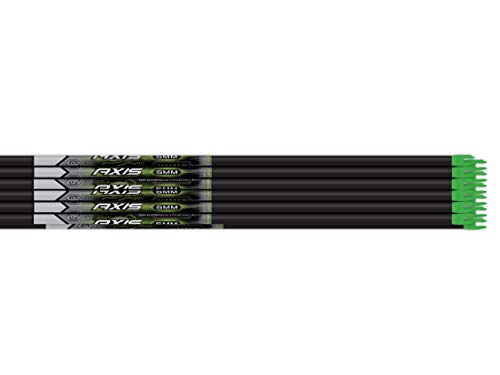
Easton Shaft Axis Carbon 300 HT (Dozen)

Ballista Fractura Hunting Micro Diameter Arrows 6-Pack
Taking A Closer Look At The Options
Black Eagle’s Carnivore line has earned a quiet following among bowhunters who want a standard-diameter shaft without giving up consistency. The standard diameter profile (a wider cross-section than micro arrows like the Easton Axis 5mm) means more surface contact in the target and slightly more wind drift at long range, but also more visual mass on game animals, which some shooters find reassuring.
For 3D archers running a mid-weight compound or a moderately tuned recurve, the Carnivore’s range of offered spines (250 through 400) gives room to match almost any draw weight without resorting to cut-to-length tricks. You’ll want to verify your exact spine requirement with a spine chart before committing, since switching setups later means new shafts.
Key Advantages
- Straightness rated at .001″ or better for tight grouping at typical hunting distances
- Multiple spine options (250, 300, 350, 400) cover most adult compound and recurve setups
- Standard diameter offers forgiveness for shooters still dialing in their form
- Nocks and inserts ship with the dozen, so you can start building arrows right away
Things To Consider
- Standard diameter catches more crosswind than the micro arrows below, so long-range flatness suffers
- Weight tolerance can vary between batches, which matters for shooters tuning spine-to-weight matches across multiple arrows
Feature Snapshot
Who It Suits Best
Hunters and 3D shooters who run a standard-diameter setup and want a dependable shaft they can tune to their draw weight without venturing into micro-arrow territory.
Consider Something Else When
Long-range hunters chasing flatter trajectory should look at the Ballista Fractura Hunting Micro Diameter Arrows for less wind drift downrange.
The Axis Pro takes the proven 5mm Axis platform and tightens the spec window for shooters chasing tournament-level consistency. The 300 spine here suits mid-weight hunting compounds in the 60 to 70 pound range, and the small-diameter profile channels kinetic energy (the forward momentum a moving arrow carries) into a tighter frontal area.
Where the standard Carnivore loses some energy to friction on broadhead pass-through, the Axis Pro’s slimmer cross-section resists drag better, which matters when you’re pushing fixed-blade heads through heavy bone on elk or hog. The pre-installed X nocks and 8-32 HIT inserts save a tedious evening at the workbench.
Positive Points
- Match-grade straightness keeps groups tight from the practice range to the field
- 5mm micro profile delivers noticeably deeper broadhead penetration on thick hide
- High-strength carbon composite resists cracking on hard impacts with rocks or tree stands
- Pre-installed components mean your dozen is build-ready the moment it arrives
Points To Note
- 300 spine locks you into a fairly specific draw-weight window, so swapping bows means buying again
- 5mm shafts can snap on hard rock strikes more readily than standard-diameter arrows, especially in dry terrain
- Smaller diameter requires broaderheads designed for thin shafts, an easy oversight for first-time buyers
Made For
Serious bowhunters running mid to heavy draw weights who chase big game and want match-grade consistency without handpicking each shaft.
Look Elsewhere When
Traditional archers wanting a heritage look should consider the Easton Carbon Legacy Arrows 500 with 4″ Feathers, which pair classic fletching with modern carbon construction.
Before the Axis Pro arrived, there was the Axis 5mm, and it remains a workhorse for budget-conscious hunters who still want micro-diameter performance. Easton’s Acu-Carbon construction (a uniform fiber layup process that keeps spine values consistent from shaft to shaft) gives these arrows the predictability you’d expect from a more expensive match-grade set, just without the tighter inspection window.
The micro profile concentrates the arrow’s forward momentum into a smaller frontal area, which translates to flatter trajectories at 40 and 50 yards compared to the Black Eagle Carnivore. You’ll find these unfletched, so plan on adding vanes, a fletching jig, and fletching glue before they’re range-ready.
Everyday Wins
- 5mm micro profile punches deeper through broadhead channels than standard diameter
- Uniform carbon layup delivers predictable spine from arrow to arrow across the dozen
- Compatible with the Easton HIT insert system, widely available and easy to replace in the field
- Proven platform with years of hunting field reports behind the design
Honest Caveats
- Arrives unfletched, so add fletching supplies to your order or budget extra build time
- Less exacting straightness spec than the Axis Pro above, so groups at 60+ yards may open slightly
- Thin wall demands careful broadhead selection to avoid tuning headaches
Spec Overview
Right Fit For
Whitetail and elk bowhunters who want micro-diameter penetration and don’t mind investing an evening in fletching their own arrows.
A Better Fit Elsewhere
Shooters who want a ready-to-shoot dozen with no bench work should step up to the Easton Axis Pro Shafts 300, which ships with nocks and inserts already installed.
The Carbon Legacy is what happens when Easton lets its heritage division take the wheel. Wood-grain carbon finish, hand-fletched 4-inch helical feathers in red, white, and yellow, and a classic silhouette that looks like it stepped out of a 1960s archery catalog. The 500 spine targets lighter draw weights, traditionally tuned recurves, and longbow shooters who care about arrow aesthetics as much as arrow performance.
Functionally, this is still a modern carbon shaft, so you get the durability and weather resistance wood lacks. The trade-off is speed: feathers add drag, so you give up some flat trajectory compared to the Easton Axis 5mm, and the 500 spine limits you to draw weights around 40 to 50 pounds for clean flight.
What It Does Well
- Wood-grain cosmetic finish pairs the look of cedar with the durability of carbon
- Hand-applied 4-inch helical feathers provide smooth, quiet arrow flight off traditional bows
- White-dipped nock ends improve visibility on dark targets and in low light
- Modern carbon core shrugs off moisture and humidity that warps wood arrows
Small Caveats
- Feather fletching wrecks easily in brush or hard ground, so carry extras on long hunts
- 500 spine caps your draw weight options and won’t suit heavy-compound shooters
- Six-arrow pack is a smaller quantity than the dozens elsewhere, which adds up for volume shooters
Who Should Grab It
Traditional bowhunters and recurve shooters who value heritage aesthetics and quieter arrow flight over flat trajectory.
Skip It When
Speed-focused compound bowhunters should turn to the Ballista Fractura Hunting Micro Diameter Arrows for a faster, sleeker profile.
The Axis 300 HT is the bare-bones sibling of the Axis 5mm above, stripped of components and offered as raw shaft material for shooters who fletch everything themselves. If you run a custom wrap-and-fletch setup, want to match a specific vane profile, or buy arrows in bulk to cut down, this is the format you want.
Unlike the Axis Pro reviewed earlier, this version ships without nocks, inserts, or vanes. That makes the upfront work higher, but it also means you’re not paying for components you’ll replace anyway. Bowhunters with a dedicated arrow shop already set up at home will appreciate the streamlined packaging.
Notable Upsides
- Bare-shaft format saves cost on components you’d replace anyway
- Compatible with the same HIT insert and X nock ecosystem as the rest of the Axis line
- Ideal for bulk buyers cutting and fletching their own batches
- Proven Axis carbon platform with a long track record in hunting camps
A Few Limitations
- No vanes or nocks means a longer path from box to range, plan for an evening of build work
- Not the right pick for first-time builders who don’t yet own a fletching jig
Best Suited To
DIY arrow builders and experienced bowhunters who already have fletching gear at home and prefer to build their setups from bare shafts.
Reach For A Different Pick When
Newcomers to arrow building should consider the Easton Axis 5mm Carbon Shafts instead, which arrive unfletched but closer to build-ready.
Ballista positions the Fractura as a faster-flying alternative to standard-diameter hunting arrows, and the 6mm outer diameter delivers noticeably flatter trajectory in open country. Where the Easton Axis 5mm shrinks to micro-class dimensions, the Fractura stays just slightly thicker, which gives it a touch more structural resilience on rocky terrain without sacrificing much in drag reduction.
The 30-inch finished length and broad spine range (300 through 500) make this set adaptable to both compound and recurve setups, depending on how you cut and tune. Hunters chasing pronghorn in open plains or mulies in the Rockies will appreciate the flatter arc at 50 and 60 yards compared to the Black Eagle Carnivore’s standard profile.
A Few Highlights
- 6mm micro diameter reduces wind drift compared to standard shafts in crosswind conditions
- Broad spine range covers both compound and recurve shooters in one product line
- 30-inch cut length suits many ready-to-shoot setups without additional trimming
- Carbon construction handles moisture and rough field conditions well
Trade-Offs To Consider
- Six-pack quantity is smaller than the dozens from Black Eagle or Easton, so the per-arrow cost climbs
- Limited published straightness data compared to Easton’s match-grade offerings, so tightest groups may not match
- Newer brand means fewer long-term field reports to draw from when sizing up durability
Feature Card
Perfect Match For
Western big-game hunters and long-range shooters who push arrows past 50 yards in open country and want less wind drift than standard-diameter shafts offer.
Where Another Pick Suits Better
Traditional archers wanting a heritage aesthetic should consider the Easton Carbon Legacy Arrows 500 with 4″ Feathers for a quieter, classic-feeling arrow flight.
What Matters Most When Picking Carbon Hunting Arrows
Spine Match To Draw Weight
Spine is the arrow’s resistance to bending, and a mismatched spine is the fastest way to ruin accuracy. A shaft that’s too stiff flies with a weak nock end and porpoises (a wavy, fish-like wobble mid-flight). A shaft that’s too soft arcs around the riser and groups inconsistently. Most bow manufacturers publish a spine chart, so start there before choosing between, say, a 250 and a 400.
Diameter And Drag
Standard-diameter arrows (around 8 to 9mm) are forgiving and tough, but they catch more wind. Micro-diameter shafts in the 5 to 6mm range trade some structural resilience for flatter trajectory and better broadhead penetration. If you’re hunting open plains or windy ridge country, the trade is usually worth it.
Straightness And Weight Consistency
Match-grade straightness ratings of .001″ or better give the tightest groups. For typical hunting ranges under 40 yards, a .003″ or .006″ rating often performs well enough. Weight consistency matters just as much: a dozen of arrows all weighing the same within a grain or two will fly more predictably than a mismatched set.
Fletching Format
Vanes and feathers each have a personality. Vanes tolerate weather and rough handling better, while feathers produce quieter flight and stabilize wooden and traditional arrows more reliably. Traditional bowhunters gravitate toward feathers, compound hunters usually run vanes. Your bow’s rest type also nudges the choice: some blade-style rests demand a specific vane profile.
Navigating The Carbon Arrow Market
Common Shopping Slip Ups
Many first-time buyers skip the spine chart and grab whatever’s on the shelf, then wonder why groups scatter at 30 yards. Others over-buy on straightness rating when their bow’s tuning window won’t reveal the difference. Buying a dozen before testing a single shaft from the same lot is a common mistake, since spine consistency varies batch to batch even within the same model.
What The Higher Tier Buys
Premium-priced carbon arrows typically deliver tighter straightness tolerances, more consistent spine matching across the dozen, and sometimes proprietary insert systems. For most whitetail hunters shooting inside 40 yards, mid-tier shafts perform just fine. The upgrade earns its keep when you’re pushing 60-yard shots on smaller targets or chasing match-grade accuracy in competition.
Frequently Asked Questions
What spine carbon arrow do I need for a 70-pound draw?
Most 60 to 70 pound compound shooters land in the 300 to 340 spine range, though bow style and arrow length shift the exact recommendation. Always cross-reference your specific bow’s spine chart before committing.
Are micro-diameter arrows harder to tune?
Slightly, because small errors in broadhead alignment show up more in flight. They also demand broadheads matched to thin shafts, so budget for compatible fixed-blade or mechanical heads when switching from standard diameter.
Do carbon arrows last longer than aluminum?
Carbon shafts resist corrosion, handle moisture better, and generally outlast aluminum in humid hunting environments. They can crack on hard impacts with rocks, though, so inspect them after any questionable hit.
Should I buy pre-fletched or bare shafts?
Pre-fletched arrows get you shooting faster, while bare shafts let you customize vane profile, weight, and wrap design. Beginners usually prefer pre-fletched; experienced builders often prefer bare.
How many arrows should I pack for a hunt?
Most bowhunters carry six to twelve arrows, with extras in the pack in case of lost or damaged shafts. Three is the bare minimum for a single hunt; fewer leaves little margin for a bad hit or a wrong-range yardage.
Wrap Up
The right carbon arrow depends on your bow setup, draw weight, and the kind of hunting you do most. Western big-game hunters chasing long shots get the most from micro-diameter shafts like the Ballista Fractura or Easton Axis 5mm. Traditional archers will feel at home with the Carbon Legacy. And if you want a versatile, all-around workhorse, the Black Eagle Carnivore covers most setups without fuss. Match the spine, check the straightness, and you’ll spend more time shooting and less time guessing.