
Car camping means you can haul real gear, and that opens the door to bags that backpackers would call overkill. The trade-off is fit, warmth, and durability rather than packed size, so the right pick depends on how cold your nights run, how much room you like inside the bag, and how often you want to wrestle a heavy sack into a trunk. This roundup covers five options that handle different temperatures, body sizes, and budgets without overpromising comfort they cannot deliver in a real tent.
The Shortlist At A Glance
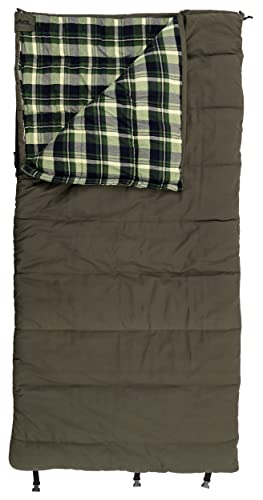
ALPS OutdoorZ Redwood -25 Sleeping Bag
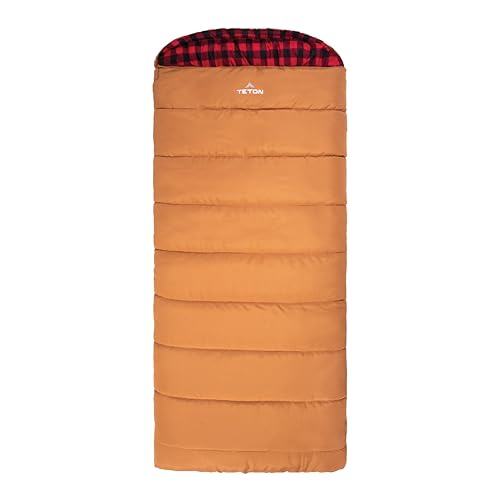
TETON Sports Deer Hunter Sleeping Bag

Stephen Joseph Toddler Nap Mat (Camo)

GHILEO Camo Poncho Liner Blanket
TANSTRIDER 4 Season Camping Sleeping Bag
Inside Each Recommended Option
The Redwood earns its spot as the deep-cold specialist in this roundup, pairing a -25°F rating with an oversized rectangular cut that fits tall folks and side sleepers without the squeeze of a mummy hood. Compared to the TANSTRIDER option below, this one trades compact packing for serious thermal headroom, which matters more when the temperature drops well below freezing. Car campers who run a propane heater or park under wind cover get a bag that does not flinch when the mercury falls.
For most winter trips, the Techloft fill, a synthetic insulation built from hollow micro-denier fibers that trap warm air while shedding weight, holds its own through long, still nights. The shape also lets you zip two bags together for couples, a rare feature on bags rated this cold.
A Few Highlights
- Genuine sub-zero rating keeps most users warm without auxiliary blankets
- Rectangular cut fits broad shoulders and tall frames comfortably
- Machine-washable shell makes post-trip cleanup straightforward
- Compatible pairing zippers allow two bags to join into one large bed
Honest Caveats
- Bulk and packed size fill a significant chunk of trunk space
- Synthetic fill is heavier than down alternatives at the same temperature rating
- Less suited for backpackers carrying weight on foot
Key Specs
Made For
Car campers chasing shoulder-season elk or running a base camp above the snow line who need rated warmth over packed size.
Swap It Out When
Warmer trips suit the TANSTRIDER 4 Season Camping Sleeping Bag, whose lighter weight and machine-washable shell fit three-season use better.
TETON’s Deer Hunter leans into durability with a poly-cotton canvas shell that shrugs off the kind of abuse a truck-bed base camp dishes out. Where the ALPS Redwood fights cold with heavy insulation, this one fights wear with a tough outer fabric that lasts through seasons of hunting camps and muddy trailheads.
Inside, synthetic fiber fill, a man-made loft material that mimics down’s heat retention without the same sensitivity to moisture, keeps the bag rated below freezing without the sticker shock of premium down. The mummy hood cinches tight for cold nights, and the bag opens flat for use as a blanket around a campfire, useful for those evenings when nobody wants to crawl inside yet.
A Favorable Mix
- Canvas shell tolerates rough handling and repeated stuffing
- Opens flat as a blanket for campfire seating
- Below-freezing rating covers most shoulder-season trips
- Synthetic fill performs reliably in damp conditions
Trade-Offs
- Canvas adds noticeable weight versus nylon shells
- Heavier packed size limits mobility for any walking trips
- Less packable than the TANSTRIDER option for tight trunks
Right Fit For
Hunters and cold-weather regulars who park at a trailhead and need a bag that can take years of hard use.
Reach For A Different Pick When
Travelers wanting a lighter, flatter blanket to stash as a trunk backup should look at the GHILEO Camo Poncho Liner Blanket.
The Stephen Joseph nap mat is the odd one out in a car-camping roundup, and that is exactly the point. Parents running family road trips need a child-sized rest option that folds flat, carries with a handle, and survives a wash cycle without falling apart. This one checks those boxes without pretending to be a winter sleeping bag.
The attached blanket and removable pillow make setup quick at rest stops, daycare-style naps on grandma’s floor, or quiet afternoons in a tent. The all-in-one design avoids the lost-pillow problem that plagues multi-piece travel sets, and the front pocket stashes a small stuffed friend for the trip.
What Pays Off
- Connected design keeps pillow and blanket together
- Carry handle suits small hands at airports or rest stops
- Removable pillow simplifies laundering
- Lightweight build fits in a diaper bag or backpack
Points To Keep In Mind
- Not rated for cold-weather camping
- Best for daytime naps and indoor use rather than overnight trips
Whose Shelf It Belongs On
Parents of toddlers needing a portable, washable rest mat for daycare, preschool, or short family road trips.
Consider Something Else When
Adults or older kids needing real overnight warmth should pick the TANSTRIDER 4 Season Camping Sleeping Bag for roomier, weather-rated coverage.
The GHILEO poncho liner blurs the line between blanket and sleeping bag, and that flexibility is the whole pitch. Two nylon layers sandwich polyester batting, a soft, quilted filling that traps warm air without bulk, so it pulls double duty as a wrap on chilly evenings and a layer inside a lighter sleeping bag on cold nights.
The compression sack shrinks it down small enough to live in a glove box, which makes it useful as an emergency layer when weather shifts faster than the forecast. For car campers packing light or keeping a backup in the trunk, the hybrid form factor earns its place.
Strengths Worth Knowing
- Functions as blanket, wrap, or sleeping bag insert
- Compression sack reduces packed size substantially
- Quilted construction holds up to repeated machine washing
- Lightweight enough for casual hiking days
Small Limitations
- Not a standalone cold-weather bag for freezing nights
- Less structured than traditional mummy or rectangular bags
Built With In Mind
Campers who want a flexible layer for shoulder-season trips or emergency trunk storage without hauling a full bag.
A Better Fit Elsewhere
Anyone facing real overnight cold should reach for the TETON Sports Deer Hunter Sleeping Bag for dedicated warmth.
The TANSTRIDER rounds out the list with a generous rectangular cut, 86.6 by 31.5 inches, that fits adults, teens, and older kids without the squeeze of a mummy profile. The flat-open design doubles as a blanket or indoor mat, which makes it useful well beyond a single camping trip.
Rated for three to four season use, it covers the bulk of car-camping conditions without the bulk of a true winter bag. The included compression sack keeps storage simple, and the machine-washable shell means muddy weekends do not become permanent stains.
Points In Its Favor
- Wide dimensions fit broader shoulders and restless sleepers
- Converts to a blanket for lounging around camp
- Compression sack keeps it manageable in a trunk
- Machine-washable fabric simplifies post-trip cleanup
Worth Noting
- Water resistance handles light moisture, not heavy rain
- Less efficient than mummy bags below freezing
Quick Facts
Best Suited To
Three-season campers who want one bag that handles car trips, sleepovers, and backyard nights without specialization.
Where Another Pick Suits Better
Sub-zero hunters and winter base campers get more reliable warmth from the ALPS OutdoorZ Redwood -25 Sleeping Bag.
Picking The Right Bag For The Way You Camp
Matching a sleeping bag to your trips matters more than chasing the coldest temperature rating on the shelf. A true winter bag burns trunk space and weight that a summer car camper never needs, while a featherweight summer bag leaves you shivering once autumn arrives.
Temperature Rating And Real Conditions A bag’s temperature rating, the lowest air temperature at which the bag keeps an average sleeper warm, sets the baseline, but real-world performance shifts with humidity, wind exposure, and sleepwear. Synthetic insulation handles damp air better than down, an important edge for campers near lakes or coastal fog. The ALPS Redwood covers sub-zero nights while the TANSTRIDER handles cool-to-cold three-season trips without overheating.
Shape, Size, And Sleep Style Rectangular bags give side sleepers and broad-shouldered campers room to shift without compressing insulation. Mummy bags trade that space for better thermal efficiency by hugging the body. If you tend to toss and turn, the rectangular TANSTRIDER or oversized Redwood fits better than a tight mummy profile.
Shell Material And Long-Term Care Polyester shells wash easily and resist light moisture, while canvas like the TETON Deer Hunter tolerates abrasion but adds weight. Machine-washable construction saves time after muddy weekends, and a compression sack keeps the bag manageable between trips.
Mistakes Worth Dodging And Where The Extra Money Goes
Where Shoppers Go Wrong
The most common slip is buying a bag rated far colder than you need, then hauling the extra weight and bulk for nothing. On the flip side, picking the lightest three-season bag for a winter trip leaves you layering blankets all night. Match the rating to your lowest typical trip temperature, not the worst-case fantasy scenario.
Another pitfall is ignoring shell material. A glossy nylon shell feels light in the store but tears on a rocky tent floor, while a canvas shell feels heavy but outlasts several bags made of lighter fabric. Think about how you actually use the bag, then choose accordingly.
What The Higher Tier Buys
Spending more typically buys lower temperature ratings, better fill materials, and tougher shells. The ALPS Redwood commands more because the -25°F rating requires serious insulation that lighter bags simply do not carry. Canvas shells like the TETON Deer Hunter cost more because the fabric itself is heavier and more durable than basic nylon.
Premium pricing also covers details that matter over time: pairing zippers, reinforced stitching, and compression sacks that actually shrink the bag small enough for a tidy trunk. For occasional summer camping, a basic bag handles the job. For year-round trips and hard use, the upgrade tends to earn its keep.
Frequently Asked Questions
What temperature rating do car campers actually need? Most three-season trips work well with a bag rated to about 20°F, while winter trips below freezing need ratings of 0°F or lower for comfortable sleep.
Can I use a backpacking sleeping bag for car camping? Yes, but you trade trunk space for lighter packed weight, which rarely matters when the bag lives in a car rather than a backpack.
How do I clean a car camping sleeping bag? Most synthetic bags machine wash on a gentle cycle with mild detergent, then air dry thoroughly to prevent mildew and clumped insulation.
Are rectangular bags warmer than mummy bags? No, mummy bags are typically warmer because the close fit reduces air pockets that need heating, while rectangular bags trade warmth for room to move.
What is a compression sack used for? It straps the bag down to a fraction of its lofted size, making transport and storage easier when trunk space is tight.
The Takeaway
The right car camping sleeping bag matches the nights you actually camp, not the coldest week on the calendar. For winter base camps, the ALPS Redwood earns its weight. For hunters chasing durability, the TETON Deer Hunter holds up year after year. For shoulder-season trips and family use, the TANSTRIDER, GHILEO, and Stephen Joseph options each handle a specific niche without overpromising. Match the bag to your climate, sleep style, and storage space, and the rest falls into place.