
Car camping removes a lot of the weight-and-speed calculus that haunts backpackers. Your pad can be thick, supportive, and genuinely comfortable without earning suspicious looks from ultralighters. The trick is matching a pad to the kind of nights you actually take: weekend tailgates, month-long van trips, family SUV setups. This list focuses on pads that turn a car trunk or back seat into a bed worth looking forward to, with options for solo sleepers, couples, and anyone who wants better-than-home comfort after a long drive.
A Quick View Of The Lineup

Teton Outfitter XXL Sleeping Pad for Cot, Extra Thick Camping Mattress

LLUAII Self Inflating Sleeping Pad with Electric Pump 4″ Thick

Pretyw Ultralight Camping Sleeping Pad with Built-in Foot Pump
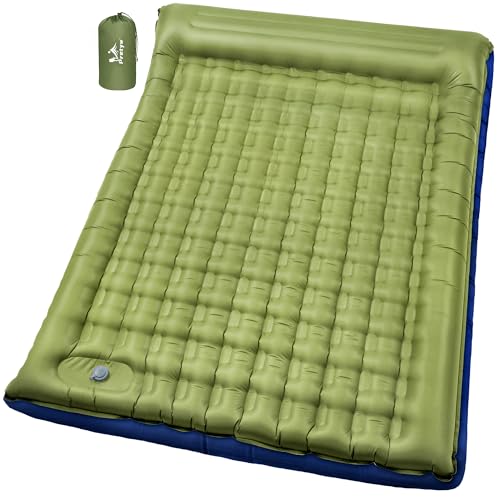
Pretyw Double Camping Pad 5.5″ Ultra-Thick with Foot Pump

Pretyw Double Camping Sleeping Pad with Foot Pump
Taking A Closer Look At The Options
The Teton Outfitter XXL earns its spot at the top because it skips the inflatable entirely. It’s a roll-up foam mattress wrapped in poly canvas, which means no pump, no leaks, and no middle-of-the-night air top-offs. For folks who already own a camp cot and want to add real cushioning, this pad drops right on top and adds noticeable loft.
Car campers who keep a cot stashed in their SUV tend to love how foolproof this design is. You unroll it, you sleep, you roll it back up. Compared to the air-based picks lower in this list, the trade-off is bulk when packed, but the foam holds its shape year after year.
Reasons It Performs
- 2.5 inches of foam creates a soft landing that handles side sleepers and restless kids.
- Slip-resistant loops keep the pad anchored to a cot frame overnight.
- Zero mechanical parts means nothing to puncture, leak, or replace.
- Poly canvas shell wipes clean after muddy weekends and dog hair.
- Rolled footprint slips easily behind a truck seat or in an SUV cargo bay.
Things To Consider
- Bulkier than inflatable pads when packed, so trunk space matters.
- Foam comfort feels firm at first and softer after a night of body heat molding.
Right Fit For
You already own a camp cot, want zero-setup bedding, and need a pad that survives years of family trips.
Look Elsewhere When
You want the LLUAII self-inflating pad instead, since it offers thicker cushioning with electric inflation for hands-free setup.
The LLUAII pad brings something rare to the car camping category: a built-in electric pump. One button and the mattress fills itself in roughly a minute, which feels almost luxurious after a long drive. The 4-inch foam-and-air construction adds serious loft compared to the 2.5-inch Teton above.
A 9.5 R-value signals strong insulation, meaning cold ground loses its bite on shoulder-season trips. Sleepers who camp in early spring or late fall will appreciate how much warmth the foam layer traps. Versus the Pretyw pads later in this list, the LLUAII trades foot-pump simplicity for hands-free inflation.
Where It Excels
- Integrated electric pump removes manual effort, great after a full day behind the wheel.
- 9.5 R-value handles chilly nights where thinner pads would feel drafty.
- Built-in pillow saves packing space in tighter car setups.
- 4 inches of loft cushions hips and shoulders well for side sleepers.
Worth Noting
- Vacuum packaging means a first-time inflation requires patience and a 30-minute rest before full loft.
- Electric pump relies on a charged battery, which needs monitoring on multi-day trips.
Who Should Grab It
You camp in cold weather, value effortless setup, and want thicker insulation than most foam pads offer.
Consider Something Else When
You’d rather inflate by foot and skip battery management, in which case the Pretyw Ultralight pad is a lighter, simpler choice.
The Pretyw Ultralight pad leans into small-pack convenience. At 79 by 27.5 inches, it gives a single sleeper a generous surface without hogging cargo space, and the built-in foot pump means no extra gear to lose. You step, you inflate, you sleep.
Solo travelers bouncing between tent sites and back-seat setups will find this pad surprisingly versatile. The 4-inch thickness handles side sleeping better than older 2-inch designs, though it can’t match the LLUAII’s high R-value for cold weather. Compared to the bulkier double pads below, this one prioritizes mobility.
What Works In Its Favor
- Foot pump setup takes roughly a minute and needs no batteries or mouth work.
- Integrated pillow cuts down on extra packing for minimalist travelers.
- Outdoor-rated fabric holds up to dirt, pine needles, and damp ground.
- Rolls small enough to slide behind a front seat or in a trunk corner.
Trade Offs
- 27.5-inch width feels narrow for anyone who tosses, turns, or sleeps with a dog.
- 4-season cold-weather trips may feel drafty compared to the LLUAII’s higher R-value.
Best Suited To
You travel solo, want the smallest packed footprint, and prefer foot-pump simplicity over electric inflation.
A Better Fit Elsewhere
Couples should skip this in favor of the Pretyw Double Camping Pad 5.5″ Ultra-Thick, which provides much more surface area for two sleepers.
The Pretyw Double pushes thickness further than anything else in this lineup. At 5.5 inches of loft and 78 by 54 inches of surface, it borders on residential mattress territory. Couples sleeping in the back of a station wagon or SUV get a level of cushion that older inflatable pads rarely matched.
The trade-off shows up in size: fully inflated, this pad eats serious cargo real estate. Most folks leave the back seats folded flat and dedicate the space. Foot-pump inflation keeps setup simple, and the built-in pillow means less stuff to pack.
Features That Help
- 5.5-inch thickness handles side sleepers and restless partners without bottoming out.
- 78 by 54-inch footprint sleeps two adults with room for a kid or dog between them.
- Built-in foot pump skips batteries and keeps setup to a couple of minutes.
- Integrated pillow saves space in tighter packing situations.
Room For Improvement
- Full inflation requires a serious foot workout, which gets tiring after late drives.
- Inflated size demands a flat cargo area, so smaller hatchbacks may struggle.
Key Specs
Made For
You travel with a partner, want the thickest possible cushioning, and have a vehicle with enough flat cargo space.
Skip It When
You camp solo and want easier packing, in which case the Pretyw Ultralight pad handles single sleepers with much less bulk.
The second Pretyw double rounds out the list with a slightly slimmer, friendlier take on two-person sleeping. At 78 by 54 inches and 4 inches thick, it sits between the solo Pretyw above and the 5.5-inch flagship. Families with kids or a dog appreciate the shared surface without going full residential-mattress depth.
For weekend trips with a partner and a small child, this pad creates one continuous sleep surface rather than juggling multiple pads. The foot pump keeps setup mechanical and reliable, though full inflation still takes a few minutes of effort.
Strengths Worth Knowing
- 4-inch thickness balances comfort and packability better than thicker doubles.
- One-piece design eliminates the gap that separate pads create between sleepers.
- Built-in pillow gives both sleepers head support without extra gear.
- Outdoor-rated fabric shrugs off dirt and dries quickly between trips.
A Few Limitations
- Thinner than the 5.5-inch Pretyw double, so restless sleepers may feel the ground more.
- Foot-pump inflation is slower than electric, which matters after long driving days.
Whose Shelf It Belongs On
You camp with family or pets, want one shared sleep surface, and prefer simpler foot-pump inflation over electric.
Another Choice May Suit
You want maximum cushioning for two adults, in which case the Pretyw Double Camping Pad 5.5″ Ultra-Thick delivers noticeably more loft.
Picking The Right Pad For Your Trips
Thickness And Loft Matter More Than You’d Think
The single biggest comfort upgrade in a car camping pad is thickness. Anything under 2 inches feels like a thin yoga mat over hard ground, while 4 inches and up starts to feel mattress-like. Thicker pads also insulate better because there’s more material between your body and cold ground.
For most weekend car campers, 4 inches hits the sweet spot. Solo sleepers on harder budgets can manage with thinner pads, while couples and side sleepers usually want 5 inches or more.
R-Value And Seasonal Use
R-value measures insulation, with higher numbers meaning more warmth from the ground. Summer-only campers can ignore it entirely, but anyone camping below 50°F should pay attention. A pad with an R-value under 2 will feel noticeably cold even with a warm sleeping bag.
If shoulder-season trips are on your calendar, look for pads with R-values in the 3 to 4+ range. The LLUAII in this list stands out for cold-weather use.
Inflation Style And Convenience
Self-inflating pads handle most of the work themselves, while pure air pads need pumps. Built-in foot pumps are fast and battery-free but require effort. Electric pumps are hands-free but need a charged battery and add weight.
Your setup routine drives this choice. Late arrivals and tired drivers usually appreciate electric or self-inflating designs. Campers who pack light and move often may prefer the simplicity of foam.
Key Considerations Across These Picks
Common Shopping Slip Ups
The biggest mistake is buying a pad that’s too narrow for your sleep style. Single pads under 25 inches wide feel restrictive, especially for restless sleepers. Another trap is overestimating cold tolerance. A 2-inch summer pad will feel painfully cold once nighttime temperatures drop, regardless of how warm your sleeping bag is.
Where The Extra Money Goes
Higher-priced pads typically add thicker foam layers, stronger outer fabrics, and better insulation. You also get features like electric pumps or built-in pillows that cheaper pads skip. For weekend trips in mild weather, mid-range pads deliver most of the comfort. For cold trips or shared family sleeping, the upgrade genuinely pays off in better rest.
Frequently Asked Questions
How thick should a car camping sleep pad be?
Aim for at least 3 inches for casual comfort and 4 inches or more if you sleep on your side or want mattress-like cushioning.
Are self-inflating pads good for cold weather?
Only when their R-value is high enough. A pad’s R-value matters far more than inflation style for keeping ground cold at bay.
Can two adults sleep on a double camping pad comfortably?
Yes, when the pad is at least 50 inches wide and 4 inches thick, which both Pretyw doubles in this list provide.
Do built-in foot pumps wear out over time?
Plastic foot pumps can crack with heavy use or cold storage, so treating them gently and storing the pad loosely folded extends their lifespan.
Is foam or inflatable better for car camping?
Foam pads are more durable and never deflate, while inflatable pads pack smaller and feel plusher. Your vehicle space and trip style drive the choice.
Bottom Line
The right pad turns a cramped car into a bed you actually look forward to sleeping in. Match thickness and R-value to your typical weather, width to your sleep style, and inflation method to your patience for setup. Any of these five picks will get the job done well, so the best one is simply the one that fits how you camp.