
Sleeping in the back of an SUV or pitching a tailgate awning sounds romantic until you’re thirsty, cold, and digging through a black hole of gear. The right setup turns a restless night into a genuine escape. After sorting through countless options, these seven picks cover safety, hydration, hot drinks, shelter, and overhead storage. Each one earns its place in a thoughtful kit, and the mix works for weekend warriors and full-time van lifers alike.
The Shortlist At A Glance

Prepared Hero Emergency Fire Blanket 39 x 39 in
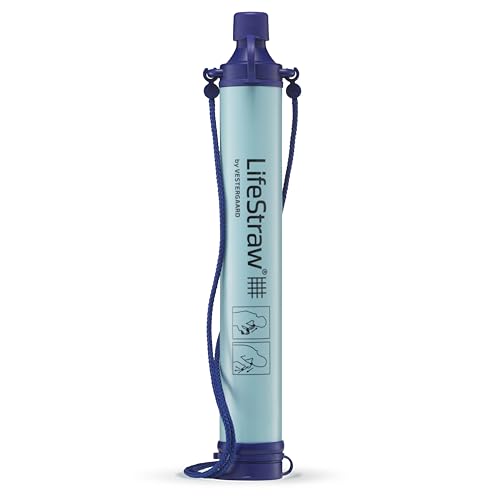
LifeStraw Personal Water Filter Blue 1PK

YETI Rambler 30 oz Tumbler High Desert Clay

HASIKA SUV Tailgate Tent 2-Person Awning
Kaskawise Car Ceiling Cargo Net 31.5×21.6 in

Kaskawise Cargo Net 3 and 4 Handle Vehicles
Kaskawise Ceiling Cargo Net 31×21 in
The Strengths Of Each Pick
Car camping usually means campfires, camp stoves, or both, which is exactly why a fire blanket earns a permanent spot in your kit. The Prepared Hero blanket measures 39 by 39 inches, large enough to drape over a small flare-up or wrap around a hand reaching for a hot grate. Pull tabs on the pouch let you deploy it in seconds, which matters when the moment counts.
For most weekend travelers, the honest read is that a fire blanket feels redundant until the day it isn’t. Stash it near the cooking area, not buried in the trunk, and you’ll actually use it.
Positive Takeaways
- Woven fiberglass layers handle high heat without melting through
- 39 by 39 inch size covers a stovetop fire or wraps a hand
- No expiration date, no batteries, no maintenance checks
- Doubles as a windbreak or signaling panel in a pinch
Worth Noting
- Fiberglass can irritate skin, so handle with gloves after a fire
- One-time-use design for severe exposure, though you can reuse it for smaller incidents
Who It Suits Best
Anyone running a camp stove, fire pit, or propane heater in a vehicle and wanting a low-effort safety layer that costs nothing to maintain.
Consider Something Else When
The HASIKA SUV Tailgate Tent suits your setup better if you want overhead shelter and weather protection as a priority rather than fire response.
Hauling gallons of water into a backcountry site gets old fast, and that’s where a personal filter pays for itself. The LifeStraw is a hollow-fiber membrane filter (a tube packed with tiny straw-like fibers that trap bacteria and parasites) that lets you drink directly from streams, lakes, or even a questionable spigot. It’s small enough to live in a door pocket, which is exactly where you want it on a multi-day trip.
Compared to the larger storage organizers later in this list, the LifeStraw takes almost no space but solves a much bigger problem: staying hydrated when the next clean source is miles away. You may find the straw-style design takes a few sips to get used to, but the peace of mind is real.
Real Benefits
- Removes bacteria, parasites, and microplastics down to safe levels
- Weighs almost nothing and fits in a jacket pocket
- No pumping or batteries, just sip and go
- Long service life before replacement
Trade Offs
- Doesn’t remove viruses, so it’s risky near dense human waste
- Drinking straight from a fast-moving stream takes practice
Feature Snapshot
Made For
Solo travelers, dispersed campers, and emergency kit builders who need lightweight water security without hauling jugs.
Skip It When
The YETI Rambler 30 oz Tumbler suits your trip better, since you mostly stick to developed sites with potable water and care more about keeping coffee hot than purifying creek water.
Long drives, chilly mornings, and the ritual of slow coffee make a vacuum-insulated tumbler feel less like a luxury and more like a basic human right. The YETI Rambler holds 30 ounces and uses double-wall vacuum insulation (two steel walls with the air sucked out between them, which blocks heat transfer) to keep drinks hot or cold for hours. The MagSlider lid uses a magnet to slide into the closed position, so a stray elbow on a rough road won’t launch your brew across the cab.
You probably don’t think about a tumbler until you don’t have one, and the High Desert Clay finish hides scuffs better than glossy colors. Depending on your hand size, the 30-ounce capacity may feel oversized, though for road trips it’s the sweet spot between refills.
Key Advantages
- Stainless steel body shrugs off drops and dents
- Vacuum insulation holds temperature through long driving days
- MagSlider lid adds spill resistance without a complicated seal
- Fits standard cup holders on most vehicles
Points To Keep In Mind
- Heavier than a basic plastic tumbler, noticeable on a long hike
- MagSlider is not leakproof if fully inverted
Quick Facts
Right Fit For
Daily commuters and road trippers who treat coffee or cold water as part of the journey, not an afterthought.
Another Choice May Suit
The LifeStraw Personal Water Filter suits your build better if your priority is filtering creek water on multi-day backcountry routes rather than keeping coffee warm in the cab.
The appeal of a tailgate awning is simple: a shady spot to cook, sit, and watch the sunset without rigging poles or digging out a full tent. The HASIKA claims a 120-second setup and weighs around 3.5 pounds, so one person can handle the whole thing. The 210T polyester fabric (a tight weave measured in thread count, where higher numbers mean denser and tougher cloth) with silver coating blocks most sun and handles a steady rain.
If you’ve ever arrived at a trailhead at noon and wished for a quick patch of shade, this kind of awning earns its place. The honest read is that a two-person rated awning feels snug with two adults and a dog, so pack light under it.
Bright Spots
- 210T polyester shell handles sun and rain without weighing much
- Silver coating reflects heat and UV, keeping the area underneath noticeably cooler
- Lightweight enough to leave attached for shorter stops
- Mounts to most SUVs with basic hardware
Honest Caveats
- Stated rain protection rating is best in steady rain, not heavy downpours with wind
- Two-person footprint is tight if you’re hosting friends
Feature Card
Best Suited To
Weekend road trippers with an SUV who want a fast-deploy shade for cooking, napping, or watching weather roll in.
Look Elsewhere When
The Kaskawise Car Ceiling Cargo Net 31.5×21.6 in suits you better when your main frustration is cluttered seats, not lack of shelter.
Anyone who’s slept in the back of an SUV knows the real enemy is gear sliding around at 1 a.m. The Kaskawise ceiling cargo net turns that dead space above your head into a usable shelf, holding blankets, jackets, and pillows off the sleeping surface. The double-layer mesh adds a second pocket for smaller items, and dual-side zippers let you reach in from either direction without unloading everything.
Compared to the tailgate awning earlier, this is a problem-solver for a totally different headache: keeping your sleeping setup clean and accessible. For most SUVs with a flat headliner (the interior fabric that forms the ceiling of the cabin) and grab handles, installation involves a few straps and no tools. You may find that heavier items cause mild sag over time, so lighter gear like bedding is the sweet spot.
The Upside
- Double-layer design holds a surprising amount of soft gear
- Dual zippers for easy access from either side of the vehicle
- Reinforced straps resist the kind of sag that plagues older nets
- Frees up floor space for sleeping or cooking
Small Caveats
- Heavier loads can stretch the mesh over time
- Fit depends on grab handle layout, so measure first
Feature Rundown
Who Should Grab It
SUV sleepers and casual van lifers running four-handle vehicles who want their bedding up and out of the way.
Swap It Out When
The Kaskawise Cargo Net 3 and 4 Handle Vehicles suits your rig better, since you drive a Jeep, 4Runner, or similar with three-handle ceilings and need a tailored fit.
Most cargo nets claim universal fit, then flop around in real vehicles. This Kaskawise version is built for the awkward middle ground: three-handle ceilings (common in Jeeps and older 4Runners) and four-handle setups alike. The double-end zipper and longer fixing ropes let you tension the net properly, which is the difference between “sort of works” and “actually holds gear on a washboard road.”
If your rig has three handles instead of four, the previous 4-handle net will leave one side floating. This one is the workaround. Depending on your specific model, installation may need a little trial and error, so check your ceiling space before committing.
Features That Help
- Compatible with both 3-handle and 4-handle interiors
- Double-end zippers make stuffing and retrieving gear painless
- Extra pocket handles small essentials separately from bulkier loads
- Listed compatibility for Jeep, 4Runner, Ford, Chevy, Volkswagen, and Porsche layouts
Practical Considerations
- Fit varies by trim level and aftermarket roof setups
- Ceiling space matters, so measure before installing
Built With In Mind
Drivers of three-handle SUVs and crossovers who keep getting frustrated by nets designed for four-handle trucks.
Reach For A Different Pick When
The Kaskawise Ceiling Cargo Net 31×21 in suits your needs better if you have a 4-handle setup and want tool-free installation with fewer compatibility questions.
Tool-free installation is the headline here, and it matters more than it sounds when you’re fumbling with straps in a dark garage at 6 a.m. The Kaskawise uses four fixing buckles to anchor to factory grab handles, and the adjustable strap length lets you tension the net without special hardware. The double-end zipper seals the load so a hard stop doesn’t rain pillows into the cab.
Compared to the longer cargo nets higher in this list, this one is a touch more compact, which fits smaller SUVs better. You may find the strap length runs short on larger vans, so double-check dimensions against your ceiling.
A Favorable Mix
- Four buckle anchors install without tools or drilling
- Adjustable straps dial in tension for cleaner fit
- Double-end zipper keeps cargo contained on rough roads
- Mesh design lets you spot what you packed without unzipping
Where It Is Less Suited
- Not ideal for hauling hard or heavy items, soft goods only
- Strap length may run short on larger van interiors
Whose Shelf It Belongs On
Long-trip van lifers and SUV road trippers who want overhead storage that goes in fast and comes out fast.
Where A Sibling Pick Shines
The Kaskawise Car Ceiling Cargo Net 31.5×21.6 in is the better call when you drive a 4-handle SUV and want the larger footprint for more bedding capacity.
What Matters Most Before Choosing Car Camping Gear
Car camping lives at the intersection of car organization and outdoor living, so the gear you pick should serve both worlds. Think about how often you actually leave the vehicle, how much time you spend cooking, and how many people are sharing the back seat. A solo traveler in a hatchback has very different needs than a family of four in a three-row SUV.
Prioritize safety items first, since fire blankets and water filters solve problems that other gear cannot. Shelter and awnings come next, because weather and sun protection shape every other decision. Insulated drinkware and overhead storage are the comfort layer: they make the difference between tolerating a trip and enjoying it. The honest read is that no single item covers all the bases, which is why a layered kit always beats a one-piece solution.
Pay attention to vehicle fit before you fall in love with a product. Ceiling nets anchor to factory grab handles, so count yours. Awnings attach to tailgates, hitches, or roof racks, so check your hardware. A tumbler that does not fit your cup holder becomes a passenger-seat paperweight. Matching gear to your specific vehicle is the move that separates a kit that works from a kit that frustrates.
Finally, weight and pack-down size matter more than product photos suggest. The best kit is one you’ll actually load and unload without dread. Lightweight awnings, fold-flat blankets, and slim filter housings are easier to justify on every trip, not just the big annual one.
Picking Smart Across The Shortlist
Mistakes Worth Dodging
The most common slip is buying shelter before sorting storage, then discovering you cannot find your sleeping bag at 2 a.m. because the trunk is chaos. Start with overhead organization, then add awning, then layer in comfort items. Skipping vehicle-specific measurements is the other classic trap. A net that drapes perfectly in a stock photo can sag like a hammock in a vehicle with non-standard handles. Always check dimensions against your actual ceiling before clicking.
Where The Extra Money Goes
Higher-tier car camping gear usually pays for better materials and tighter tolerances: thicker polyester on awnings, more reinforced stitching on cargo nets, and better vacuum seals on insulated drinkware. For weekend trips the budget tier handles the job, and frequent travelers who drive rougher roads benefit most from the upgrades. The honest case for spending up is durability: if you camp monthly, the reinforced version outlasts two or three budget replacements, which is where the math eventually works in your favor.
Frequently Asked Questions
What is the single most important car camping item?
A water filter and a fire safety layer cover the two scenarios you cannot improvise around. Dehydration and an uncontrolled flame both turn a fun trip dangerous fast, and both weigh almost nothing in your pack.
Can I use a cargo ceiling net for hard or heavy items?
Ceiling nets are designed for soft, lightweight gear like blankets, pillows, and clothing. Hard or heavy items strain the straps and can damage the headliner, so pack those low and centered in the cargo area.
How do I know which ceiling net fits my vehicle?
Count the factory grab handles across the ceiling and measure the open space between them. A 4-handle net will sag on a 3-handle ceiling, so the 3 and 4-handle compatible version is the safer pick for mixed rigs.
Are awnings worth the setup time on a quick stop?
For a 30-minute lunch, probably not. For any stop longer than two hours, the shade and rain protection earn their keep, especially in summer sun or surprise weather. A 120-second setup changes that math considerably.
Do I really need an insulated tumbler for car camping?
You can get by with a regular bottle, but a vacuum-insulated tumbler keeps coffee drinkable through a slow morning and water cold through a hot afternoon. For most travelers, the comfort upgrade is worth the small weight penalty.
The Takeaway
Car camping gear earns its keep when it solves a real annoyance: a chaotic trunk, a sun-baked tailgate, a lukewarm coffee at dawn. The seven picks above cover the foundations: safety, hydration, drinkware, shelter, and storage. Start with the items that address your biggest pain point, then build out from there. The best kit is the one that makes you want to leave again next weekend.