
Canvas takes a beating in the wild. From boat covers to hiking boots, from patio cushions to pop-up tents, untreated fabric soaks up water, mildews, and slowly rots. The right waterproofing saves gear, extends season after season of use, and keeps you dry when weather turns fast.
This list covers sprays, adhesives, and repair tapes that genuinely handle canvas along with vinyl, leather, and other coated fabrics. Whether you’re patching a torn wader, sealing a pair of work boots, or refreshing a faded bimini top, there’s something here that fits.
The Shortlist At A Glance

303 Marine Multi-Surface Cleaner 32 oz

303 Marine Aerospace Protectant 32 oz
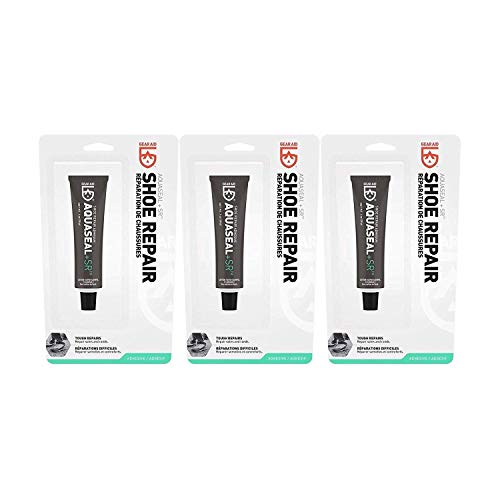
GEAR AID Aquaseal SR Shoe Repair Adhesive 3 Pack

GEAR AID Aquaseal FD Flexible Repair Adhesive 0.75 oz

WITOROR Shoe Protector Spray 6.7Oz

303 Marine Fabric Guard for Boat Covers 32 oz

Tarpaulin Repair Tape 3.15IN by 16.4FT
The Details Behind The Selections
Before any waterproofing sticks, the canvas needs to be genuinely clean. This spray-on cleaner from 303 takes care of that step without leaving residue behind, which is the part most people skip and later regret when a new coating fails to bond.
It’s built for marine fabrics and the kind of grime that settles into bimini tops and seat cushions over a season. Outdoor enthusiasts with neglected patio cushions or sun-faded covers tend to get the most out of it.
Real-World Strengths
- Spray-and-wipe application saves real time on large surfaces like boat covers
- Rinses residue-free, so sealants applied afterward bond properly
- Works on canvas, vinyl, and a range of water-safe materials
- 32 oz bottle covers a sizable bimini top or several patio cushions per session
Worth Noting
- Not a waterproofing product itself, you’ll still need a separate protectant like Item 6
- Heavy mildew stains may need a second pass or pre-scrubbing
Feature Snapshot
Best Suited To
Anyone prepping outdoor fabric for a fresh waterproofing coat, especially boat owners and patio cushion keepers.
Consider Something Else When
Skip it if you only need to seal a small tear. Reach for GEAR AID Aquaseal FD instead for that scenario.
Vinyl faces a different enemy than canvas: sun. The 303 Aerospace Protectant targets UV damage, which is what cracks and fades most vinyl seats and panels long before they ever leak.
Where Item 1 cleans and Item 6 waterproofs fabric, this one guards the smoother surfaces on a boat. Saltwater anglers and lakehouse owners with vinyl dashboards get a clear benefit.
Points In Its Favor
- UV-blocking formula slows fade and cracking on exposed vinyl
- Dries to a matte finish with no greasy sheen
- Repels dust and light staining between deep cleans
Trade Offs
- Designed for vinyl and rubber, not porous canvas
- Reapplication cadence varies with sun exposure, so high-UV regions may need more frequent touch-ups
Who It Suits Best
Boat owners and RV drivers who want to keep vinyl seats and trim from fading under constant sun.
Look Elsewhere When
For actual water repellency on a canvas cover, 303 Marine Fabric Guard (Item 6) is the more targeted tool.
Boots wear out from the bottom up. Aquaseal SR is a urethane adhesive (a tough, flexible synthetic bonding compound) that rebuilds worn soles and seals holes in footwear that faces real abuse on jobsites and trails.
The 3-pack format means you can save one tube for the inevitable next pair. Construction workers and serious hikers will pull the most value from this one.
Positive Takeaways
- Clear-drying urethane bonds permanently to rubber soles and heels
- Flexible cure means it won’t crack when the boot flexes on each step
- 3-pack offers enough material for several boot repairs or rebuilds
Small Caveats
- Cure time runs longer than basic shoe glue, so plan repairs in advance
- Designed for footwear specifically, not general fabric patching
Spec Overview
Perfect Match For
Outdoor workers and trail hikers looking to extend the life of boots that see real abrasion.
A Better Fit Elsewhere
For waders, drysuits, or inflatables, GEAR AID Aquaseal FD (Item 4) handles flexible fabric repairs more cleanly.
Aquaseal FD is the flexible cousin in the GEAR AID lineup. Where Aquaseal SR targets rigid footwear, this adhesive is engineered to move with the fabric, making it the go-to for waders, wetsuits, and PVC inflatables that bend with every cast or paddle stroke.
Anglers and paddlers carrying backup tubes in their kit bags get the most from a small bottle like this.
What Makes Sense
- Cures to a flexible urethane rubber that flexes without cracking
- Bonds to neoprene, nylon, canvas, leather, rubber, and GORE-TEX
- Single 0.75 oz tube packs easily into a fishing vest or dry bag
- Creates a watertight seal on pinholes and seam splits
Honest Caveats
- Full cure takes 8 to 12 hours, so overnight planning helps
- 0.75 oz size suits small repairs, larger projects may need the bigger 8 oz tube
Made For
Fly fishermen, kayakers, and paddlers who need to patch waders or inflatables away from a workshop.
Skip It When
For a sole coming off a work boot, GEAR AID Aquaseal SR (Item 3) is the more purpose-built choice.
Not every waterproofing job is a repair. The WITOROR spray takes a preventive angle, coating everyday shoes with a nano-level (extremely fine molecular-scale) barrier that repels water and stains before they soak in.
It handles a surprisingly wide range of materials: suede, nubuck, leather, canvas, and sneakers. City commuters and sneaker collectors get the cleanest fit.
Benefits That Matter
- Multi-material compatibility covers most of a typical shoe rack
- Quick spray-on application fits a busy morning routine
- 6.7 oz can treat several pairs multiple times before running out
Points To Note
- Reapplication after heavy rain or weekly wear is typical, so it’s not a one-and-done fix
- Best on intact shoes, won’t seal an actual hole or split sole
Feature Card
The Right Fit
Urban commuters and anyone rotating sneakers through wet sidewalks who wants preventive protection.
Reach For A Different Pick When
For heavy-duty boat cover waterproofing, 303 Marine Fabric Guard (Item 6) is the stronger tool for that scale.
This is the workhorse of the list. 303 Fabric Guard restores water repellency to old covers and pre-treats new ones, pairing naturally with the Multi-Surface Cleaner from Item 1 as a one-two punch.
The ready-to-use spray format cuts out mixing and guessing. Anyone maintaining a boat, RV, or patio setup that lives outside year-round will find this a reliable anchor product.
Strong Points
- Restores repellency on aged canvas and fabric covers
- Includes a double-UV sunscreen layer to fight fade alongside water
- Repels grease, dirt, and staining in addition to water
- Ready-to-use formula, no dilution required
Possible Compromises
- Best results require a clean, dry surface, so prep with Item 1 for full benefit
- Large covers may need multiple bottles to coat fully
Whose Shelf It Belongs On
Boat owners, RV travelers, and outdoor enthusiasts maintaining large fabric investments through every season.
Where Another Pick Suits Better
For sealing an actual tear rather than refreshing waterproofing, KAIHENG Tarpaulin Repair Tape (Item 7) handles structural damage more directly.
When the damage is bigger than a pinhole, adhesive alone won’t cut it. KAIHENG’s repair tape is a heavy fabric-backed strip, 3.15 inches wide and 16.4 feet long, designed to bridge tears across tarps, RV covers, and tent panels.
The blue color blends with most marine and camping covers. Truckers, RV owners, and anyone storing gear outdoors long-term will appreciate the coverage area.
Notable Gains
- Generous 16.4 ft length handles multiple patches or long tears
- Fabric-backed construction resists further tearing once applied
- Adheres to a range of surfaces including tarpaulin, vinyl, and canvas
Details To Watch
- Surface must be clean and dry for proper adhesion, so prep matters
- Blue color may not match every cover, though it’s common in marine settings
Technical Sheet
Who Should Grab It
Truckers, RV travelers, and campers needing a fast fix for torn tarps and covers in the field.
Where A Sibling Pick Shines
For flexible wader or wetsuit repairs, GEAR AID Aquaseal FD (Item 4) flexes with the fabric far better than tape.
What To Weigh Before Choosing Canvas Waterproofings
The right product depends on what’s failing and how. Start by identifying whether you’re cleaning, sealing, repairing, or protecting.
Surface Type Matters Most
Canvas, vinyl, leather, and rubber each respond differently. Canvas and other woven fabrics drink in spray protectants and respond well to urethane adhesives. Vinyl, by contrast, is non-porous and needs a protectant designed to sit on top, like 303 Aerospace, rather than soak in. Leather and suede fall somewhere in between, accepting nano sprays like the WITOROR but rejecting heavy adhesives that would stiffen the material.
Match The Product To The Damage
A faded but intact cover needs cleaning and a fresh protectant coat, not adhesive. A split seam on a wader needs flexible urethane, not tape. A blown-out sole needs Aquaseal SR, not a spray. Treating the wrong symptom with the wrong product wastes time and money, and in some cases makes the damage worse.
Durability vs. Convenience Tradeoff
Sprays are fast and easy but typically need reapplication after heavy weather or weeks of use. Adhesives and tapes are more permanent fixes but require careful prep and cure time. For gear that lives outdoors year-round, the longer-cure products pay off in fewer touch-ups.
Climate And Use Frequency
Boats in saltwater and sun need UV protection layered with water repellency. Trail gear in wet climates benefits more from flexible seam repair. Sneakers on city sidewalks get the most from quick-dry spray protectants. Match the product to the environment, and the repair lasts longer.
Smart Choices Before You Buy
Pitfalls Shoppers Hit
The most common slip-up is sealing over dirt. Any protectant or adhesive applied to a grimy surface will fail prematurely as the bond breaks down. Always clean first, especially with marine fabrics exposed to salt and mildew.
Another mistake is using a rigid adhesive on flexible fabric. Standard shoe glue cracks when canvas moves, leading to a repair that peels within weeks. Pick flexible urethane for anything that bends.
When Paying More Pays Off
Premium options in this category tend to include UV inhibitors alongside water repellency, or offer longer cure flexibility that holds up under stress. For gear that costs hundreds to replace, the upgrade usually pays back across seasons. For low-stakes items, the budget-friendly spray options are more than enough.
Frequently Asked Questions
How often should I reapply canvas waterproofing sprays?
Most sprays need reapplication every few weeks of regular exposure, or after heavy rain. For boat covers in full sun, expect to refresh every season or two for best results.
Can I use these products on colored canvas without bleaching?
Yes, when used as directed, the protectants and adhesives listed here dry clear or match common marine blues. Always test a small hidden area first if you’re worried about a specific dye.
Will repair adhesives hold up in freezing temperatures?
Urethane-based adhesives like Aquaseal FD stay flexible after curing and handle cold well. Tape products may stiffen in deep cold, so consider your climate before stocking up.
Do I need to clean fabric before applying a protectant?
Absolutely. Skipping the clean step is the most common reason coatings fail. A quick pass with a dedicated cleaner like 303 Multi-Surface Cleaner makes the protectant bond last far longer.
Can one product handle both canvas and vinyl?
Some sprays, like the WITOROR, cover multiple materials. For heavier jobs like boat covers, separate cleaning and protectant products designed per material give noticeably better results.
Wrap Up
The right pick depends on what your gear actually needs. A full kit might combine a cleaner, a protectant, and a flexible adhesive for emergencies. Whatever your situation calls for, the picks above are built around real outdoor use, not just the spec sheet. Match the product to the surface and the damage, and the work tends to last.