
A reliable water bottle earns its keep long before the campfire comes out. On a humid ridge hike, a four-day backcountry trip, or a simple weekend car-camp with the kids, the right vessel keeps you drinking enough, fits the way you carry it, and survives the kind of fumbles that ruin lesser gear. This roundup walks you through six solid options, each with a different sweet spot, so you can match a bottle to the way you actually camp.
Your Options, Compared

Nalgene 32 oz Narrow Mouth Bottle (Flame)
Nalgene 16 oz Wide Mouth Bottle (Amethyst)
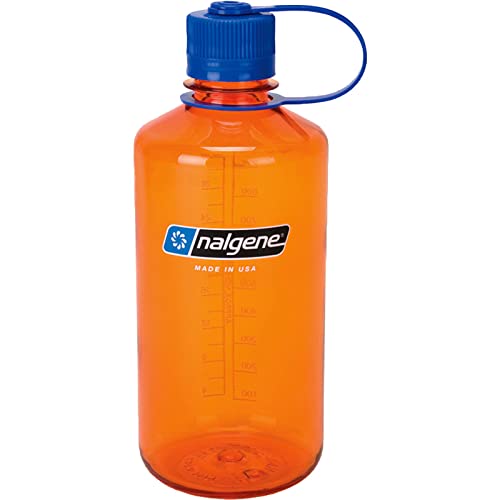
Nalgene Sustain Tritan Renew Bottle, 32 oz

Nalgene Wide Mouth Bottle, 32 oz (Cerulean)

Nalgene 32 oz Wide Mouth Bottle

Opard Zip 32 oz Flip-Top Tritan Bottle
Taking A Closer Look At The Options
The liter-sized Nalgene has earned its reputation over decades, and this narrow-mouth version keeps that legacy intact. It’s the kind of bottle that bounces off a granite boulder, tumbles out of a pack, and still threads the cap without complaint. For a full day on the trail, you get a single-fill workload that matches most adults’ hydration targets, and the tight neck keeps water from sloshing during fast descents.
You trade convenience at the spigot for control on the move. Because the mouth is narrow, you can’t drop ice cubes in or scrub with a standard brush as easily as with a wide-mouth sibling. Campers who filter stream water through a hose or pump appreciate that interface; car campers refilling from a jug may find it slower.
A Favorable Mix
- One liter capacity covers most day hikes on a single fill
- Tritan resin shrugs off drops, dents, and UV exposure
- Narrow neck pairs with most hiking pack hangers and hose filters
- Loop cap secures to carabiners for hands-free carry
- BPA-free construction keeps drinking water clean-tasting
Things To Consider
- Adding ice cubes means breaking them up first
- Interior cleaning takes a long-handled brush
Feature Snapshot
Made For
Day hikers and thru-hikers who want one reliable bottle that survives a season of abuse without leaking or cracking.
Swap It Out When
You mostly car-camp and want fast ice-friendly refills, where the Nalgene 16 oz Wide Mouth Bottle (Amethyst) is the easier fit.
Half the size, none of the bulk. The 16-ounce wide-mouth is the bottle that disappears into a sling pack, a lunchbox, or a cup holder without rearranging your load. For short hikes, beach days, or kids who can’t comfortably hoist a full liter, it removes the heavy-bottle problem entirely. You drink faster, refill faster, and never feel like you’re hauling water you won’t finish.
The trade-off is range. Sixteen ounces is two or three solid gulps for a thirsty adult on a warm day, so anything longer than a quick loop calls for a planned refill or a backup reservoir. In family camping setups, though, this size actually works as an advantage: each person owns a clearly labeled bottle, refills are staggered, and nobody’s stuck with a half-empty liter weighing down a side pocket.
The Helpful Details
- Slim 2.75-inch width slips into tight pack pockets and cages
- Wide mouth accepts ice, citrus slices, and a regular bottle brush
- Lightweight feel encourages frequent sipping on shorter trips
Worth Noting
- Small capacity means multiple refills on longer trails
- Loop cap can rattle against frame mounts during fast movement
Who Should Grab It
Casual campers, parents packing for kids, and anyone whose trips revolve around a base camp with easy spigot access.
Consider Something Else When
You’re staging a long ridge traverse with no reliable water, where the Nalgene 32 oz Narrow Mouth Bottle (Flame) is the safer carry.
The Sustain line reframes what a plastic bottle can be. Built from a resin that pulls fifty percent of its feedstock from waste plastic streams that would otherwise hit landfill, it delivers the same trail-ready durability as standard Tritan while cutting the environmental footprint in half. For campers who already practice leave-no-trace ethics, swapping to this bottle is a quiet way to extend that ethic into your everyday carry.
You still get the classic 32-ounce narrow mouth, so everything that worked for the standard liter bottle still works here: hose filters, pack hangers, single-fill day hiking. The orange colorway makes it easy to spot in a crowded camp kitchen, and the resin holds up to temperature swings without warping. Nalgene is explicit about the recycled content, which makes this pick feel less like marketing and more like a measurable shift.
Points In Its Favor
- 50% recycled resin cuts plastic waste without losing toughness
- BPA-free Tritan construction matches standard Nalgene feel
- Bright orange finish stands out at shared camp tables
Trade Offs
- Slightly higher cost than the conventional 32 oz version
- Same narrow-mouth cleaning limitation as Item 1
Built With In Mind
Eco-conscious campers and families who want a long-lasting bottle with a smaller upstream footprint.
A Better Fit Elsewhere
You’re on a tight gear budget for a scout troop, where the Nalgene 32 oz Wide Mouth Bottle delivers the same capacity at a friendlier entry cost.
The wide-mouth cerulean bottle is the most approachable entry point into the Nalgene lineup. The opening accepts ice cubes whole, swallows a bottle brush for full interior scrubbing, and makes filter-funnel transfers painless. For first-time campers figuring out how hydration actually works on the trail, that ease matters more than any specialized feature. You focus on drinking water instead of fighting with it.
You also get the same trusted 32-ounce capacity as the narrow-mouth sibling, so single-fill day-trip math still applies. Where this version leans more toward car camping and base-camp life is in the refill workflow: topping off from a five-gallon jug or dunking the bottle into a cooler for ice and electrolyte mixes goes much faster when the opening is generous. On the move, the trade-off is mild splash potential over rough terrain.
Advantages To Know
- Wide opening accepts ice cubes, brushes, and infusion fruits
- Generous 32 oz capacity suits casual base-camp hydration
- Cerulean finish is easy to spot in a shared tent or cooler
Small Caveats
- Liquid can slosh more aggressively during downhill sections
- Larger opening collects dust on dusty access roads
Best Suited To
New campers and weekend base-campers who want low-fuss refills and easy cleaning.
Not Your Match When
You’re chasing ounces on a fast-and-light hike, where the Nalgene 16 oz Wide Mouth Bottle (Amethyst) keeps pack weight down.
This is the workhorse. Same shape, same capacity, same wide-mouth convenience as the cerulean sibling, but stripped of any decorative branding. For people who treat their bottle like a tool rather than an accessory, that anonymity is the appeal. It looks the same five years in, takes the same punishment, and gets replaced on your schedule, not the brand’s.
What separates this from the cerulean version is mostly availability and finish. The plain body often ships in classic colorways that hide scratches and grime better than lighter shades. On a multi-week car-camping rotation, that translates to less time scrubbing for appearance and more time actually drinking water. The wide mouth still handles ice, brushes, and quick refills from a cooler spout.
Noteworthy Benefits
- Tritan resin survives drops, pack compression, and hot car interiors
- Wide mouth streamlines refills from jugs and coolers
- Loop cap tethers to packs and belt clips
Honest Caveats
- No insulation, so cold drinks warm up fast in summer sun
- Plastic body can pick up odors from flavored drinks over time
Whose Shelf It Belongs On
Multi-trip campers, guides, and outdoor workers who need a single bottle that handles daily use for years.
Look Elsewhere When
You want a lighter pack on day hikes, where the Nalgene 16 oz Wide Mouth Bottle (Amethyst) cuts carried ounces.
The Opard Zip brings a different interaction to the table: a flip-top lid that opens with one thumb, so you can drink without unscrewing a cap in the middle of a hike. For cyclists, kayakers, and parents wrangling kids at a campsite, that hands-free motion is the reason to consider it. The 32-ounce capacity keeps parity with the Nalgene classics, and the BPA-free Tritan body borrows the durability track record that material is known for.
Unlike the Nalgene screw-tops, the flip lid introduces a soft gasket that needs occasional attention. Owners commonly report that the seal stays clean with a quick rinse, but flavored drinks or sugary mixes can leave residue around the hinge if not flushed. For plain water on the trail, the design earns its keep; for sticky sports drinks, plan on a more disciplined cleaning routine.
The Upside
- One-handed flip-top lid suits active use on bikes and kayaks
- Wide mouth still accepts ice cubes and a bottle brush
- Tritan build keeps weight down versus stainless options
Points To Keep In Mind
- Flip mechanism has more parts to clean than a screw cap
- No insulation layer means warm drinks in summer sun
The Right Fit
Active campers and paddlers who want one-handed sipping without giving up wide-mouth refills.
Reach For A Different Pick When
You mostly sip while walking and want absolute leakproof simplicity, where the Nalgene 32 oz Narrow Mouth Bottle (Flame) is the safer call.
How To Match A Bottle To Your Camp Style
Capacity drives everything. A liter bottle handles most day hikes for one adult on a single fill, but anything longer than six hours in heat usually demands a planned refill or a backup reservoir. Smaller 16-ounce bottles trade range for portability: they disappear into a sling, refill fast, and work better in tight family rotations.
Mouth width changes how you interact with the bottle every single time. A narrow neck keeps water controlled on downhill steps and pairs cleanly with hose-style filters, but it fights you on ice and brushes. A wide mouth accepts ice cubes, citrus, and full-size cleaning tools, which matters more at a base camp than on a moving trail.
Material matters beyond marketing. Tritan is a BPA-free plastic that handles drops, pack pressure, and temperature swings without cracking or clouding. Stainless steel adds insulation weight. Recycled-content resins like the one in the Sustain line cut upstream waste while keeping the same feel, useful for campers who already practice leave-no-trace ethics.
Lid design is where real-world convenience lives. Screw caps leak less over years of use. Flip tops open faster but add parts to clean. Loop caps tether to packs but rattle on rough descents. Match the lid to the way you actually drink, not the way the catalog photo looks.
Picking Between The Common Options
Where Shoppers Go Wrong
Choosing a bottle based on color or capacity alone is the most common miss. A 32-ounce bottle is heavy before you fill it, and a small bottle is useless on a dry ridge. Match capacity to your longest refill gap, not your average day.
Ignoring mouth style causes daily frustration. Buyers who plan to add ice, infusions, or brush-clean frequently regret narrow necks within a week. Buyers who hike aggressively and filter through hoses sometimes wish they had chosen narrow instead.
Overlooking lid design costs you convenience. A flip-top looks handy on the shelf but collects residue from flavored drinks. A simple screw cap looks boring but travels years without a service interval.
When Paying More Pays Off
Higher-tier bottles in this category usually buy recycled-content resin, refined threading on the cap, or a more durable hinge on flip lids. For an everyday camper replacing bottles every few years, the standard Tritan models are plenty. For someone carrying the same bottle across multi-week trips or handing it down through a family, the recycled-resin or upgraded lid versions tend to outlast their cheaper siblings and offset the cost across years of use.
Key Considerations Across These Picks
Common Slip Ups
The biggest trap is buying a liter bottle for a kid who can’t comfortably lift it half full. Smaller campers get more hydration from a 16-ounce bottle they actually pick up than a 32-ounce bottle they ignore. The second trap is treating the wide mouth as a universal upgrade; for fast descents or hose filters, the narrow neck genuinely performs better.
What The Higher Tier Buys
In this category, paying more typically buys recycled-content resin, a more refined lid mechanism, or colorways that hide wear. The trade-off rarely adds insulation or temperature control. If you camp year-round or carry your bottle to a worksite, the upgrade justifies itself; if you only haul water on summer weekends, the standard picks handle the job without the extra cost.
Frequently Asked Questions
Are plastic water bottles safe for hot camping days?
Tritan bottles are BPA-free and rated for warm liquids, so a bottle sitting in a hot car or a sunny pack won’t leach harmful chemicals. For ice-cold drinks on summer trails, an insulated sleeve or cooler bag makes a bigger difference than the bottle material itself.
How do I clean a narrow-mouth bottle on the trail?
A long-handled bottle brush with a small head fits the profile, and a shake of baking soda with warm water at camp clears light odors. For deeper cleaning at home, a denture tablet works well; for trail days, a quick rinse and air-dry keeps things sanitary.
Can I use these bottles with water filters?
Standard hose-style filters thread directly into most narrow-mouth openings, and pump filters work with either mouth size using the included adapter. Wide-mouth bottles pair cleanly with gravity bags and funnel-based filters.
How often should I replace a plastic camping bottle?
Replace when you see deep scratches, clouding that won’t wash out, or a cap that no longer seals cleanly. Most Tritan bottles last several years of weekly use before that point, though bottles used daily for flavored drinks may need earlier replacement due to odor retention.
Is a 32-ounce bottle enough for a full day hike?
For most adults in moderate weather, one liter covers a single-fill day hike with planned refills at trailheads or streams. Hot conditions, heavy exertion, or remote routes usually call for a backup reservoir or a planned filter stop to refill along the way.
Closing Thoughts
The right camping water bottle disappears into your routine: you grab it, drink from it, refill it, and forget about it until the next trip. Match the capacity to your longest refill gap, pick a mouth style that fits how you actually drink, and choose a lid you trust to stay sealed. Any of these six will serve you well, so let the trip type decide.