
You’re miles from the trailhead, the light’s fading, and you need to know what time it is without pulling out your phone. A purpose-built wrist watch handles sunrise alarms, navigation timing, storm warnings, and the small daily questions that pop up between the tent and the fire ring. The six picks below cover hiking, swimming, freediving, and everything in between, each one chosen for the way it earns its place on a wrist in the wild.
A Closer Look At The Lineup
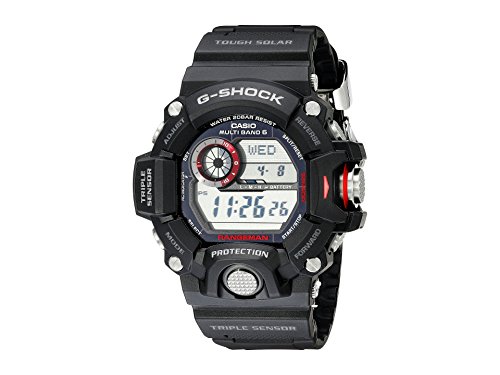
G-Shock Rangeman GW-9400

SUUNTO Nautic Dive Computer with Bungee Cord

SUUNTO Nautic Dive Computer with Elastic Textile Strap

Casio W217H Series Digital Watch

SUUNTO Nautic S Dive Watch Computer

SUUNTO Ocean Dive Computer, GPS Multisport
More On The Choices That Made The List
The Rangeman earns its reputation by absorbing abuse that would sideline most watches. The sealed case and button protection guard the module against mud, dust, and the kind of careless bumps a long-distance hiker tends to deliver.
For a week-long trek where charging isn’t an option, solar charging plus atomic timekeeping (radio signals that auto-correct the watch from national broadcast towers) keeps the display honest without a single outlet. Triple sensors cover altimeter, barometer, and compass readings in one rugged housing, so you carry less gear.
Positive Points
- 200-meter water resistance handles creek crossings and heavy rain without hesitation
- Solar charging means no battery anxiety on extended backcountry trips
- Built-in altimeter, barometer, and compass replace several handheld tools
- Atomic timekeeping keeps the display accurate across six broadcast regions
- Sealed buttons and shock-resistant case survive drops on granite and trail
Things To Consider
- The display is functional rather than elegant, which may bother style-minded shoppers
- Size runs large on slimmer wrists, a fit concern worth checking before committing
Who It Suits Best
Multi-day backpackers and mountain travelers who need a tough, set-and-forget timepiece with real altitude data.
Consider Something Else When
Choose the SUUNTO Ocean Dive Computer if your adventures happen mostly underwater and you want GPS on the same wrist.
Unlike the Rangeman’s hike-first design, this Nautic lives for depth. The bungee cord mount keeps the unit snug over a wetsuit sleeve, so it stays put during descents rather than sliding toward the elbow.
A bright AMOLED panel stays readable in shallow tropical water where sunlight competes with your data. The interface leans toward simplicity, which seasoned divers tend to appreciate when they’re managing gas and time on a real dive.
Useful Strengths
- Bungee strap stays secure over thick neoprene without constant readjustment
- AMOLED screen cuts glare in clear, sunlit water conditions
- Up to 120 hours of dive time supports multi-day dive trips from a single charge
- Streamlined interface reduces decision time at depth
Worth Noting
- The bungee mount isn’t ideal for everyday wrist wear between dive days
- AMOLED visibility may dim briefly during very deep stops where light is absent, though most recreational divers stay within comfortable viewing range
Made For
Recreational scuba divers who want a clean, bright computer that slips over a wetsuit without bulk.
Look Elsewhere When
Pick the SUUNTO Nautic S Dive Watch Computer if you’d rather interact with a touchscreen between dives.
The same Nautic platform returns here, but the elastic textile strap changes the wearing experience entirely. In tropical climates, the breathable weave prevents the sticky sweat buildup that rubber straps tend to create on shore intervals.
It dries faster between dives too, which matters when you’re hopping in and out of the water all afternoon. The trade-off is slightly less security on thicker exposure suits, where the bungee version of the Nautic grips more aggressively.
What Stands Out
- Textile strap breathes in humid, warm-water destinations
- Dries quickly between repeat dives throughout the day
- Comfortable enough for casual wear between sessions
- Same bright AMOLED display as the bungee sibling
Trade Offs
- Less secure fit over a thick drysuit compared to the bungee version
- Textile wears faster than rubber under daily saltwater exposure
Best Suited To
Travelers heading to warm-water dive spots who value all-day comfort over extreme security.
Skip It When
Reach for the SUUNTO Nautic Dive Computer with Bungee Cord if you’re diving cold water under a thick exposure suit.
The W217H is the watch you toss in the daypack without a second thought. It doesn’t try to be a dive computer or a GPS unit, and that restraint is exactly the point.
You get a 50-meter water rating, a stopwatch accurate to a hundredth of a second, and a battery that runs roughly seven years before needing attention. The LED backlight fires on demand, so checking the time after dark costs nothing extra.
What Earns Its Place
- Seven-year battery life removes charging from the routine entirely
- Lightweight resin case stays comfortable during long hikes
- Daily alarm and hourly chime keep schedules on track at camp
- 50-meter water rating handles rain, splashes, and shallow swims
Minor Gripes
- Lacks sensors for altitude or navigation, which limits backcountry utility
- Resin strap may irritate during heavy sweat in summer conditions
Quick Facts
Who Will Love This
Weekend campers, festival-goers, and anyone who wants a simple, durable watch without overspending.
A Better Fit Elsewhere
Pick the G-Shock Rangeman GW-9400 if your trips push into multi-day territory with real altitude exposure.
Step up from the standard Nautic and the interface changes dramatically. The Nautic S pairs an AMOLED panel with touchscreen controls, so adjusting settings between dives feels closer to using a phone than wrestling buttons.
With an 80-meter waterproof rating and roughly 60 hours of battery per charge, it handles long dive weekends without forcing a mid-trip recharge. Wireless tank pressure monitoring pairs with compatible pods, giving you a real-time readout without glancing at the SPG (submersible pressure gauge) on your console.
What Helps Most
- Touchscreen controls speed up settings changes on busy dive boats
- 60-hour battery covers a full dive trip from a single top-up
- Wireless tank pod compatibility tracks remaining gas at a glance
- Bright AMOLED remains readable in low-visibility water
Points To Keep In Mind
- Touchscreens can be sluggish in colder water where fingers stiffen
- Premium features place this above entry-level dive computers
Perfect Match For
Recreational divers who appreciate modern interfaces and want tank data on the wrist.
Reach For A Different Pick When
Choose the SUUNTO Ocean Dive Computer if you also want GPS and full multisport training features.
The Ocean sits at the crossover point between dive computer and training watch. Freediving, snorkeling, single-gas, and multigas modes sit alongside GPS-tracked runs, rides, and swims, so you don’t have to swap watches between sessions.
The Bühlmann 16 GF algorithm (a tissue-loading model used to calculate safe ascent limits) supports advanced decompression planning, and wireless tank pod compatibility tracks gas consumption live. It’s the busiest tool on this list, which is exactly the trade-off for athletes who refuse to specialize.
A Strong Showing
- Multiple dive modes including freediving, snorkeling, and multigas support
- Built-in GPS tracks surface activities without a phone in your pocket
- Bühlmann 16 GF algorithm handles serious decompression planning
- Wireless tank pod pairs with compatible pressure transmitters
Honest Caveats
- Feature depth demands time investment to learn every mode properly
- Battery life drops faster when GPS and dive modes run in the same trip
Built With In Mind
Active athletes who train on land and dive underwater, and want a single device for both worlds.
Swap It Out When
Pick the SUUNTO Nautic S Dive Watch Computer if you only care about the dive side and prefer touchscreen simplicity.
What Matters Most Before Choosing Camping Watches
The right outdoor watch depends more on your specific trip profile than on raw spec sheets. A weekend car camper has completely different needs than a thru-hiker logging ten days across alpine terrain, and a diver cares about pressure readings the way a backpacker cares about barometric pressure.
Water resistance depth gets thrown around loosely. A 50-meter rating handles swimming and rain, not scuba. Recreational divers need 100 meters or more for safety, while technical divers typically look beyond 200 meters. Match the rating to the actual depth you’ll reach, with a comfortable margin.
Battery strategy shapes daily habits. Solar charging, like in the Rangeman, removes outlets from the equation entirely. Long battery life, like the Casio W217H, trades features for longevity. Rechargeable AMOLED screens deliver gorgeous displays but demand a charging routine that frequent travelers must plan around.
Sensor relevance matters more than sensor count. Altimeters and barometers earn their keep on mountain trips. Heart rate and GPS make sense for training-focused outdoor athletes. Tank pressure monitoring matters only if you’re pairing with a compatible transmitter pod.
Strap and fit determine whether you’ll actually wear the watch on day three of a trip. Bungee cords excel over wetsuits but feel clumsy on bare wrists. Textile breathes in tropical climates but degrades faster in saltwater. Resin is light and forgiving but traps sweat in summer heat.
Key Considerations Across These Picks
Pitfalls Shoppers Hit
Buying based on maximum depth rating alone is a common trap. A 100-meter rated dive computer with a confusing interface will frustrate you more than a 50-meter watch with the right features for your actual use. Match the watch to the activity you’ll do most, not the rarest adventure on your bucket list.
Ignoring strap material is another mistake worth sidestepping. The most advanced computer feels terrible when the strap irritates your skin after a long day. Try the strap type that suits your climate, and consider aftermarket options if the stock band falls short.
Where The Extra Money Goes
Higher-tier models typically invest in display quality, sensor sophistication, and battery capacity. AMOLED screens, like those in the Nautic lineup, cost more to produce but transform readability in challenging conditions. Advanced algorithms add real safety margin for technical diving. GPS modules add bulk and drain battery, but they also remove the need to carry a separate sports watch. For casual campers, the basics often cover real needs. For serious outdoor athletes, the upgrade usually pays back in saved frustration.
Frequently Asked Questions
What water resistance rating do I need for camping?
For most camping, swimming, and rain exposure, 50 meters is enough. If you plan to snorkel or freedive in deeper water, look for 100 meters or higher. Recreational scuba divers benefit from 100 meters or more with proper dive computer features.
Are camping watches different from regular sports watches?
Camping watches emphasize durability, longer battery life, and outdoor sensors over lifestyle features. They tend to have stronger cases, more conservative displays, and tools like altimeters, barometers, and compasses built into the same module.
How long should a camping watch battery last?
It depends on your style. Solar and long-life battery watches can run for years without charging. AMOLED touchscreen models typically need recharging every few days to a week, depending on GPS and sensor use.
Can I use a dive computer as a regular camping watch?
Yes, but dive computers tend to be larger and more complex than simple camping watches. If your camping involves water activities, a dive computer pulls double duty well. For dry-land camping, a simpler watch is usually more comfortable.
Do I need GPS on a camping watch?
GPS adds navigation value for trail runners, route hikers, and anyone venturing far from marked paths. For car camping or established sites, GPS adds cost and battery drain without much real benefit. Consider your typical trip style before paying for features you’ll rarely use.
The Takeaway
The best camping watch is the one that matches your actual outdoor life, not the one with the longest spec list. Backpackers tend to love the rugged simplicity of the Rangeman, divers gravitate toward the SUUNTO Nautic family, and casual campers get years of service from a basic Casio. Match the watch to the trip, and you’ll rarely notice it on your wrist, which is exactly how outdoor gear should behave.