
A restful night outside depends on two things working together: shelter that handles weather and a sleeping surface that feels like home. Solo travelers, couples, and small families often hit the same wall, juggling a heavy tent plus a deflating air bed that loses firmness by morning. The right pairing solves both problems at once, and these picks cover canvas air-frame shelters, instant pop-up hubs, classic pole tents, and two portable queen mattresses ready to slide inside.
An Overview Of The Picks

RBM Outdoors Panda Canvas Inflatable Camping Tent

Coody Premium Inflatable Canvas Camping Tent

Coleman Sundome Camping Tent

Gazelle T4 Pop Up Camping Tent

COMMOUDS Queen Air Mattress 13″
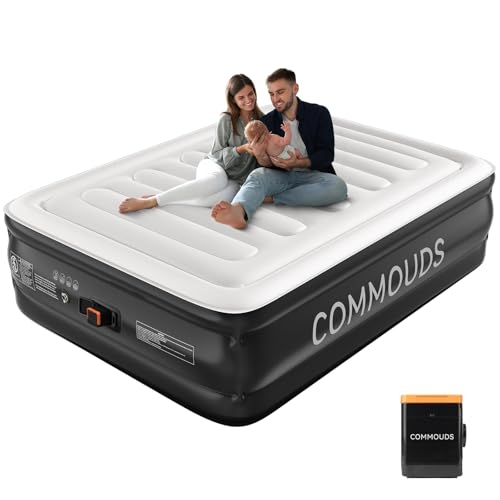
COMMOUDS Queen Air Mattress 18″
Why These Options Stand Out
Canvas camping tents occupy a small corner of the market, and the RBM Outdoors Panda sits squarely in it. Where the Coleman below relies on lightweight polyester and a flexible pole grid, this model uses a heavier fabric weave that breathes more like a wall tent, paired with an inflatable air frame that replaces traditional poles.
For weekend cold-weather trips where a small wood stove matters, the built-in stove jack opens up real four-season use. Expect a longer first setup the first time the air frame is tensioned, then faster drills on repeat visits.
Everyday Wins
- Breathable canvas cuts down on morning condensation in cool, humid air
- Air frame removes the metal-pole juggling act for solo campers
- Stove jack enables cold-weather or shoulder-season camping
- Compact footprint fits one to four sleepers comfortably
Honest Caveats
- Heavier packed weight than polyester pole tents, so vehicle camping suits it better than backpacking
- Canvas benefits from full drying before storage to prevent mildew between trips
Who It Suits Best
Weekend campers and glampers who want a quiet, breathable shelter for cool nights and don’t mind a slightly heavier pack.
Look Elsewhere When
You need a faster setup and lighter carry, in which case the Gazelle T4 below is a friendlier match.
The Coody takes the same air-frame idea and stretches it into true living-room territory. Compared to the Panda above, this model aims at families or friend groups who want floor space for cots, a small table, and gear bins instead of just sleeping pads.
Inside, the breathable cotton-blend fabric (a TC, or polyester-cotton, blend, which mixes synthetic strength with cotton’s moisture handling) helps manage humidity during long stays. For most families heading to a state-park campground with a car full of gear, the roomier layout is the real draw.
Positive Takeaways
- Generous floor area fits a queen air mattress plus camp furniture
- Air frame inflates in minutes once you learn the sequence
- TC fabric regulates interior humidity better than basic polyester
- Stove jack supports cooler-weather use for shoulder-season trips
Things To Consider
- Bulkier packed size demands a larger vehicle for transport
- Higher price tier than classic pole tents, which may stretch a first-timer’s budget
Made For
Groups and families car-camping on weekends who want real living space and a breathable interior.
Consider Something Else When
You’re camping solo on a short trip, in which case the RBM Outdoors Panda is a tighter, lighter canvas alternative.
Switching gears completely, the Sundome is the tent most people picture when they imagine car camping. Where the canvas air-frame models trade weight and price for breathing room and structure, this one goes the other direction: lightweight fabric, snag-free continuous pole sleeves, and a setup that takes minutes.
For first-time campers who want a familiar shape, the dome geometry handles moderate wind without fuss. Available in 2- and 3-person sizes, both aimed at small groups or a couple with a dog.
Reasons It Performs
- Quick pole-sleeve setup removes the guesswork for new campers
- Lightweight pack fits in a small car trunk
- Lower price point makes it accessible for first-time shoppers
Worth Noting
- Lightweight fabric handles light rain but needs extra care in heavy downpours
- No stove jack means cold-weather use is limited to mild nights
- Smaller floor plan than the Coody above, so a queen air bed will sit tight
Best Suited To
First-time campers and small families after a simple, affordable shelter for fair-weather trips.
A Better Fit Elsewhere
You want cold-weather versatility, in which case the RBM Outdoors Panda’s stove jack earns its keep.
The Gazelle T4 is built around one idea: get shelter standing in under a minute and a half. Its pre-assembled hub structure, a pre-connected frame where the poles are already linked, lets you pop the walls out, raise the top, and stake down without juggling loose rods. That’s a different setup story from the Sundome’s pole sleeves or the Panda’s inflatable tubes.
Polyester fabric, mesh windows, and a removable floor make it just as comfortable on a beach as at a campground, depending on your trip.
Benefits That Matter
- Hub design sets up in roughly 90 seconds, ideal after a long drive
- Mesh walls boost airflow in warm, humid climates
- Removable floor adapts to sand, grass, or hard ground
- Four-person footprint fits a small family plus gear
Trade Offs
- Larger packed size than a pole tent of similar capacity
- Polyester fabric handles rain but feels less breathable than canvas
Feature Snapshot
Right Fit For
Road trippers and weekend beach campers who value speed and ventilation over cold-weather performance.
Swap It Out When
You’re heading into shoulder-season weather and need a stove jack, which is where the Coody or Panda earns its place.
Now the sleeping surface side of the equation. The 13-inch COMMOUDS queen targets campers who want a packable mattress without hauling a separate pump. The removable battery-powered pump stores inside the bed when packed down, saving one more thing to forget at home.
The 13-inch profile sits between classic low air pads and tall raised beds, which works for most tent floors in this list. It’s a versatile match for the Coleman Sundome’s tight footprint or the Coody’s open layout.
Points In Its Favor
- Built-in pump inflates and deflates without a separate accessory
- 13-inch height eases getting in and out for older sleepers
- Queen size fits comfortably in 4-person tents like the Gazelle T4
- Folds down compact for car camping or guest stays
Room For Improvement
- Lower profile than the 18-inch COMMOUDS below, so heavier sleepers may want taller support
- Battery pump requires recharging between trips
Who Will Love This
Casual campers and weekend guests who want a simple, all-in-one queen mattress with no extra pump to manage.
Another Choice May Suit
Side sleepers and heavier adults often prefer the COMMOUDS 18″ model for its taller sidewall support.
The 18-inch COMMOUDS is the same product family with a taller sidewall and beefier internal structure, built around an eight I-beam layout (the parallel air chambers running top to bottom that give the mattress its firm, flat feel). That extra height makes the bed feel closer to a home mattress, which matters more than people expect after a long day of hiking or driving.
For couples sharing the Coody’s floor or a single camper stretched across the Gazelle T4, the raised profile keeps you off cold ground and makes turning over easier on shoulders and hips.
What Makes Sense
- 18-inch raised height mimics a residential mattress for deeper sleep
- Rechargeable battery pump with no external power needed
- I-beam layout spreads weight evenly to reduce sag through the night
- Queen dimensions pair well with the roomier tents in this list
Points To Keep In Mind
- Taller sidewall demands more vertical clearance, so verify headroom inside your tent
- Packed size is bulkier than thinner mattresses in the same brand
Quick Technical Notes
Perfect Match For
Side sleepers, couples, and anyone with joint sensitivity who wants the closest thing to a home bed in the tent.
Reach For A Different Pick When
You camp light and short trips, in which case the COMMOUDS 13″ model packs smaller and costs less.
Matching A Tent To A Mattress
The right pairing depends less on brand matching and more on use case. A canvas air-frame tent like the RBM Outdoors Panda or the Coody creates the most livable setup, especially when you add a queen mattress. A classic dome like the Coleman Sundome keeps things simple for fair-weather weekends. The Gazelle T4 earns its keep when arrival fatigue makes a 90-second setup feel like a small miracle.
Sleeping surface height matters more than people expect. Raised mattresses make getting in and out easier and keep sleepers off cold ground. Lower profiles pack tighter but feel closer to a thin sleeping pad. Battery-powered pumps have shifted the calculus, removing the hunt for a 12-volt outlet or a hand pump on late-night arrivals.
Smart Angles Before You Commit
Pitfalls Shoppers Hit
The biggest mismatch is buying a tent that’s too small for the mattress. A queen air bed plus two people plus gear bags can crowd a 3-person dome fast. Always check the tent’s floor dimensions against the mattress footprint, especially with the larger COMMOUDS 18″ bed. Another trap is choosing canvas for a warm, humid summer climate. Canvas breathes well but holds heat; polyester with mesh works better in those conditions.
What The Higher Tier Buys
Stepping up to canvas or air-frame designs adds weight, pack size, and price, but the payoff is a real living space instead of a tight sleeping pod. Stove jacks open cold-weather trips that basic tents can’t handle. On the mattress side, taller sidewalls and I-beam structures cost more but feel closer to a residential bed, which matters for sleep quality on longer stays.
Frequently Asked Questions
Do inflatable tents really work in heavy rain?
Yes, when the seams are properly sealed and the air frame is fully pressurized. Canvas models like the Panda handle downpours well because the fabric swells slightly to block seams, while polyester models rely on taped seams and rain flies.
Can a queen air mattress fit inside a 4-person tent?
Usually, yes, though the fit varies by model. The Gazelle T4 and the Coody both offer enough floor area for a queen plus limited gear storage. The Coleman Sundome 3-person feels tighter with a queen mattress inside.
How long does an inflatable tent take to set up?
Expect 5 to 15 minutes for air-frame models on first use, depending on pump speed and experience. Hub-style pop-ups like the Gazelle T4 set up faster, around 90 seconds, while classic pole tents fall in between.
Are battery-powered air mattress pumps reliable?
For typical weekend use, they work well. Most rechargeable pumps handle multiple inflation cycles per charge, though heavy cold weather can shorten battery life. A backup hand pump is worth packing for remote trips.
How do I store a canvas tent between trips?
Dry it fully first, then fold loosely and store in a breathable bag rather than airtight plastic. That prevents mildew and keeps the fabric ready for the next season.
Wrap Up
The best setup matches how and where you camp: canvas for cold nights and breathing room, instant hubs for fast arrivals, classic domes for fair-weather simplicity, and raised queen mattresses for sleep that actually restores you. Pick the combination that fits your trips, not just your wishlist, and the next night outside will feel like a small upgrade in real life.