
A portable air-conditioner port changes what a tent is for. Instead of suffering through a hot summer night at the campground or in your driveway, you can run a portable AC, swamp cooler, or heater right into the shelter, turning it into a climate-controlled base camp. The four options below pair spacious cabin or tunnel layouts with built-in ports that accept standard hose fittings, so you can plug in and stay cool, dry, and rested. They’re well suited for families car camping in warm climates, anyone hosting guests in the backyard, and weekend festival-goers who refuse to lose sleep to the heat.
The Main Contenders

Naturehike Village Instant Tent with Full Rainfly
Naturehike Cape 4/6/8 Person Instant Pop-Up Tent
Naturehike KOTA Double-Layer Family Tent
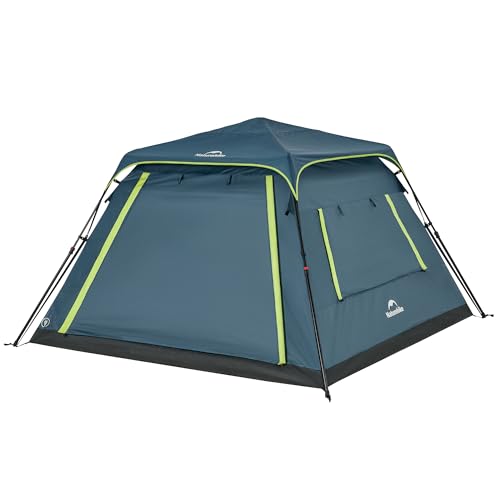
Naturehike Cape Lite 4-6 Person Cabin Tent
The Strengths Of Each Pick
The Naturehike Village leans hard into car-camping comfort. Its cabin-style floor plan stands tall enough for most adults to stand and change clothes, which matters when you’re hosting friends or wrangling kids at a crowded campground. Built-in pre-attached poles let the structure pop into shape quickly, so first-time setup feels less like wrestling with stakes and more like unfolding a room.
The shelter is constructed from 150D Ti Black technology fabric with a PU 2000mm+ waterproof coating, plus a full-coverage rainfly. That’s a noticeably thicker weave than the Cape Lite’s 190T polyester, so the Village holds up better against abrasion and prolonged sun. For a portable AC port, that thickness also helps insulate the interior, keeping cold air in and hot air out. Owners commonly report the tent staying dry through multi-day storms and appreciating the near-vertical walls that maximize interior space.
Useful Touches
- Full rainfly coverage means windows stay protected without extra add-ons, keeping rain off the AC exhaust port.
- Higher-denier fabric resists scuffs from gear and rougher campsite gravel, lasting more seasons than thinner shelters.
- Tall cabin walls give a more apartment-like feel, so an air-conditioner setup doesn’t crouch over your head.
- Available in 4- and 8-person footprints, letting you size up or down depending on group size.
Things To Consider
- Heavier packed weight than the Cape Lite, so it’s a car-camping-only shelter, not a backpacking option.
- Larger footprint needs more level ground to pitch, which can be tough at busy campgrounds with small sites.
Quick Facts
Made For
Families car-camping at established campgrounds who want standing-room comfort and a serious weather barrier.
Skip It When
You need a lighter, more compact option for short trips, in which case the Naturehike Cape Lite is a more agile pick.
The Naturehike Cape stretches out into a tunnel-style layout that sleeps a crowd without feeling cramped. Where the Village is a single tall box, the Cape adds extra room pods that work well for separating parents from kids or stashing gear bags out of the sleeping area. For a portable AC setup, that tunnel shape also routes cool air lengthwise, so the airflow reaches the back of the tent instead of pooling near the door.
The tent uses 190T polyester with a waterproof coating rated to PU3000mm, a step up from the Village’s PU2000mm+ rating. That extra headroom in the waterproof rating handles the kind of sideways rain you meet at exposed campsites in shoulder seasons. The 60-second instant setup with pre-attached poles means a single person can have the whole structure standing before the kids finish picking a picnic spot.
Why It Works Well
- Tunnel layout creates distinct zones, so you can sleep, change, and store gear without bumping into each other.
- Higher waterproof rating than the Village handles more aggressive weather, useful at exposed lake or desert sites.
- Multiple size options (4-, 6-, and 8-person) cover everything from a couple to a multigenerational family.
- Pre-attached poles mean fewer small parts to lose between trips.
Worth Bearing In Mind
- Tunnel tents need more staking points than cabin designs, so setup takes a little more care on windy ground.
- Longer footprint can be hard to fit on smaller platforms, which is something to check before you drive out.
Who Should Grab It
Larger families or group campers running a portable AC through the summer who want room to spread out and a higher waterproof ceiling.
Reach For A Different Pick When
You’d rather have a single-room cabin with full rainfly coverage, in which case the Naturehike Village is a more focused fit.
The Naturehike KOTA is the only true four-season tent in this roundup, and its double-layer construction makes that clear. The inner mesh tent and outer shelter can be used together for cold or wet weather, or you can strip down to just the mesh on warm, dry nights for stargazing. The outer shelter also stands on its own as a canopy or sun shade, which is handy at the lake or for hosting gear at the trailhead.
With 75D 210T polyester and a waterproof rating above PU3000mm, the KOTA leans into a heavier-duty fabric spec than the Cape’s 190T. The added vestibules and porch extensions create shaded outdoor space for chairs and boots, so you’re not trapped inside the sleeping area the moment it rains. For a portable AC port, the double-layer design also traps an insulating air gap that helps cool air stay where you want it. You may find the modular setup takes longer than the instant Cape models, so it’s less grab-and-go and more deliberate pitch.
Everyday Advantages
- Double-layer design adds an air buffer that helps a portable AC work more efficiently in summer.
- Mesh inner tent alone works for hot, clear nights, letting you skip the rainfly without losing star views.
- Vestibules and porch extensions provide covered outdoor living space for cooking, gear, or muddy boots.
- Outer shelter doubles as a standalone canopy for day use, giving you two shelters in one purchase.
Trade-Offs To Consider
- Setup is more involved than the single-layer Cape and Cape Lite models, so it’s not the fastest pitch at the end of a long drive.
- Heavier packed weight makes it a car-camping-only shelter, and storage requires a larger gear closet at home.
Feature Snapshot
The Right Fit
Year-round campers and families who camp through shoulder seasons, want a porch area, and value the option to run the shelter solo.
Look Elsewhere When
You want the lightest, fastest-pitching option in the roundup, in which case the Naturehike Cape Lite is a simpler fit.
The Cape Lite is the most approachable tent in this roundup, and that simplicity is the point. Its cabin-style floor plan stands roughly 62 inches at the peak, so most adults can sit upright on a camp chair without ducking. The 101.5 x 101.5-inch floor fits a queen-size mattress with room to spare for bags and a small side table, which is exactly what most small families or couples actually need.
Where the Village and Cape both lean into bigger footprints and heavier fabrics, the Cape Lite keeps things leaner for quick weekend trips. The 60-second instant setup with pre-attached poles makes this a friendly pick for campers who don’t want to spend their Friday night fumbling with instructions. For a portable AC port, the compact cabin shape concentrates cooled air in one room, which works well for a couple or small family running a single-hose portable AC.
Real-World Strengths
- Compact 4-6 person cabin fits small families and most campsite platforms without crowding the site.
- Fast pop-up setup means less time wrestling with poles and more time at the fire.
- Lower packed weight than the Village and Cape makes it easier to load, unload, and store at home.
- Cabin-style near-vertical walls keep the interior feeling like a room, not a wedge.
Honest Caveats
- Smaller interior than the KOTA or 8-person Cape, so it can feel tight with three adults and full gear.
- Lower-denier fabric than the Village, so you’ll want to be more careful around campfires and rough branches.
Built With In Mind
Couples, small families, and first-time campers who want a no-fuss cabin that pairs cleanly with a portable AC unit.
A Better Fit Elsewhere
You want serious weather protection and a higher-denier build for harsh sites, in which case the Naturehike Village is the sturdier choice.
What To Weigh Before Picking A Tent With An AC Port
A tent’s AC port only matters if the rest of the shelter actually keeps cooled air inside. Focus first on fabric and waterproofing, since a thin tent leaks rain and heat at the same time. A waterproof rating, measured in millimeters of water-column pressure the fabric can resist before leaking, above 2000mm handles most storms; 3000mm and up is the safer call for shoulder-season or exposed campsites.
Next, check the fabric denier (the thickness of each fiber, where higher numbers mean tougher cloth). A 190T polyester is the common lightweight standard, 210T adds modest durability, and 150D or 75D constructions feel noticeably tougher under hand. Pair that with layout. Cabin tents concentrate airflow in one tall room, which works well for single-hose portable ACs, while tunnel tents spread air lengthwise and need a slightly stronger fan to push cool air to the far end.
Finally, think honestly about setup. Pre-attached poles and instant designs save real time at the campground, but only if you camp often enough to appreciate the saved minutes. Larger families running a portable AC through summer will feel the difference between a 4-person and 8-person footprint, especially when you add cots, chairs, and a cooler to the floor plan.
Key Considerations Across These Picks
Where Shoppers Go Wrong
A common trap is picking a tent by person-count alone. Manufacturers count sleeping pads tight against each other, so a “4-person” tent often fits two adults and a toddler comfortably but feels cramped with two adults and full weekend gear. Add a portable AC unit and the hose routing, and you want more room than the label suggests.
Another mistake is ignoring the AC port size until setup day. A port that’s too small for your hose adapter forces a workaround, usually tape or a cut zippered panel, that hurts the tent’s seal and weather resistance. Confirm the port diameter and matching accessories before you commit.
What Separates Premium From Basic
Higher-tier tents in this category earn their price through heavier fabric, double-layer construction, and modular layouts you can reconfigure. A 150D or 75D shell resists abrasion at packed campgrounds far better than a lightweight 190T, and double-layer designs trap an insulating air buffer that helps any climate setup work harder. Vestibules, porches, and removable rainflies add versatility across three-season and shoulder-season trips, which is where the extra dollars go.
Frequently Asked Questions
Do all of these tents actually accept a portable AC hose?
Yes, each model includes an AC port designed to route a standard portable AC or heater hose through the shelter wall. Confirm the port diameter against your unit’s adapter before your first trip.
Can a tent with an AC port handle a swamp cooler instead?
You can run a swamp cooler or evaporative cooler through the same port, and in dry climates the open-air design works well. In humid conditions a closed-loop portable AC is the more reliable choice.
How loud is it running a portable AC inside a tent?
Most portable AC units run between 50 and 60 decibels, which is comparable to a quiet conversation. The tent fabric actually softens the sound further, so most campers find it easier to sleep with than a generator running nearby.
Are these tents safe to run an electric heater inside?
A portable electric heater paired with an AC port tent works fine for cold-weather camping, provided you use a proper outdoor-rated extension cord and keep the heater on a level, non-flammable surface inside the shelter.
How do I clean and store a tent after a humid trip?
Dry the tent completely before packing to prevent mildew, wipe down the floor with a damp cloth, and store it loosely in a breathable bag rather than a tight stuff sack. Long-term storage in a dry gear closet will extend the fabric’s life across seasons.