
Picking the right shelter sets the tone for an entire trip. The wrong tent turns a quick weekend into a soggy, cramped memory, while the right one disappears into the background so you can focus on the fire, the trail, and the company. For men who camp with family or a group of friends, an instant-setup cabin with standing room and weather-rated fabric changes everything about who can join the trip and how comfortable they’ll be.
The Leading Options At A Glance

Naturehike Village Instant Tent (4 / 8 Person)
Naturehike Cape Instant Tunnel Tent
Naturehike KOTA Double-Layer Tent
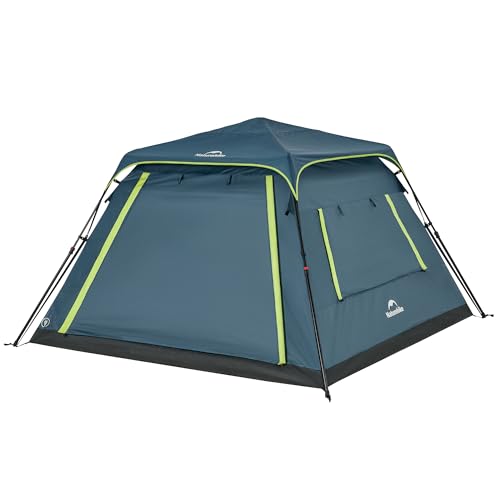
Naturehike Cape Lite Instant Cabin Tent
A Breakdown Of The Leading Choices
The Naturehike Village Instant Tent leans into the cabin-style layout that car campers tend to prefer, with nearly vertical walls that keep headroom usable across most of the floor. The pre-attached pole structure is the headline feature: in most conditions, you unfold the tent, extend the legs, and the frame locks into place without the usual puzzle of feeding poles through sleeves. That shortens the gap between arriving at a campsite and cracking open a cold drink.
The fabric is a 150D Ti Black technology weave, which pairs a claimed UPF 12500+ sun-shading rating (a measure of how well a fabric blocks ultraviolet rays) with a PU 2000mm+ waterproof coating (the higher the millimeter rating, the more water pressure the coating can handle before soaking through). A full-coverage rainfly wraps over the roof and down the sides, so seams stay out of direct rainfall. For most fathers dragging tired kids and gear out of the trunk, this kind of fast pitch and weather-rated shell is the practical difference between a smooth Friday evening and a frustrating one.
Notable Gains
- Instant-setup frame means most campers can have the tent standing within a minute, no sleeve threading required.
- 150D Ti Black fabric with a PU 2000mm+ coating handles steady rain without soaking through in typical car-camping storms.
- Cabin-style vertical walls let adults stand near the center to change clothes or sort gear without crouching.
- Full-coverage rainfly protects seams and zippers during overnight downpours.
- UPF 12500+ rated shell reduces sun glare and heat inside the tent on bright, exposed sites.
Things To Consider
- The larger 8-person footprint needs a wide, flat pitch area, so tight or sloped sites may force a smaller setup.
- Owners commonly report the packed size is bulky for storage in a smaller trunk or apartment closet.
Key Specs
Made For
Fathers and group leaders running weekend family trips who want standing headroom and a near-zero setup curve at the campsite.
Consider Something Else When
The Naturehike Cape Lite Instant Cabin Tent fits tighter pitches and smaller vehicles where the Village’s bulk would be overkill.
The Naturehike Cape trades the boxy cabin shape for a long tunnel silhouette, which spreads living space lengthwise rather than outward. Picture three or four sleeping pads lined up in a row with gear stacked at the far end: that’s the layout this tent is built around. The tall peak gives adults full standing room down the centerline, and the pre-attached frame keeps pitching close to a one-minute job for most setups.
The shell is 190T polyester (the “T” refers to the thread count, with higher numbers indicating a denser weave) carrying a PU3000mm waterproof rating. Compared to the Village Instant Tent covered above, this rating is a meaningful step up for sustained wet weather. For men running base camps where a cooking shelter, gear storage, and sleeping area all need to coexist under one roof, that tunnel design earns its keep.
A Few Highlights
- Tunnel design creates the longest usable floor area in this lineup for gear-heavy trips.
- PU3000mm coating handles heavier, multi-day rain better than entry-level car-camping shells.
- Pre-attached pole system keeps setup close to a one-minute operation in calm weather.
- Tall peak height lets adults stand upright through the central sleeping zone.
Trade Offs
- Tunnel tents need stouter guylines (guy lines are the cords that anchor a tent to the ground) and taut pitching in wind, since the long profile catches gusts more than a low cabin shape.
- The 6 to 8 person versions are long, so smaller sites may not provide a clean rectangular pitch.
- Packed bag is on the heavier side for a tent in this family-camping tier.
Right Fit For
Trip leaders running base-camp-style weekends with several adults who want one long shared shelter rather than multiple smaller tents.
Look Elsewhere When
The Naturehike KOTA Double-Layer Tent suits campers who want a vestibule porch for cooking and muddy boots over the Cape’s open tunnel entry.
The Naturehike KOTA is the most modular shelter on this list, built as a true double-layer system: an inner mesh tent that stands on its own in warm months, and an outer rainfly that drapes over the top for cold or wet weather. That separation matters on real trips, because in July you can pitch the mesh and stargaze through the roof, while in shoulder seasons the same inner tent slots inside a fully enclosed fly for warmth and weather protection.
The outer shell uses 75D 210T polyester with a 3000mm+ waterproof coating, and the layout includes a vestibule porch: a covered entry extension that acts as a mud room for boots and a dry spot to boil a kettle. Compared to the Cape’s open tunnel entry covered above, the KOTA’s porch is the practical upgrade men who camp through unpredictable spring or fall weather tend to notice first.
A Favorable Mix
- Double-layer design lets the mesh inner and rainfly pitch independently for true three-season flexibility.
- 75D 210T polyester shell is a denser weave than budget tents, helping the fabric resist abrasion at camp.
- 3000mm+ waterproof coating holds up under steady rain without leaking at seam lines.
- Vestibule porch creates a dry staging area for boots, packs, and a small camp stove.
- Mesh inner roof enables clear stargazing on warm nights without losing insect protection.
Honest Caveats
- Setting up both layers takes longer than the single-layer instant tents on this list, so late-arrival pitches need more daylight.
- The footprint runs larger than cabin-style tents at the same capacity because of the porch extension.
- Owners commonly report the packed weight climbs into truck-camping territory rather than backpack territory.
Feature Snapshot
Who Will Love This
Men who camp across spring, summer, and fall shoulder seasons and want one tent that adapts as the weather shifts.
A Better Fit Elsewhere
The Naturehike Village Instant Tent suits families who value a one-minute pitch over the KOTA’s longer two-layer setup.
The Naturehike Cape Lite trims the Cape formula into a smaller, lighter package aimed at short trips and tighter sites. The cabin floor runs about 101.5 x 101.5 inches, which fits a queen-size mattress with a little clearance on each side, and the peak height of roughly 62 inches lets most adults sit upright at the center without ducking. The instant-pitch frame is the same one-minute design used across the Cape family, so setup feels familiar if you’ve handled a similar shelter.
For weekend trippers who tow a small SUV or hatchback rather than a full-size truck, the Cape Lite is the friendlier choice. Compared to the Village Instant Tent that opened this list, the Lite gives up some interior square footage but gains a smaller packed bag that’s easier to store in a garage corner or apartment closet between trips.
Strengths Worth Knowing
- Compact floor plan suits state-park and lakeside sites where space is at a premium.
- Queen-size mattress compatibility means couples don’t need to squeeze onto a twin pad.
- Instant-pitch frame keeps the learning curve low for newer campers.
- Smaller pack size stores easily in apartment closets or smaller trunks between trips.
Points To Keep In Mind
- The 4 to 6 person capacity fills up fast once gear and dogs enter the picture.
- Peak height of around 62 inches means changing clothes in the center works, but full standing for tall adults may not.
- Lightweight cabin shells can flap noisily in steady wind, so a sheltered pitch helps.
Whose Shelf It Belongs On
Couples and small families running two- or three-night trips who want fast setup without hauling a truck-sized tent bag.
Skip It When
The Naturehike Cape Instant Tunnel Tent serves larger groups better when everyone wants a sleeping spot under the same roof.
What Matters Most Before Choosing Camping Tents For Men
Capacity And Floor Geometry
Capacity ratings list the upper limit for sleeping bodies, not the realistic number for a comfortable night. A “4 person” cabin fits two adults and a pile of gear; the same label on a tunnel tent fits four adults if everyone packs light. Cabin geometry, where walls stand nearly vertical, gains standing headroom at the cost of overall length. Tunnel geometry stretches lengthwise, which fits more pads in a row but demands a longer, flatter pitch.
Weather Rating And Fabric Density
Waterproof ratings are expressed in millimeters: a PU 2000mm coating handles a steady summer rain, while a PU 3000mm+ shell holds up under multi-day storms. Fabric density follows the thread-count convention, so 210T polyester weaves tighter than 190T. For shoulder-season trips where rain can stack up overnight, the higher rating pays off.
Setup Speed Versus Setup Complexity
Instant tents use pre-attached frames and pitch in roughly a minute, which suits newer campers and late arrivals. Double-layer tents take longer because the inner mesh and outer fly each need attention, but the modular build lets you adapt across summer and winter weather. The honest trade-off is time at pitch versus flexibility across the year.
Intended Use Case
Car camping rewards bulkier cabin shelters because weight matters less. Hiking trips call for tighter pack sizes and lighter frames, which usually means smaller tents. Most men shopping in this category land somewhere in between, so matching the tent’s design to the typical trip length and group size keeps the investment useful for years rather than a single season.
Key Considerations Across These Picks
Common Buying Traps
Picking a tent rated for one size up rarely buys comfort, because capacity numbers reflect tight sleeping counts rather than gear storage. The honest move is to add two people of headroom to your usual group size before choosing a model. Another trap is chasing the highest waterproof rating on a single-layer cabin that lacks a full rainfly, since leaks often start at seams and zippers long before the fabric gives out.
Where The Extra Money Goes
Stepping up to a double-layer tent like the KOTA buys a separate mesh inner and a full outer fly, which extends usable seasons and adds a covered porch. Stepping up to a tunnel profile like the Cape buys lengthwise floor space for shared base camps. The premium tiers here spend on fabric density, waterproof ratings, and modularity rather than raw size, so the upgrade pays off when trips stretch into shoulder seasons or grow past a couple of campers.
Frequently Asked Questions
How Many People Should A Camping Tent Actually Fit?
The honest answer is the rated capacity minus one for comfort, since labels assume tight sleeping with no gear. A 4-person cabin fits two adults and their equipment better than four adults.
Are Instant Tents Worth The Cost Over Traditional Designs?
Instant tents cost a bit more for the pre-attached frame, but the trade-off is a one-minute pitch that even first-time campers can manage. For weekend trips with family, that convenience tends to matter more than the small price bump.
What Waterproof Rating Matters For Weekend Camping?
A PU 2000mm coating handles steady summer rain, while a PU 3000mm+ rating is a meaningful upgrade for multi-day storms and shoulder-season trips. For most car-camping weekends, anything at or above 2000mm is a practical floor.
Can These Tents Handle Windy Conditions?
Cabin-style tents with full coverage hold up well in moderate wind, while tunnel designs need taut guylines to stay stable in gusts. Pitching in a sheltered spot behind trees or a ridge makes a real difference regardless of model.
How Do You Clean And Store These Tents?
Owners commonly report shaking out debris, wiping the floor with a damp cloth, and fully drying the tent before folding to prevent mildew. Storing loosely in a dry garage or closet extends fabric life compared to a tight stuff sack.
The Takeaway
The right tent depends less on the label and more on the trips you actually take. Couples running quick weekends tend to favor the Cape Lite’s compact footprint, while families with kids benefit from the Village’s standing-room cabin. Larger groups and shoulder-season campers find the Cape’s tunnel shape and the KOTA’s double-layer build worth the extra setup time. Pick the shelter that matches your usual trip, and the rest of the weekend tends to take care of itself.