
Picking up a tent that swallows a whole family, gear, and the dog means sorting through a sea of options that all claim “roomy.” You’re probably juggling kid schedules, car space, weather uncertainty, and the hope that setup doesn’t turn into a 45-minute argument at the campsite. This roundup focuses on family-scale shelter choices that balance living space, weather protection, and the kind of easy pitch that keeps a crew moving. Each pick below is sized for group camping, with cabin profiles or tunnel layouts that breathe, stand tall enough for adults to stand, and survive a wet weekend without becoming a wading pool.
The Picks In Brief

Naturehike Village Instant Tent 4-8 Person Cabin
Naturehike Cape 4/6/8 Person Instant Camping Tent
Naturehike KOTA 4/6/8 Person Double Layer Tent
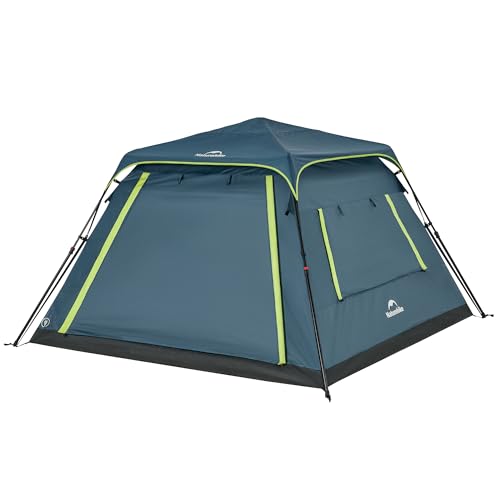
Naturehike Cape Lite 4-6 Person Instant Cabin Tent
A Deeper Look At The Lineup
The Naturehike Village is the cabin-style tent on this list built for parents who want to stand up straight while changing a toddler or sorting gear. Its tall, near-vertical walls use the floor space efficiently, so a queen air mattress, cots, and duffel bags share the room without anyone sleeping curled around a cooler. Pre-attached poles mean the structure essentially unfolds itself, a genuine plus at the end of a long drive when kids have already had enough.
Compared to the Naturehike Cape reviewed next, the Village trades some of the tunnel layout’s airflow for a boxier footprint and a covered ceiling that blocks more sun. You give up a little interior length in exchange for walls you can place a pack against without it sliding into the sleeping zone. For car campers staying a couple of nights, that trade usually makes sense.
What Pays Off
- Pre-attached pole system drops setup close to the one-minute mark
- Cabin-style walls give adults actual headroom to dress inside
- Sun-blocking Ti Black fabric reduces glare and heat inside
- Full-coverage rainfly rated for heavy downpours keeps bedding dry
- Floor plan handles a queen mattress plus gear for four to eight
Worth Noting
- Larger packed size than tunnel tents, so trunk space matters
- Cabin walls can catch wind on exposed sites, staking well is essential
Built With In Mind
Families with two to three kids who camp from a vehicle at developed sites and want a shelter that feels like a small cabin.
Consider Something Else When
Shoppers needing a lower-profile footprint or quicker breakdown should look at the Naturehike Cape Lite, which packs smaller for tight trunks.
The Naturehike Cape is the tunnel-style shelter on this list, and it stretches its floor into long, narrow rooms rather than stacking space upward. That shape tends to feel roomy for sleeping bags laid out head-to-toe, and the airy interior suits warm-weather family trips where airflow matters more than walk-in height. Setup stays close to the one-minute mark, which matters when you roll into camp near sunset.
Where the Village gives you straight walls, the Cape gives you a longer layout with more flexible zoning for parents on one end and kids on the other. The polyester shell carries a waterproof PU 3000mm coating, which tends to handle steady rain without seep-through at the seams. It’s a different geometry rather than a better or worse one.
What It Does Well
- Pop-up frame saves real time after a long drive
- Tunnel layout creates two distinct sleeping zones
- 190T polyester shell with PU 3000mm coating sheds rain well
- Floor area runs up to roughly 12.9 square meters in the eight-person size
Trade Offs
- Center peak height stays shorter than the cabin-style Village
- Longer shape demands a flat, rectangular pitch site
- Higher fabric weight per square meter than ultralight options
Who Will Love This
Families arriving late on Friday who want a no-fuss pitch and a layout that separates parents from kids.
Skip It When
Campers needing true standing headroom across the full floor should reach for the Naturehike Village, which trades tunnel length for cabin-style height.
The Naturehike KOTA is the modular shelter on this list, and its double-layer build is genuinely flexible for families camping across multiple seasons. The inner mesh tent works on its own during warm summer nights, the outer rainfly stands alone as a canopy or sun shelter, and together they form a sealed four-season setup. That kind of one-tent-does-three-jobs flexibility matters when closet space is limited at home.
The vestibules and porch add covered outdoor room that the Village and Cape don’t quite match, a useful buffer for muddy boots, a portable kitchen, or a stash of kids’ bikes. Compared to the Cape’s tunnel geometry, the KOTA leans taller and wider, more like a small cabin than a tube. You’ll need more patience during pitch than the instant-pole picks, but the tradeoff is year-round utility.
Positive Takeaways
- Three configuration modes from a single shelter system
- Vestibules and porch add covered storage for gear and boots
- 75D 210T polyester with PU 3000mm+ rating handles heavy weather
- Mesh inner keeps bugs out while letting summer breezes through
Honest Caveats
- Full assembly takes longer than single-frame instant tents
- Heavier packed weight than the Cape Lite at this capacity
- Larger footprint demands a roomy pitch site
Right Fit For
Year-round family campers who want a single shelter that adapts from summer stargazing to shoulder-season storms.
Look Elsewhere When
Shoppers who mostly camp fair-weather and value a sub-minute pitch should look at the Naturehike Cape, which keeps setup simpler.
The Naturehike Cape Lite is the smallest shelter on this list, and it targets families who don’t actually need eight-person capacity but still want cabin-style walls and a fast pitch. The roughly 101 by 101 inch floor fits a queen mattress with room for a duffel or two, and a near 62-inch peak keeps most adults from hunching in the center. It hits a sweet spot for couples with one or two kids.
Stacked against the larger Village, the Cape Lite sacrifices interior square footage for a noticeably smaller packed bag that fits a hatchback trunk without Tetris. The instant-pole frame carries over from the bigger Cape, so pitch speed stays consistent across the lineup. For weekend trips with a smaller crew, this is the most practical cabin pick here.
Real-World Strengths
- Queen-mattress floor plus gear space for two adults and one or two kids
- Pre-attached pole frame makes pitch close to effortless
- Smaller packed footprint suits compact cars
- Cabin-style walls keep usable floor space tight to the edges
Things To Consider
- Four-person rating feels tight for two adults plus three kids
- Lower peak height than the larger Village cabin tent
Best Suited To
Smaller families and couples car camping at drive-in sites who want instant-pitch convenience without hauling a family-sized shelter.
Reach For A Different Pick When
Families needing year-round modularity should consider the Naturehike KOTA, which offers double-layer versatility the Cape Lite skips.
What To Weigh Before Choosing Your Family Tent
Capacity claims deserve a hard second look. A tent rated for eight usually sleeps four adults and a couple of kids comfortably, not eight adults with gear. Aim for one rating above your actual crew size if anyone likes to spread out.
Floor dimensions matter more than peak height for sleeping comfort, but headroom still affects whether adults can stand while changing clothes. Cabin-style walls use floor space more efficiently than dome or tunnel shapes. Vertical walls let you push cots and pack totes against the edges instead of tapering into unusable corners.
Weather ratings tell you what the fabric can resist before water pushes through, measured in millimeters of water column pressure. A 2000mm rating handles steady rain, while 3000mm and above shrugs off heavier storms. For shoulder-season and mountain camping, lean toward the higher number.
Setup time becomes a real factor after dark or with tired kids in tow. Instant-pole designs like the Naturehike Cape and Cape Lite cut pitch from half an hour to under a minute. The KOTA takes longer but offers more configuration flexibility once standing.
Key Considerations Across These Picks
Where Shoppers Go Wrong
Buying a tent that technically fits the family but leaves zero room for coolers, packs, and shoes turns camping into a Tetris game every night. Count your sleepers, then add one to the capacity rating and look at actual floor dimensions, not peak height. Forgetting vestibules or porch space forces muddy boots into the sleeping area, which wears out floors faster and gets old by day two.
What The Extra Money Buys
Stepping up to a double-layer build like the KOTA buys modular use, better airflow control, and rain performance that holds up in real storms rather than just passing showers. Cabin-style walls over tunnel geometry buy standing room and furniture-friendly layout, which matters more for week-long stays than quick weekend pitches. The honest read is that the upgrade pays off when your family camps more than a handful of times a year.
Frequently Asked Questions
How big should a family camping tent be?
Most family crews sleep better in a tent rated one size above the actual head count. A family of four usually wants a six-person model, while five or more should look at eight-person shelters.
What does waterproof rating actually mean?
A 2000mm rating means the fabric resists a 2000mm column of water before seep-through. Anything 3000mm or higher handles heavier storms and longer rainy stretches.
Are instant tents harder to break down than traditional pole tents?
The pre-attached frames stay attached during storage, so breakdown is mostly folding and rolling. Owners commonly report a slightly larger packed bag as the only trade-off.
Can a family tent handle a full summer of weekend trips?
Most polyester shells with PU coatings handle multiple seasons of weekend use without issue, though owners commonly reseal seams once a year for long-term durability. Store the tent dry between trips to prevent mildew.
What’s the real benefit of a double-layer tent?
The inner mesh layer keeps bugs out and breathes on warm nights, while the outer rainfly handles weather. Many models, including the KOTA, let you use either layer on its own for flexible setups.
Bottom Line
Family camping tents come down to crew size, weather exposure, and how much setup patience your group has on arrival. The Naturehike Village stands tall for big families wanting cabin comfort, while the Cape Lite fits smaller crews with limited trunk space. The KOTA earns its keep for year-round modularity, and the Cape covers quick, roomy pitches for warm-weather trips. Match the tent to your most common trip, not your most ambitious one, and the rest tends to fall into place.